4 days ago
Nepal Flood Exposes Himalayan Risks and Data-Sharing Failures

A large piece of ice reportedly fell into a river in Tibet and blocked the water.
After several hours, the blocked water suddenly broke through and rushed into Nepal.
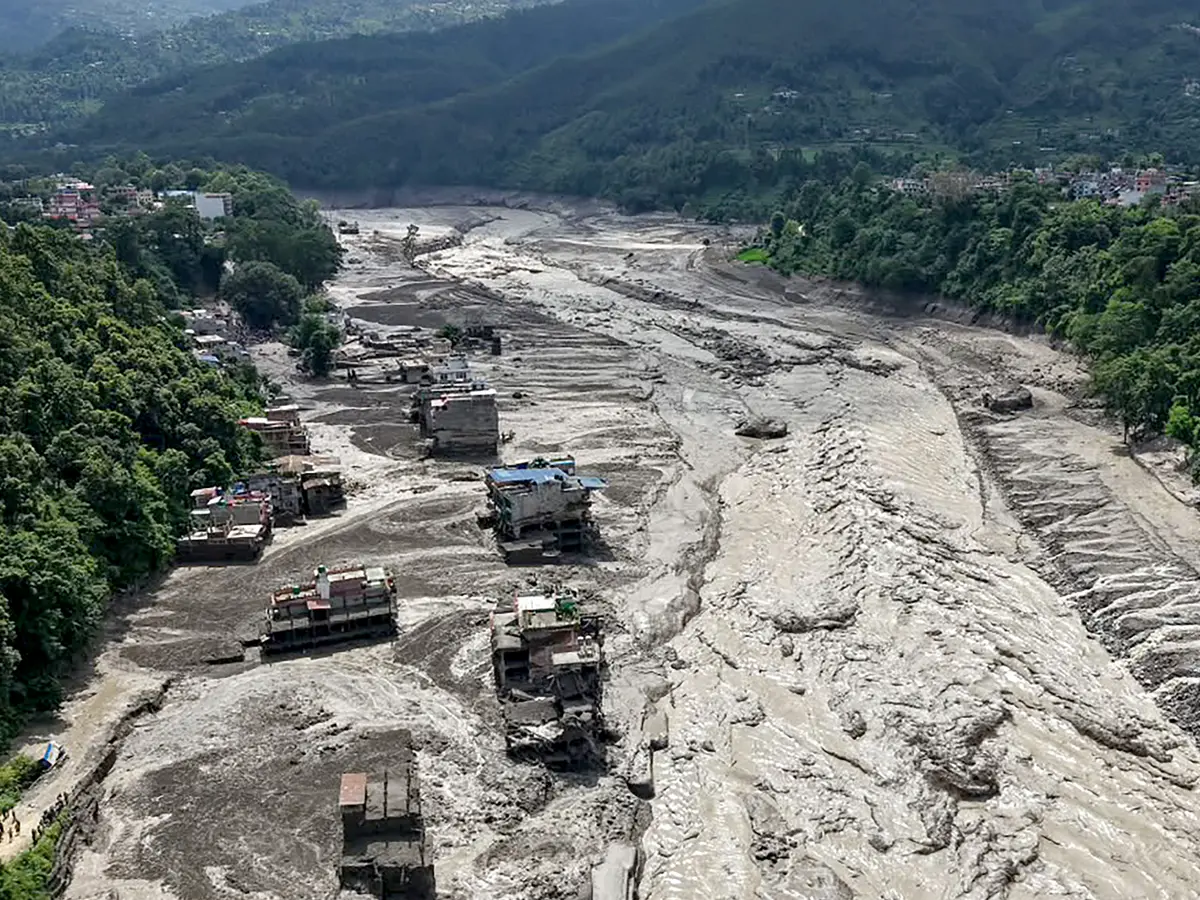
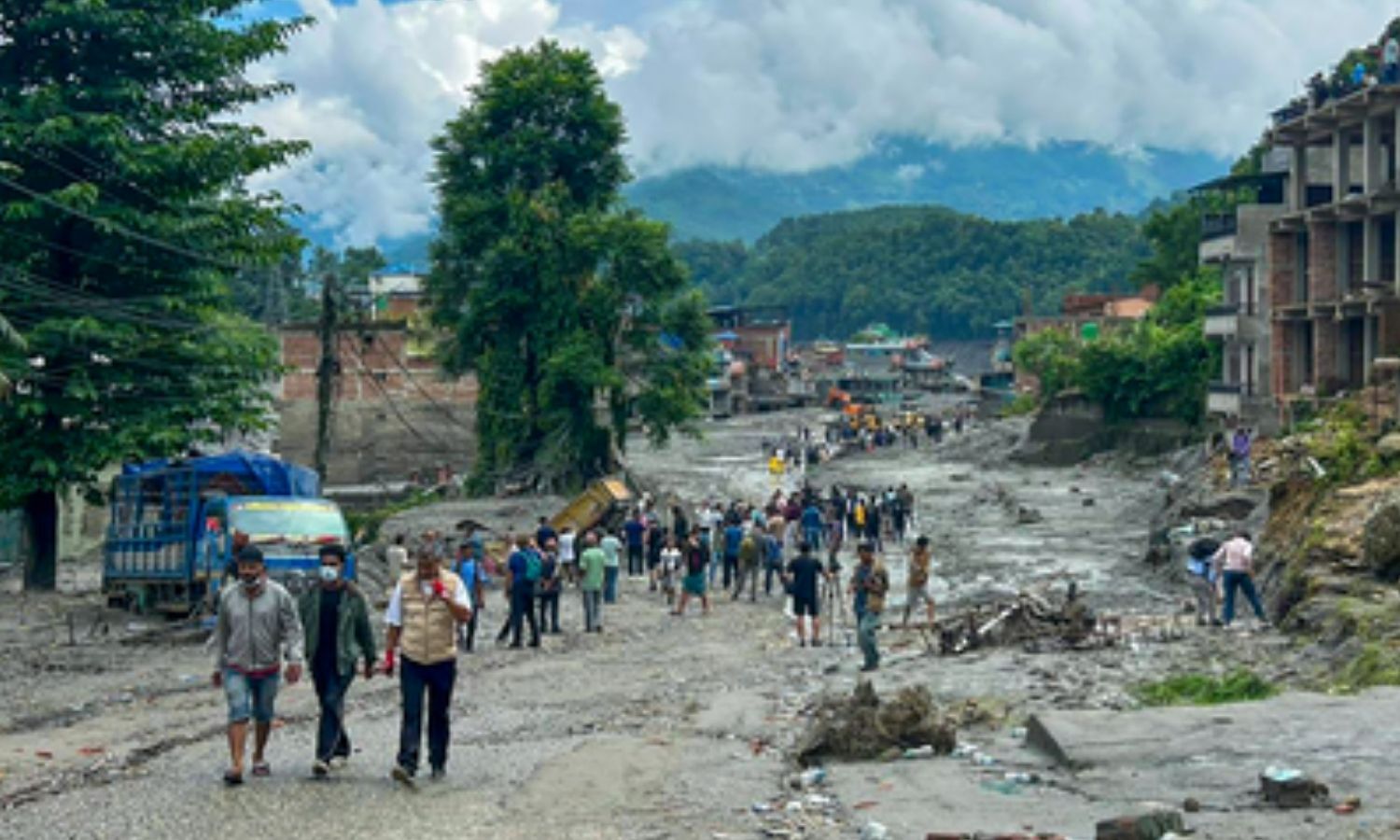
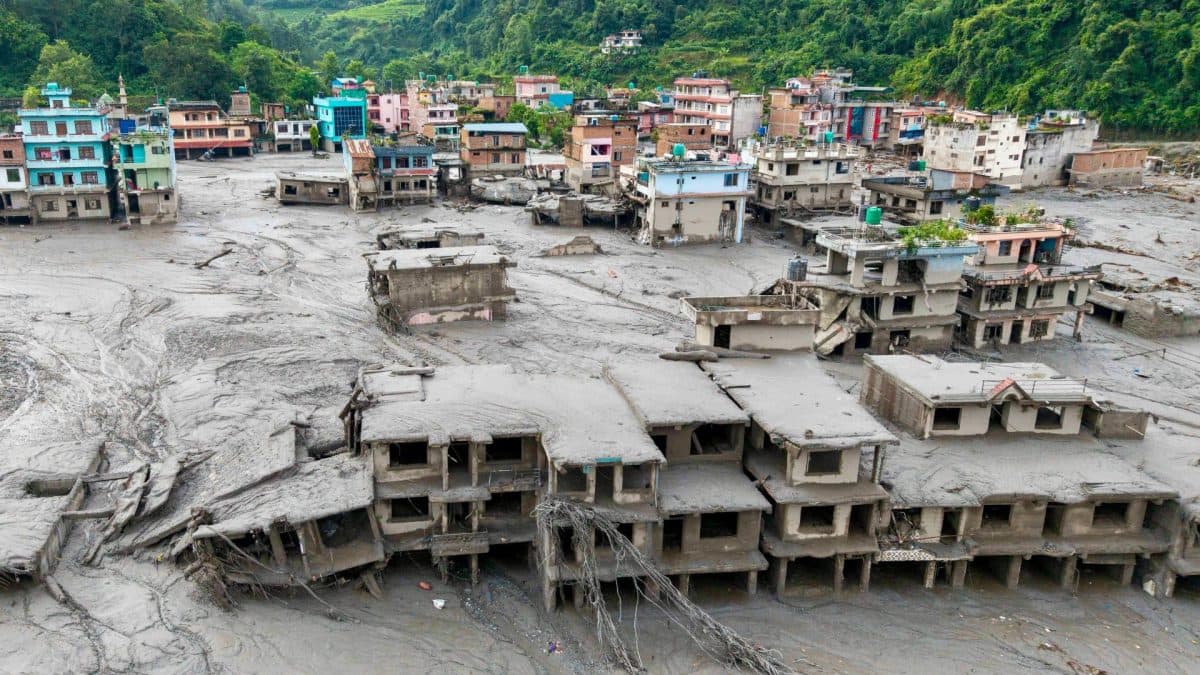
The fast-moving water damaged homes, bridges and other places.
Professor Vimal Khawas said the ice avalanche was a natural event.
He also said people made the damage worse by building in risky places and not preparing well enough.
Climate change may make similar floods happen more often and with greater force.
The expert said China should have warned Nepal about the blocked river.
Rivers cross borders, so countries cannot protect people by working alone.
He wants the countries sharing Himalayan rivers to exchange information quickly and plan together.

A large ice avalanche reportedly blocked the Lhende River in Tibet before the water suddenly broke through and caused a flash flood in Nepal.
Professor Vimal Khawas said climate change is increasing the intensity and frequency of Himalayan disasters.
He attributed much of the destruction to construction in vulnerable areas, forest loss, settlement on floodplains and weak disaster preparedness.
Khawas said China should have monitored the blockage and alerted downstream authorities in Nepal, though the flood’s initial trigger was natural.
He urged China, Nepal, India and Bangladesh to share data and develop coordinated disaster-management systems for shared river basins.
- Who
- Residents of Nepal were affected; Professor Vimal Khawas assessed the disaster and urged cooperation among China, Nepal, India and Bangladesh.
- What
- A flash flood followed an alleged ice-avalanche blockage of the Lhende River, causing deaths and extensive damage in Nepal.
- Where
- The blockage reportedly occurred in Tibet, and flood damage was reported near the Tibet-Nepal checkpost and in Galchhi, Nepal.
- When
- The disaster was reported in connection with August 27, 2026, when photographs showed its aftermath.
- Why
- The flood followed the sudden release of water behind the blockage; climate change, vulnerable development and inadequate information-sharing were identified as factors worsening the damage.
Natural Trigger
Human Responsibility
Cause of the flood
Natural Trigger
The immediate trigger was described as a natural ice avalanche that blocked the Lhende River before the water burst through.
Human Responsibility
The expert said the scale of the damage was human-made because people occupied vulnerable areas and disaster plans were not adequately implemented.
China’s role
Natural Trigger
The flood began with a natural event in Tibet, and the article does not report a formal finding that China caused the avalanche.
Human Responsibility
Professor Vimal Khawas said China had a duty to monitor the blockage and alert downstream authorities, arguing that timely information could have reduced the devastation.
Future protection
Natural Trigger
Monitoring technology exists in China and India, but natural hazards cannot be completely prevented.
Human Responsibility
The expert called for shared data, cross-border institutions and integrated planning rather than countries managing Himalayan river basins in isolation.
Key facts
- Reported trigger
- A large ice avalanche reportedly blocked the Lhende River in Tibet for several hours.
- Immediate consequence
- The blocked water suddenly broke through and produced a high-speed flash flood toward Nepal.
- Expert interviewed
- Professor Vimal Khawas of the Special Centre for the Study of North East India at Jawaharlal Nehru University.
- Main risk factors
- Climate change, construction in vulnerable areas, environmental degradation, forest loss and settlement on floodplains.
- Cross-border concern
- The Lhende River and other Himalayan rivers cross national boundaries, making timely data-sharing important.
- Countries identified
- China, Nepal, India and Bangladesh share relevant river basins.
- Other cited disasters
- The interview referenced the Dharali disaster in Uttarkashi in August 2025 and a Sikkim flood outburst in 2023.
Quotes
Professor Vimal Khawas
Professor at Jawaharlal Nehru University’s Special Centre for the Study of North East India
“It was China's duty to monitor and inform the downstream counterparts, which it did not.”
 rediff.com
“In a shared basin like this, if we do not work and share data this is what will happen.”
rediff.com
Sources
Related news
Nepal Flash Flood Exposes South Asia’s Cross-Border Risks

Nepal Floods Expose Warning Gaps, Spur China Data Push
Nepal Flood Disaster Spurs Calls for Himalayan Cooperation
Nepal Floods Expose Gaps in Himalayan Data Sharing
Nepal Flood Exposes Persistent Risks Along Border River

Nepal Flash Flood Triggers Warning Questions After Tibetan Deluge

India’s Record Wheat Harvest Opens $1.5 Billion Export Window

West Bengal CM Crushes Nearly 2 Lakh Seized Syrup Bottles

India, Bangladesh Seek Deeper Parliamentary and People-to-People Ties

Bangladesh Radicalisation Raises Concerns About Security Spillover Into India

Bengaluru Police Transfer 31 Bangladeshi Nationals for Deportation