3 weeks ago
Assam rebuilds after floods kill 97, displace 12 lakh
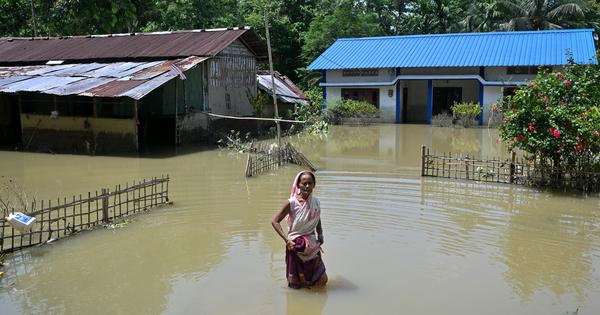
Every year, heavy rain makes rivers overflow and flood the state of Assam in India.
This year, the floods were especially bad.
They killed 97 people and forced more than 12 lakh, or 1.2 million, people to leave their homes.
The water caused the most damage in the upper part of Assam.
A researcher named Mirza Zulfiqur Rahman studies the big Brahmaputra River.
He says the floods got worse because people damaged the land.
Wetlands that soak up water were destroyed, riverbanks were too weak, and people dug too much sand from the riverbeds.
Roads and walls built to stop water actually blocked the rivers from flowing.
He thinks the state should study the land carefully and give rivers more room instead of just building higher walls.
He also says communities need practice and clear plans for staying safe when floods come.

Floods in Assam have killed 97 people and displaced more than 12 lakh people.
The worst devastation hit Upper Assam districts, including Sivasagar, Charaideo, Jorhat and Golaghat.
Researcher Mirza Zulfiqur Rahman blames wetland degradation, weak embankments, illegal riverbed mining and obstructed drainage for amplifying the floods.
He says raising highways and embankments has raised flood risk for lower-lying homes rather than protecting them.
Rahman calls for scientific floodplain mapping, relocation planning, community preparedness and a bioregional governance model instead of a flood-control mindset.
- Who
- Residents of Upper Assam, especially in Sivasagar, Charaideo, Jorhat and Golaghat districts; researcher Mirza Zulfiqur Rahman of the Brahmaputra river basin commented on the causes.
- What
- Seasonal flooding that killed 97 people and displaced more than 12 lakh, with a researcher arguing that poor planning and environmental damage amplified the disaster.
- Where
- Assam, particularly the Upper Assam districts of Sivasagar, Charaideo, Jorhat and Golaghat, in the Brahmaputra river basin.
- When
- The current annual flood cycle (specific dates not stated in the article).
- Why
- Wetland degradation, weak river embankments, illegal riverbed mining along tributaries, and obstructions to natural river drainage intensified the flooding.
Giving rivers space — mitigation-first approach
Structural engineering — rebuilding embankments and raising roads
How to respond to floods
Giving rivers space — mitigation-first approach
Scientifically map the floodplain, give rivers more room to flow, relocate people from danger zones, and avoid rebuilding the same hazardous infrastructure.
Structural engineering — rebuilding embankments and raising roads
Restore normalcy by rebuilding embankments and raising roads and highways higher to protect people and keep economic connectivity between Lower and Upper Assam.
Who is responsible for the disaster
Giving rivers space — mitigation-first approach
Assam cannot blame cloudbursts or high-intensity rainfall in upstream Nagaland, Arunachal Pradesh and Meghalaya; the state's own riverbed mining, drainage obstructions and weak embankments amplified the floods.
Structural engineering — rebuilding embankments and raising roads
The extreme event was driven by unusually high-intensity rainfall and cloudburst conditions upstream in neighbouring states.
Key facts
- Deaths
- 97
- People displaced
- More than 12 lakh
- Hardest-hit area
- Upper Assam (Sivasagar, Charaideo, Jorhat, Golaghat)
- Key waterway
- Brahmaputra River and its tributaries, including the Dikhow
- Cited causes
- Wetland degradation, weak embankments, illegal riverbed mining, blocked drainage
- Expert cited
- Mirza Zulfiqur Rahman, researcher on the Brahmaputra river basin and climate issues
- Proposed response
- Scientific floodplain mapping, relocation, mitigation and management mindset
Sources
Related news
Why Assam floods every monsoon, what is different this year
Assam's July Floods: More Than Just the Brahmaputra
Upper Assam's Flood Catastrophe Blamed on River and Mountain Grabbing

Assam Floods Kill At Least 100 Amid Monsoon Deluge
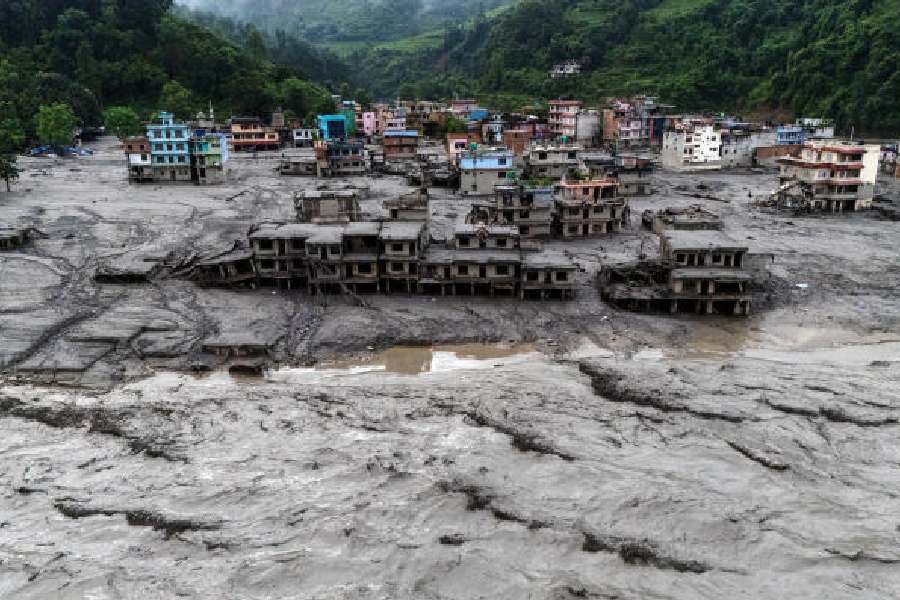
Nepal and Upper Assam Disasters Expose Climate Risks

Northeast Weaves Take Center Stage at Delhi Fashion Week

GST Collection Rises Nearly 15% To About Rs 2 Lakh

Nagaland Assembly Tables Revised Frontier Territorial Authority Bill

Delhi Fashion Week Showcases Khadi and Northeast India’s Heritage