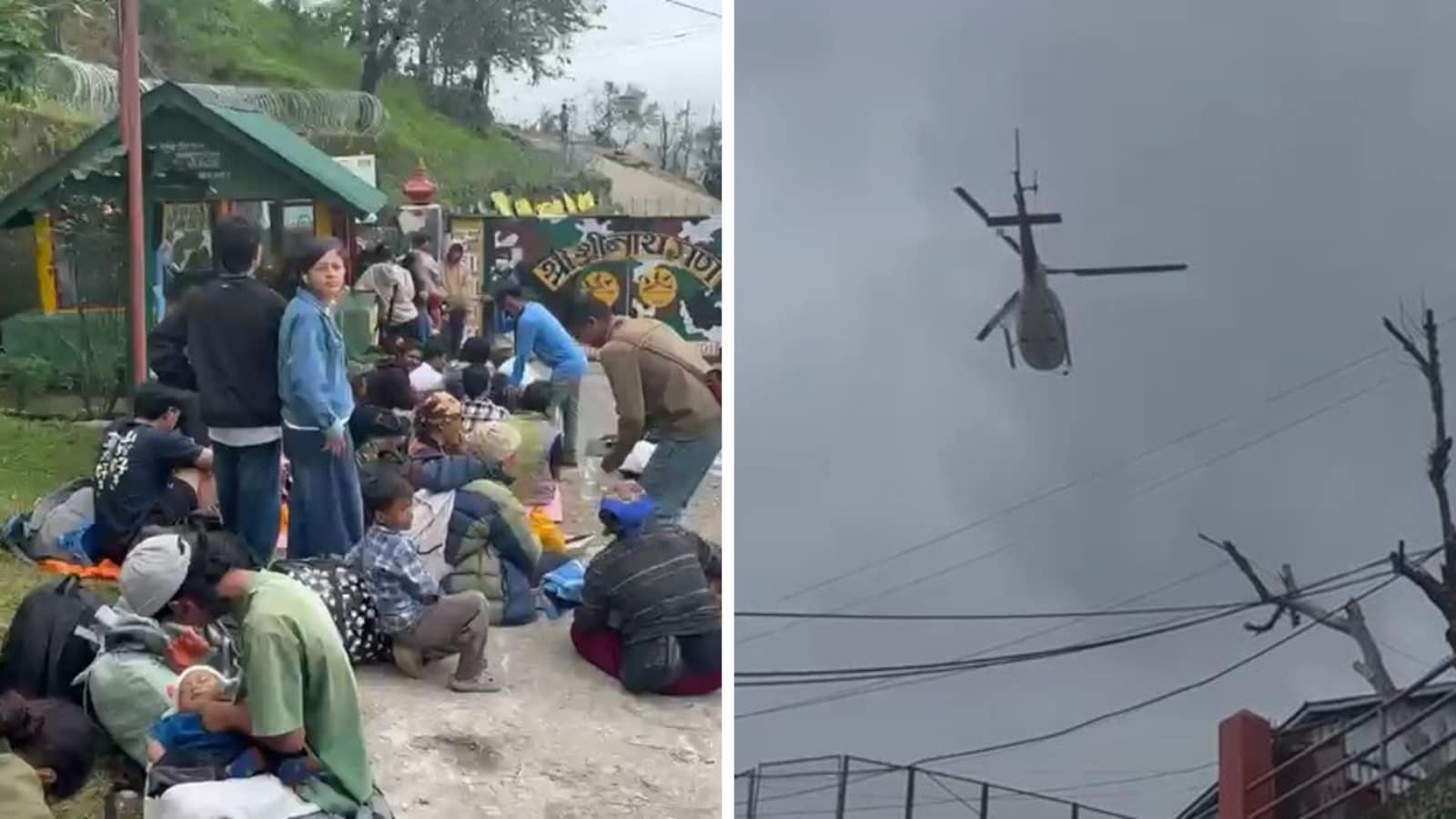
6 hrs ago
China Reopens Tibet Highway as Disaster Search Intensifies

A glacier collapse caused huge mudslides and floods near the border between China and Nepal.
The disaster damaged the only road to an important border crossing in Tibet.
Workers repaired the road for about a week, and it reopened on Wednesday.
This allowed large rescue machines to reach the worst-hit area.
Rescuers are searching with special machines, dogs and excavators.
Rain, unstable cliffs, a fast river and possible landslides are making the work dangerous.
China says 546 people are still missing in Tibet and 16 people have died there.
Nepal says at least 1,114 people have died and nearly 4,000 remain unaccounted for.

China fully reopened the only road to the Gyirong border crossing into Nepal on Wednesday, about a week after flooding damaged it.
The G216 national highway was torn apart by debris flows after a glacier collapse triggered mudslides and floods on August 26.
Heavy machinery, excavators and search equipment reached the main disaster zone for the first time after supplies had been airdropped.
Rescuers are using life-detection devices, search dogs and excavators to search border areas, riverbanks, ravines and damaged roads.
China reported 16 deaths and 546 missing in Tibet, while Nepal reported at least 1,114 deaths and nearly 4,000 people unaccounted for.
- Who
- Chinese rescue teams, soldiers and authorities are searching for missing people; people from several countries, including India, Nepal and Latvia, are among those reported missing in Tibet.
- What
- China reopened the G216 highway and intensified rescue searches in a disaster zone affected by mudslides and flooding.
- Where
- The disaster zone is in Tibet near China’s Gyirong border crossing into Nepal, with flooding affecting river systems on both sides of the border.
- When
- The glacier collapse occurred on August 26, and the highway reopened on Wednesday, about one week later.
- Why
- Reopening the road allowed heavy machinery and additional search equipment to reach the main disaster zone.
Chinese Authorities’ Explanation
Concerns About Information Access
Why foreign journalists were not at the site
Chinese Authorities’ Explanation
China’s foreign ministry said damaged roads, disrupted communications and serious risks from secondary disasters prevented access to the disaster zone.
Concerns About Information Access
Reuters reported that much of the information about the Tibet disaster had been available mainly through China’s state-controlled media, and foreign journalists had not been allowed to visit.
Location of missing Latvians
Chinese Authorities’ Explanation
Chinese authorities’ reported missing-person figures include 33 Latvians believed to be part of two tourist groups.
Concerns About Information Access
Latvia’s ambassador said information from Nepal suggested the missing Latvians may have been swept to the Nepali side, so embassy personnel had not sought to visit the Tibetan site.
Key facts
- Road reopening
- The only road leading to the Gyirong border crossing into Nepal was fully reopened on Wednesday.
- Highway
- Debris flows washed away sections of China’s G216 national highway.
- Disaster cause
- A glacier collapse unleashed mudslides and floods through river systems on both sides of the China-Nepal border.
- Tibet toll
- China reported 16 deaths and 546 people unaccounted for in Tibet.
- Foreign nationals missing
- The 546 missing people included 261 foreign nationals from 23 countries, including 104 Indians, 49 Nepali citizens and 33 Latvians.
- Nepal toll
- Nepal reported at least 1,114 deaths and nearly 4,000 people unaccounted for; another report described the death toll as having crossed 1,000.
- Rescue conditions
- Persistent rain, unstable cliffs, a fast-flowing river and continuing landslide risks hampered rescue work, while risks from upstream lakes had diminished.
Sources
Related news

Tibet Mudslide Leaves Three Dead, 558 Missing, Rescue Intensifies

Deadly Mudslide at China-Nepal Border Leaves Hundreds Missing
China Evacuates Over 1,000 After Tibet-Nepal Flash Floods
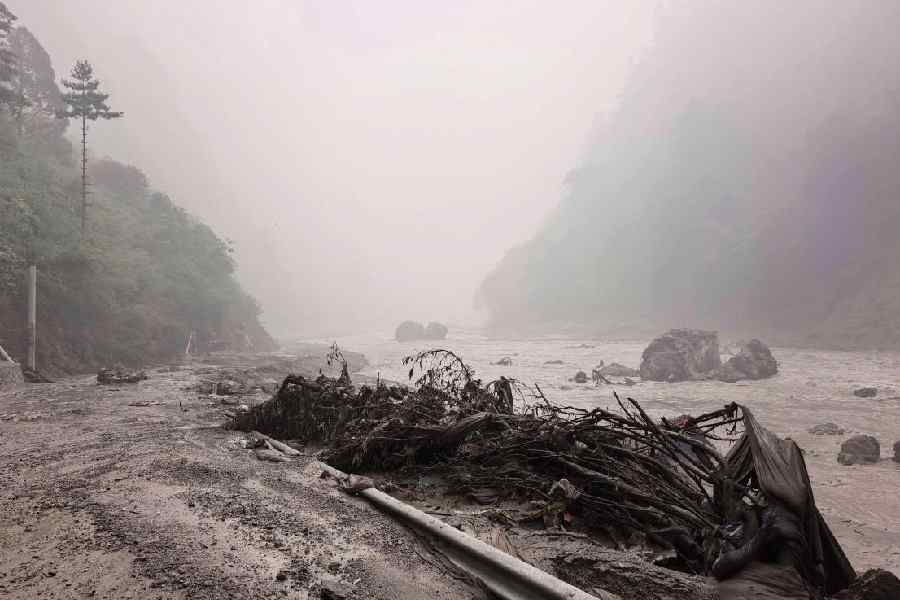
Flooding in Tibet Leaves Hundreds Missing Near Nepal Border
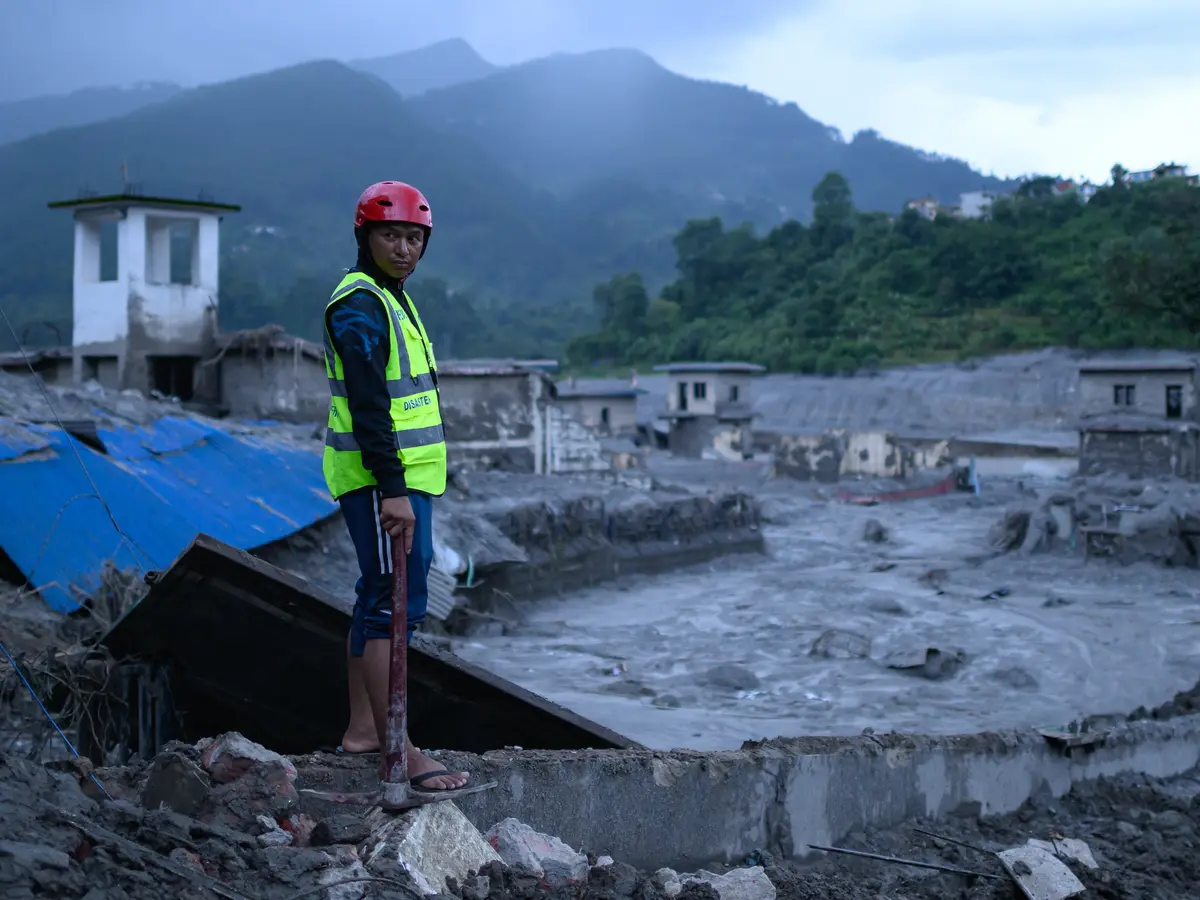
Nepal-Tibet Flood Death Toll Reaches 691
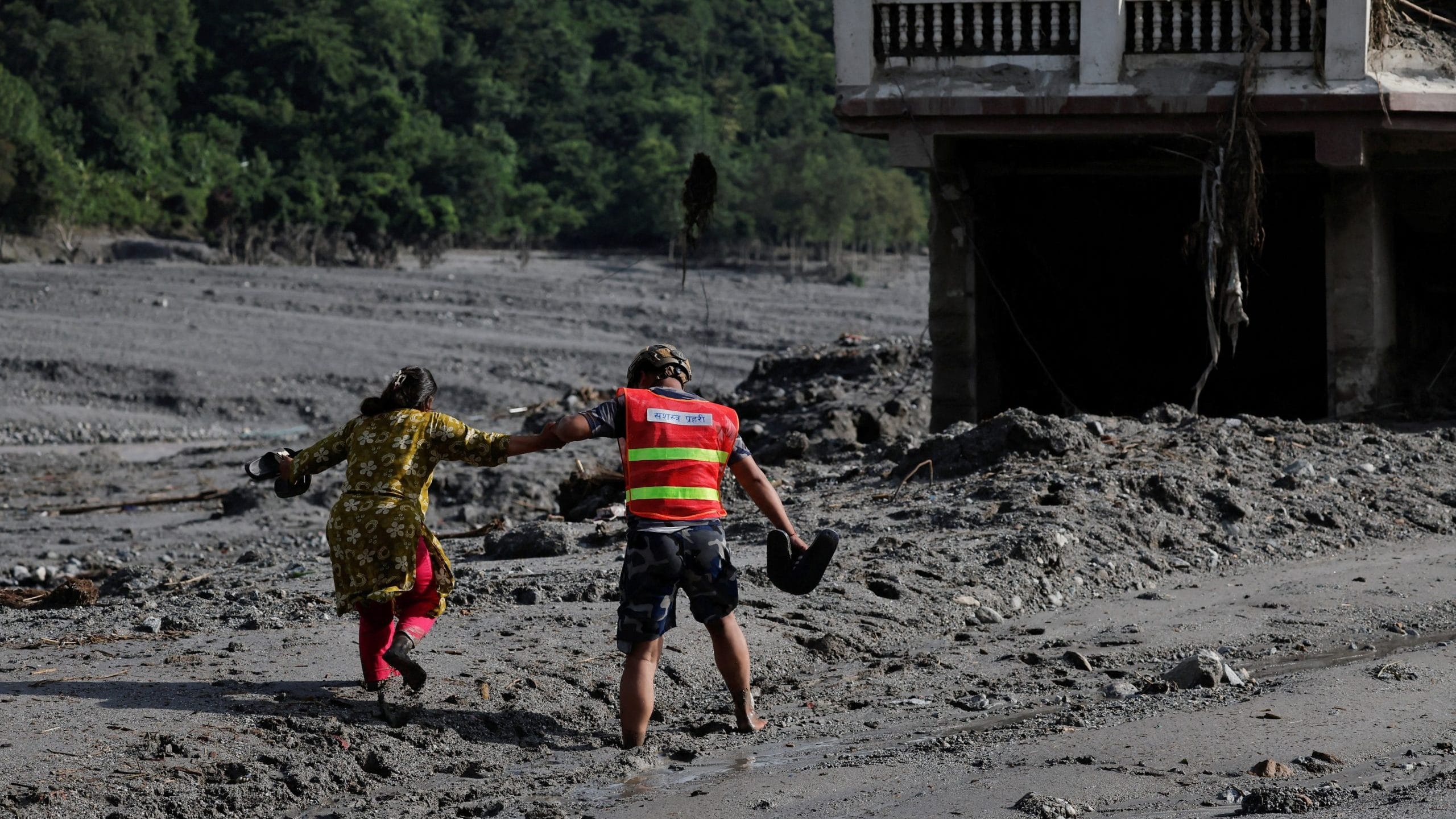
Nepal Flood Toll Rises as Rescue Teams Face More Flooding

Nepal Thanks India as Glacial Disaster Rescue Efforts Continue
Nepal Warns of Heavy Rain After Deadly Floods
Nepal Flood Exposes Delayed Alerts and Cross-Border Warning Gaps
Bhotekoshi Flood Crisis: Nepal PM Shah Calls for Courage

Nepal PM Thanks India, China Amid Climate Compensation Demand