

2 weeks ago
Partition and poverty: the fractured India British left behind
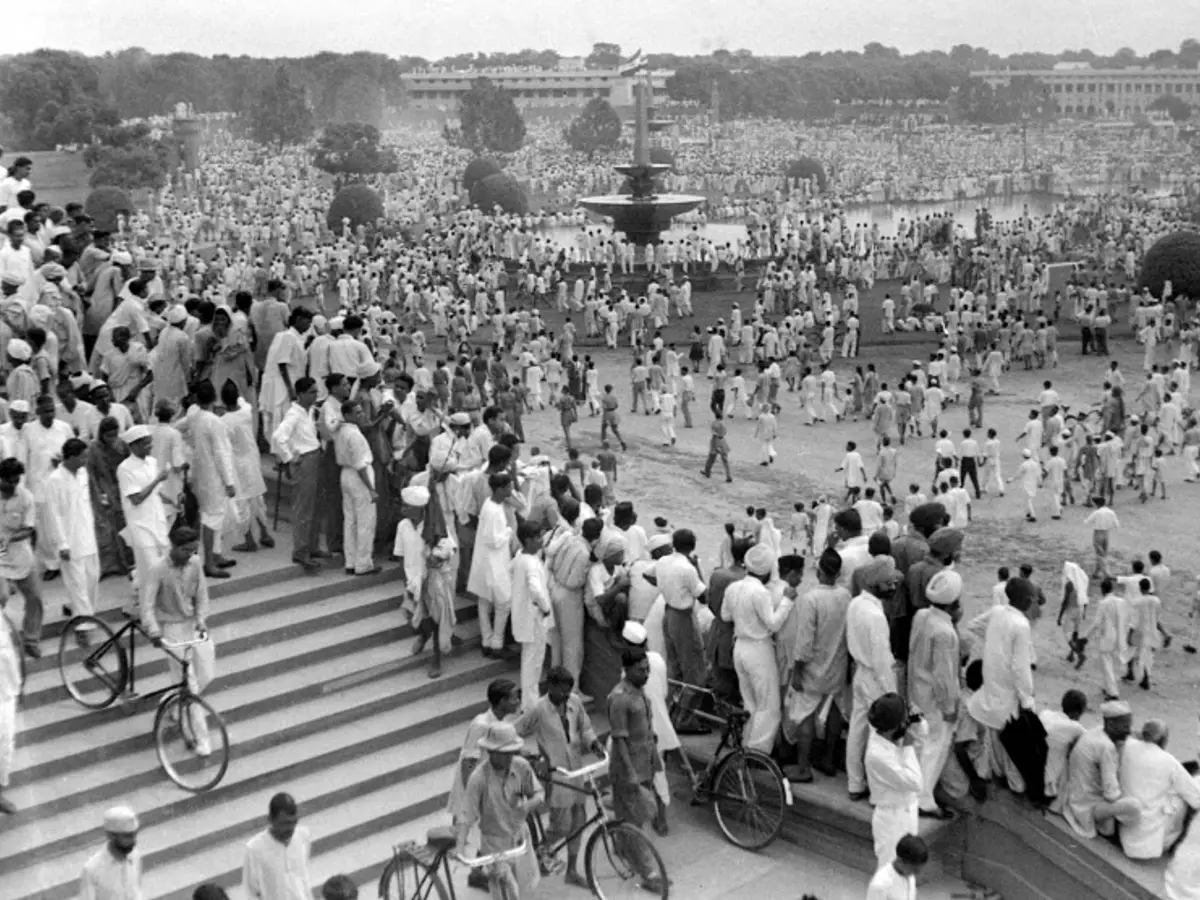
India's Independence Day marks the day the country became free from British rule, and this year is the 80th celebration.
But when freedom came, the country had many very big problems.
Millions of people had to leave their homes and move between India and Pakistan.
Many people were hurt or lost their lives during this time, which is called the Partition.
The country was also very poor, and most people did not have enough food or money.
Most people could not read or write, especially girls and women.
The new leaders, like Sardar Patel, had to bring together hundreds of small kingdoms to form India.
Even small things like trains, roads, and offices had to be shared between India and Pakistan.
It took many years for India to recover from all these challenges.
Today, people remember how hard those early days were for the new nation.

India's independence from British rule was overshadowed by the human tragedy, economic crisis, and structural chaos that followed Partition.
An estimated 12 to 15 million people crossed the borders between India and Pakistan, with an estimated 500,000 to 1 million lives lost in the violence.
Between 70% and 80% of the population lived below the poverty line, and life expectancy was only around 32 years.
Over 500 princely states, including Hyderabad, Junagadh, and Jammu & Kashmir, had to choose between joining India, Pakistan, or remaining independent.
Literacy stood at only 12% to 15%, with female literacy below 8%, while caste hierarchies, untouchability, and gender inequality were deeply entrenched.
- Who
- The people of India, the new administration led by Home Minister Sardar Vallabhbhai Patel and V. P. Menon, and millions of Partition refugees.
- What
- India achieved independence but inherited a fractured nation marked by Partition violence, economic crisis, territorial fragmentation, administrative gaps, and deep social inequalities.
- Where
- India and Pakistan, including refugee camps in Delhi, Kolkata, and Punjab.
- When
- At the time of independence from British rule, commemorated on India's 80th Independence Day.
- Why
- Because the sudden withdrawal of British rule left behind economic ruin, a refugee crisis, an underdeveloped administration, and entrenched social divisions.
Key facts
- Event
- 80th Independence Day of India
- Partition migrants
- Estimated 12 to 15 million people crossed borders between India and Pakistan
- Partition deaths
- Estimated 500,000 to 1 million lives lost
- Population below poverty line
- 70% to 80%
- Life expectancy
- Around 32 years
- Literacy rate
- 12% to 15% overall; female literacy below 8%
- Princely states
- Over 500 given the choice to join India, Pakistan, or remain independent
- Refugee camps
- Set up in Delhi, Kolkata, and Punjab
Sources
Related news
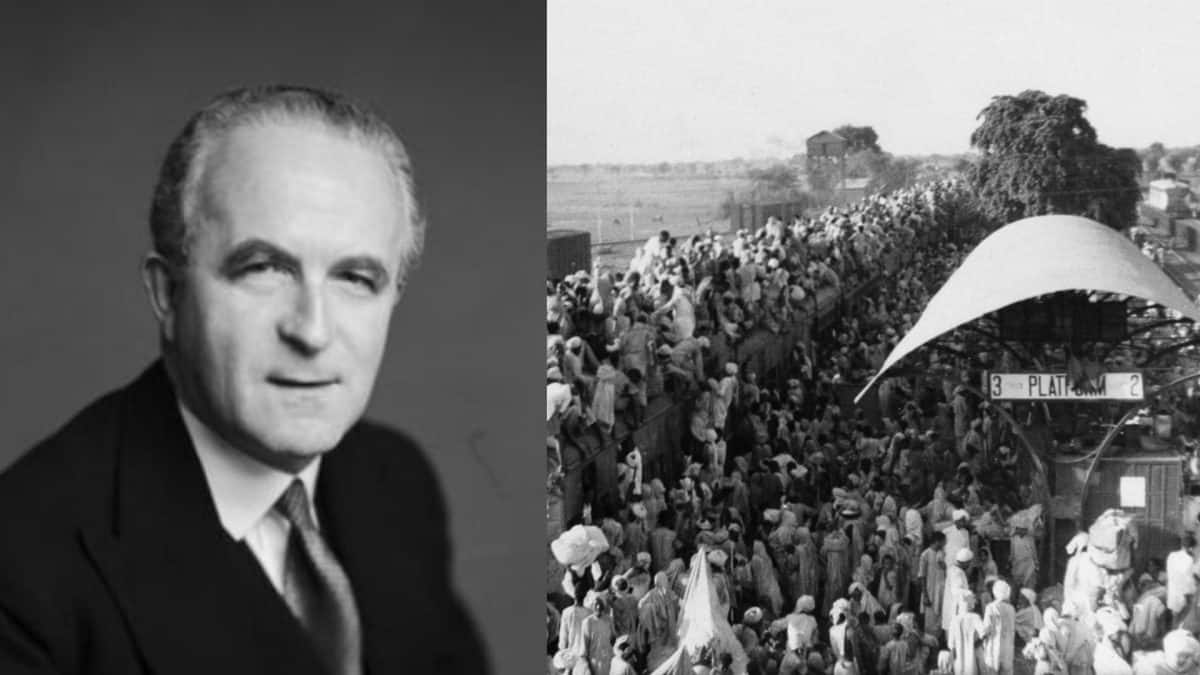
Radcliffe Line: How 1947 Partition Divided India, Pakistan
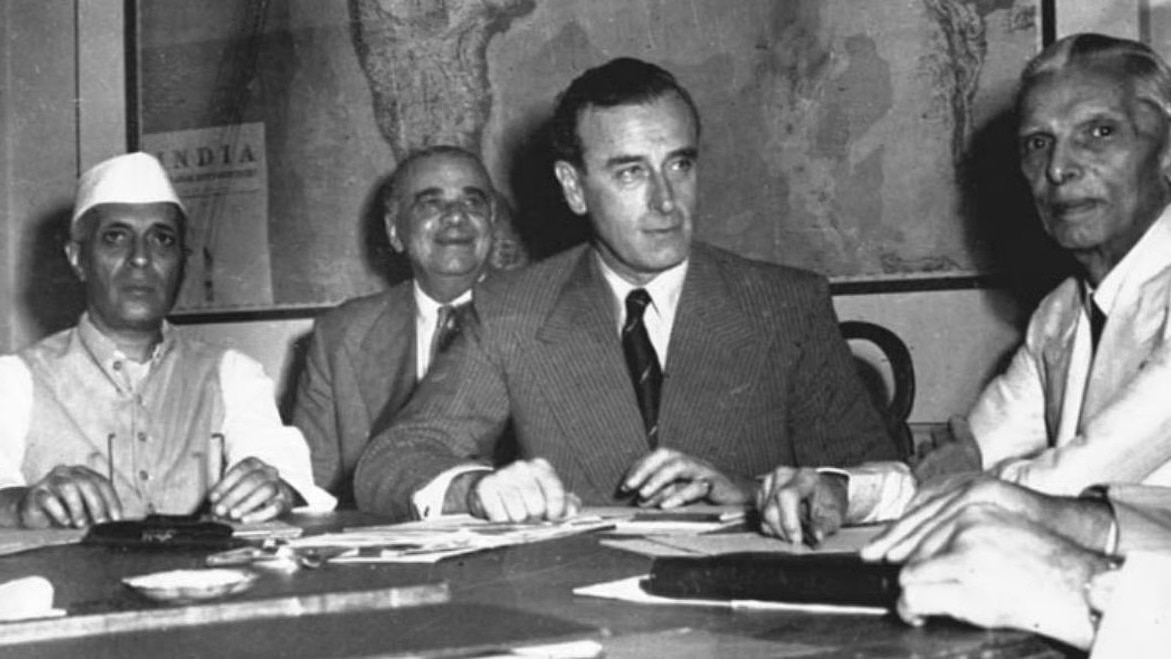
Cyril Radcliffe's five-week map carved India-Pakistan border, displacing millions

Odisha CM attributes Partition to British divide and rule

Divide and rule policy led to Partition: Majhi

Hardeep Singh Puri recalls parents' Partition scars on Remembrance Day
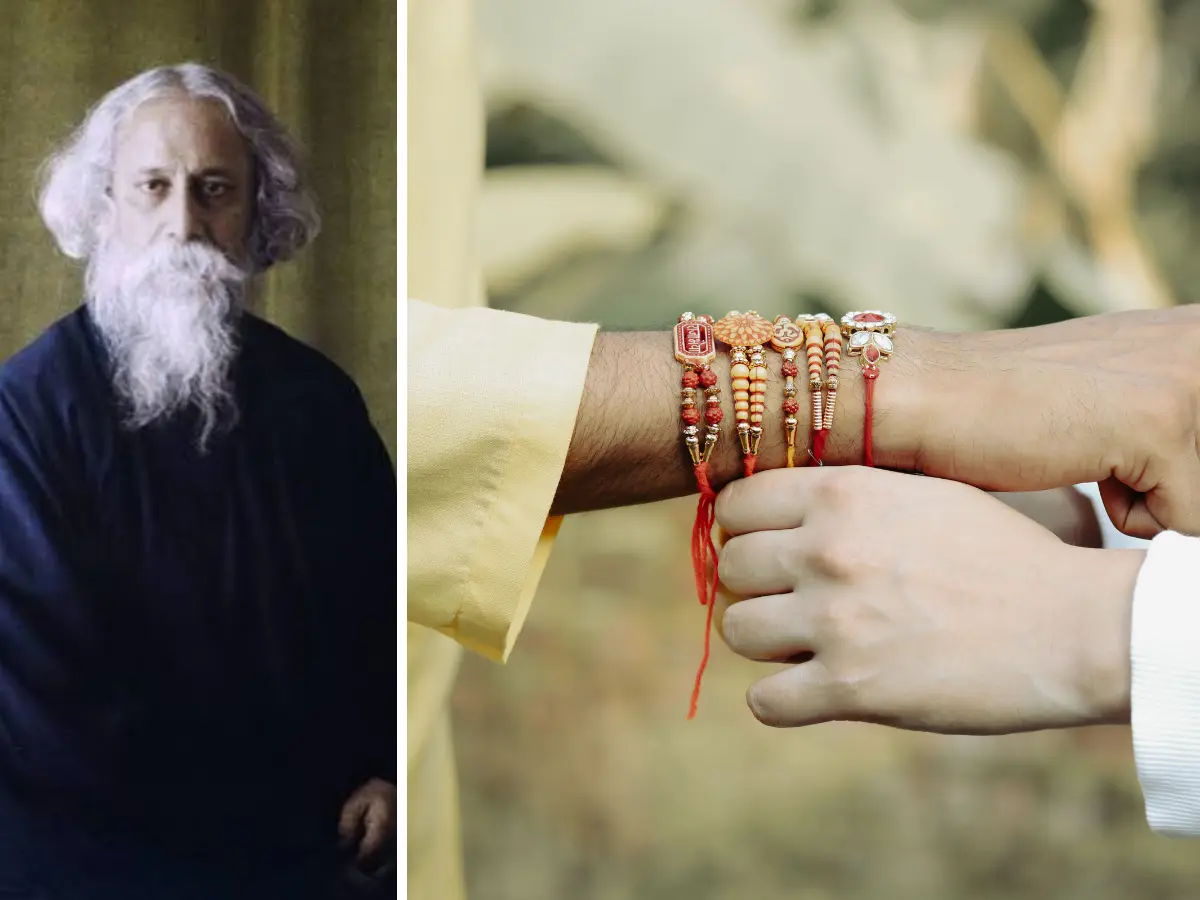
How Tagore Used Rakhi to Resist Bengal’s Partition

Quit India Movement paved way for Independence, Congress leader says
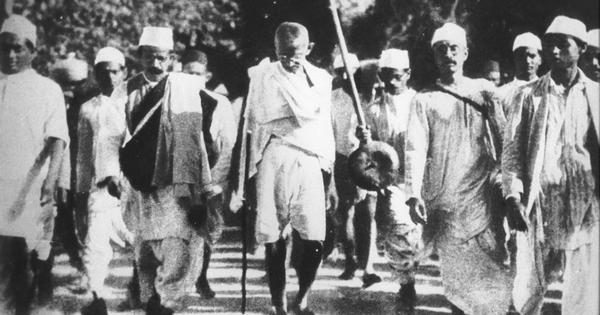
Independence Day fiction: Jailed satyagraha volunteer's family faces land seizure

Independence Day 2026: Freedom Fighter Quotes Continue to Inspire
