2 weeks ago
From Colonial Neglect, India Built a Healthcare System of Promise

Long ago, India was ruled by Britain.
During that time, hospitals were mostly built for British soldiers and officials, not for regular Indian people.
Most people who lived in villages had no doctors or hospitals nearby.
Many children and mothers died because there was no good healthcare.
In 1947, India became free, but the health system was very weak.
There were fewer than 50,000 doctors for 34 crore people.
Life was short, and many people got very sick from diseases like malaria and cholera.
After independence, Indian leaders used ideas from the Bhore Committee to build health centers in villages.
They also started a special program in 1953 to fight malaria.
Because of all that hard work, India slowly built a better health system, brick by brick.

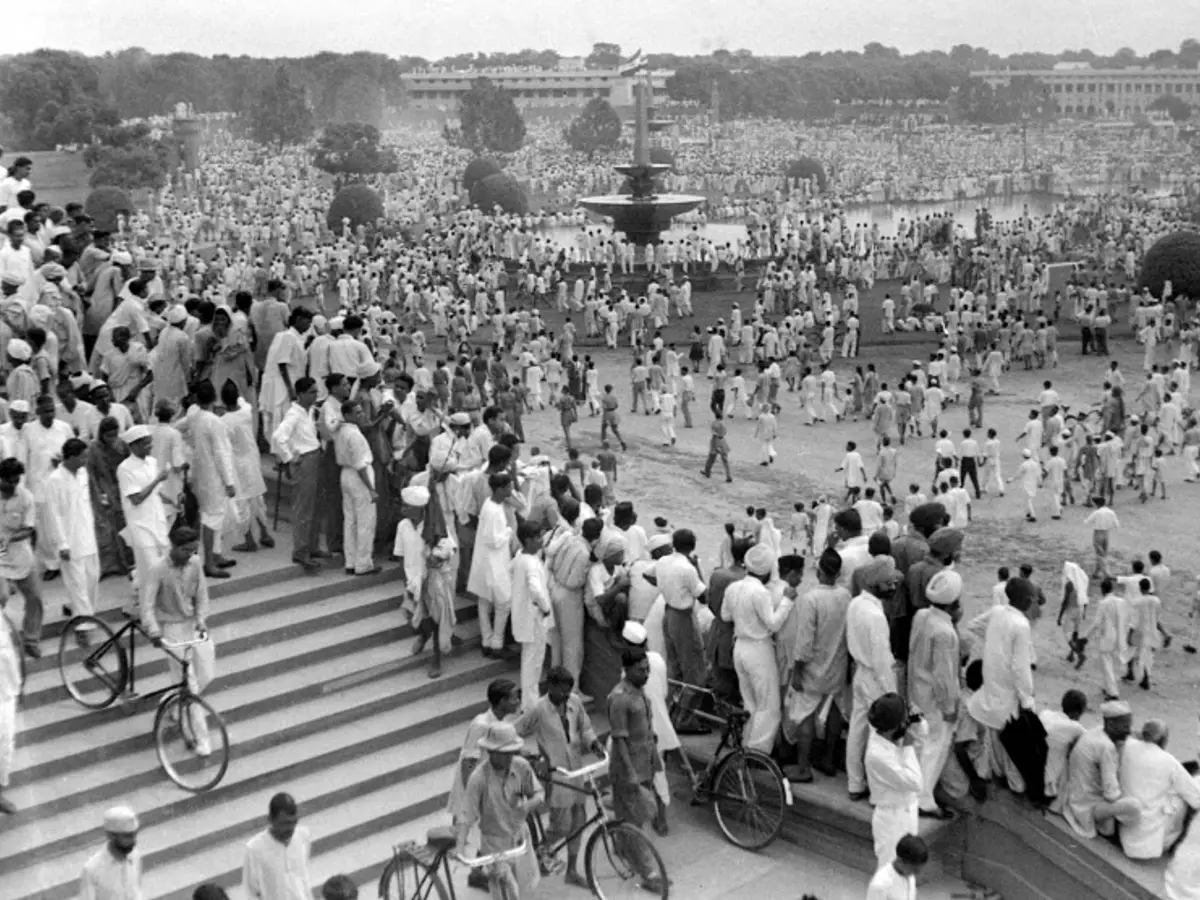
At independence in 1947, India inherited a weak and broken health system built mainly for British soldiers, officials, and trade interests.
Colonial health policies began in 1764 with a medical department for European troops, with facilities concentrated in Chennai, Kolkata, and Mumbai.
By early 1902, only about 2,500 hospitals existed and nearly 85 percent of rural people had no access to public healthcare.
At independence, life expectancy was about 27 to 32 years, one in five children died in infancy, and around 8 lakh people died annually from malaria.
The Bhore Committee's three-tier plan and programs such as the 1953 National Malaria Control Programme shaped post-independence healthcare.
- Who
- The British colonial authorities created healthcare mainly for their soldiers, officials, and business needs, while ordinary Indian people bore the brunt of neglect.
- What
- India at independence in 1947 inherited a weak and broken health system from British colonial rule, which the country has since worked to rebuild.
- Where
- India (referred to as Bharat), with colonial hospitals concentrated in Chennai, Kolkata, and Mumbai.
- When
- The article covers colonial health policy from 1764 up to independence on August 15, 1947, and reflects on the 79 years since.
- Why
- Colonial healthcare policies were primarily intended to protect British trade, the army, and the administration, leaving most Indians, especially rural masses, without access to care.
Key facts
- Independence Day
- August 15, 1947
- Start of colonial health policy
- 1764
- Hospitals by early 1902
- About 2,500
- Rural population without public healthcare
- Nearly 85 percent
- Population at independence
- 34 crore
- Doctors in the country
- Fewer than 50,000
- Life expectancy at independence
- Around 27 to 32 years
- Infant mortality
- One in every five children born died
Sources
Related news

India's healthcare journey from scarcity to smart care
India's Health Battles and Wins Ahead of Independence Day 2026

From Custody To Care: India's Mental Health Evolution Since 1947

Government must ensure citizens' continuous access to medical care

Indian Doctors Urge Shift to Preventive, Early-Detection Healthcare
India's health insurance coverage climbs but hospitalisation costs rise

How Tagore Used Rakhi to Resist Bengal’s Partition

Quit India Movement paved way for Independence, Congress leader says
Independence Day fiction: Jailed satyagraha volunteer's family faces land seizure

Independence Day 2026: Freedom Fighter Quotes Continue to Inspire