2 weeks ago
Independence Day fiction: Jailed satyagraha volunteer's family faces land seizure
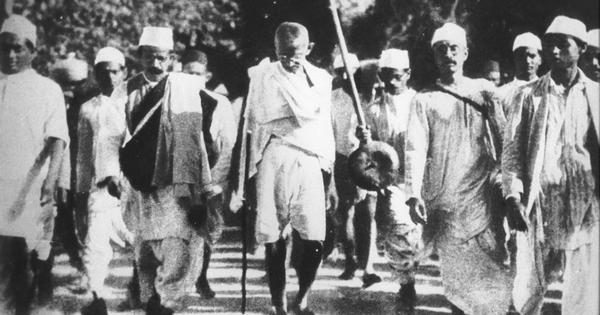
This is a story from long ago, when India was ruled by the British.
A woman named Kinjal Ben is very excited because her husband Jignesh is coming home from jail.
He was in jail for five months because he joined peaceful protests against unfair taxes.
Jignesh had helped farmers who were losing their land and cows to British officers.
The farmers followed the ideas of Mahatma Gandhi and Vallabhbhai Patel, who taught that protests should be peaceful.
But on the day he was meant to come home, the police said Jignesh had to stay in jail longer.
Then the family hears scary news: officers plan to take their land and even their houses.
So the family decides they must leave their village that very night.
Kinjal is sad, but the story shows how brave ordinary families were during India's freedom struggle.

Kinjal Ben eagerly prepares to welcome her husband Jignesh, jailed for five months for marching against the government's land grabbing and inflated agricultural taxes.
Under Vallabhbhai Patel's leadership, Jignesh organized farmers in Surat and Bardoli to protest unfair land revenue laws non-violently, following Mahatma Gandhi's principles.
Officials refused Jignesh's release because he let a herd of confiscated cattle graze earlier than usual.
The family learns that land and homes around Mahuva up to Tarkeshwar will be confiscated under land revenue rules until all dues are paid.
The men decide the family must vacate their village that night, before officials arrive to serve seizure notices the next day.
- Who
- Kinjal Ben, her husband Jignesh (a jailed satyagraha organizer), and the Parekh family of a Gujarat hamlet, along with leaders Vallabhbhai Patel and Mahatma Gandhi.
- What
- The family's hopes of welcoming Jignesh home are dashed when his release is refused, and they learn their land and homes face confiscation under land revenue rules.
- Where
- A hamlet near Mahuva in the Bardoli–Surat region of Gujarat, with references to Navsari and Tarkeshwar.
- When
- During British colonial rule, in a period of severe droughts and repeated crop failures in the Bardoli–Surat region; no specific date is given.
- Why
- Jignesh and fellow farmers protested unjust land revenue laws and heavy taxes, prompting official crackdowns, arrests, land confiscation and cattle seizure.
Non-violent protesters (satyagrahis)
British colonial government
Land revenue and taxes
Non-violent protesters (satyagrahis)
Peasants considered the land revenue laws irrational and taxes unfair, impossible to pay during droughts and crop failures.
British colonial government
The government treated unpaid dues as defaults and confiscated land and cattle to enforce the law.
Protest and arrests
Non-violent protesters (satyagrahis)
Protesters believed firm, non-violent resistance would force officials to change their unfair practices.
British colonial government
Officials viewed the marchers as rebels and cracked down with arrests, detaining Jignesh even when his release was due.
Facing confiscation
Non-violent protesters (satyagrahis)
Families planned to evacuate their village so officials could not serve court notices for seizing homes and farms.
British colonial government
Officials intended to confiscate land and property from Mahuva up to Tarkeshwar until all dues were paid.
Key facts
- Source book
- Warriors of Non-Violence: Stories of Freedom Fighters Who Chose Peace
- Author
- Ira Saxena
- Publisher
- HarperCollins India
- Setting
- Bardoli–Surat region, Gujarat, under British rule
- Jignesh's prison term
- Five months
- Reason release refused
- He let confiscated cattle graze earlier than usual
- Cause of protest
- Land grabbing, inflated agricultural taxes, and confiscation of land and cattle
- Protest philosophy
- Non-violent satyagraha inspired by Mahatma Gandhi and Vallabhbhai Patel
Quotes
Bapuji
Jignesh’s father-in-law, an elder of the village
“"He was detained because he let out the herd of confiscated cattle to graze earlier than usual."”
 scroll.in
“"They’ll be here tomorrow, so we have to leave tonight."”
scroll.in
Sources
Related news
Independence Day 2026: Spotlighting Lesser-Known Women Freedom Fighters
Ten years after Una flogging, victims seek funds for appeal

Gen Z Bhopal Celebrates 80th Independence Day With Slum Children
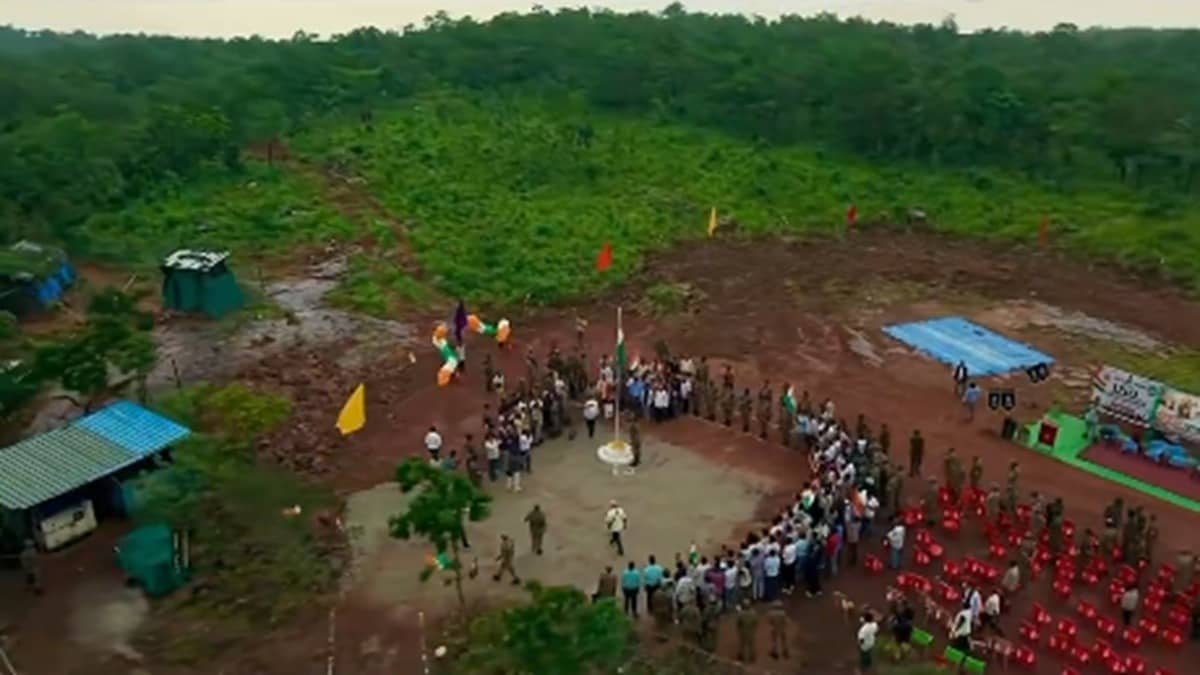
PM Modi Declares Naxalism Nearly Defeated as Bastar Hoists Tricolour

UP Governor Pays Tribute to Security Personnel Killed Fighting Naxalism
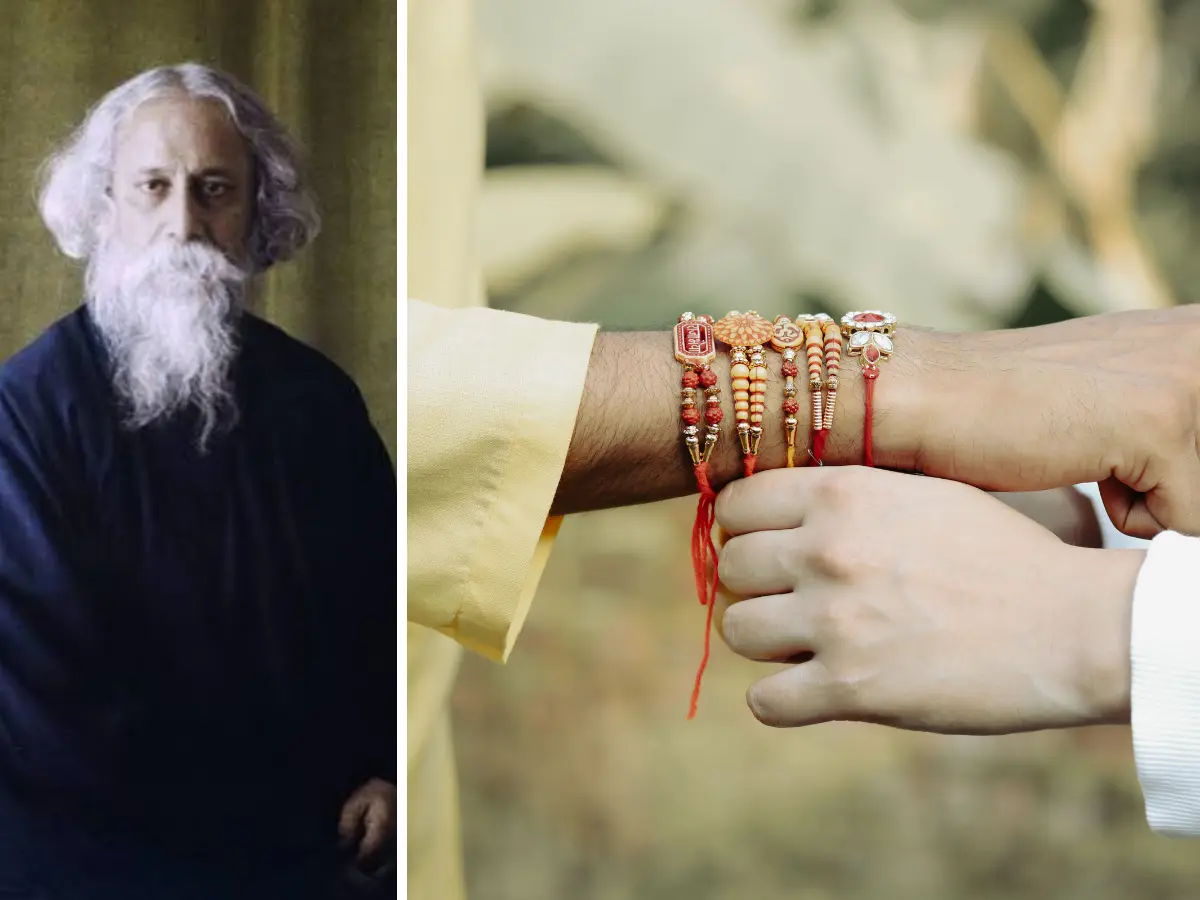
How Tagore Used Rakhi to Resist Bengal’s Partition

Quit India Movement paved way for Independence, Congress leader says

Independence Day 2026: Freedom Fighter Quotes Continue to Inspire

From Colonial Neglect, India Built a Healthcare System of Promise