2 weeks ago
Radcliffe Line: How 1947 Partition Divided India, Pakistan
Imagine one giant country where lots of different people lived together.
In 1947, leaders decided to split British India into two new countries: India and Pakistan.
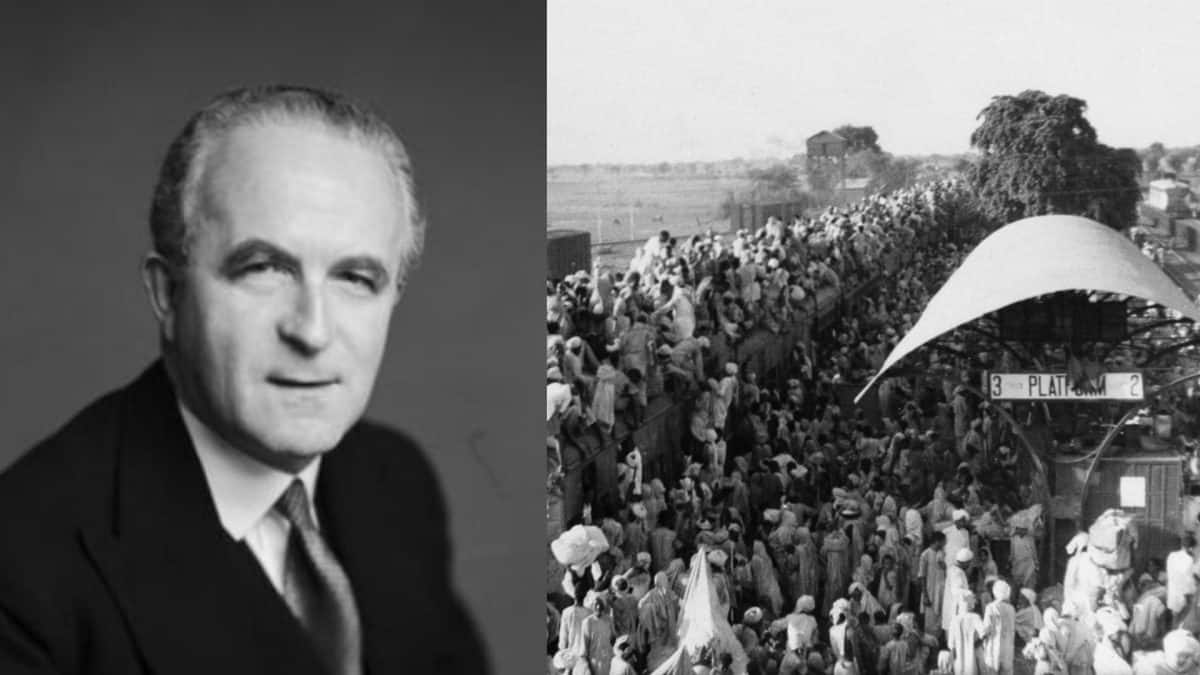
To draw the new border, they chose a British lawyer named Sir Cyril Radcliffe who had never even visited the region before.
He only had five weeks to decide where the line would go.
He used old maps and old census information, and he did not know the land or the people very well.
The new line cut through two big provinces, Punjab and Bengal, so many families suddenly found themselves on the other side of the border.
Millions of people had to move, and the journey was very dangerous, with many people hurt or killed along the way.
People on both sides were unhappy with parts of the border, and some of those arguments are still not fully settled today.

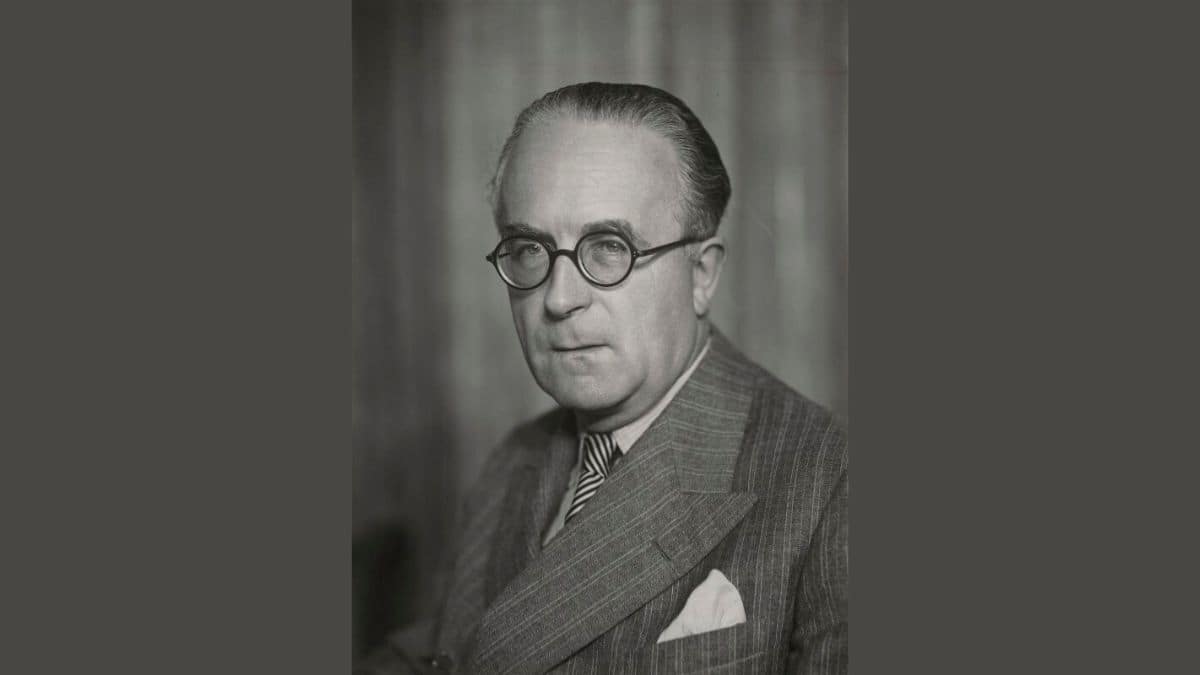
British lawyer Sir Cyril Radcliffe, who had 'never travelled east of Paris', was given only five weeks to draw the boundary dividing British India.
Radcliffe submitted the Punjab and Bengal Boundary Commission reports to Viceroy Lord Mountbatten on August 12, 1947, but the awards were kept private and published on August 17.
The subcontinent was divided into India, West Pakistan, and East Pakistan (present-day Bangladesh), with the provinces of Punjab and Bengal carved between the new nations.
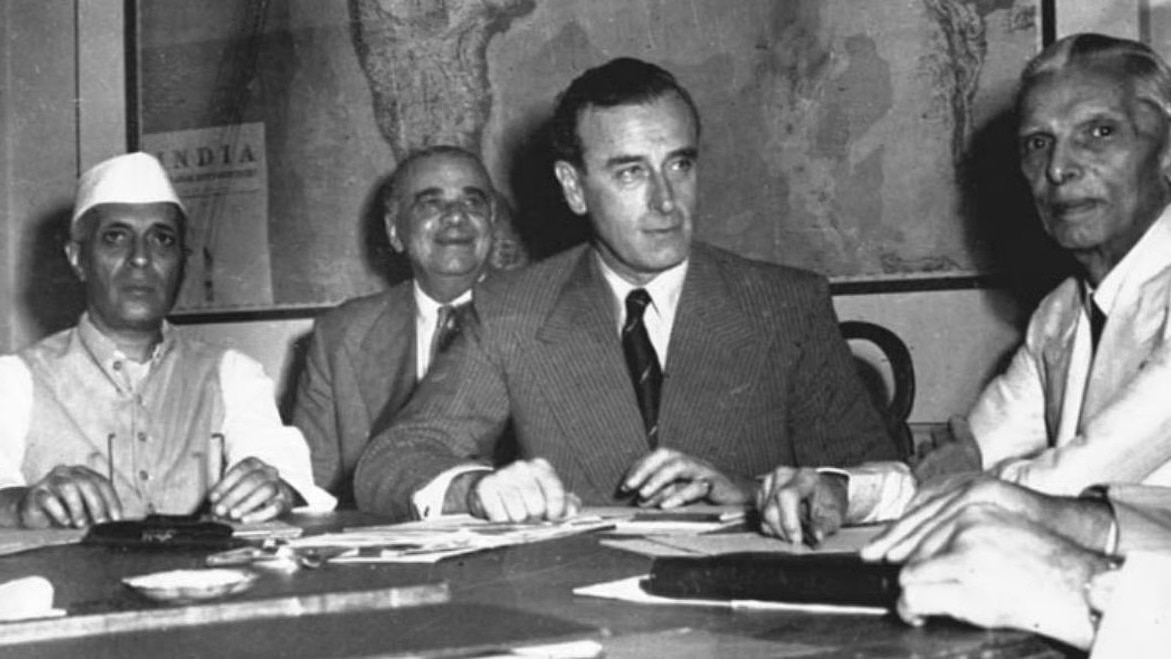
Indian Prime Minister Jawaharlal Nehru protested the allocation of the Chittagong Hill Tracts to Pakistan, while Pakistan objected to Muslim-majority Gurdaspur and Ferozepur going to India.
The Partition triggered violent mass migration, with historians estimating 200,000 to 2 million deaths and displacing at least 14 million people.
- Who
- Sir Cyril Radcliffe, chairman of the Punjab and Bengal Boundary Commissions, who submitted the awards to Viceroy Lord Mountbatten; the commissions also included members nominated by the Indian National Congress and the All India Muslim League.
- What
- The Radcliffe Line, the boundary that partitioned British India into India and Pakistan and divided the provinces of Punjab and Bengal.
- Where
- British India, specifically the provinces of Punjab and Bengal; the subcontinent was divided into India, West Pakistan, and East Pakistan (present-day Bangladesh).
- When
- Radcliffe arrived in India on July 8, 1947; he submitted his reports on August 12, 1947, and the awards were published on August 17, 1947.
- Why
- To partition the subcontinent, granting contiguous Muslim-majority districts to Pakistan while taking 'other factors' into account; the haste and vague criteria made the award deeply controversial.
Indian Perspective
Pakistani Perspective
Chittagong Hill Tracts
Indian Perspective
Prime Minister Jawaharlal Nehru protested the allocation of the Chittagong Hill Tracts to Pakistan, arguing that its population was 97 per cent Buddhist and Hindu and that Radcliffe 'had no business to touch them.'
Pakistani Perspective
The Chittagong Hill Tracts were awarded to Pakistan under the Radcliffe Award, and both sides were dissatisfied with the award overall.
Gurdaspur and Ferozepur
Indian Perspective
The Muslim-majority districts of Gurdaspur and Ferozepur were included within India under the Radcliffe Award.
Pakistani Perspective
The Pakistani side argued that Gurdaspur and Ferozepur, both Muslim-majority regions, should have been awarded to Pakistan rather than India.
Key facts
- Boundary line
- Radcliffe Line
- Boundary Commission chairman
- Sir Cyril Radcliffe
- Reports submitted
- August 12, 1947
- Awards published
- August 17, 1947
- Provinces divided
- Punjab and Bengal
- Nations created
- India, West Pakistan, and East Pakistan (present-day Bangladesh)
- People displaced
- At least 14 million
- Deaths during Partition
- Historians estimate 200,000 to 2 million (one article cites at least 1 million)
Quotes
Pandit Jawaharlal Nehru
First Prime Minister of independent India
“I had no alternative; the time at my disposal was so short that I could not do a better job.”
 firstpost.com
““Sir Cyril Radcliffe had no business to touch them.””
firstpost.com
Sources
Related news
Cyril Radcliffe's five-week map carved India-Pakistan border, displacing millions
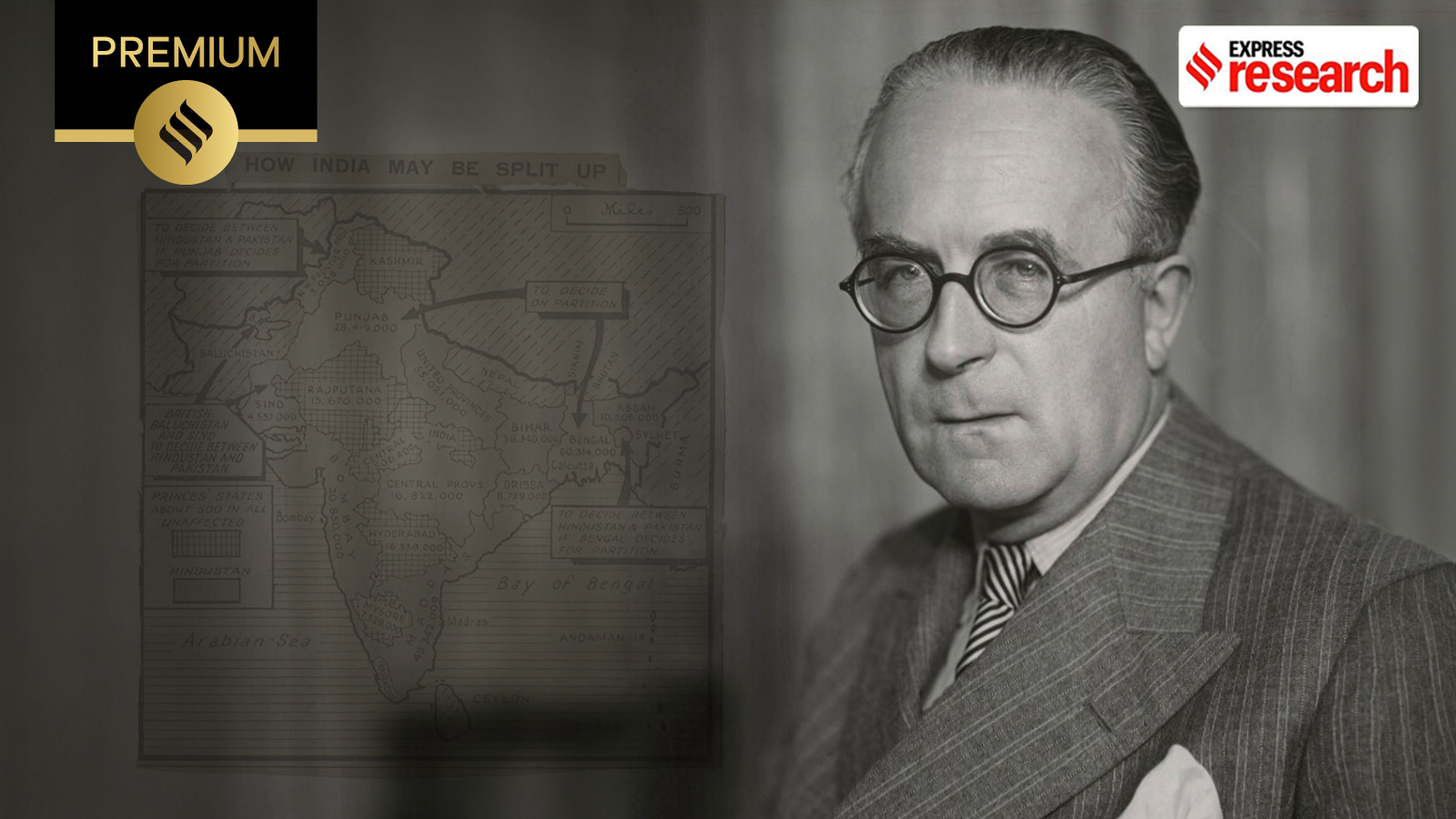
Sir Cyril Radcliffe: The Man Who Drew India-Pakistan Borders
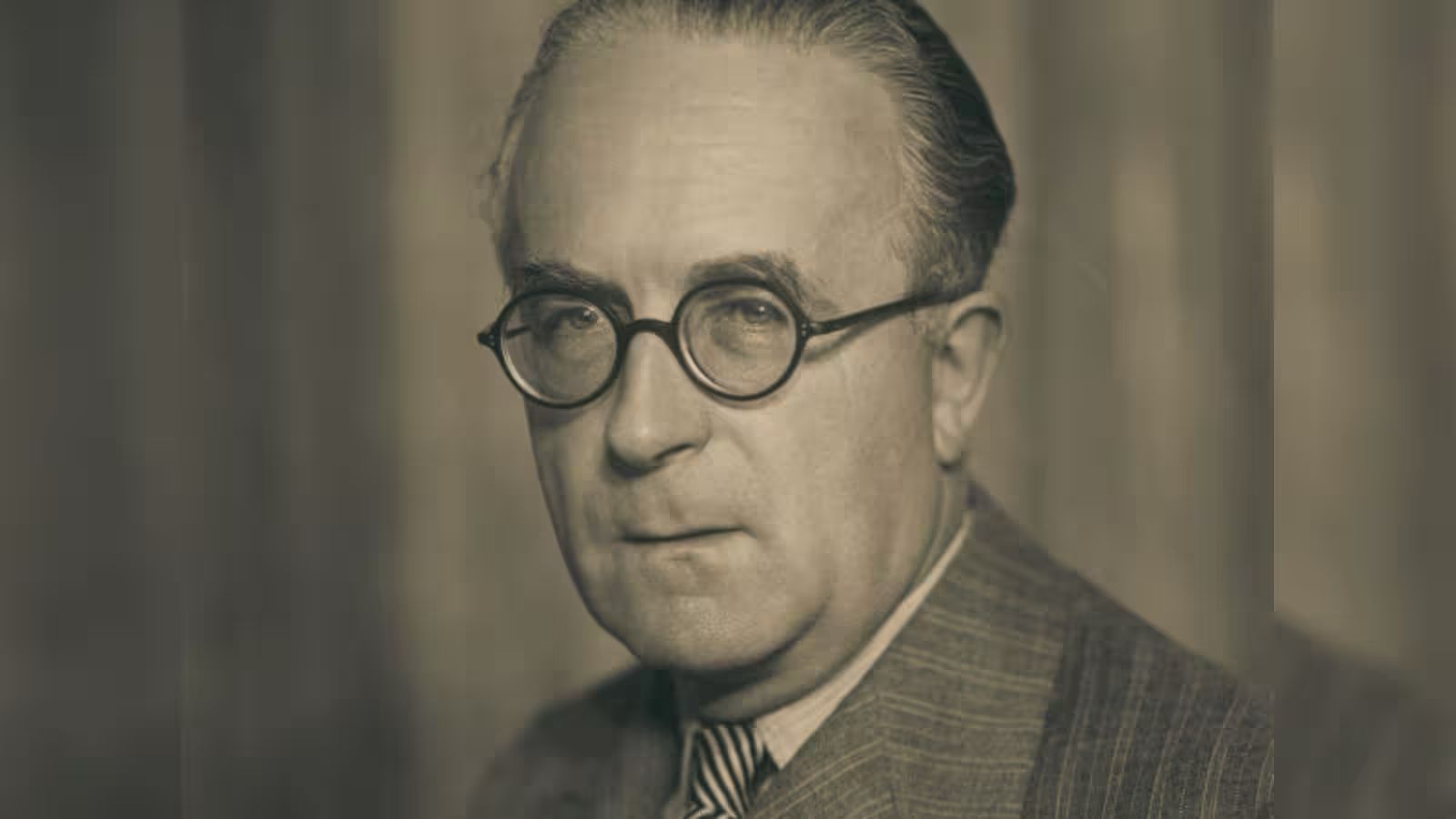
The Man Who Drew the India-Pakistan Border Burnt His Papers

Why West Bengal marks Bharat Bhukti Dibas on August 18
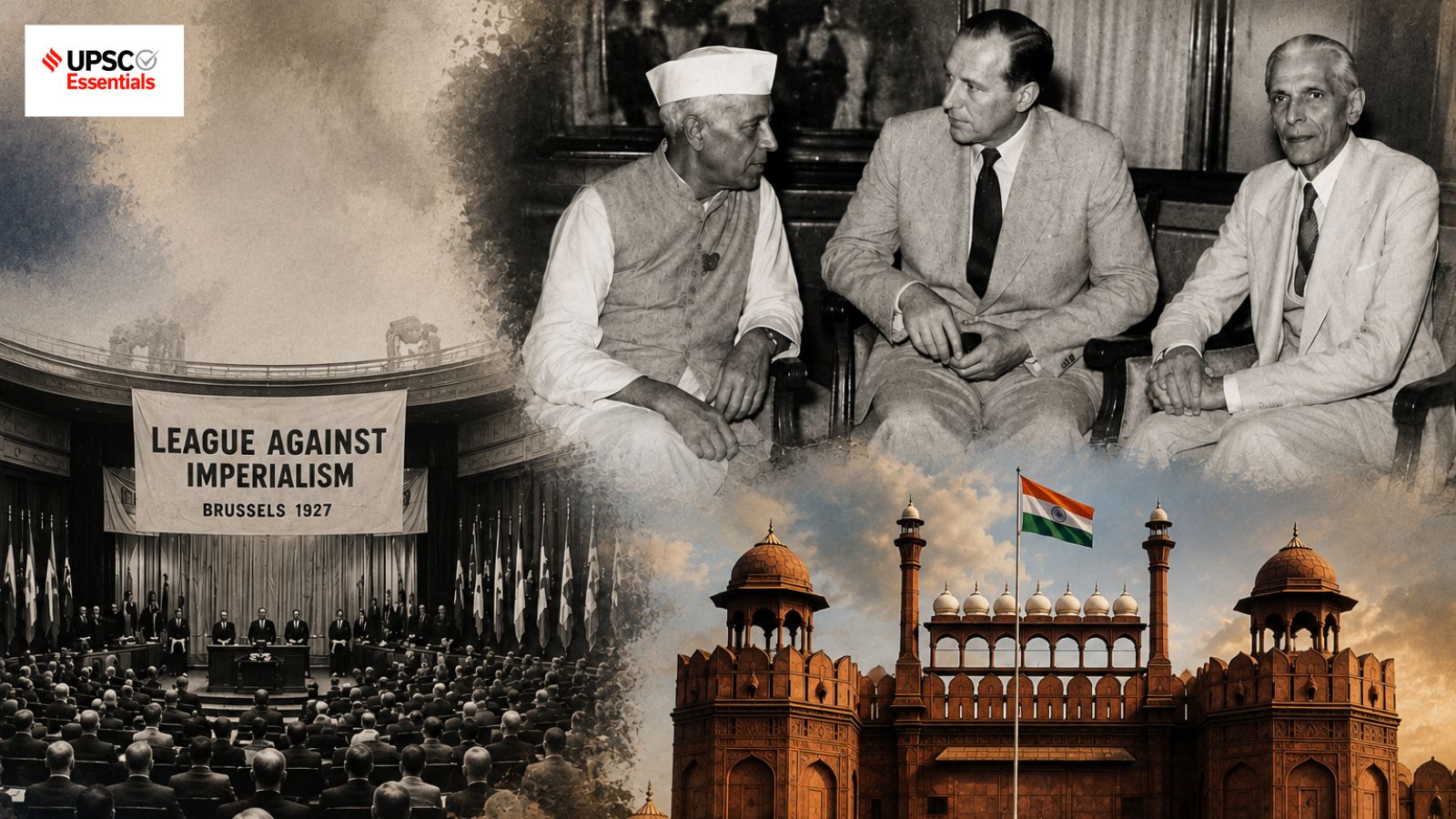
UPSC Daily History Quiz Tests Knowledge of India's Past
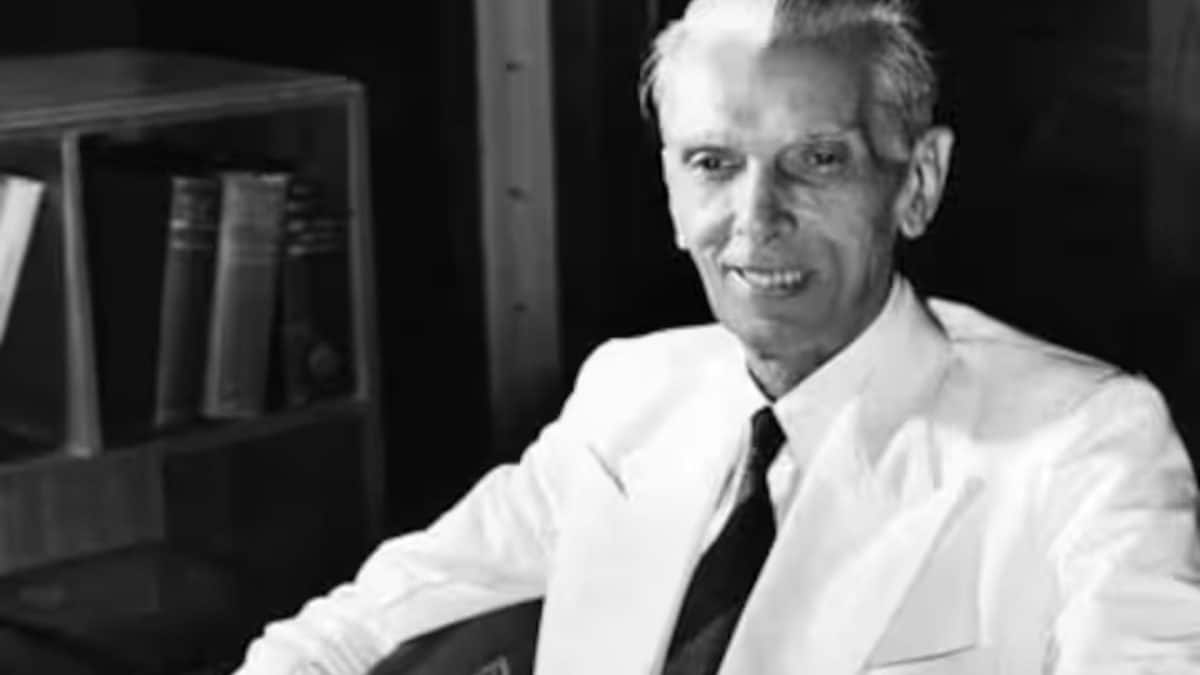
Jinnah's reported despair over Partition: 'What have I done?'

India’s Record Wheat Harvest Opens $1.5 Billion Export Window

West Bengal CM Crushes Nearly 2 Lakh Seized Syrup Bottles
India, Bangladesh Seek Deeper Parliamentary and People-to-People Ties
Bangladesh Radicalisation Raises Concerns About Security Spillover Into India

Bengaluru Police Transfer 31 Bangladeshi Nationals for Deportation