1 day ago
Nepal Floods Expose Need for Himalayan Transnational Cooperation
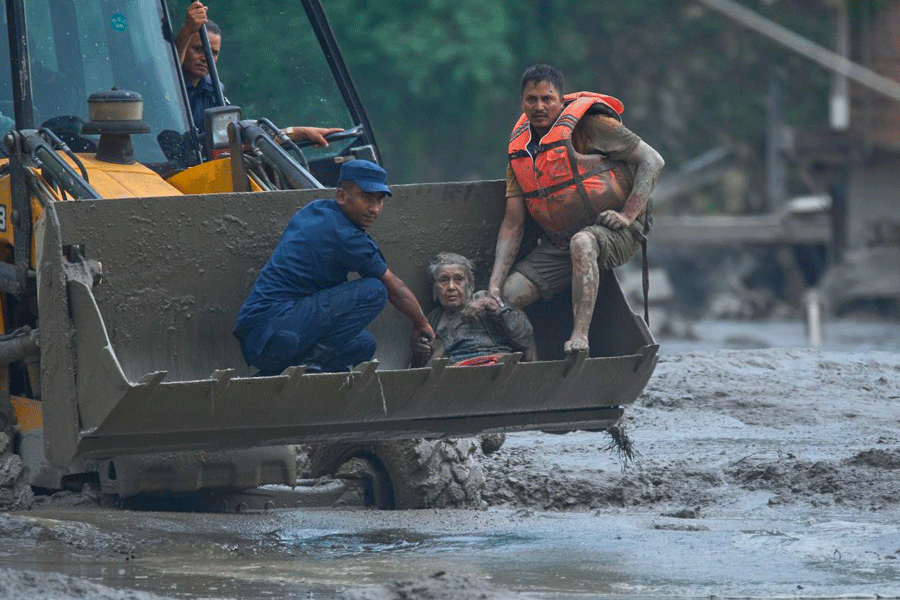
A huge flood caused by a glacier collapse badly damaged parts of Nepal.
More than 900 people have died, and many others are still missing.
Scientists believe this may have been a glacial lake outburst flood.
These floods can happen when water held behind ice or rocks suddenly escapes.
The Himalayas have thousands of glacial lakes, and hundreds may be dangerous.
Warmer climates, harmful construction and damage to nature can make these disasters worse.
Nepal and neighboring countries could work together to watch glaciers, rivers and mountains.
They could also share warnings and scientific information so people have more time to get safe.

Nepal’s flood disaster has killed more than 900 people, while thousands remain missing.
The devastation followed a glacial collapse that unleashed mud and sludge, possibly involving a glacial lake outburst flood.
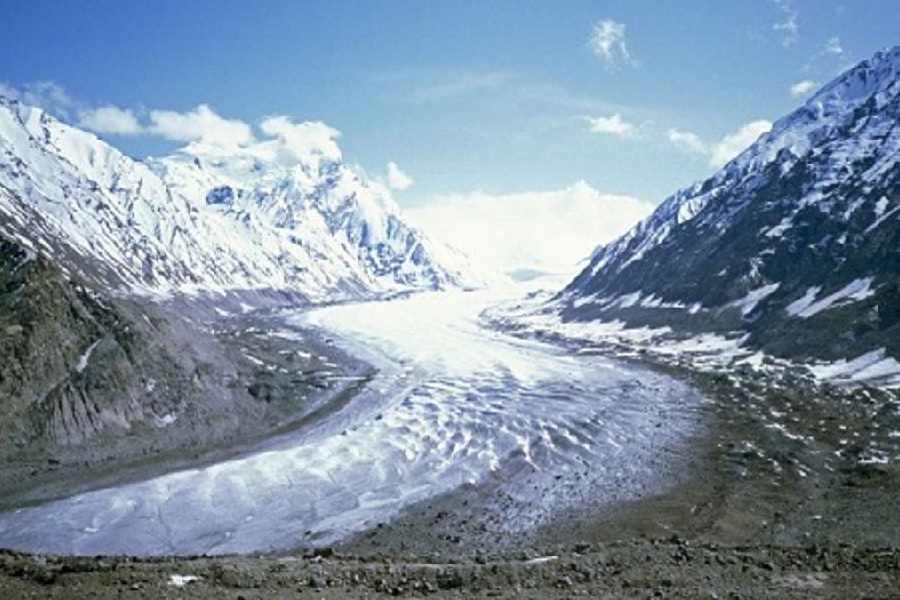
The Himalayas contain about 5,000 glacial lakes, including an estimated 500 considered hazardous.
The editorial links rising risks to climate change, extreme weather, high-altitude development, reckless tourism and ecological degradation.
It calls for cross-border monitoring, early-warning systems, shared data and joint scientific expeditions, despite India-China tensions.
- Who
- Nepal and other Himalayan countries, including India and China, are affected or identified as potential partners in addressing the risk.
- What
- A glacial collapse triggered a devastating mud-and-sludge flood in Nepal, prompting calls for transnational disaster cooperation.
- Where
- Nepal and the wider Himalayan and Hindu Kush-Himalayan region.
- When
- The article does not provide a specific date; it says the death toll continues to rise and that GLOF events have increased fivefold since 1950.
- Why
- The disaster is attributed to glacial risks worsened by climate change, extreme weather, high-altitude development, reckless tourism and ecological degradation.
Environmental Cooperation Advocates
Geostrategic Constraints
Cross-border disaster response
Environmental Cooperation Advocates
Environmental organisations and the editorial urge affected nations to create shared monitoring networks, exchange data and conduct joint scientific work.
Geostrategic Constraints
Diplomatic and strategic tensions, particularly between China and India, continue to obstruct deeper transboundary cooperation.
Information sharing
Environmental Cooperation Advocates
Real-time information about glaciers, rivers, slopes and valleys could help countries detect dangers and reduce losses.
Geostrategic Constraints
The article says China has been accused by Tibet of concealing the scale of the current catastrophe, highlighting concerns about transparency.
Key facts
- Reported deaths
- More than 900 people
- Missing people
- Thousands remain missing
- Himalayan glacier area
- About 48,000 square kilometres
- Glacial lakes
- Approximately 5,000 across the Himalayas
- Potentially hazardous lakes
- About 500
- GLOF trend
- Estimates suggest a fivefold rise in glacial lake outburst flood events after 1950
- Proposed measures
- Real-time monitoring, early-warning systems, data sharing and joint scientific expeditions
Sources
Related news
Glacial Floods Expose the Growing Himalayan Disaster Threat
Nepal Flood Catastrophe Signals Need for Himalayan Cooperation
Nepal Flood Disaster Spurs Calls for Himalayan Cooperation

Nepal Flood Warns of Rising Himalayan Glacier Disaster Risks
Himalayan Disaster Highlights Need for India-Nepal-China Climate Cooperation
Nepal Plans New Landslide Warning System Along China Border

Nepal Thanks India as Glacial Disaster Rescue Efforts Continue
Nepal Warns of Heavy Rain After Deadly Floods
Nepal Flood Exposes Delayed Alerts and Cross-Border Warning Gaps

Bhotekoshi Flood Crisis: Nepal PM Shah Calls for Courage