

6 days ago
Nepal Flash Flood Exposes South Asia’s Cross-Border Risks
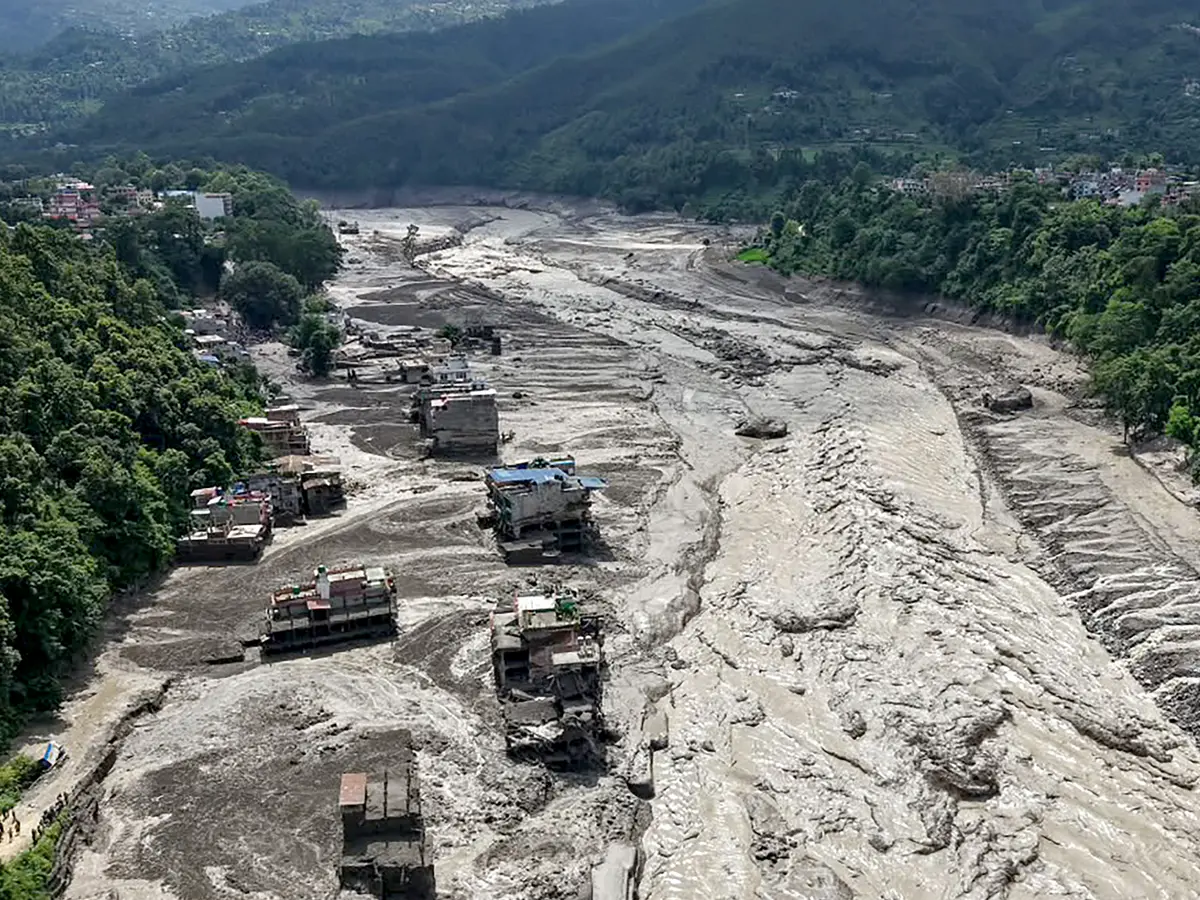
A very fast flood hit central Nepal on August 26.
More than 160 people were reported dead, and nearly 500 were still missing.
Scientists think falling ice and rocks from a high mountain may have helped start the flood, but they are still studying other possible causes.
The water rose many metres in only 30 minutes, so people had very little time to escape.
The flood damaged villages, roads, bridges and power projects.
Rivers from the Himalayas flow across countries, so a dangerous event in Nepal can threaten people in India too.
Warmer temperatures may be making glaciers and other frozen areas less stable, although climate change alone has not been blamed for this flood.
Experts say countries should share information and use satellites, sensors and warnings to help communities move to safety sooner.

More than 160 people were reported dead and nearly 500 missing after Nepal’s August 26 flash floods, including 133 Indians.
An ice-rock avalanche is considered a likely trigger, but scientists are also investigating seismic activity, glacial processes and temporary river blockages.
Water levels in the Trishuli River reportedly rose by nine metres in 30 minutes, leaving little time for communities to respond.
The floods damaged at least 19 bridges, about 40 kilometres of roads and hydropower infrastructure in Nepal.
Because Himalayan rivers cross borders, experts are calling for stronger data-sharing and early-warning cooperation among Nepal, India and China.
- Who
- More than 160 people were reported dead and nearly 500 missing; communities in Nepal and downstream areas of India were affected.
- What
- A flash flood swept through central Nepal, damaging settlements, roads, bridges and hydropower infrastructure.
- Where
- Central Nepal, including the Bhote Koshi and Trishuli river systems, with downstream concerns in Bihar and Uttar Pradesh, India.
- When
- August 26; water levels rose sharply within about 30 minutes.
- Why
- An ice-rock avalanche is considered the likely trigger, although scientists are also examining seismic activity, glacial processes and temporary river blockages.
Likely Natural Trigger
Cautious Scientific Interpretation
Cause of the flood
Likely Natural Trigger
Experts from the International Centre for Integrated Mountain Development say an ice-rock avalanche is the likely trigger, based on satellite information, videos and field reports.
Cautious Scientific Interpretation
Scientists have not established a single cause with absolute certainty and are also investigating seismic activity, glacial processes and temporary river blockages.
Role of climate change
Likely Natural Trigger
Warming, glacier retreat and changing glacial lakes are creating a more hazardous background in the Himalayas, according to the article’s discussion of regional risks.
Cautious Scientific Interpretation
It would be scientifically incorrect to say that climate change alone caused this particular flood, because mountain disasters can involve geology, earthquakes, rainfall, glacier instability and settlement patterns.
Disaster response
Likely Natural Trigger
The article supports a cross-border Himalayan Early Warning Network using shared satellite, seismic, weather and river data with rapid alerts to communities.
Cautious Scientific Interpretation
Current disaster-management systems remain largely national, and the article indicates that monitoring stations and communication systems can be damaged or unable to provide enough advance notice.
Key facts
- Reported deaths
- More than 160 people
- People missing
- Nearly 500, including 133 Indians
- Trishuli River rise
- Up to nine metres in 30 minutes at Galchchi
- Malekhu River rise
- About seven metres over a similar period
- Infrastructure damage
- At least 19 bridges and about 40 kilometres of roads in Nepal
- Likely trigger
- An ice-rock avalanche entering the Lende Khola, a tributary of the Bhote Koshi
- Countries urged to cooperate
- Nepal, India and China
Sources
Related news
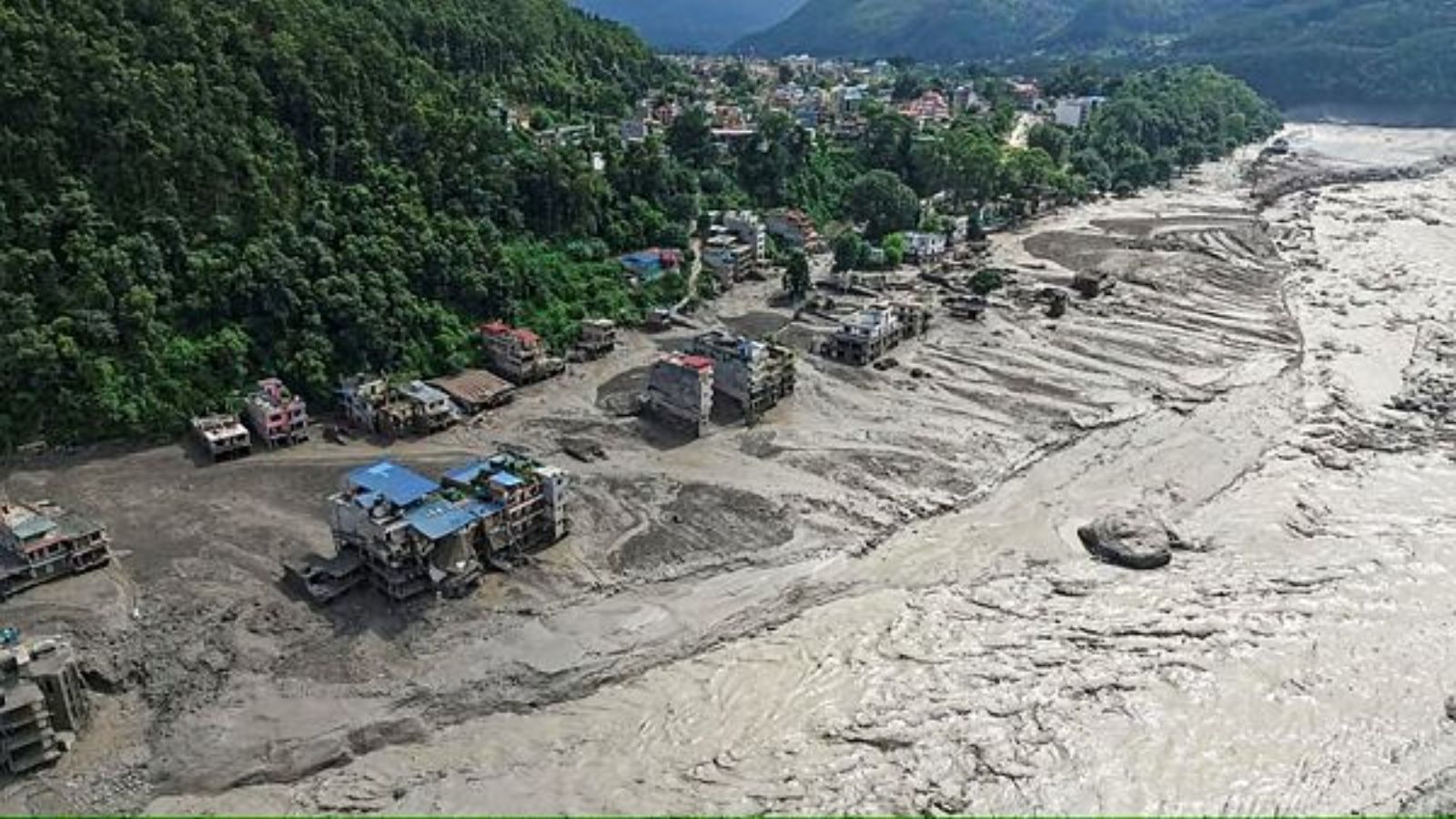
Scientists Suspect Ice-Rock Avalanche Triggered Deadly Nepal Floods
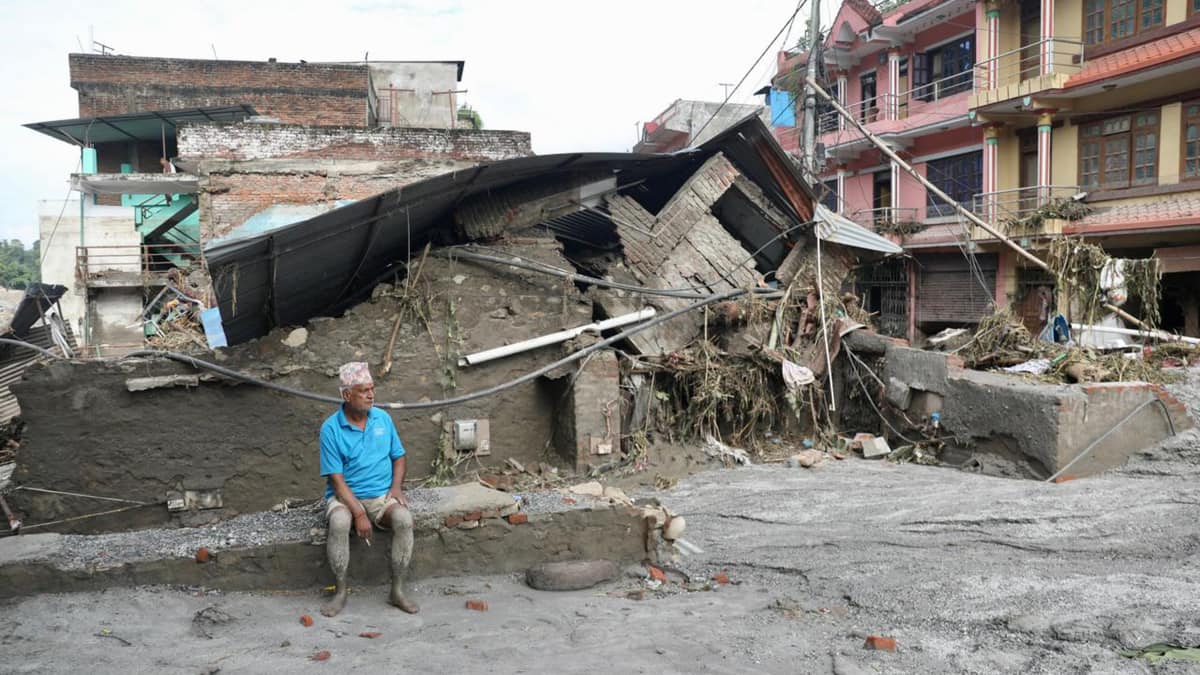
Nepal Flood Exposes Himalayan Cascading Hazard Risks
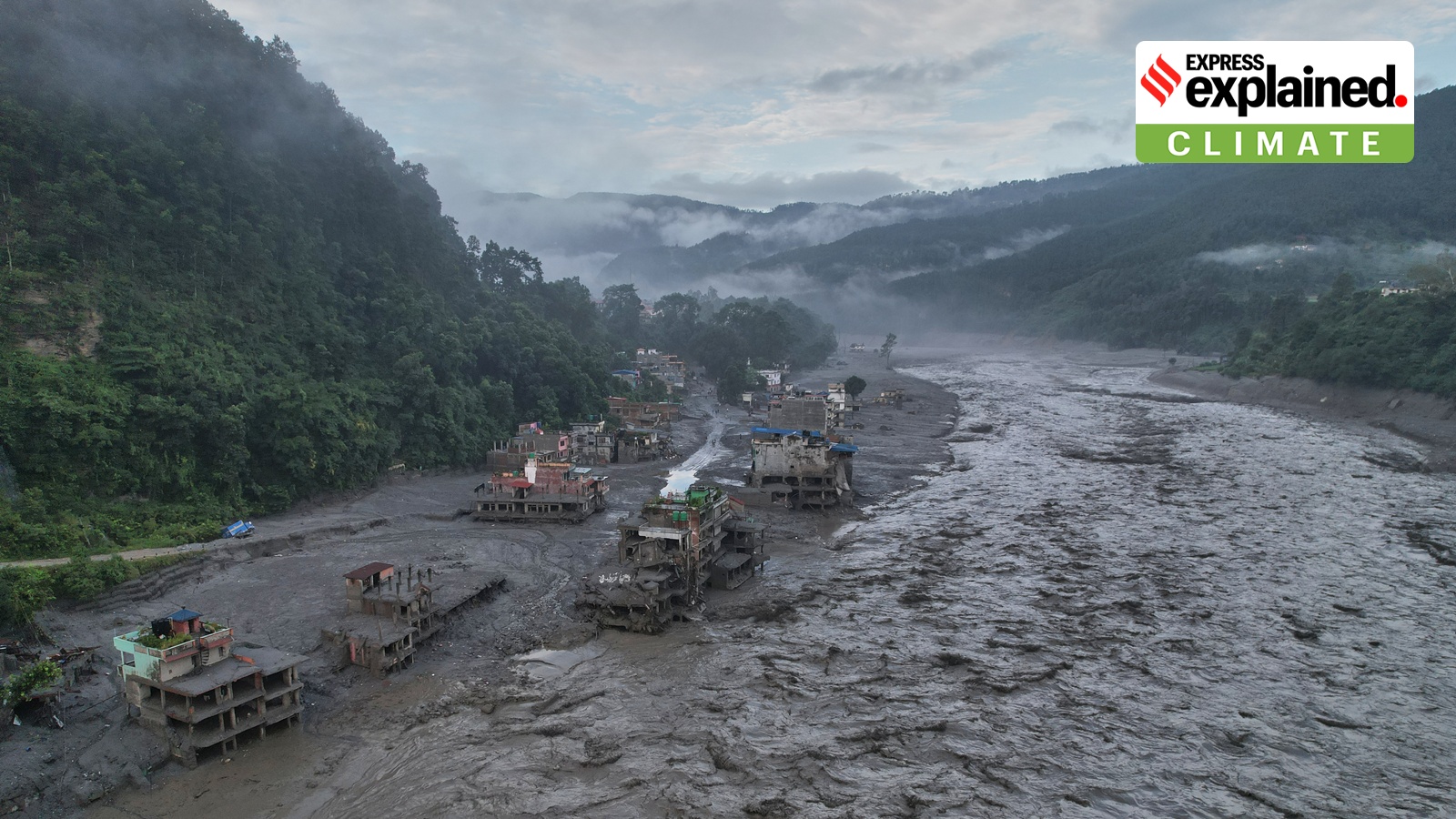
Nepal Flood Exposes Four Urgent Himalayan Disaster Lessons

Nepal Flood Warns of Rising Himalayan Glacier Disaster Risks
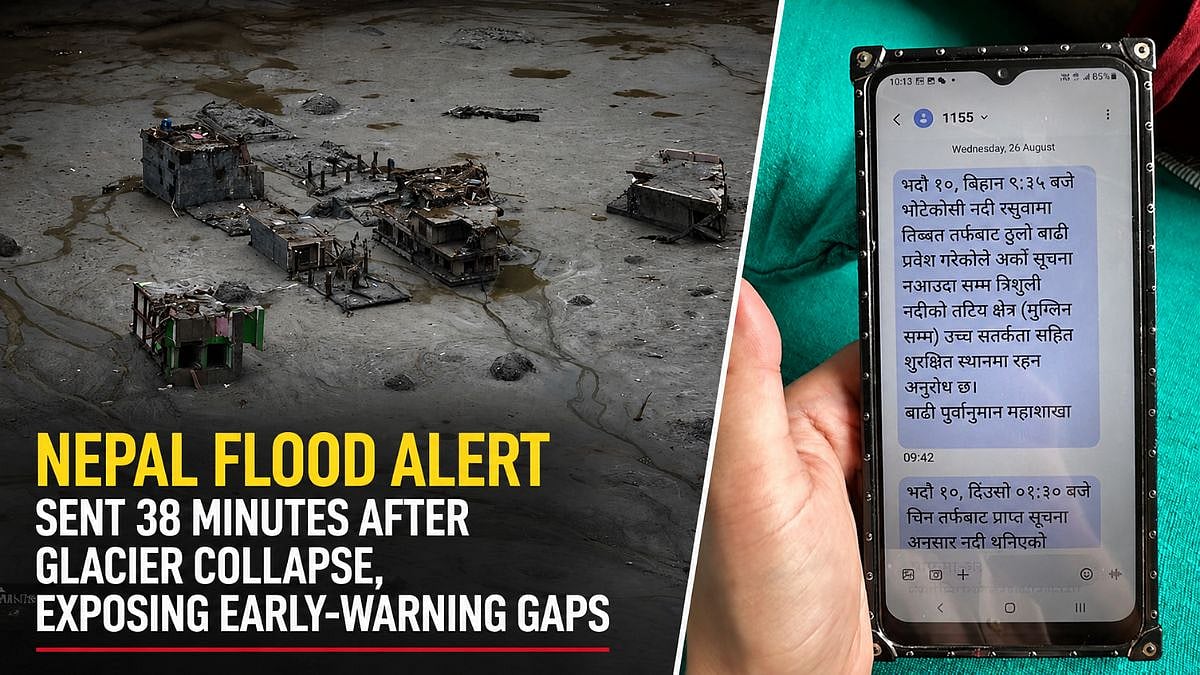
Nepal Flood Exposes Delayed Alerts and Cross-Border Warning Gaps

Nepal Thanks India as Glacial Disaster Rescue Efforts Continue
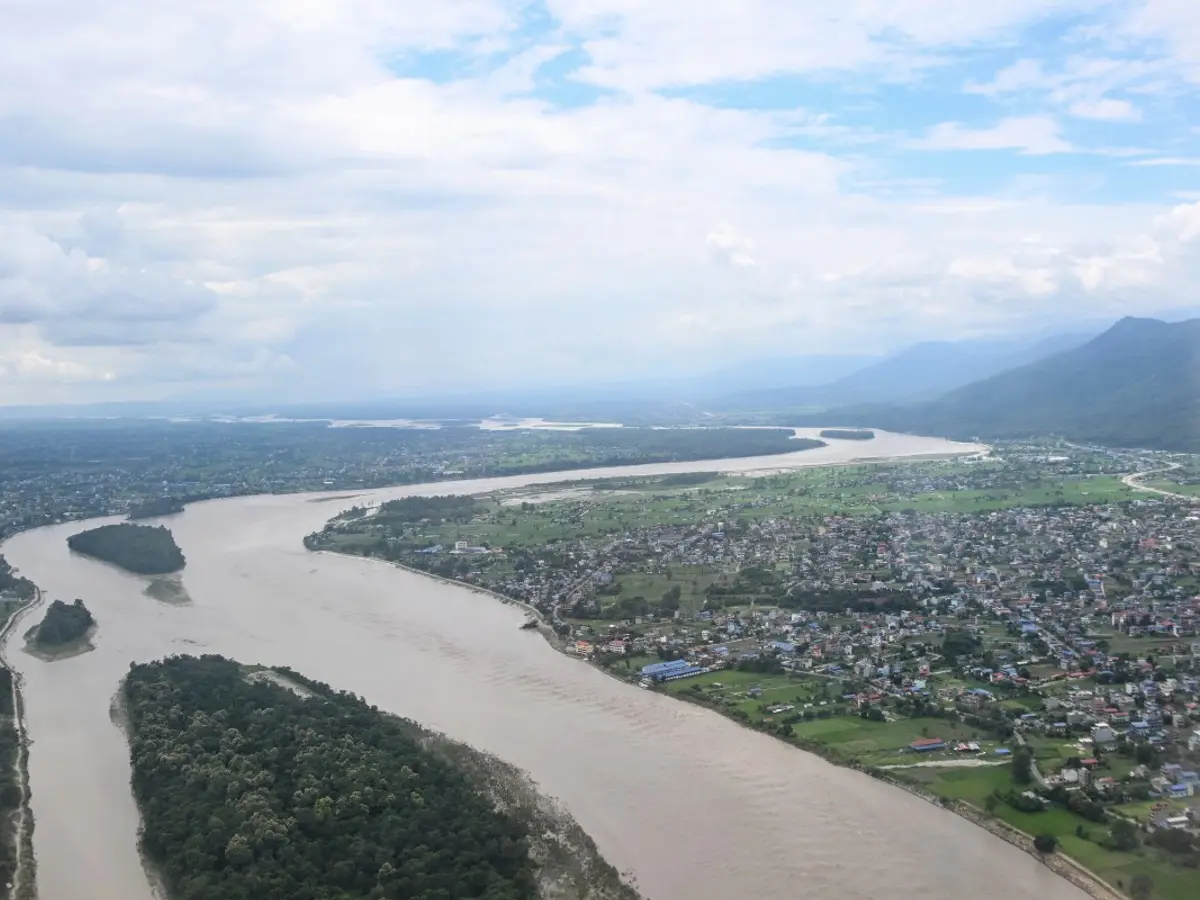
Nepal Warns of Heavy Rain After Deadly Floods
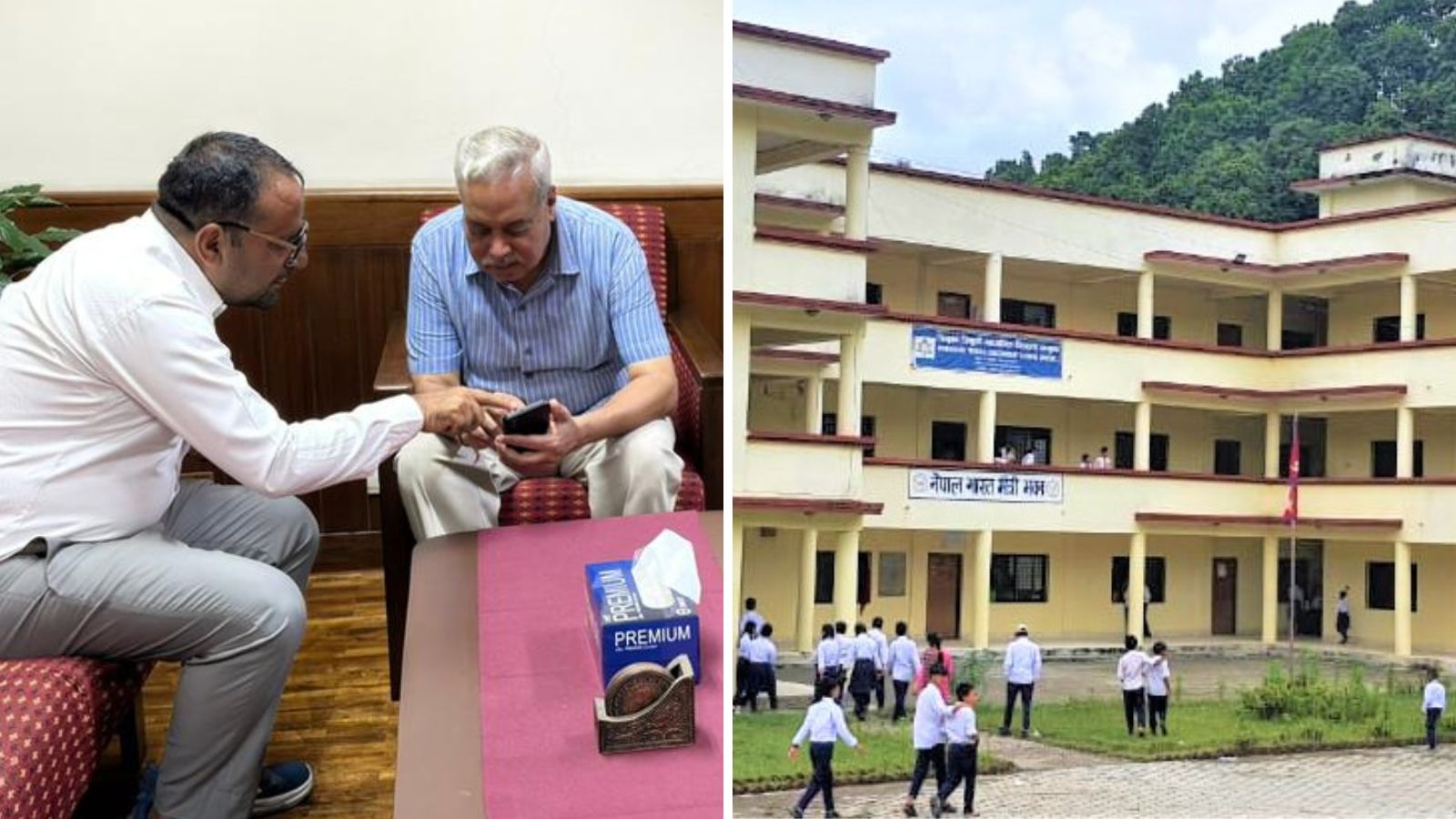
India to Rebuild Nepal School After Principal Saves 1,600
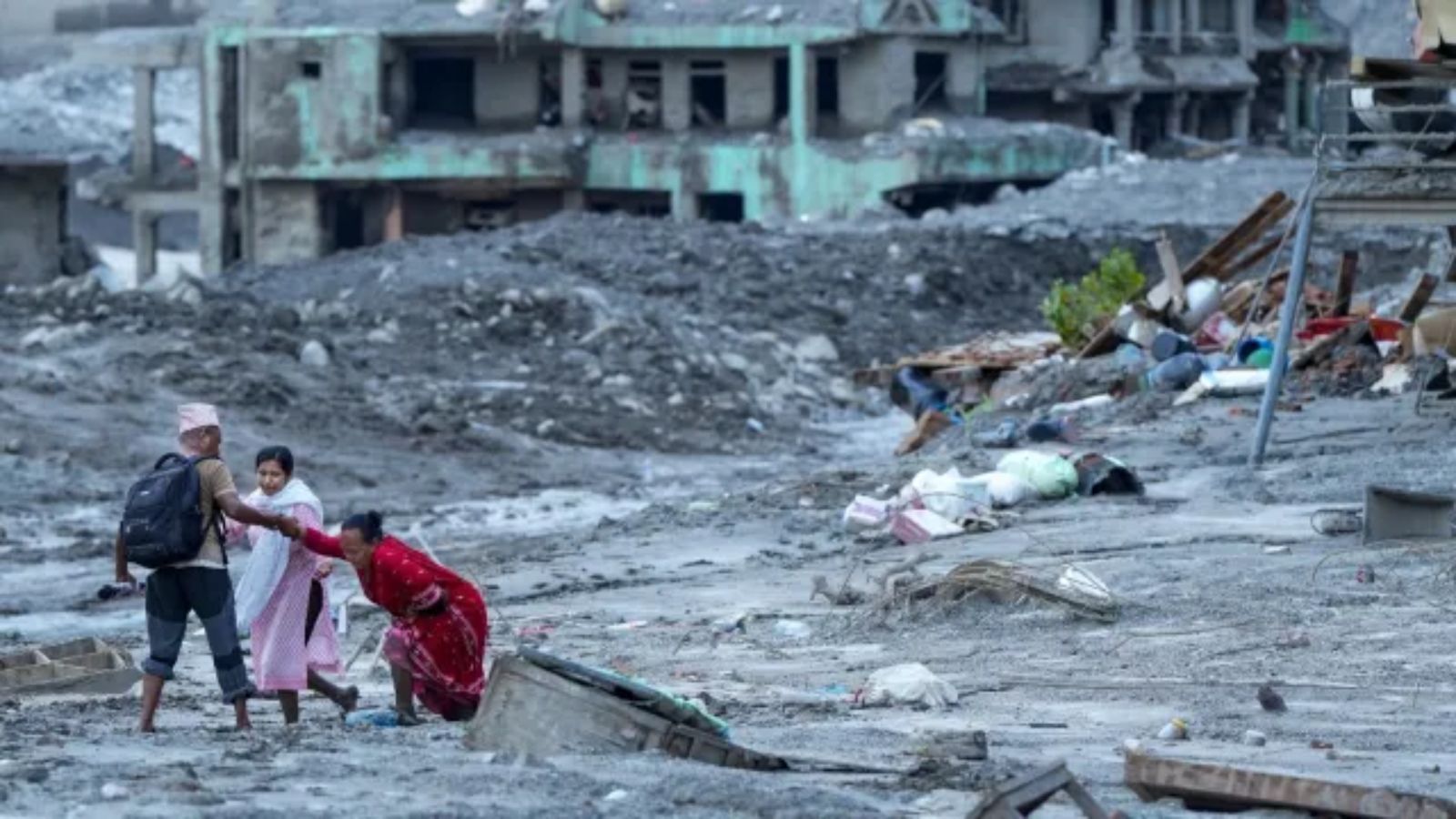
Maharashtra Mountaineers Join Search for Missing Nepal Trekkers
