2 weeks ago
NASA Orbiter Reveals 60-Foot Crater From SpaceX Rocket Impact
A leftover part of a SpaceX rocket crashed into the Moon.
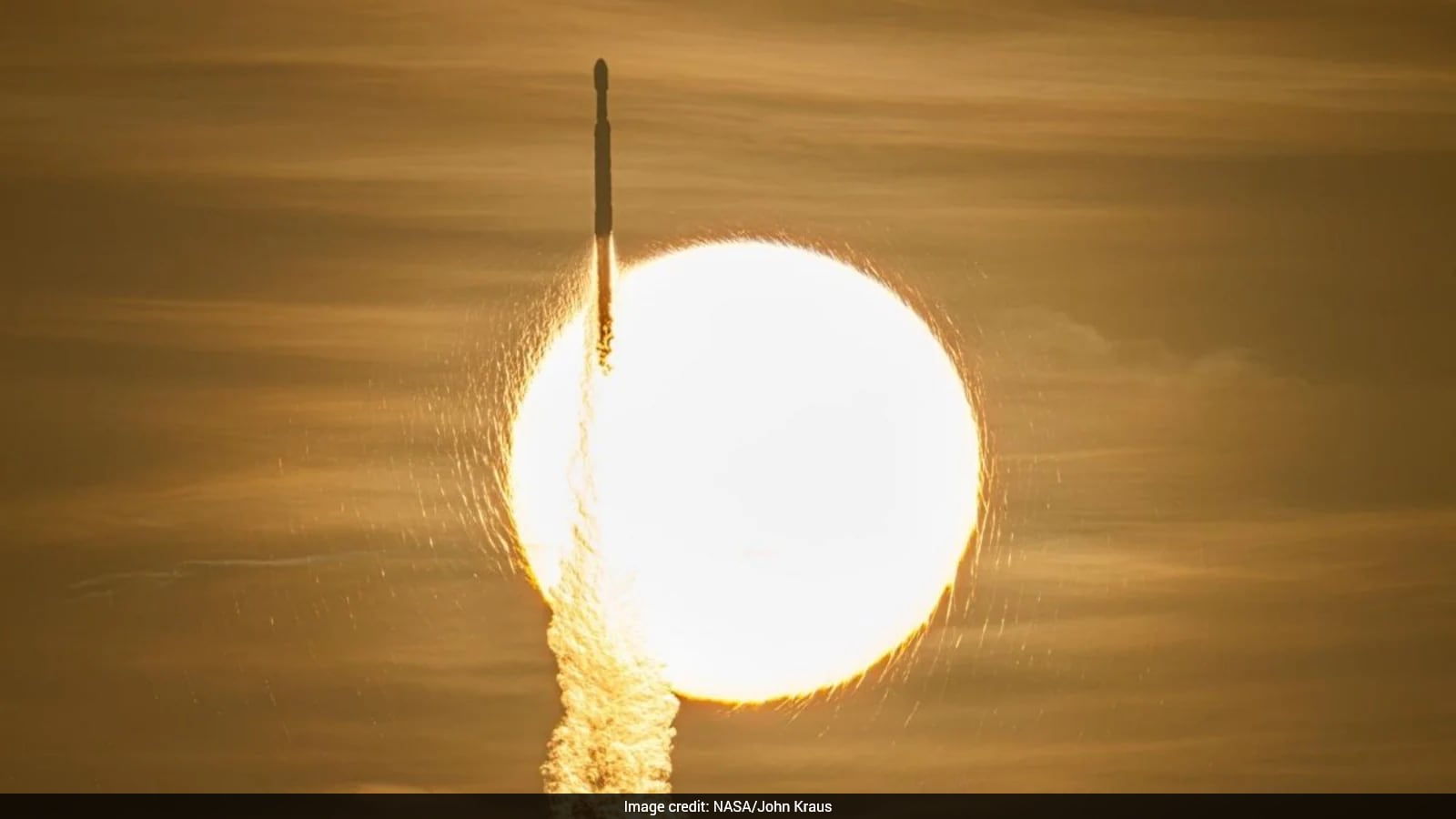
The crash happened on August 5 after the rocket stage had traveled through space for more than a year.
It made a hole about 60 feet wide and less than 10 feet deep.
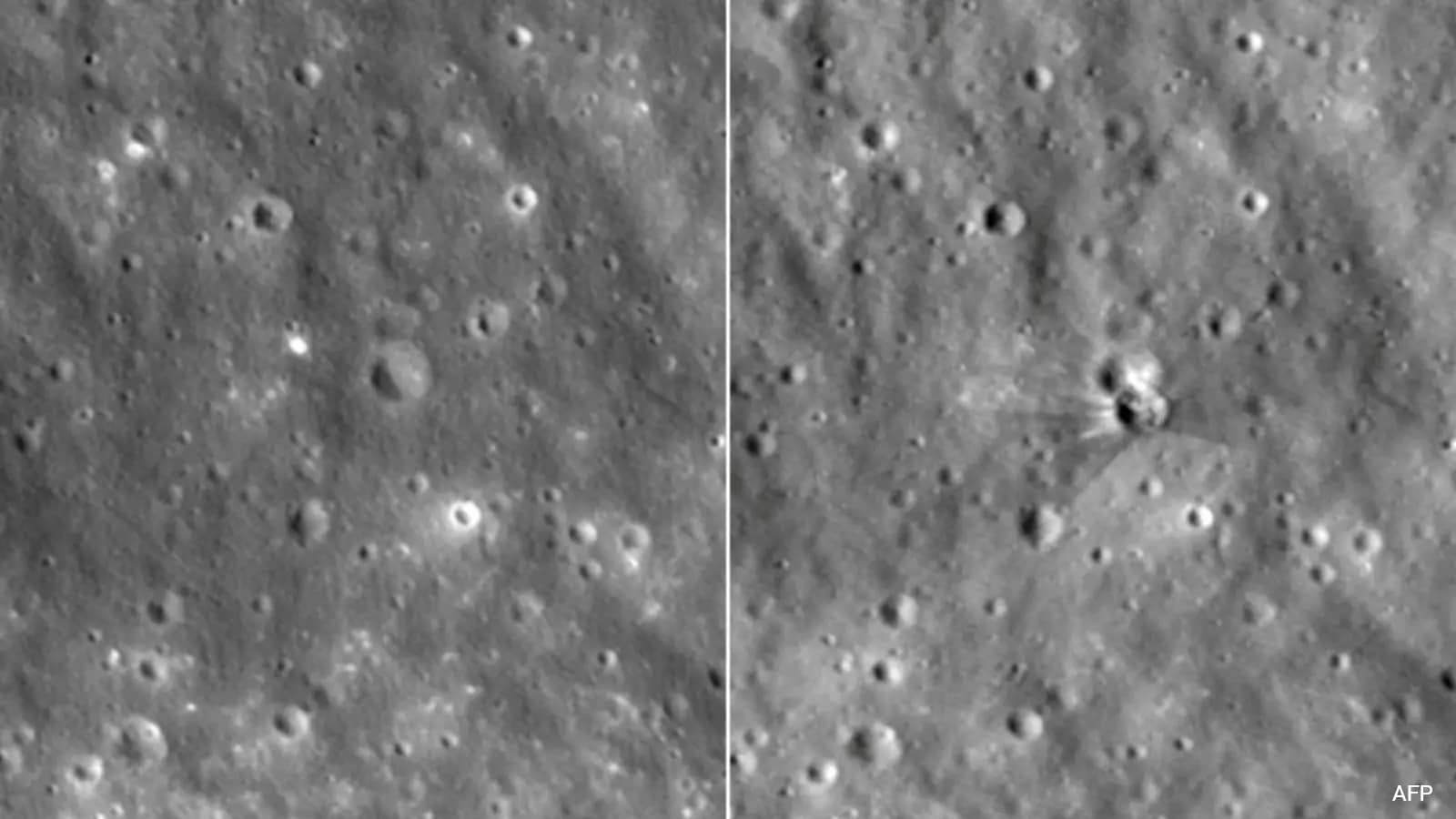
NASA’s Lunar Reconnaissance Orbiter took clearer pictures of the hole several days later.
The spacecraft had to wait until its path lined up with the crash site.
Engineers also had to tilt its cameras very carefully.
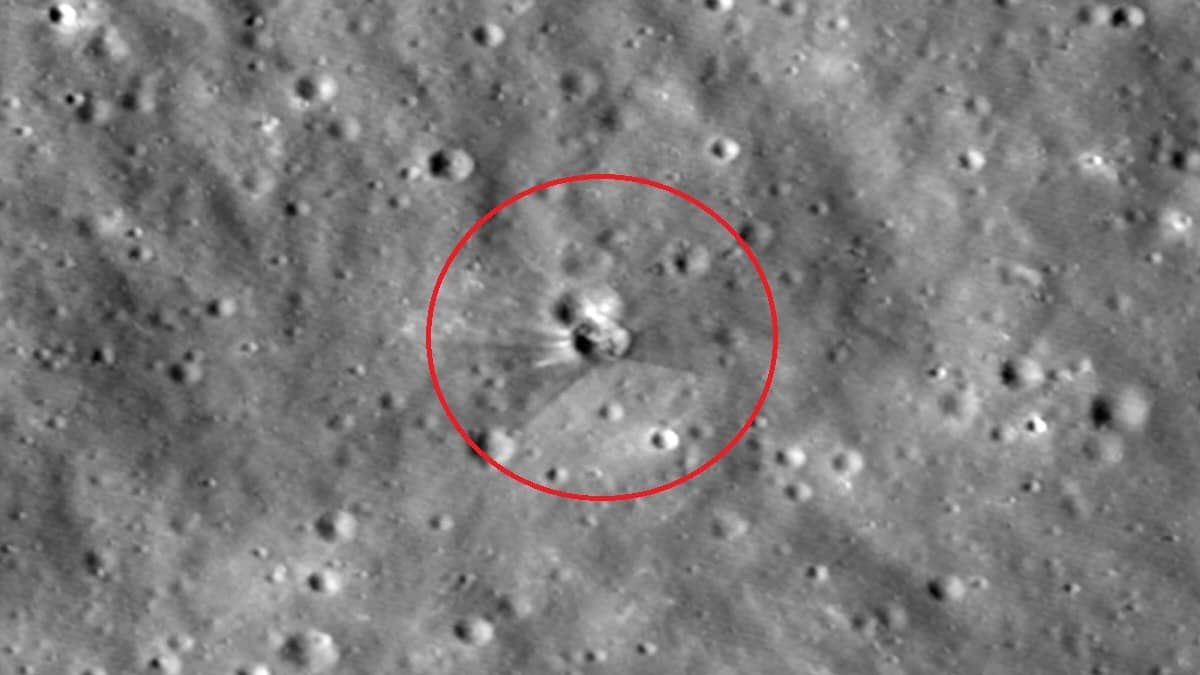
Dark marks show older dusty material from near the surface, while bright marks show fresher material from deeper underground.
Scientists said the collision was not dangerous to people on Earth or a serious threat to the Moon.

A SpaceX Falcon 9 upper stage struck the Moon on August 5 at about 5,400 mph.
NASA’s Lunar Reconnaissance Orbiter photographed the crater between August 11 and 12 from 60 miles above the surface.
Scientists estimate the crater is 60 feet wide and less than 10 feet deep.
Dark and bright rays show surface material and fresher rocks excavated by the impact.
South Korea’s Danuri spacecraft photographed the site first and helped NASA refine its imaging target.
- Who
- A SpaceX Falcon 9 upper stage, NASA’s Lunar Reconnaissance Orbiter, and South Korea’s Danuri spacecraft were involved; scientists analyzed the images.
- What
- A discarded rocket stage struck the Moon and formed a crater estimated at 60 feet wide and less than 10 feet deep.
- Where
- On the Moon, with LRO photographing the site from about 60 miles above the surface.
- When
- The impact occurred on August 5; LRO photographed the site between August 11 and 12, and NASA released the images on Tuesday.
- Why
- The upper stage remained in space after launching commercial lunar payloads and was later pushed onto a lunar collision course by orbital dynamics.
Key facts
- Impact speed
- About 5,400 mph (8,700 kph)
- Impact date
- August 5
- Estimated crater size
- About 60 feet (18 meters) wide and less than 10 feet (3 meters) deep
- LRO imaging dates
- August 11–12
- Imaging altitude
- About 60 miles (96 kilometers) above the Moon
- First impact images
- Taken by South Korea’s Danuri spacecraft
- Imaging precision
- A 10-second timing error could shift the target by up to 10 miles
Quotes
NASA lunar scientist Kelsey Young
NASA lunar scientist
“To capture imagery of the impact, engineers tilted the spacecraft so its cameras would point toward the crater each time LRO passed about 60 miles above the Moon, traveling 1 mile per second.”
 livemint.com
“Not something we're really concerned about. This is actually a technically accepted and safe method of disposing of hardware in low lunar orbit.”
livemint.com
Sources

Related news

SpaceX Falcon 9 Upper Stage Likely Crashes Into the Moon

SpaceX Falcon 9 rocket stage believed to crash into Moon
Stray SpaceX rocket believed to have slammed into Moon

Moon Crash Is a Space Debris Warning We Cannot Ignore

Astronaut Shares Ancient Manicouagan Crater View From Space

Science Quiz Covers Vehicle Communication, Space, Medicine, Missiles and Time
NASA Launches Roman Telescope to Probe Universe’s Mysteries

India's R&D Ecosystem Faces Hurdles On Path To Knowledge Economy

NISAR's Nepal Flood Silence Raises Questions About Disaster Readiness

Next Lunar Eclipse Set for February 2027 Across India, World