0 months ago
Moon Crash Is a Space Debris Warning We Cannot Ignore

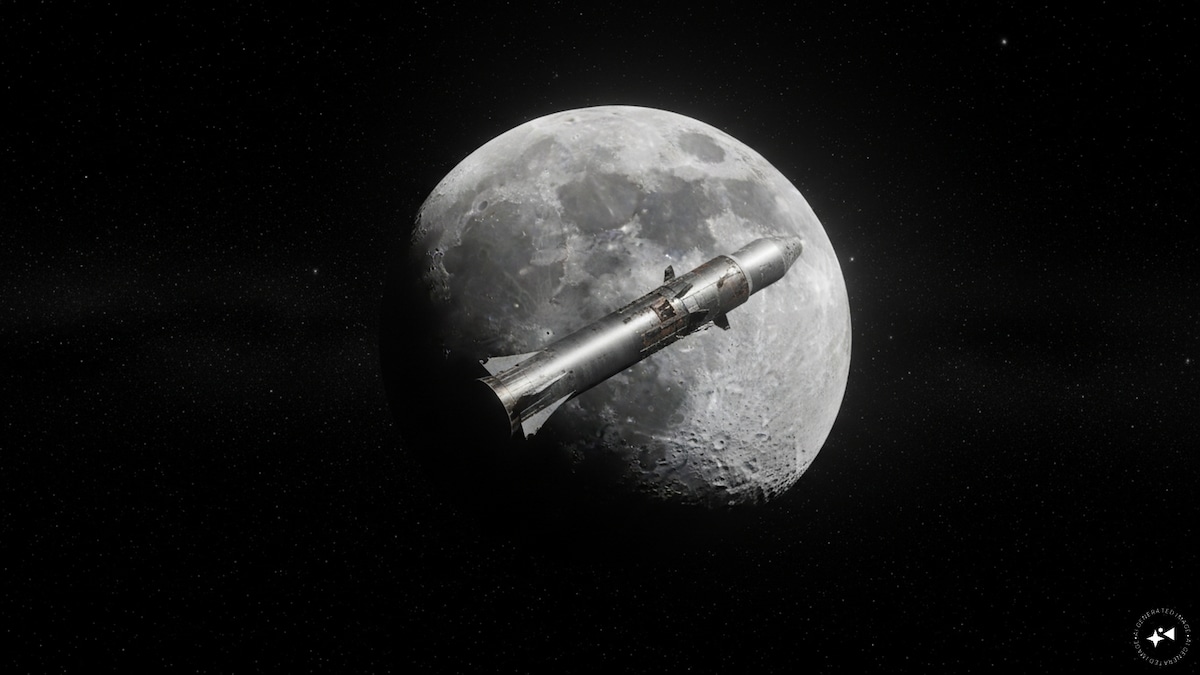
A big, empty rocket part crashed into the Moon on August 5.
Nobody was steering it—it was just old space rubbish moving very fast.
The crash shows us a bigger problem: lots of junk is circling around Earth.
More than 33,000 objects are being tracked in space.
Almost half of them are trash, like broken satellites and old rocket pieces.
Satellites do important jobs, such as GPS, weather forecasts, and internet.
Even a tiny piece of paint can hurt a spacecraft because things move so fast.
Scientists say space junk would keep growing even if we stopped launching rockets.
That is because old pieces crashing into each other make new pieces.
Engineers are working on ways to clean up space, like magnetic grabs and laser brooms.

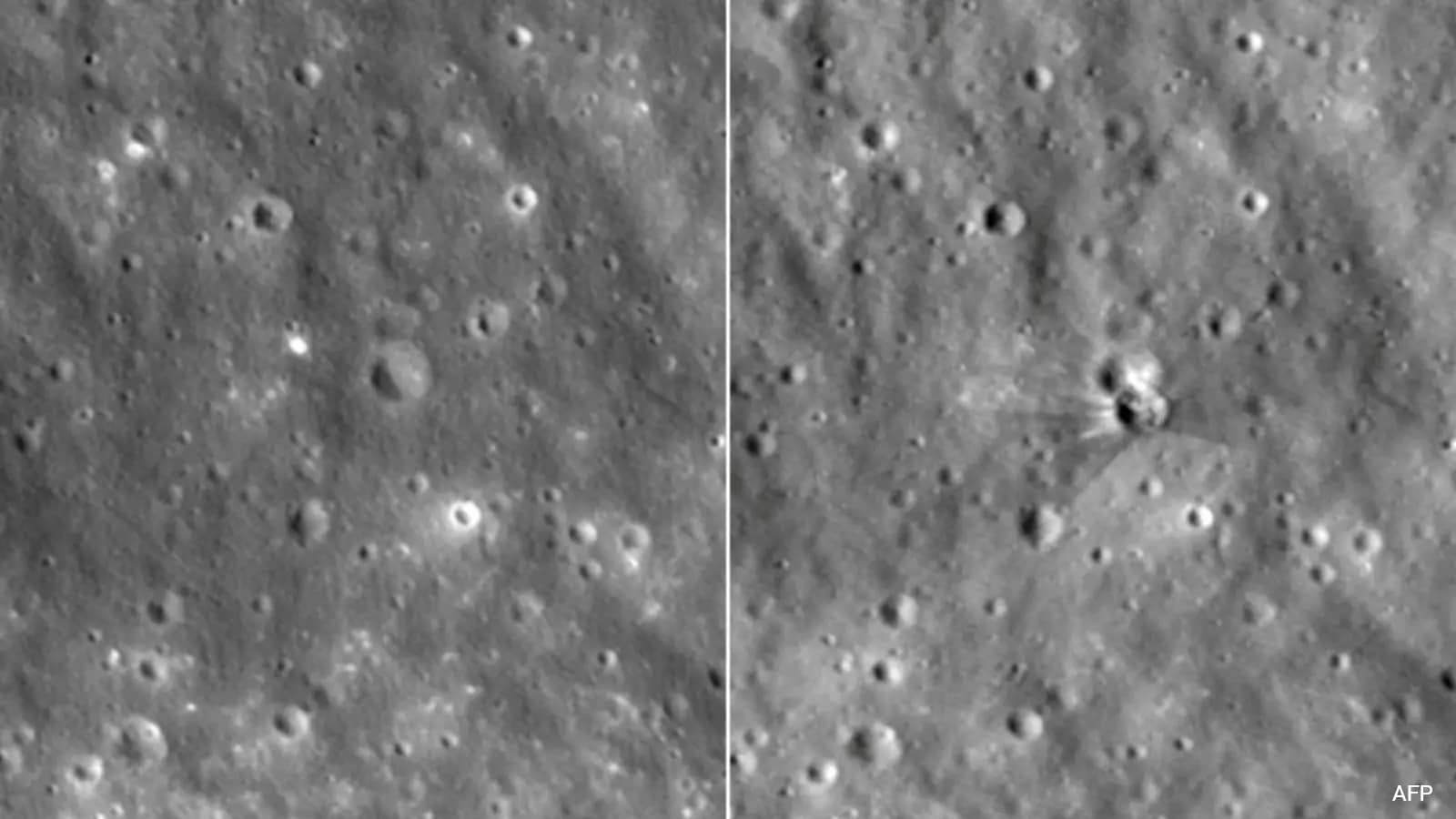
A spent SpaceX Falcon 9 upper stage from a January 2025 lander launch struck the Moon near Einstein crater on August 5.
The uncontrolled rocket stage hit at about 8,700 kilometres per hour, likely creating a fresh crater and dust plume.
More than 33,000 objects are tracked in Earth orbit, and nearly 47 percent are debris fragments or junk.
China, the CIS and the United States together account for 96 percent of the 12,550 tracked debris objects.
Experts warn debris levels would keep rising even if launches stopped, because collisions generate new fragments.
- Who
- A spent SpaceX Falcon 9 upper stage, leftover from a January 2025 lunar lander launch, crashed into the Moon.
- What
- An uncontrolled rocket stage struck the Moon's far side near Einstein crater, spotlighting the growing orbital debris problem.
- Where
- Near Einstein crater on the far edge of the Moon; the debris discussion concerns Earth orbit.
- When
- August 5 for the crash; the rocket stage was launched in January 2025.
- Why
- The rocket had no fuel or steering, and the event highlights how abandoned space hardware threatens working satellites and missions.
Key facts
- Crash date
- August 5
- Impact speed
- About 8,700 km/h
- Crash site
- Near Einstein crater, far side of the Moon
- Rocket stage
- SpaceX Falcon 9 upper stage from a January 2025 lander launch
- Tracked objects in Earth orbit
- 33,269
- Debris share
- Nearly 47% (12,550 debris fragments)
- Mass in orbit
- About 15,800 tonnes as of early 2026
- Debris intensity global average
- 0.71 debris objects per active satellite
Quotes
Emily Sacchi
Aerodynamics Engineer at Bath University Rocketry Team
“The field is still new and mostly limited to larger players. With many new companies entering, we need a common agreement or inspection process as low Earth orbit becomes crowded.”
 wionews.com
“Even if all launches stopped today, debris levels would keep rising, because collisions and break‑ups create new fragments faster than old ones fall back and burn up.”
wionews.com