3 weeks ago
Nature-based solutions can make agriculture more resilient to climate change
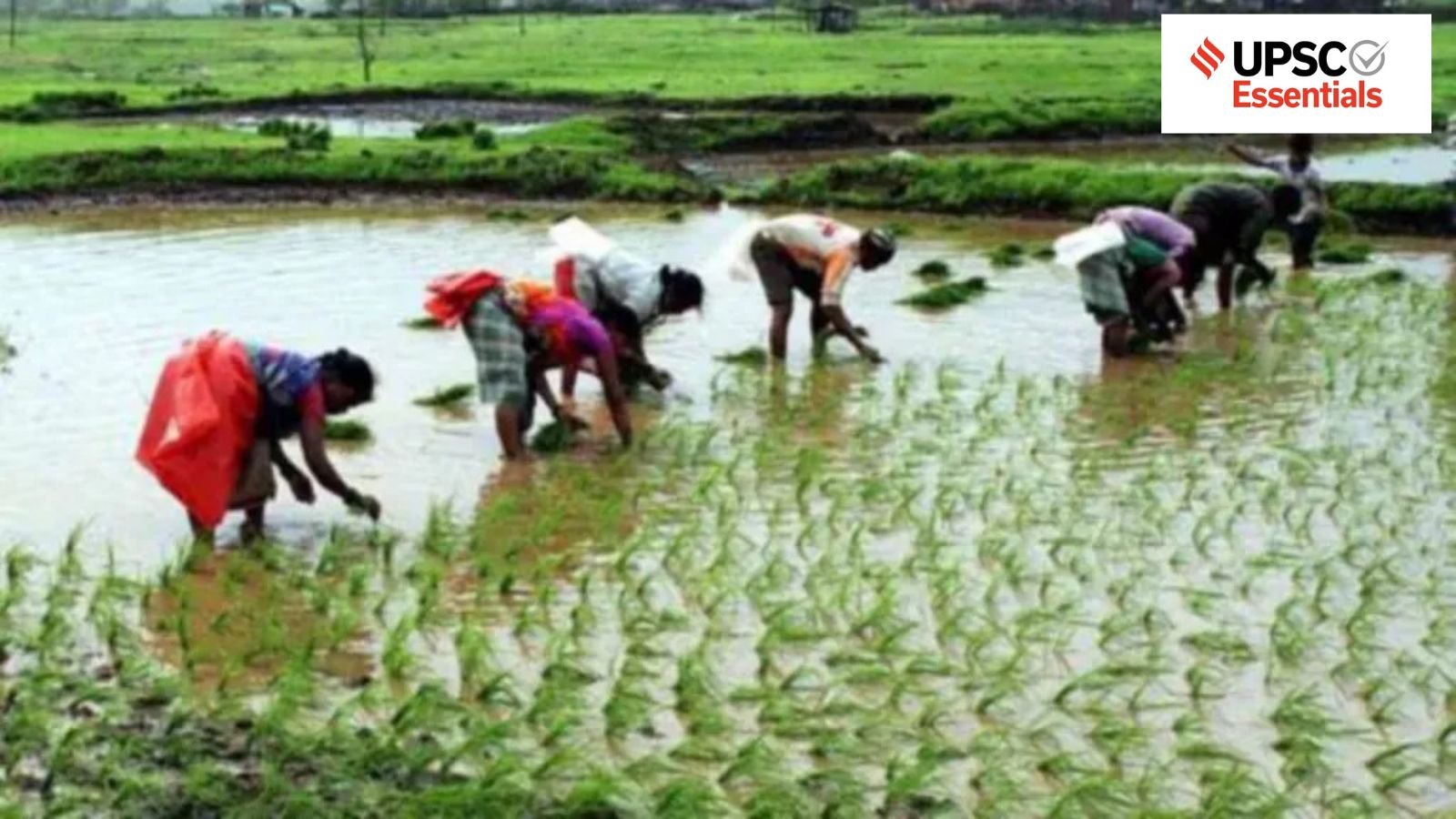
Climate change is making the weather harder to predict, with hotter days, strange rains and more storms.
This makes it difficult for farmers to grow enough food.
Farming also adds to the problem by releasing gases that warm the planet.
Nature-based solutions are ways of farming that use nature to help.
Examples include planting trees along with crops, not ploughing the soil too much, and making biochar.
Biochar is like charcoal made from leftover plants heated without oxygen.
It helps soil hold water and food for plants, and it traps carbon in the ground.
In India, farmers could turn 350 million tonnes of crop waste into biochar instead of burning it.
Burning waste causes air pollution, but biochar helps the soil and the air.
The government has started several programs to help farmers use these practices, but small farmers still need more support.

Climate change disrupts crop yields through rising temperatures, erratic monsoons and extreme weather, while agriculture itself contributes to emissions through greenhouse gases, crop residue burning and deforestation.
Nature-based solutions such as agroforestry, conservation agriculture, reduced-tillage and biochar aim to improve adaptation, mitigate climate change and restore biodiversity.
Nature-based solutions are part of the emissions-reduction plans of at least 102 nations' Nationally Determined Contributions, and a PNAS study says they could deliver 37 per cent of cost-effective climate mitigation needed to stay under 2°C by 2030.
India's agriculture is highly climate-vulnerable: about 58 per cent of the population depends on it, roughly 60 per cent of farmland is rainfed, and NICRA rates 310 of 651 districts as vulnerable.
Biochar made from India's 350 million tonnes of annual agricultural waste could sequester an average of 376.11 megatonnes of CO2-equivalent and cut 41–63 per cent of emissions from agriculture and allied activities.
India has launched policies including NAPCC, NMSA and NICRA, and released 2,900 crop varieties between 2014 and 2024, of which 2,661 tolerate biotic or abiotic stresses.
- Who
- Indian farmers, agricultural researchers and policymakers, including small and marginal farmers who make up 89.4 per cent of landholders, and institutions such as the Indian Council of Agricultural Research (ICAR), the World Bank and the Global Environment Facility.
- What
- The promotion of nature-based solutions and climate-resilient agriculture practices, including agroforestry, conservation tillage, climate-adapted crop varieties and biochar, to help farming adapt to climate change, cut emissions and secure food production.
- Where
- Globally, with particular focus on India, the Asia-Pacific region, southern Europe, sub-Saharan Africa, China and Europe.
- When
- Current analysis drawing on policy initiatives from 2008 (NAPCC) through 2024 (National Mission on Natural Farming), with yield projections extending to 2050 and 2100.
- Why
- Because climate change is disrupting crop yields and threatening food security while agriculture itself contributes to greenhouse gas emissions, and nature-based solutions offer adaptation, mitigation and ecosystem restoration.
Key facts
- NbS in national climate plans
- Part of emissions-reduction plans of at least 102 nations' NDCs under the Paris Agreement
- India's population dependent on agriculture
- About 58%
- Agriculture share of India's GVA
- About 18%
- Rainfed share of Indian agriculture
- About 60%, contributing 40% of food production
- Annual agricultural waste in India
- 350 million tonnes
- Biochar sequestration potential
- 376.11 megatonnes of CO2-equivalent in Indian soil (IIT Delhi review)
- Climate-vulnerable districts (NICRA)
- 310 of 651 districts; 109 rated 'very high' and 201 'highly' vulnerable
- Crop varieties released by ICAR (2014-2024)
- 2,900 varieties; 2,661 tolerant to biotic or abiotic stresses
Sources
Related news

Food security to nutrition security: building a healthier rural India
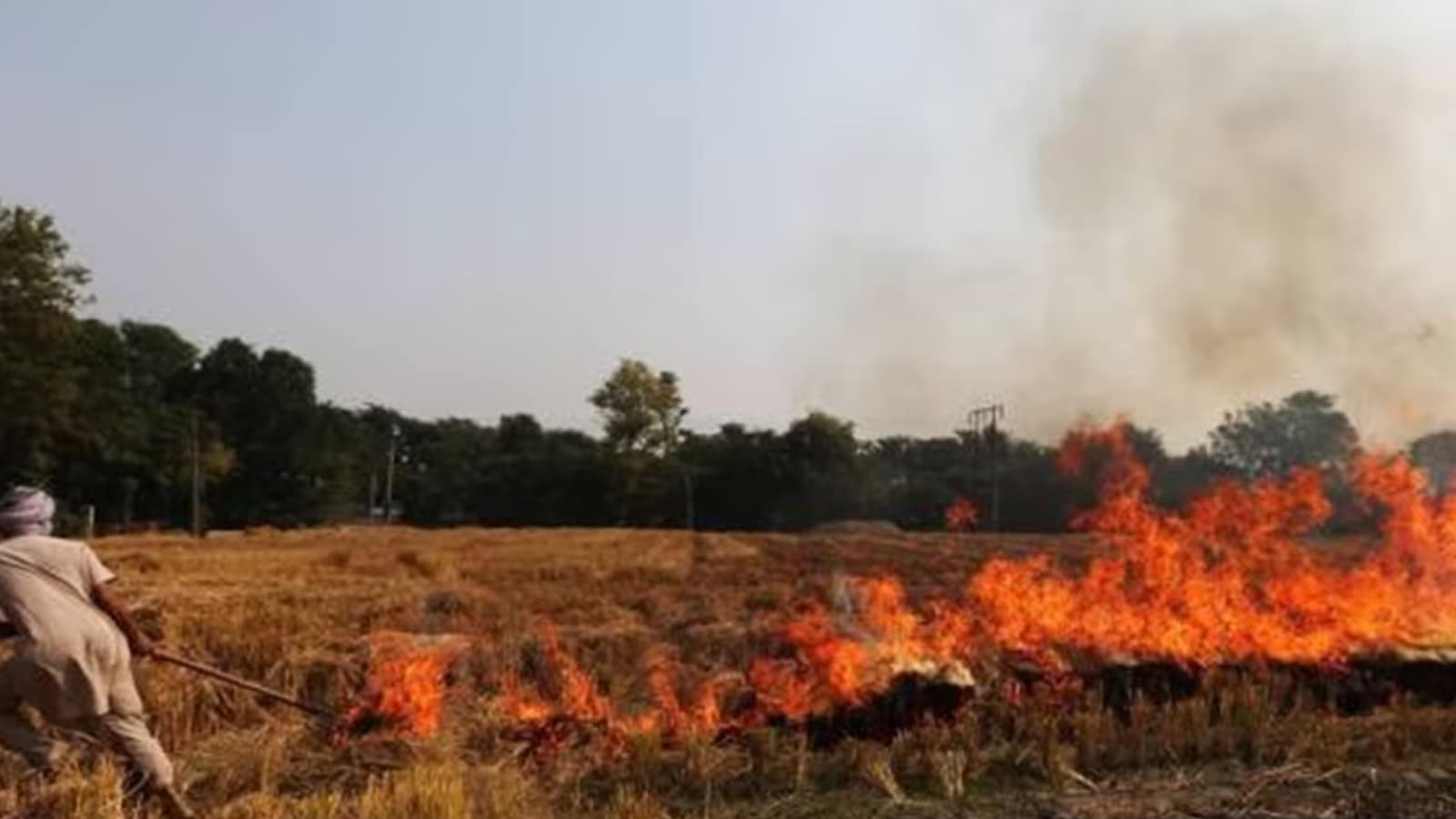
Village-Scale Biochar Could Make Punjab’s Parali More Valuable
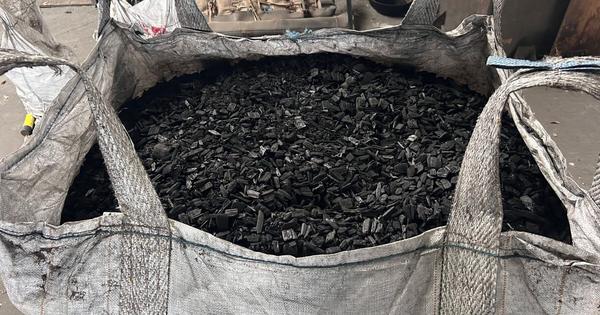
Biochar Project Turns Invasive Kachchh Trees Into Carbon Credits
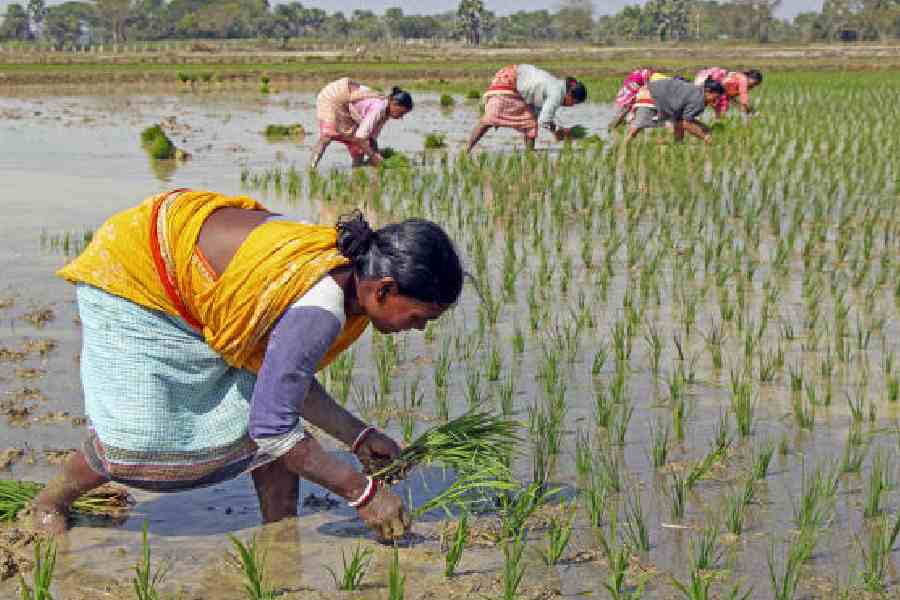
Bengal Urged to Make Rice Farming Climate Smart

Tamil Nadu Budget Launches Carbon Trading for Farmers, Soil Mission
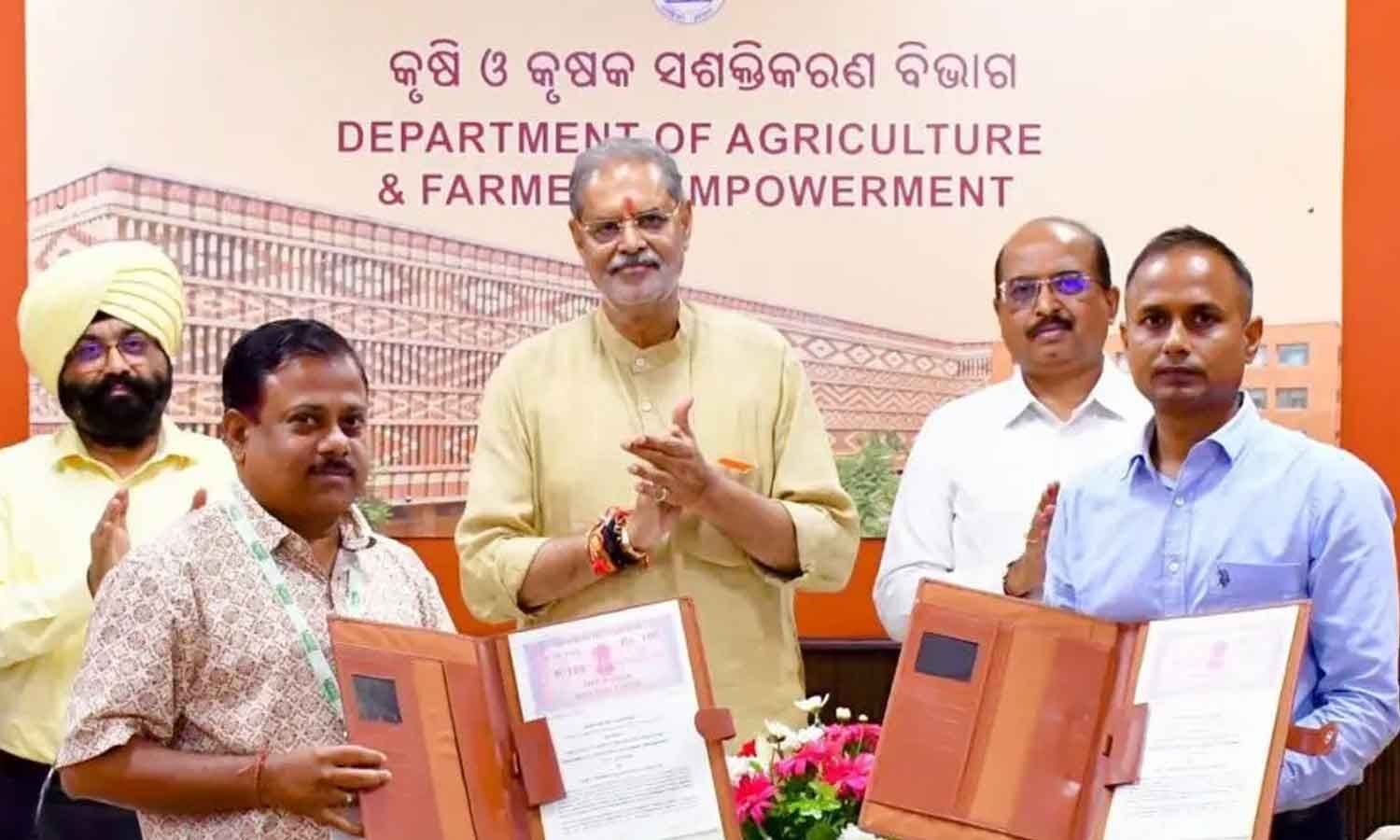
Odisha Signs Six MoUs to Advance Digital Agriculture

Pentagon Turmoil Deepens as Hegseth Tightens Grip on Military

Damaged Lohit River Bridge Cuts Off Arunachal Border Villages

Nepal Flood Exposes Delayed Alerts and Cross-Border Warning Gaps

Chinese Workers Fight Office Ageing With Parasols And Sunscreen

UPSC Key Covers SCO, Electoral Rolls, Economy, Defence and Climate