3 weeks ago
India's weak monsoon may add to global food inflation
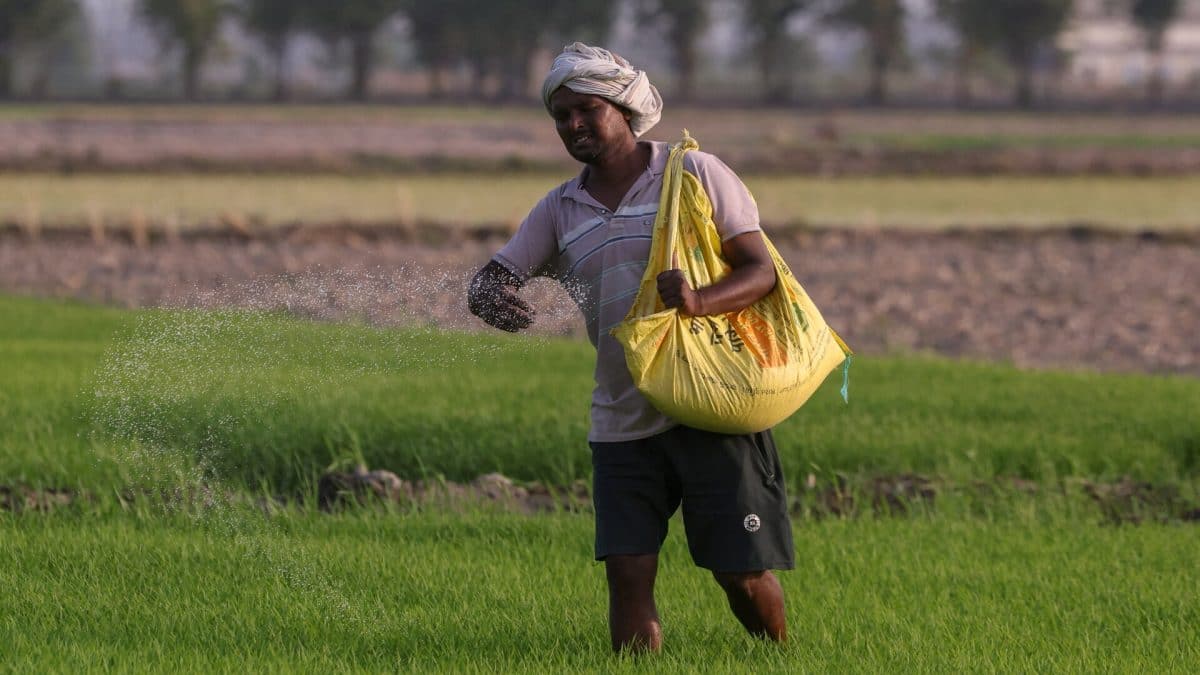
Growing food costs a lot of money, and this year some things are making it harder for farmers.
The monsoon rains in India started late and were weaker than usual, which worried people about the rice that India grows.
Wars in West Asia and Ukraine have also made fuel and fertiliser more expensive, and farmers need those to grow crops.
The United Nations food expert, Maximo Torero, thinks the price of food will start going up by the end of 2026 and even more in 2027.
It usually takes about three to six months for higher costs to show up in the shops.
But not everyone is worried: a report from Bajaj Asset Management says India has lots of stored grain and the rains are getting better.
That means the weak monsoon probably will not hurt India's whole economy too much.
Farmers in other countries, like Australia and the United States, are also facing higher costs.
A big weather pattern called El Nino might also make things harder for crops.
That is why experts say we need to watch food prices closely over the next year.

FAO Chief Economist Maximo Torero warned food prices could start rising by the end of 2026, with further increases expected in 2027.
India's delayed and below-average monsoon has raised concerns over rice production, as India is the world's largest rice exporter.
Conflicts in West Asia, including threats to the Strait of Hormuz, and in Ukraine are disrupting fertiliser and fuel supplies that raise farm costs worldwide.
A Bajaj Asset Management report said India's economy is unlikely to be derailed, citing improving rainfall, grain stocks about five times the buffer level and resilient rural demand.
The FAO warned that a strengthening El Nino, alongside climate shocks and higher energy prices, could push tens of millions more people into acute food insecurity.
- Who
- FAO Chief Economist Maximo Torero issued the warning; farmers in India, the United States, Brazil, Europe and Australia are affected.
- What
- Global food inflation is expected to return as conflicts disrupt fertiliser and fuel supplies and India's weak monsoon raises concerns over rice production.
- Where
- India, West Asia (including the Strait of Hormuz), Ukraine, Australia, the United States, Brazil and Europe.
- When
- Food prices are expected to start rising by the end of 2026, with further increases in 2027; India's monsoon had a delayed start in June 2026.
- Why
- Conflicts disrupting fertiliser and fuel supplies, higher energy costs, India's weak monsoon and a strengthening El Nino are raising food production costs.
Global food inflation warning
Domestic resilience view
Impact of India's delayed monsoon
Global food inflation warning
FAO warns the delayed monsoon, combined with conflicts and rising costs, could push the world back into food inflation by the end of 2026.
Domestic resilience view
Bajaj Asset Management says improving rainfall, ample grain stocks and resilient rural demand mean the monsoon is unlikely to derail India's broader economy.
Outlook for prices
Global food inflation warning
Commodity prices will start to increase more now, with food prices rising by the end of the year and further next year.
Domestic resilience view
Commodity markets have so far remained relatively resilient, and India's consumer price inflation is expected to average only 5-5.5 per cent in FY27.
Key facts
- Key figure
- Maximo Torero, Chief Economist, UN Food and Agriculture Organization (FAO)
- Forecast
- Food prices to start rising by end of 2026, with further increases expected in 2027
- India monsoon
- Delayed start with below-average rainfall; June 2026 among the driest in more than a century
- India food grain stocks
- Approximately five times the prescribed buffer level
- India projected CPI inflation
- 5-5.5 per cent in FY27, driven mainly by temporary food supply pressures
- Australia winter crop forecast
- Projected to decline 21 per cent due to higher fuel and fertiliser costs
- US farm losses
- Farmers of nine major crops could lose $32 billion in 2027 without additional federal support
- Climate risk
- Strengthening El Nino expected to alter rainfall across key agricultural regions
Quotes

Maximo Torero
Chief Economist, Food and Agriculture Organization (FAO)
“I expect that commodity prices will start to increase more now, and food prices will start increasing by the end of the year. Next year, for sure, they will increase more.”
 firstpost.com
“You're hearing this in Europe, in the US, Brazil and in Asia. Tight margins are putting stress in planting decisions.”
firstpost.com
Sources
Related news
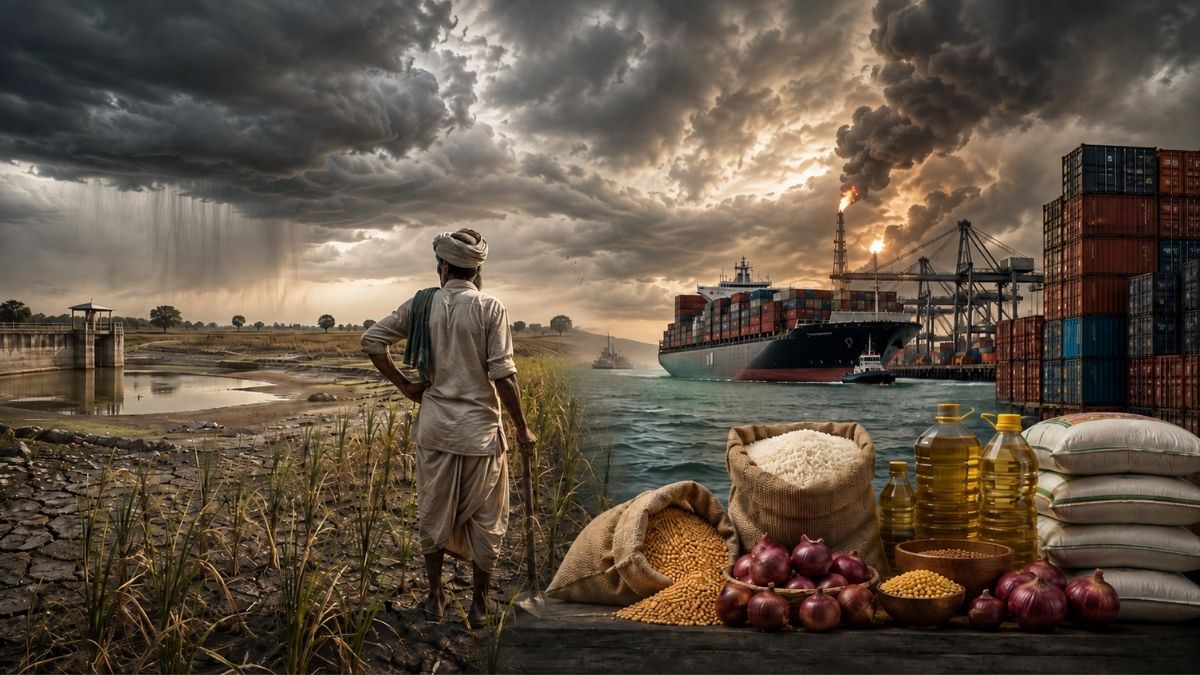
India Faces Double Squeeze on Food Prices
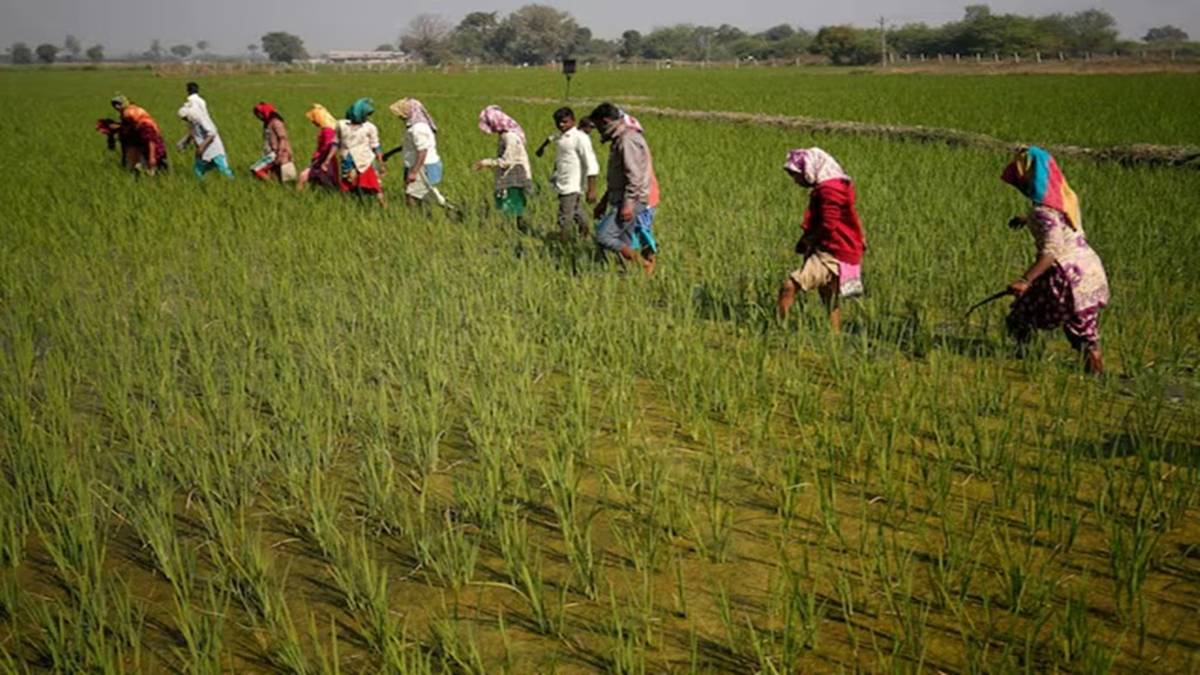
El Niño and Fertiliser Risks Threaten India’s 2027 Food Outlook

Delayed Monsoon Unlikely to Impact Economy Broadly
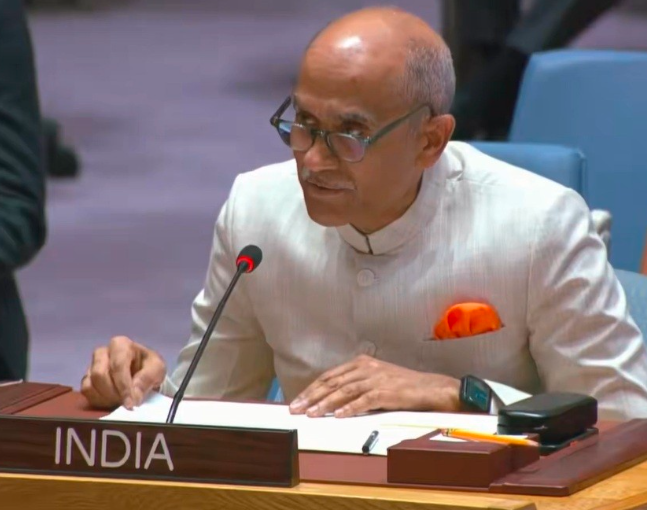
India Warns Conflicts Threaten Global Food Security Beyond Battlefields
India's FY27 Outlook: Food Inflation, FCNR Inflows and AI Risks
Global food prices hit three-year high as supply fears build

Trump Floats Renaming Strait of Hormuz as ‘Trump Strait’

Chevron Plans $7 Billion Venezuela Expansion Amid U.S. Oil Push

Saudi Arabia Says Iranian Tanker Attack Killed Two Sailors
U.S.-Iran Exchange Escalates Across Middle East, Markets Slide

Trump Aides Seek Quiet Iran War Before Midterm Elections