2 weeks ago
India's FY27 Outlook: Food Inflation, FCNR Inflows and AI Risks
People who study money are trying to guess what will happen to India's economy next year.
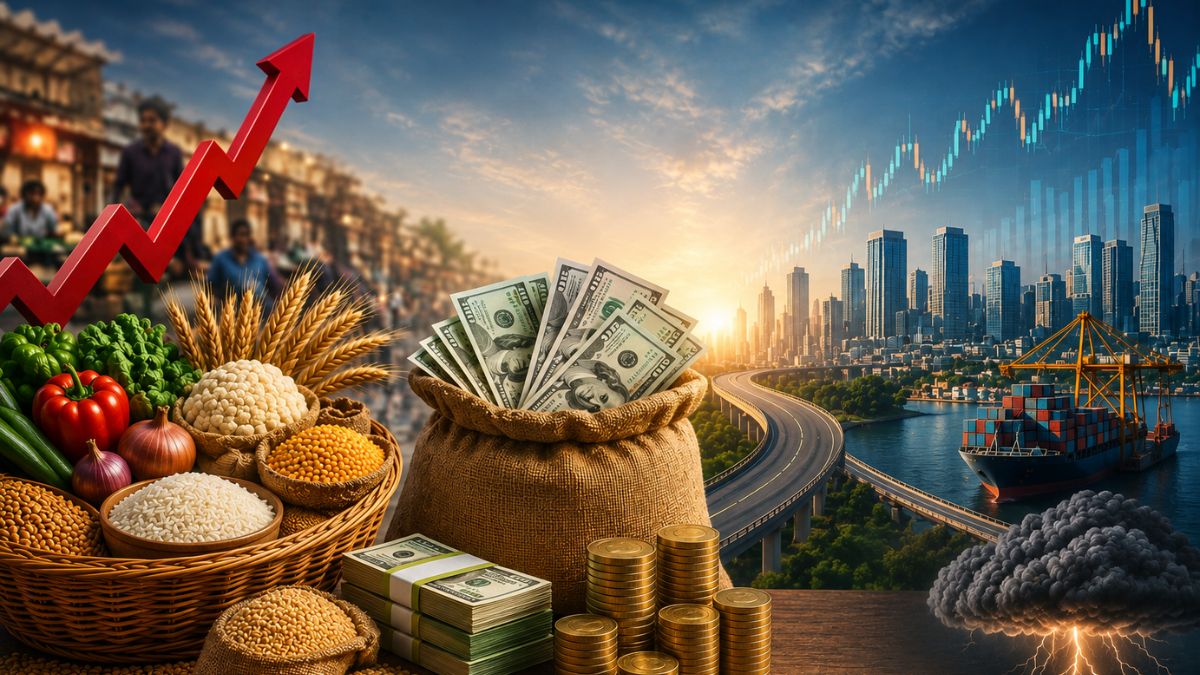
One big worry is that the price of food might go up too much, because the rainy season started late.
Rain is very important for farmers, and some water stores in the south are running low.
When food costs more, it is harder for families to afford what they need.
The rain got better in July, which helped reduce some of that worry.
Experts still think India's economy will grow, though maybe a little slower than before.
People from other countries are putting a lot of money into Indian banks, which can help the country.
New computer programs called AI might take away some easy computer jobs, but could also create new ones.
The people who run India's money plans say they will not change interest rates for now, unless food prices get too high.

Nomura expects India's FY27 GDP to grow 6.6%, with CPI inflation averaging around 5% and no RBI rate hikes this year or next.
Food inflation is projected to peak at 8% in August-September due to the delayed monsoon, low reservoir levels in South India and reduced crop acreage.
The FCNR(B) scheme has attracted close to $50 billion, with combined FCNR(B) and external commercial borrowing inflows expected to reach $80-90 billion.
Monsoon rainfall was 38.6% below normal in June but recovered to 1% above normal in July, reducing downside risks to growth.
AI adoption is likely to eliminate low-end coding jobs while expanding higher-end AI deployment roles, according to Nomura.
- Who
- Global brokerage Nomura and Indian brokerage Motilal Oswal, which issued FY27 forecasts, and India's central bank, the Reserve Bank of India (RBI), whose rate path is in focus.
- What
- India's FY27 macro outlook blends food inflation risks from a delayed monsoon, expected $80-90 billion in foreign inflows, contained fiscal risks, trade recalibration and AI-related job concerns.
- Where
- India
- When
- India's financial year 2027 (FY27), with food inflation expected to peak in August-September.
- Why
- A delayed monsoon and El Nino effects threaten food output, while geopolitical tensions (including the Iran war), US trade relations and AI adoption shape the growth outlook.
Cyclical pressures
Structural risks
India's balance of payments challenge
Cyclical pressures
BOP pressure is cyclical, driven by US policy uncertainty, US-India yield differentials, AI-driven portfolio outflows and repatriation flows after the stock market peak.
Structural risks
BOP pressure is structural, driven by AI's impact on India's services exports and India's stagnant share of global manufacturing exports.
RBI rate trajectory
Cyclical pressures
Nomura and Motilal Oswal expect the RBI to hold rates, with the repo rate at 5.25% through calendar year 2027.
Structural risks
The RBI could respond by raising rates if food- and fuel-led price pressures become broad-based and spill over into core inflation.
Key facts
- FY27 GDP growth forecast (Nomura)
- 6.6%
- FY27 GDP growth forecast (Motilal Oswal)
- 6.8-7%
- FY27 CPI inflation forecast (Nomura)
- Around 5%, or slightly lower
- Expected food inflation peak
- 8% in August-September
- FCNR(B) inflows attracted so far
- Close to $50 billion
- Expected combined FCNR(B) and ECB inflows
- $80-90 billion
- Expected fiscal slippage
- Around 0.2% of GDP
- Trade strategy
- India less rushed on a US trade deal after last year's Trump tariff concerns; pursuing agreements with around 38 countries
Quotes

Nomura Representative
Representative from the international brokerage firm Nomura
“The sentiment has changed significantly over the past year, with more confidence on growth, fiscal and current account resilience...”
 financialexpress.com
“India may also benefit from AI application in manufacturing, agriculture, healthcare, education and governance.”
financialexpress.com
Sources
Related news

India Ratings Raises FY27 Growth Forecast Amid Economic Risks
RBI Holds Rates, Keeps Neutral Stance Amid Inflation Risks
El Niño and Fertiliser Risks Threaten India’s 2027 Food Outlook
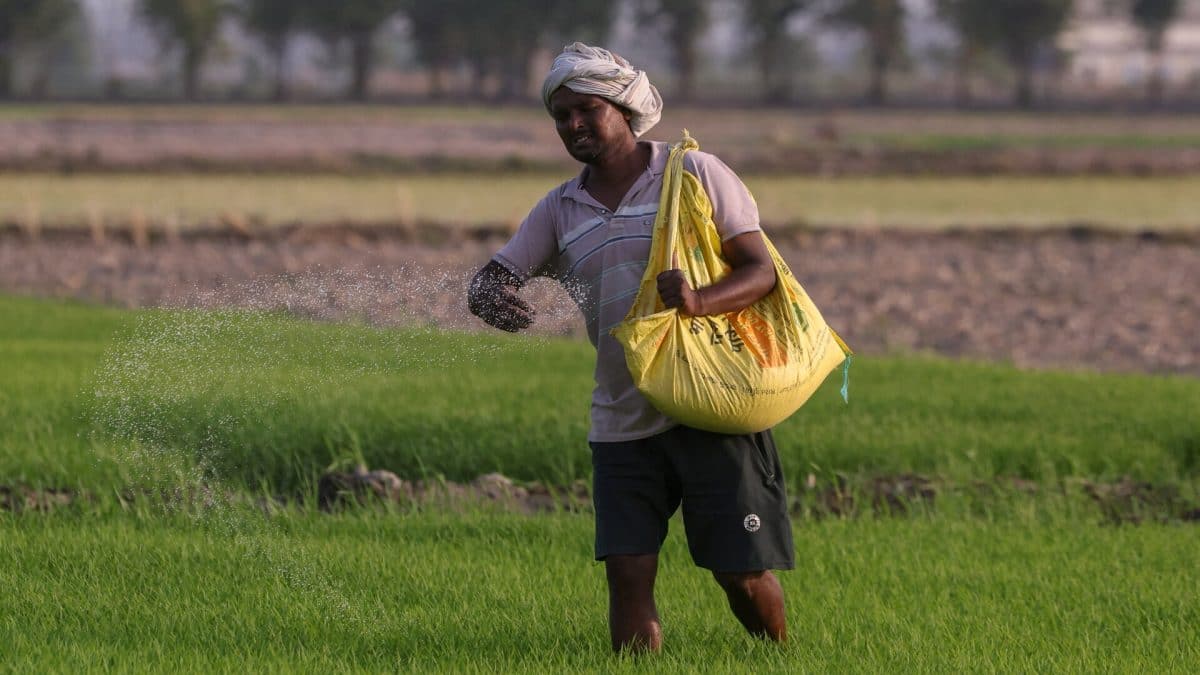
India's weak monsoon may add to global food inflation

Foreign Investors Deliver India's Strongest Stock Inflow In 23 Months

Auto stocks plunge despite strong August sales and demand outlook

Brokerages See Up to 55% Upside in Seven Stocks

Lumino Industries IPO Set for Debut as GMP Signals Gains
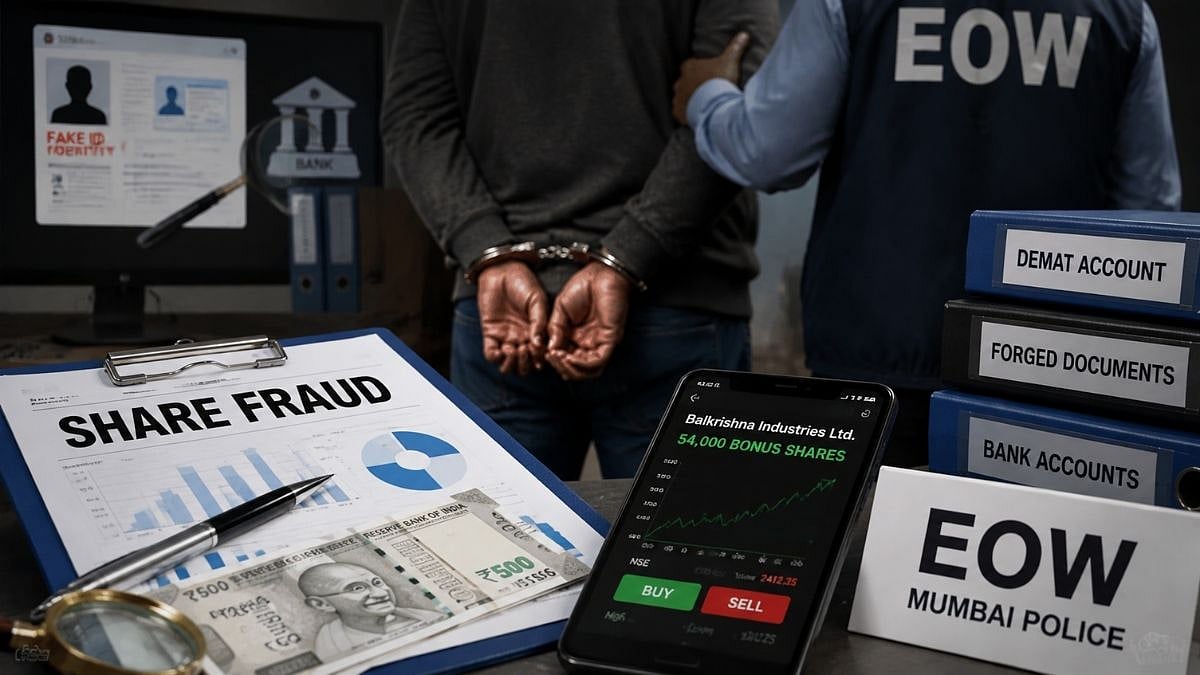
Mumbai EOW Arrests Vadodara Man In ₹16 Crore Share Fraud