5 days ago
Economic Pressure May Weaken Iran Without Forcing Surrender

The United States is trying to pressure Iran by making it harder to earn and move money.
The new campaign targets businesses and networks that help Iran avoid sanctions.
Sanctions can reduce Iran’s oil income, weaken its currency and restrict imports.
However, Iran has spent many years finding ways around economic restrictions.
China still buys much of Iran’s oil, making the pressure harder to enforce.
The United States has not yet punished major Chinese financial institutions because doing so could create a larger conflict.
Iran’s leaders might pass the economic pain on to ordinary people instead of changing their policies.
The pressure could limit Iran’s military and regional activities, but it may not make the government surrender.
If Iran retaliates, the United States could face pressure to respond militarily.

The Trump administration is expanding sanctions against countries and companies doing business with Iran.
New measures target shipping, aviation, technology, gold and digital networks used to evade sanctions.
Secondary sanctions against major foreign financial institutions have so far remained largely a threat.
China remains Iran’s principal oil buyer, but Washington has avoided penalizing major Chinese financial institutions.
Sanctions may reduce Iran’s resources and regional influence, but economic pain may not change Tehran’s strategic calculations.
- Who
- The Trump administration, Iran, China and countries and companies doing business with Tehran.
- What
- The United States is escalating economic sanctions and threatening entities that continue commercial ties with Iran.
- Where
- The measures target Iran and international shipping, financial, technology, gold and digital networks.
- When
- During the Trump administration’s latest sanctions campaign; no specific date is provided.
- Why
- Washington aims to reduce Iran’s resources, constrain its military and regional activities, and influence its strategic decisions.
Pressure Can Constrain Iran
Pressure May Not Produce Surrender
Purpose of sanctions
Pressure Can Constrain Iran
Economic pressure can make Iran poorer, reduce resources for military networks and regional influence, and serve as a containment strategy.
Pressure May Not Produce Surrender
Containment is different from regime change, and sanctions alone may not force Tehran to capitulate.
Effect on Iran’s government
Pressure Can Constrain Iran
Reduced revenues and restricted imports could increase the cost of sustaining Iran’s government and limit its strategic ambitions.
Pressure May Not Produce Surrender
Authoritarian leaders may pass economic pain to the population while tightening political control and portraying foreign pressure as an attack on sovereignty.
International enforcement
Pressure Can Constrain Iran
Threatening countries and companies that assist Iran could close sanctions loopholes and increase pressure on Tehran.
Pressure May Not Produce Surrender
Punishing major Chinese financial institutions could trigger a broader strategic and economic conflict that undermines cooperation needed for sanctions enforcement.
Key facts
- U.S. strategy
- Washington has shifted from military action to bargaining and financial pressure.
- Targets
- The campaign focuses on shipping, aviation, technology, gold and digital networks linked to sanctions evasion.
- Secondary sanctions
- Penalties against major foreign financial institutions have largely remained a threat.
- China’s role
- China is described as the principal buyer of Iranian oil.
- Iran’s adaptations
- Iran continues to rely on intermediaries, shadow shipping, informal finance and sanctions-busting companies.
- Potential effect
- Sanctions could reduce revenues, weaken Iran’s currency and restrict imports.
- Strategic risk
- Enforcement could widen into a confrontation between the United States and China.
Sources
Related news

Trump Threatens Economic D-Day Against Iran and Its Partners
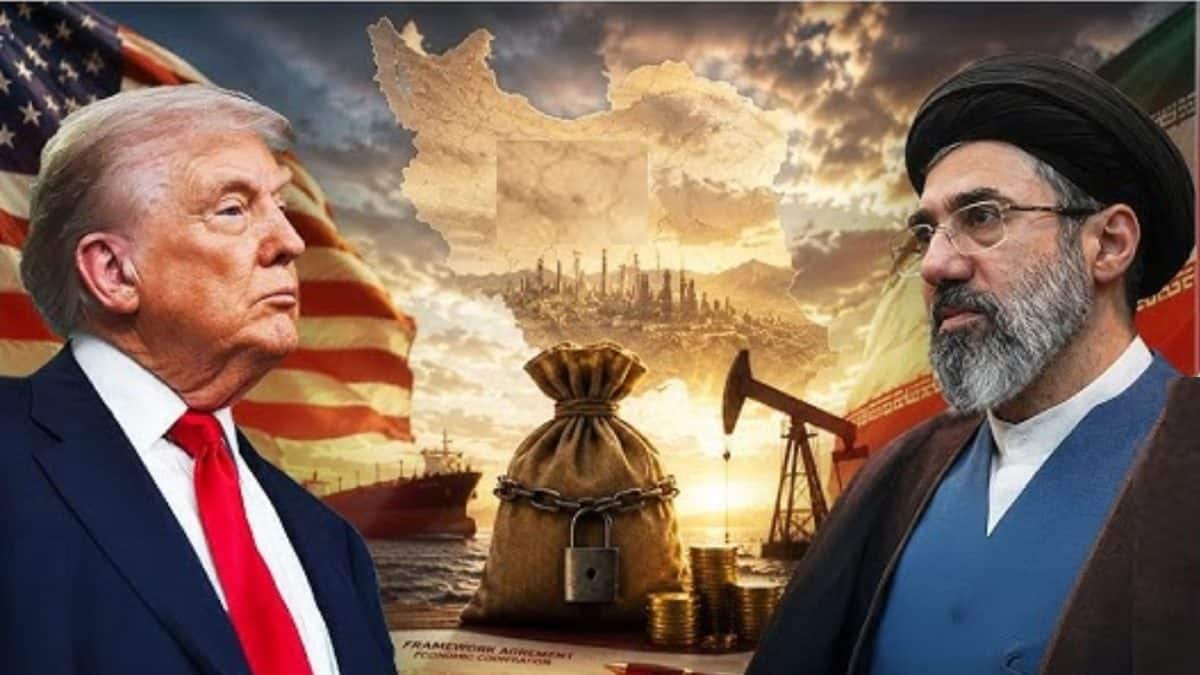
Economic front dominates US-Iran war as sanctions squeeze Tehran
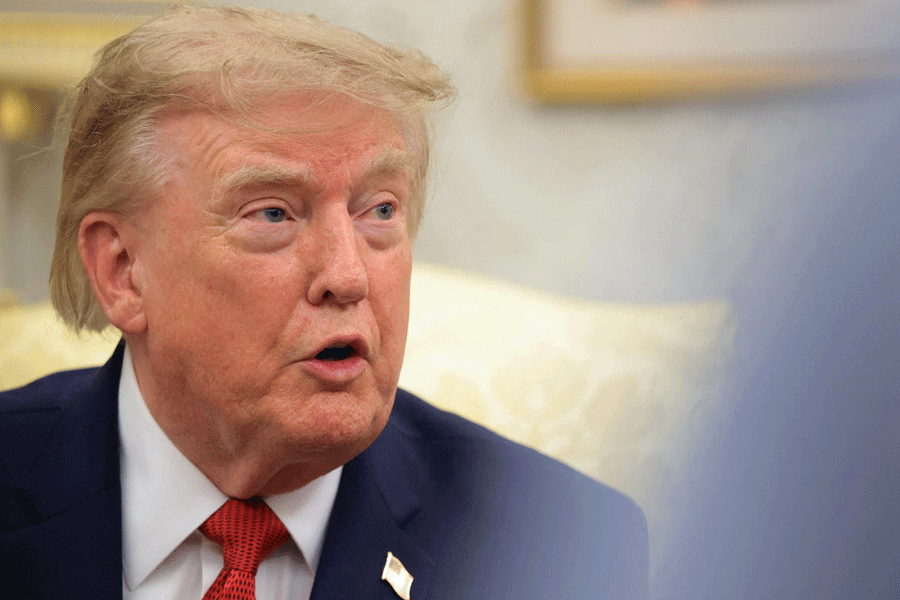
US Sanctions on Iran Face Limits Despite Trump Pressure
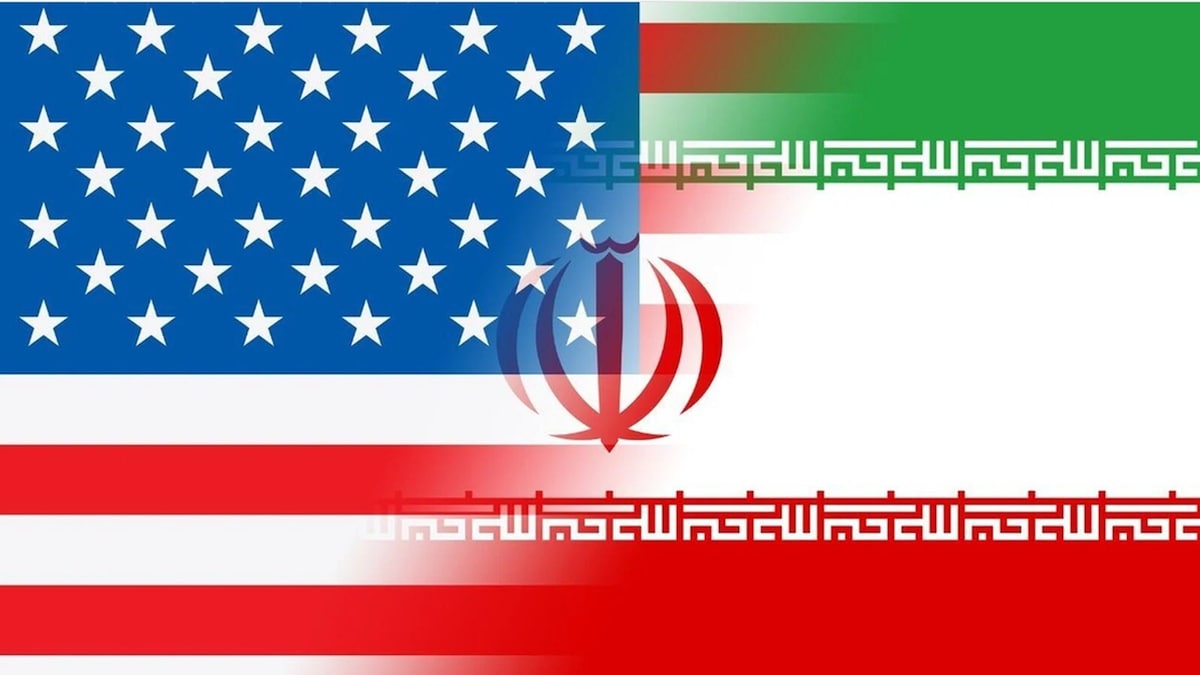
Iran War Reaches Costly Stalemate as Trump Bets on Sanctions
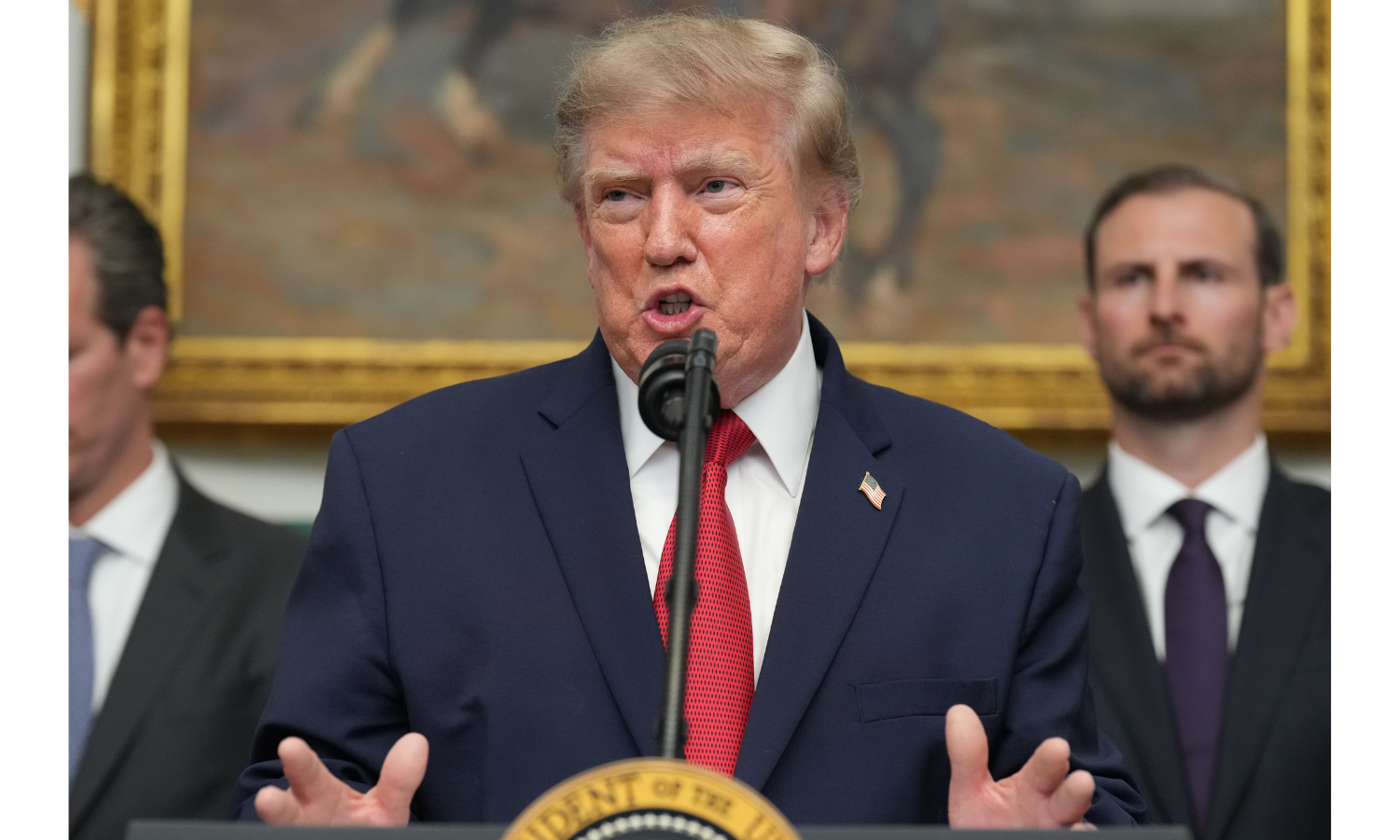
Trump Warns Iran of Economic D-Day as Sanctions Escalate
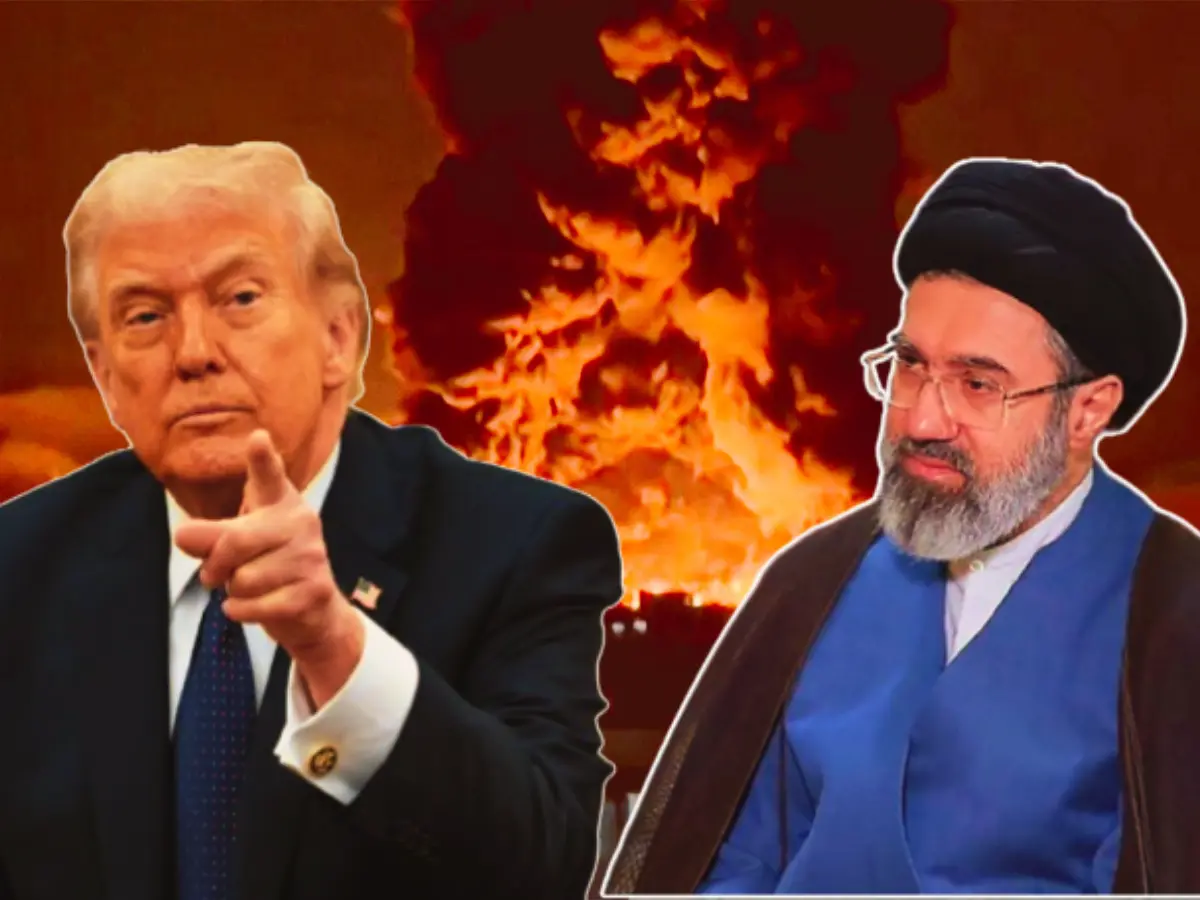
Trump’s Iran Sanctions: Ending War or Expanding Economic Battle?
India’s Wind Pipeline Signals Sharp Capacity and Manufacturing Surge
India’s Solar Module Glut Threatens Factories With Low Utilisation
Modi-Xi Signals May Help Reset India-China Ties

India’s Fourth BRICS Chair Faces a Much Larger Summit

Nepal Families Seek Missing Loved Ones After Deadly Flash Floods