1 week ago
Trump Warns Iran of Economic D-Day as Sanctions Escalate
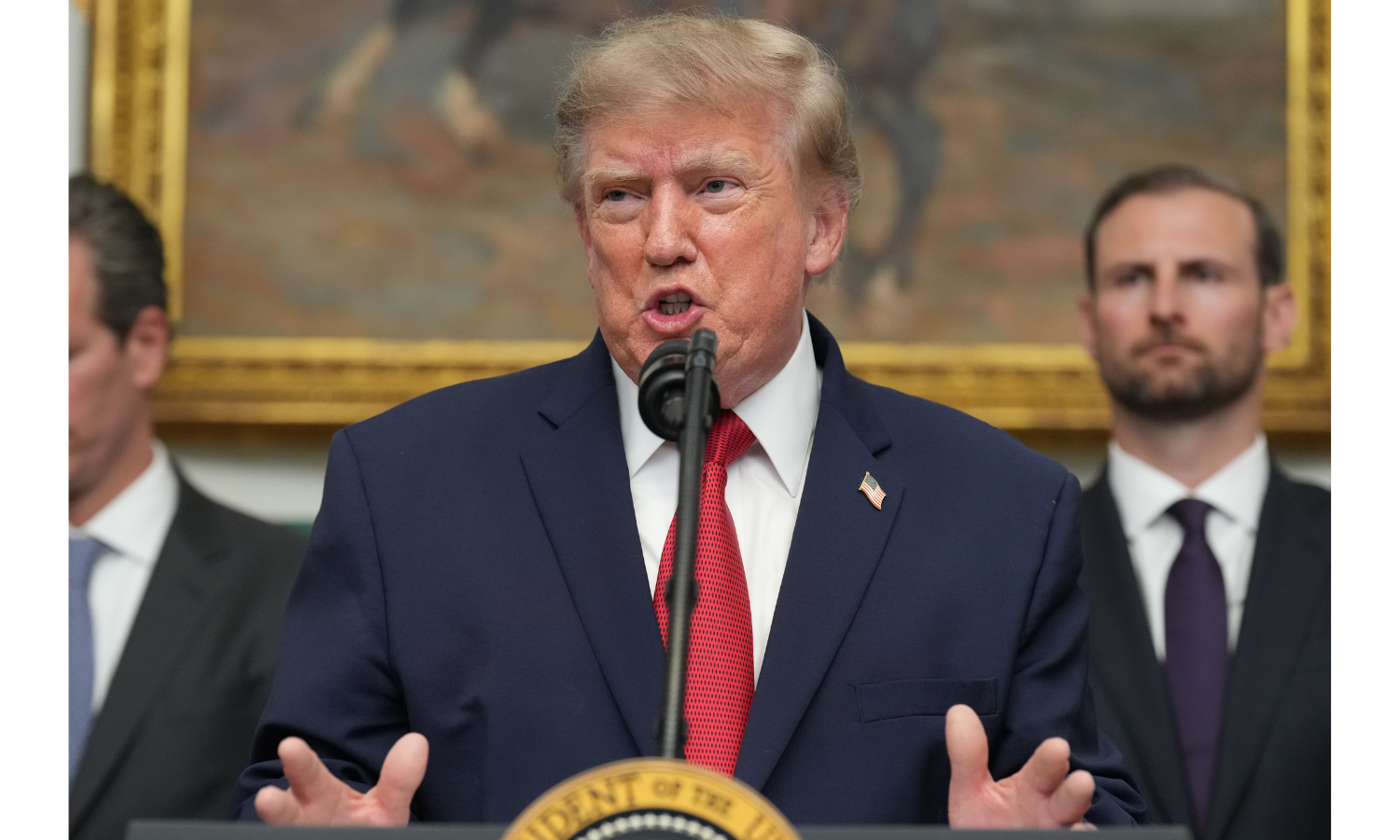
President Donald Trump wants to put much more economic pressure on Iran.
He says the plan could make Iran stop its nuclear program and reopen the Strait of Hormuz.
That waterway is important for ships carrying oil and natural gas.
The United States may punish other countries and companies that keep doing business with Iran.
China and India are mentioned as major buyers of Iranian oil.
Supporters believe military action, sanctions and a naval blockade have made Iran especially vulnerable.
Iranian officials say sanctions have failed to force Iran to give in over many years.
Some experts say pressure without a diplomatic way forward could make Iran resist even more.

President Donald Trump announced an unprecedented campaign of economic pressure and isolation against Iran.
The administration says the campaign aims to end Iran’s nuclear program and reopen the Strait of Hormuz.
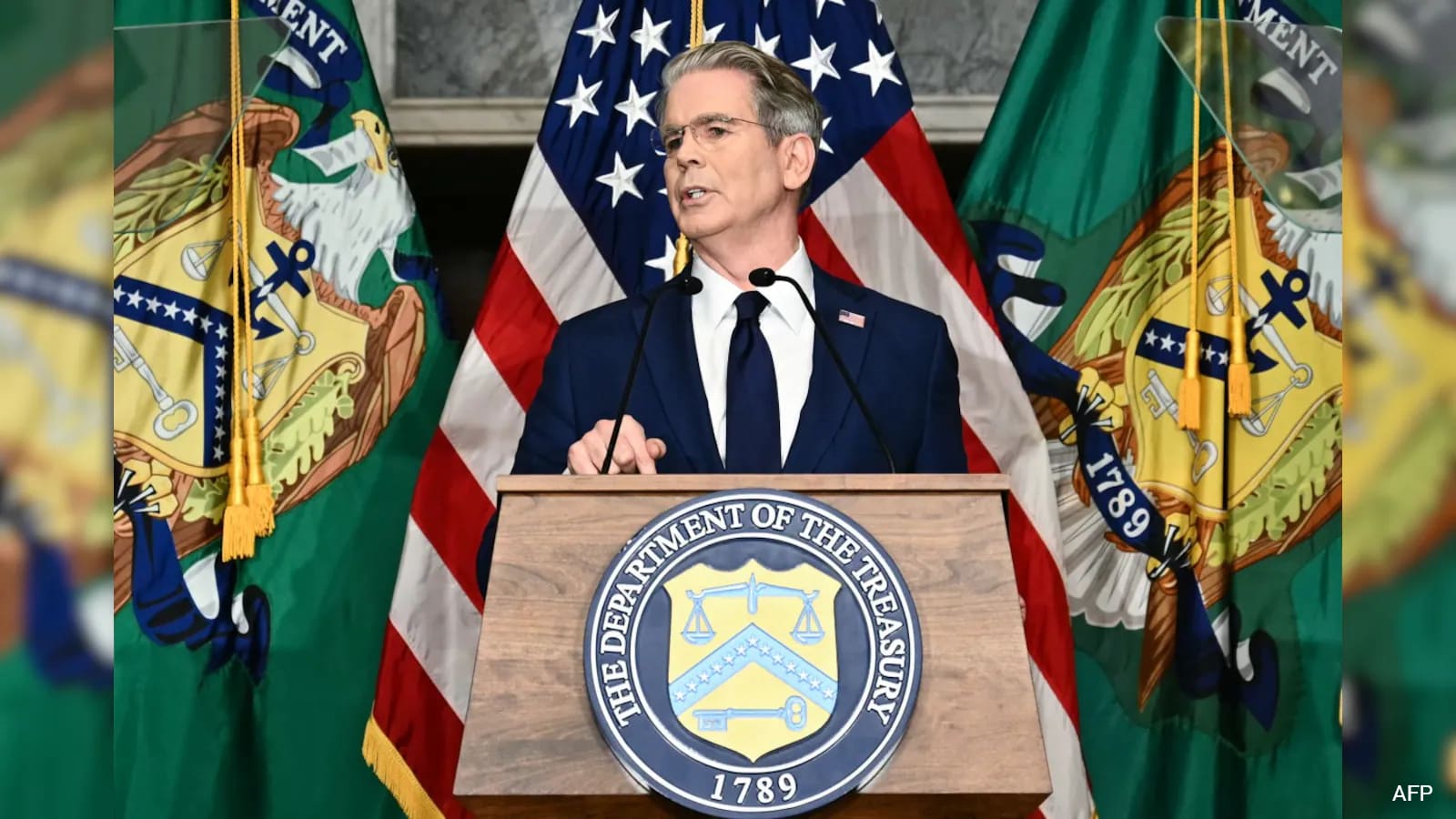
Treasury Secretary Scott Bessent threatened secondary sanctions against countries and companies trading with Iran.
Supporters argue that sanctions, military action and a naval blockade could force Tehran to make concessions.
Iranian officials and analysts say previous sanctions failed and that additional pressure may harden Iran’s position.
- Who
- The Trump administration, Iranian officials, Treasury Secretary Scott Bessent, and analysts debating the campaign’s likely effects.
- What
- The United States announced an expanded economic campaign against Iran and threatened possible secondary sanctions.
- Where
- The campaign targets Iran’s energy, financial and transportation links, including shipping through the Strait of Hormuz.
- When
- The announcement was made this week, near the six-month mark of the Iran war and months before pivotal U.S. midterm elections.
- Why
- The Trump administration says it wants Iran to end its nuclear program and fully reopen the Strait of Hormuz.
Pressure Advocates
Pressure Skeptics
Can sanctions force Iranian concessions?
Pressure Advocates
Supporters argue that U.S. strikes, the war, a naval blockade and expanded sanctions have created an unusually powerful combination that could bring Iran to its breaking point.
Pressure Skeptics
Critics argue that decades of sanctions have not forced Iran to surrender and that increased pressure may further harden its position.
Should foreign businesses face secondary sanctions?
Pressure Advocates
Advocates say targeting countries and companies that continue trading with Iran is necessary to cut off Tehran’s remaining income and access to international markets.
Pressure Skeptics
Skeptics warn that secondary sanctions could harm U.S. interests, provoke reciprocal measures and require waivers for countries dependent on Iranian oil.
Pressure versus diplomacy
Pressure Advocates
Supporters view intensified economic pressure as a way to fundamentally change Iran’s behavior and the future of the region.
Pressure Skeptics
Iranian officials and analysts say pressure without an open diplomatic path is unlikely to work because Iran distrusts Trump and fears that concessions would lead to additional U.S. demands.
Key facts
- Campaign name
- The next phase is described as Operation Economic Fury.
- Possible targets
- Countries and companies that continue doing business with Iran could face secondary sanctions.
- Major oil buyers
- China and India are identified as major buyers of Iranian oil.
- Iran’s trading partner
- The United Arab Emirates suspended trade with Iran over an alleged missile attack, according to the articles.
- Existing sanctions
- Nearly all of Iran’s energy, financial and transportation sectors are already covered by U.S. sanctions.
- U.S. demands
- The administration wants Iran to end its nuclear program and fully reopen the Strait of Hormuz.
- Policy precedent
- The campaign expands the Trump administration’s first-term maximum-pressure strategy and adds military action.
Quotes

Richard Goldberg
Former Trump administration Iran policy official and fellow at the Foundation for Defense of Democracies
“If you insist on doing business with them, then the US Treasury and US government will put its full might and force against you. It's time for our allies and the rest of the world to make a decision.”
 deccanchronicle.com
 NDTV
NDTV
“I think we're watching a strategy, whether it takes a short time or a long time, that is very much about fundamentally changing the future of the world by seeing the end of this regime.”
deccanchronicle.com
NDTV
Ali Vaez
Iran director at the International Crisis Group
“They believe that even if they capitulate to US terms under economic duress, Trump would move the goalposts and ask for more. And this is really the fundamental problem: Pressure without an open door is an exercise in futility.”
deccanchronicle.com
NDTV
Sources
Related news
US Expands Iran Sanctions, Threatening Partners With Dollar Cutoff
US Announces Economic D-Day as Iran Threatens Oil Export Halt

Trump Threatens Economic D-Day Against Iran and Its Partners

Trump’s Economic Outcast Campaign Tests Iran Sanctions Strategy

Trump Announces Unprecedented Economic Campaign to Isolate Iran, Warns Allies
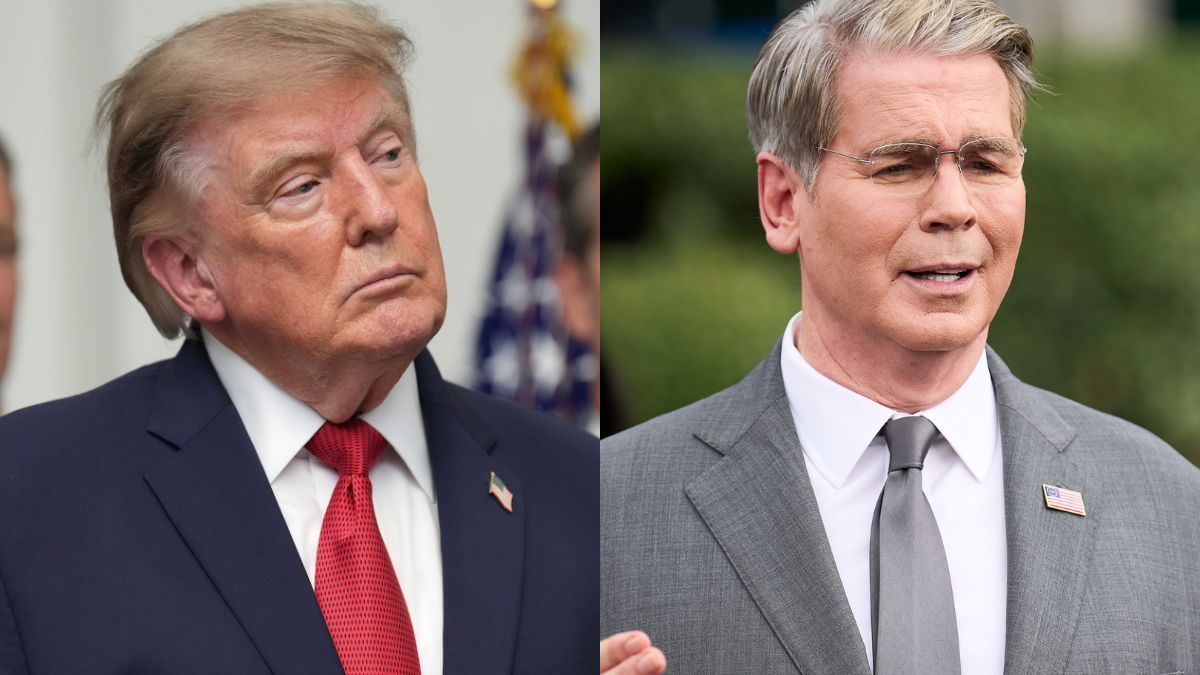
US Plans 'Economic D-Day' Sanctions Campaign Against Iran

Chevron Plans $7 Billion Venezuela Expansion Amid U.S. Oil Push

Saudi Arabia Says Iranian Tanker Attack Killed Two Sailors
U.S.-Iran Exchange Escalates Across Middle East, Markets Slide
Trump Aides Seek Quiet Iran War Before Midterm Elections
US Warns Middle East Travelers Amid Escalating Iran-Linked Tensions