1 week ago
Trump’s Iran Sanctions: Ending War or Expanding Economic Battle?
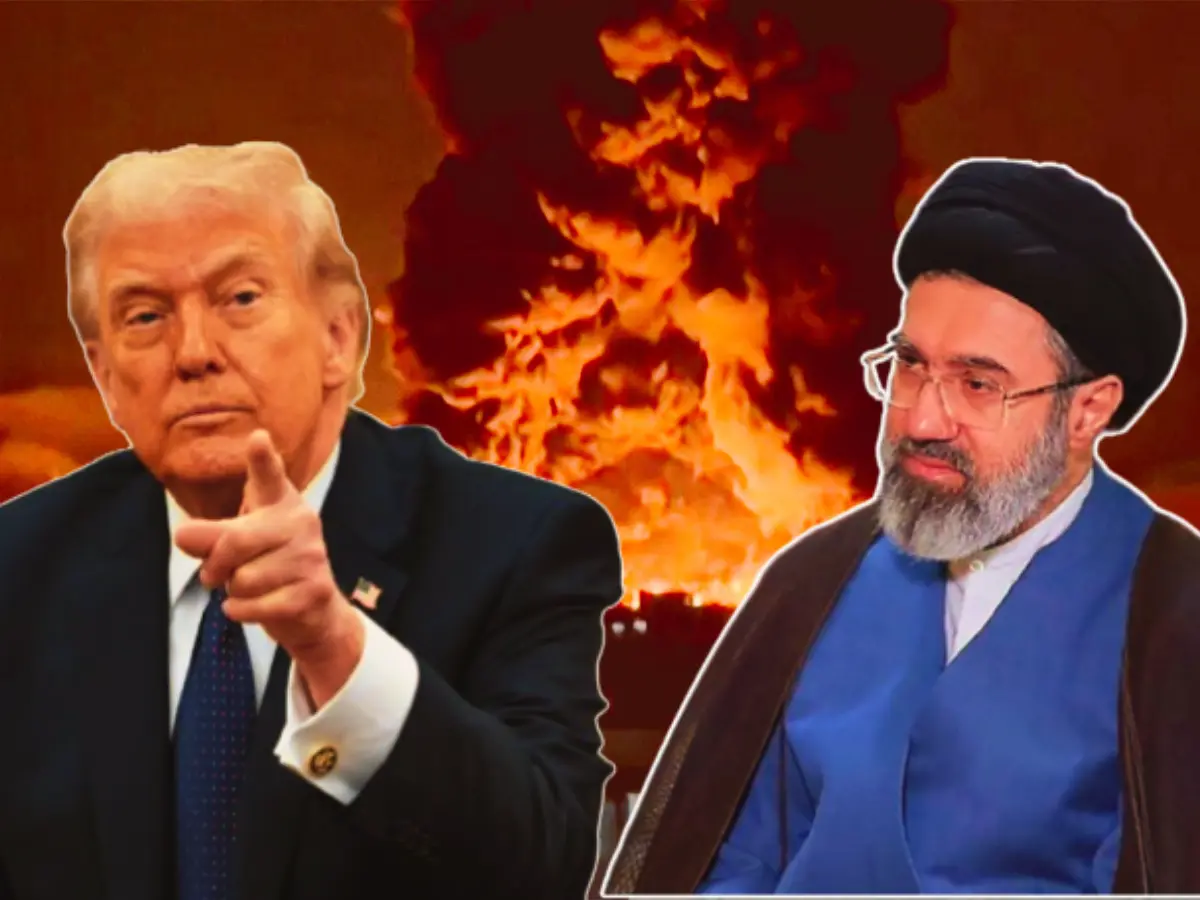
The United States has used economic penalties against Iran for more than 40 years.
These penalties are called sanctions.
They have hurt Iran’s economy, especially its oil sales and banking system.
In the past, sanctions helped bring Iran to talks before the 2015 nuclear deal.
However, they did not destroy Iran’s government.
President Donald Trump tried to pressure Iran again after leaving the agreement in 2018.
Iran suffered economically but continued to survive.
China still buys Iranian oil, and Russia supports Iran, making it harder for the United States to achieve its goals.

The article says it remains unclear whether President Donald Trump is ending the Iran war or beginning a wider economic conflict.
Washington has used sanctions against Iran for more than 40 years, beginning after the 1979 hostage crisis.
Earlier international pressure helped bring Iran to negotiations before the 2015 nuclear deal, but sanctions never destroyed the Iranian regime.
Trump’s 2018 withdrawal from the nuclear agreement caused severe economic damage but did not force Iran’s government to give in.
China continues buying Iranian crude oil, while Vladimir Putin and other countries challenge America’s efforts to isolate Tehran.
- Who
- The United States, led by President Donald Trump, is pressuring Iran; China and Vladimir Putin are described as supporting or helping Iran.
- What
- The United States is using new sanctions and economic pressure against Iran, while observers question whether this will end the war or widen the conflict.
- Where
- The conflict involves the United States and Iran, with China buying Iranian oil and Russia acting as an ally of Iran.
- When
- The pressure campaign began after the 1979 hostage crisis; Trump withdrew from the nuclear agreement in 2018, and the current sanctions are described as new.
- Why
- Washington has sought to force Tehran to change its policies through pressure targeting Iran’s economy, oil, banking system, military, and nuclear program.
Pressure May Force Concessions
Pressure May Fail or Escalate Conflict
Effectiveness of sanctions
Pressure May Force Concessions
Supporters of the pressure strategy can point to earlier international sanctions that deeply damaged Iran’s economy and helped bring it to negotiations before the 2015 nuclear deal.
Pressure May Fail or Escalate Conflict
The article says decades of sanctions have weakened Iran but never destroyed its regime, and Trump’s 2018 strategy also failed to make Iran give in.
Iran’s international isolation
Pressure May Force Concessions
Washington’s sanctions are intended to isolate Iran and increase the pressure on its government.
Pressure May Fail or Escalate Conflict
The article says Iran is not fully isolated because China continues buying its oil and Vladimir Putin is an ally.
Wider consequences
Pressure May Force Concessions
The new sanctions could be viewed as an attempt to end the war by forcing Iran to change through economic pressure.
Pressure May Fail or Escalate Conflict
The article warns that the campaign could instead become a larger economic battle because America’s adversaries and other dissatisfied countries may resist Washington’s strategy.
Key facts
- Sanctions history
- U.S. economic pressure on Iran has continued for more than 40 years.
- Initial action
- President Jimmy Carter froze around $12 billion in Iranian assets after the 1979 hostage crisis.
- Targets
- U.S. sanctions have targeted Iran’s banks, oil industry, military, and nuclear program.
- Earlier success
- International sanctions reduced Iran’s oil exports, isolated its banking system, and helped bring Tehran to talks before the 2015 nuclear deal.
- 2018 withdrawal
- President Donald Trump withdrew the United States from the nuclear agreement in 2018.
- Iran’s response
- The article says Iran suffered economically but its regime survived.
- China’s role
- China is described as Iran’s biggest oil customer and has continued purchasing Iranian crude oil.
Sources
Related news

Trump Threatens Economic D-Day Against Iran and Its Partners
US Sanctions on Iran Face Limits Despite Trump Pressure

Economic Pressure May Weaken Iran Without Forcing Surrender
US Plans Toughest Iran Sanctions, Urges China Cooperation
US Seeks Allies’ Support for Economic War on Iran
US Plans 'Economic D-Day' Sanctions Campaign Against Iran
Trump Ranks Himself Above Washington and Lincoln as Greatest

Dolly Parton Remembered Through Five Decades of Candid Words
Trump’s Iran War Risks Turning Foreign Policy Into Midterm Liability

Al Gore Calls Trump a Threat