1 week ago
US-China Trade Gap: Tariffs and IMF Talks

The United States and China have different ways of handling money.
The US spends and invests more than it saves, which means it needs money from other countries.
China saves more than it invests within its own country, so it looks for places outside to use that extra money.
This creates a trade imbalance where the US imports more than it exports to China.
Some people think putting tariffs on goods can fix this, but the article says that might not work.
Instead, it suggests that talks under the International Monetary Fund (IMF) could help the two countries find a better solution.

The US spends and invests more than it saves, relying on foreign capital.
China saves more than it invests domestically, relying on external markets.
The trade imbalance between the US and China is not simply due to bilateral trade statistics.
Tariffs may not be an effective solution for the trade gap.
IMF-mediated talks could help address the underlying economic differences.
- Who
- United States and China
- What
- Trade imbalance and potential solutions
- Where
- Global context, primarily between the US and China
- When
- Not specified
- Why
- Differences in national saving and investment patterns
Key facts
- Countries Involved
- United States, China
- Trade Issue
- Trade imbalance
- Proposed Solution
- IMF-mediated talks
- Underlying Cause
- Differences in national saving and investment
- US Economic Behavior
- Spends and invests more than it saves
- China Economic Behavior
- Saves more than it invests domestically
- China's Reliance
- External markets for surplus savings
Sources
Related news
Bessent Presses G20 on China Trade and Iran Sanctions
Bessent Urges G20 to Consider More Trade Barriers on China
China Blocks G20 Consensus Over Trade Imbalance Proposals
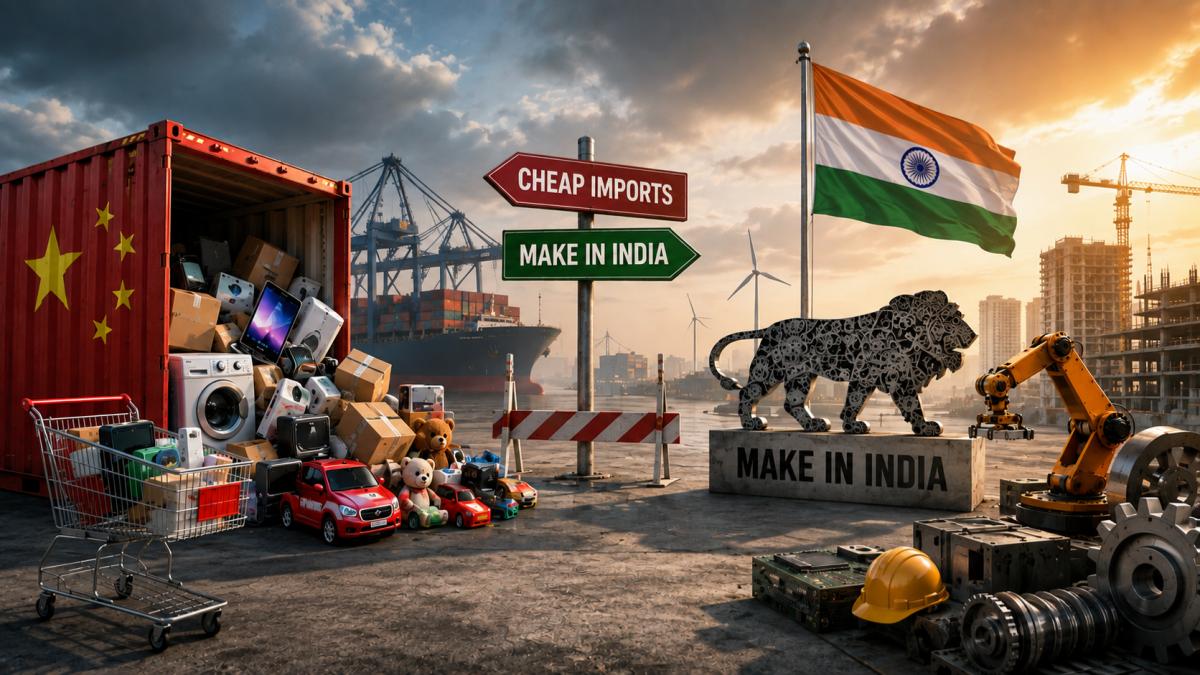
Cheap Chinese Imports Test India’s Make in India Strategy
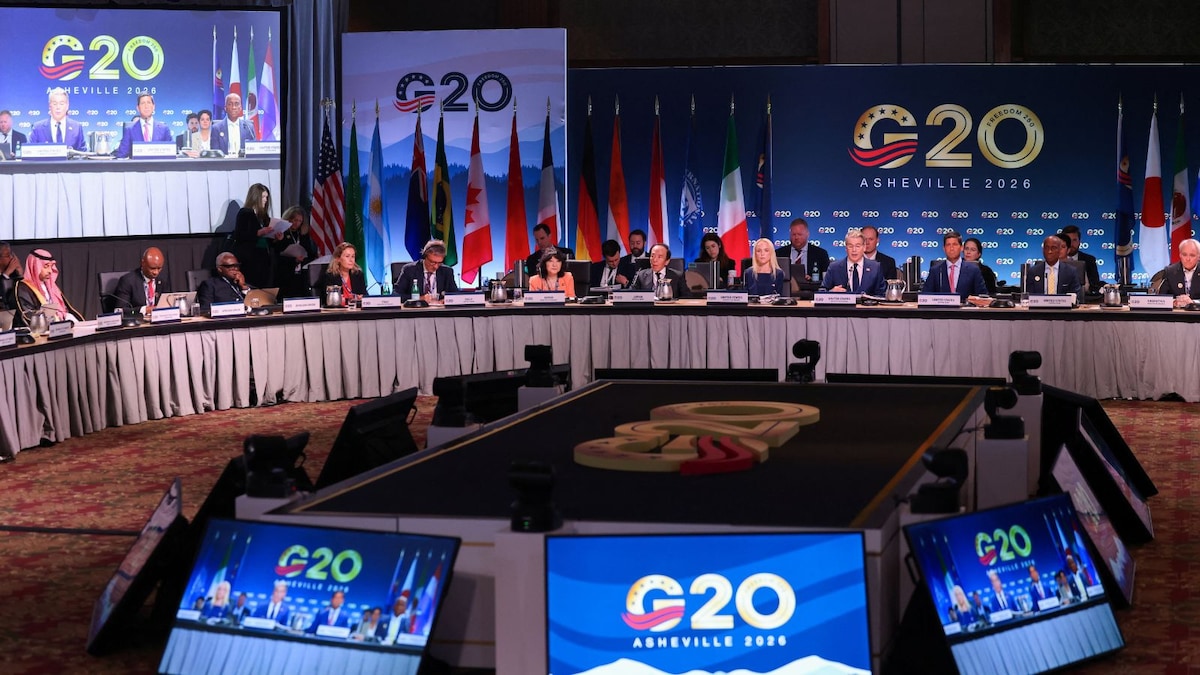
G20 Finance Chiefs Back Action on Trade Distortions, Except China

RBI Governor Meets US Fed Chief Kevin Warsh at G20

India’s Fourth BRICS Chair Faces a Much Larger Summit

Nepal Families Seek Missing Loved Ones After Deadly Flash Floods
Putin Faces Western Isolation While Russia Builds Non-Western Ties
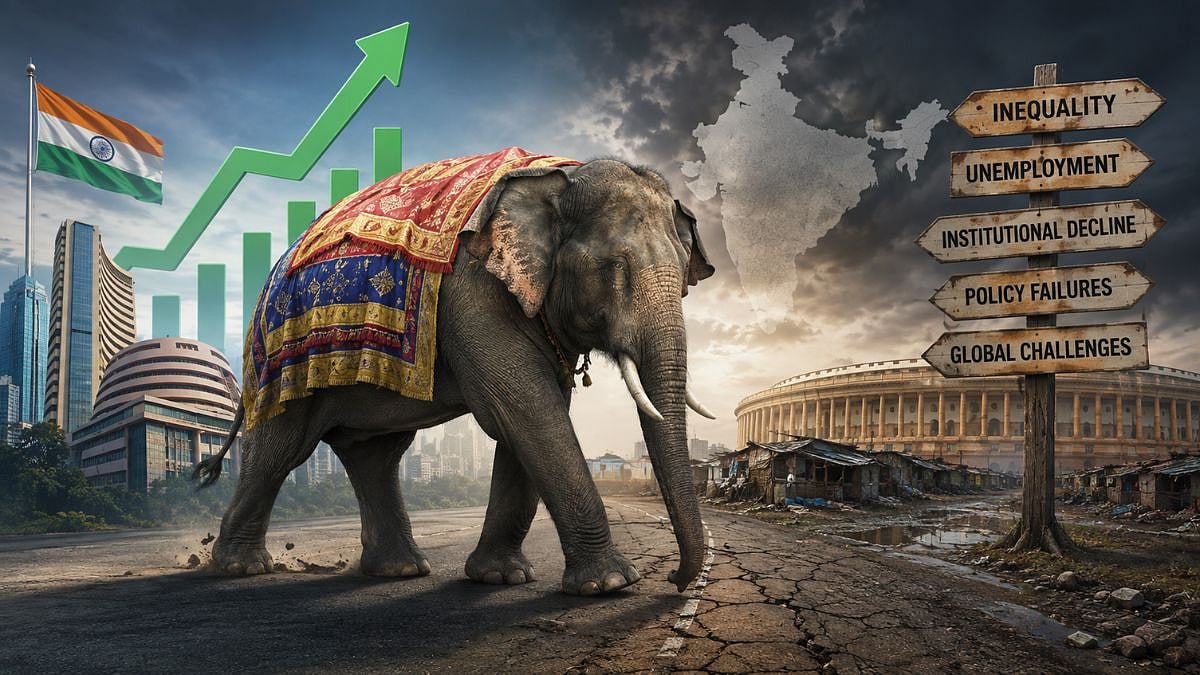
India’s Global Power Ambitions Face Economic and Democratic Setbacks
India’s 7.8% Growth Broad-Based, but Jobs Remain Challenge