15 hrs ago
G20 Finance Chiefs Back Action on Trade Distortions, Except China
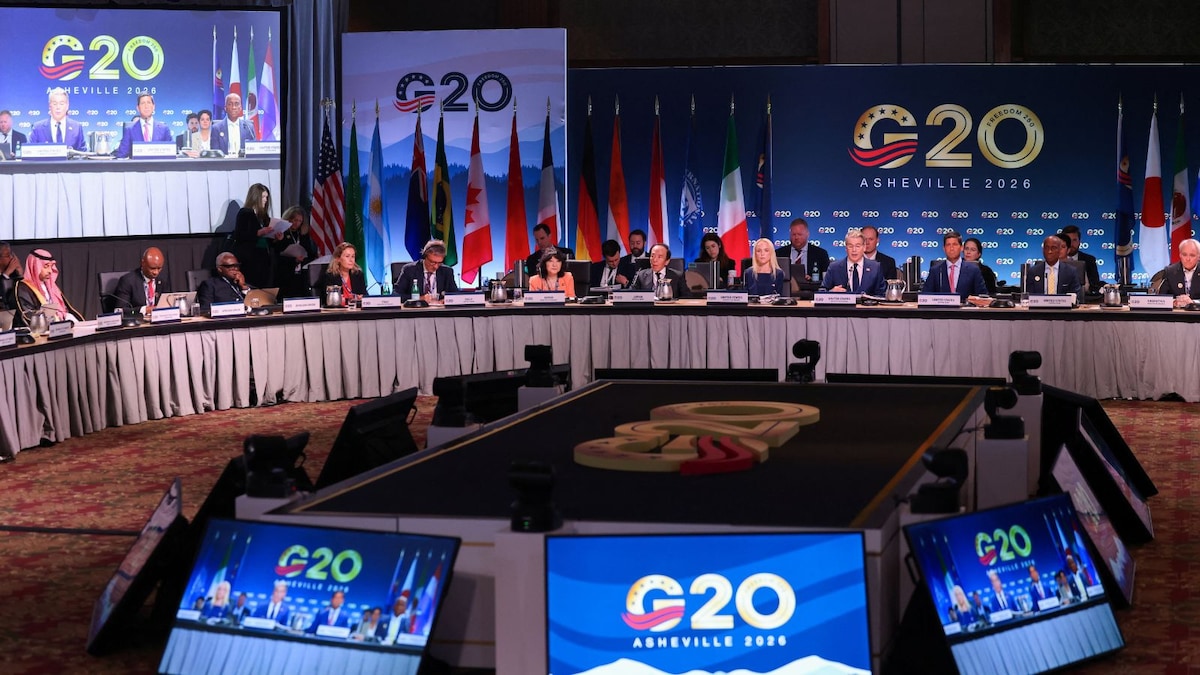

Finance leaders from 19 G20 countries backed action against non-market policies, while China withheld support.
The G20 statement urged countries with persistent trade surpluses to reduce distortions that weaken domestic consumption and increase export dependence.
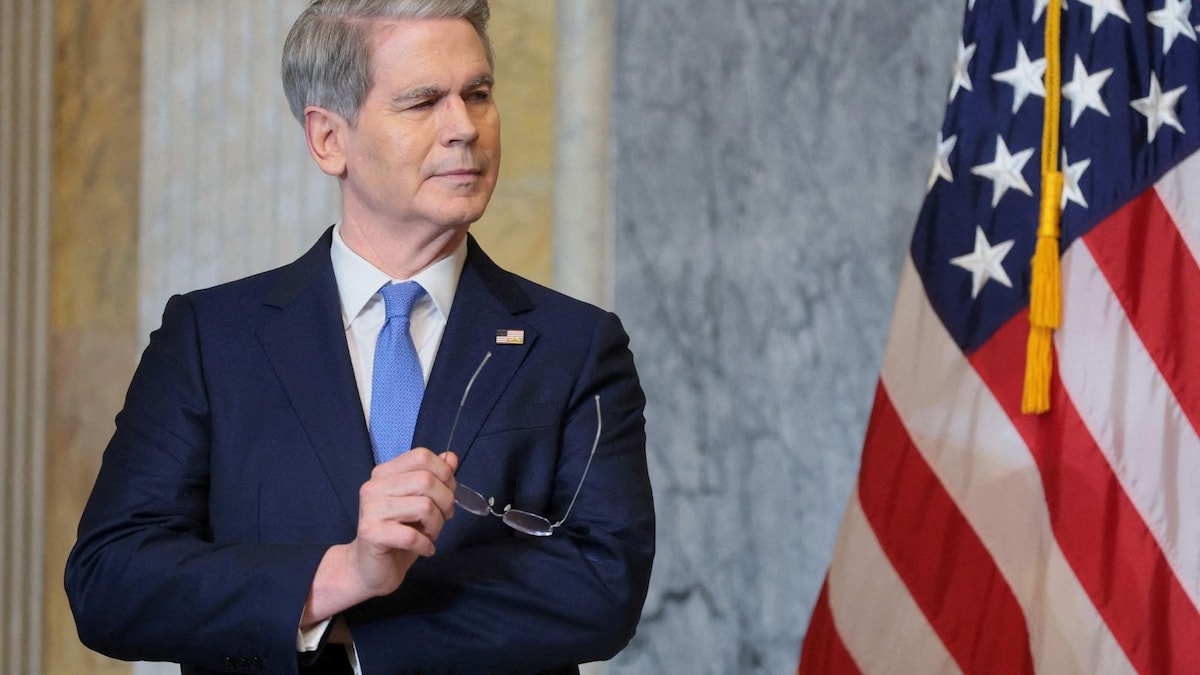
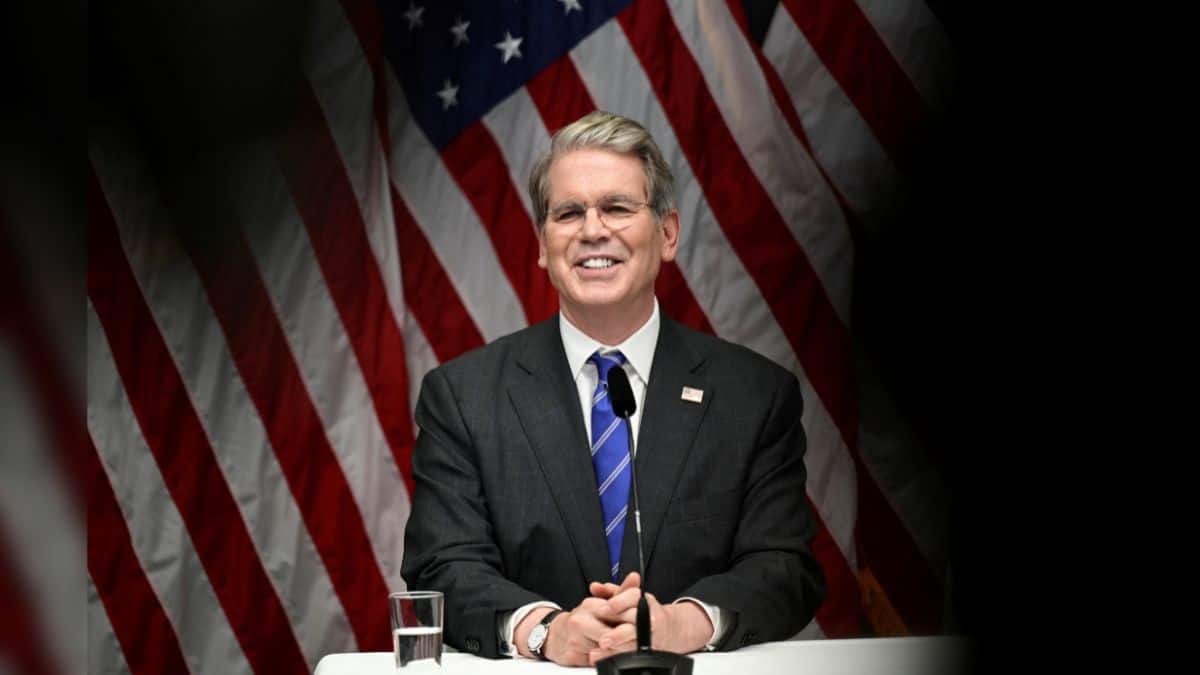
US Treasury Secretary Scott Bessent blamed China’s export surge for diverting cheap goods into other markets after US tariff increases.
European officials said China contributes to global imbalances but also criticized US tariffs and other sources of economic uncertainty.
The meeting also called for avoiding unnecessary export restrictions on critical minerals as global bond markets sold off.
- Who
- Finance ministers and central bank officials from the G20, including US Treasury Secretary Scott Bessent and Chinese representatives.
- What
- Most G20 financial leaders backed action against non-market policies, trade distortions, and unnecessary critical-mineral export restrictions.
- Where
- At a G20 finance ministers’ meeting hosted by the United States.
- When
- The agreement was issued Tuesday after a two-day finance chiefs’ meeting.
- Why
- Leaders cited global trade imbalances, export dependence, disrupted supply chains, inflation pressures, and economic uncertainty.
Supporters of action against trade distortions
China and critics of unilateral pressure
Responsibility for global imbalances
Supporters of action against trade distortions
The United States and other supporters said non-market economies, particularly China, are flooding global markets with cheap exports and relying excessively on foreign demand.
China and critics of unilateral pressure
China withheld support, while International Monetary Fund Managing Director Kristalina Georgieva said adjustment should be coordinated and should also include US efforts to reduce fiscal deficits and import demand.
Trade tariffs and economic uncertainty
Supporters of action against trade distortions
US officials argued that higher tariffs were justified by the diversion of Chinese goods into other markets and by persistent trade distortions.
China and critics of unilateral pressure
German Finance Minister Lars Klingbeil said US tariff conflicts, including the dispute with Canada, destroy trust and hold back growth; European officials said the United States and Europe also have roles in correcting imbalances.
Export restrictions and supply chains
Supporters of action against trade distortions
Japan and other G20 participants urged countries to avoid unnecessary restrictions on critical minerals and supported language protecting normal supply-chain operations.
China and critics of unilateral pressure
China had imposed rare-earth export restrictions after US tariffs, while the article says Beijing has leveraged its dominant position in critical-mineral processing.
Key facts
- Support for statement
- 19 G20 countries supported the trade-related language; China did not.
- China’s July exports
- China’s total exports rose 23.9% year-on-year in July.
- China-EU trade surplus
- China’s goods trade surplus with the European Union reached €360.6 billion last year, described as a 15% increase on 2024.
- Critical minerals
- The G20 statement urged countries to avoid unnecessary export restrictions so global supply chains can function normally.
- Japan bond yield
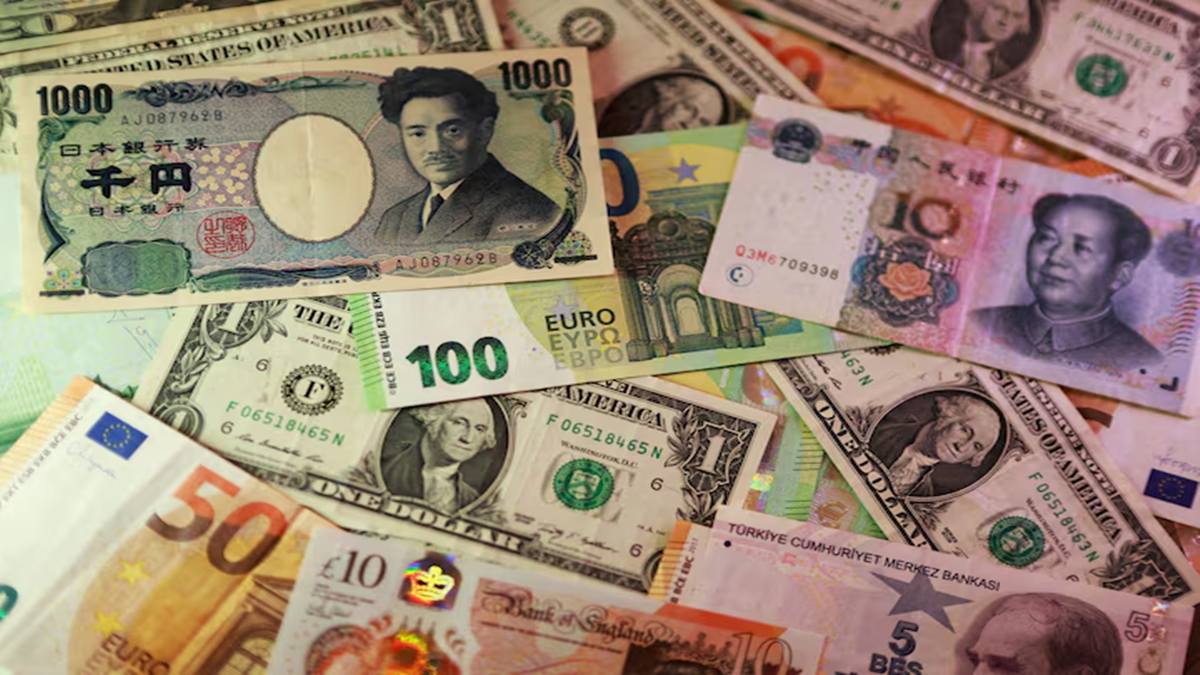
- Japan’s 10-year bond yield reached 3%, its highest level since 1996.
- Russia’s participation
- Russia attended the G20 finance meeting for the first time since its 2022 invasion of Ukraine, drawing criticism from European countries and Canada.
- Bank of Japan meeting
- The Bank of Japan’s next policy meeting was identified as September 17–18.
Quotes

Scott Bessent
US Treasury Secretary
“We believe that non-market-based economies pushing out a never-ending stream of cheap exports is not sustainable.”
 CNBC TV 18
G20 chair
Chair of the G20 finance ministers’ meeting
“In particular, countries with excessive and persistent external surpluses should remove distortions that constrain domestic consumption and that result in an over-reliance on exports for growth.”
CNBC TV 18

Lars Klingbeil
German Finance Minister
“Uncertainty is poison for economic growth. The tariff conflicts being pursued by the US, such as the current dispute with Canada, destroy trust.”
CNBC TV 18
Sources
Related news
China Blocks G20 Consensus Over Trade Imbalance Proposals
Bessent Presses G20 on China Trade and Iran Sanctions
Bessent Urges G20 to Consider More Trade Barriers on China

Bessent Faces G20 Test Over Tariffs, Iran War, Debt
G20 Finance Meeting to Address Growth, Imbalances and Iran Sanctions

RBI Governor Meets US Fed Chief Kevin Warsh at G20
Indian Firms Invest $40 Billion in U.S., Supporting Jobs
Trump Aides Seek Quiet Iran War Before Midterm Elections
Global Bond Sell-Off Pushes Japan Yields To 30-Year High

US and China Hold Quiet Talks Over Iran Conflict