1 week ago
Cheap Chinese Imports Test India’s Make in India Strategy
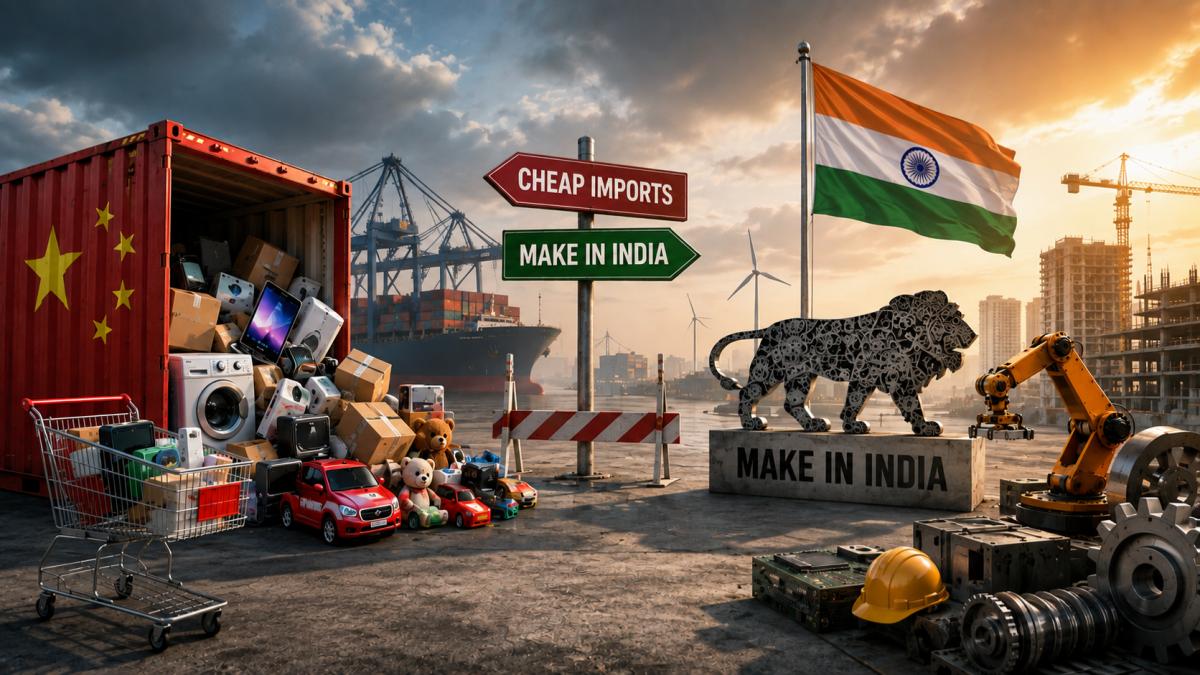
The United States may buy fewer goods from Asian countries than it used to.
China makes many more products than it consumes, so it must sell a lot abroad.
Chinese exports to the United States are falling, while shipments to other countries are increasing.
India could receive many of these goods because it has a large and growing consumer market.
Cheap imports can help families and businesses pay less.
However, they can also make it harder for Indian factories to grow.
Trade agreements with Europe and the United Kingdom may help some Indian exporters, but they could also increase imports.
Nuvama says India should invest more in factories and productive businesses.
The report says this is a possible structural risk, not an unavoidable outcome.

Nuvama says a more investment-led United States economy and higher tariffs could reduce demand for Asian exports.
China produced about 28% of global manufacturing in 2024 but represented only 13% of global consumption.
Chinese shipments to the United States fell while exports to other destinations rose, according to Nuvama’s tracking.
India’s goods trade deficit reached about $351 billion, including an estimated $113 billion deficit with China in FY26.
Nuvama recommends expanding manufacturing scale, productive investment, corporate credit and production-linked incentives.
- Who
- China, the United States, India and other Asian exporting economies; Nuvama economists analyzed the trend.
- What
- A potential redirection of Chinese exports toward India and other markets as United States demand and import capacity change.
- Where
- The trade effects could span the United States, China, India and other global markets.
- When
- The report discusses trends through June and July 2026, as well as longer-term changes since the 2000s.
- Why
- The United States is becoming more investment-led and is raising trade barriers, while China has substantial manufacturing output relative to domestic consumption.
Cheap Imports and Market Access
Domestic Manufacturing and Industrial Scale
Effect of Chinese goods
Cheap Imports and Market Access
Lower-priced Chinese products can reduce costs for households and companies and help restrain inflation.
Domestic Manufacturing and Industrial Scale
Large-scale Chinese competition can reduce domestic producers’ market share before Indian firms achieve sufficient scale.
Role of free-trade agreements
Cheap Imports and Market Access
Agreements with the European Union and United Kingdom broaden markets for Indian exporters and are described as welcome by Nuvama economists.
Domestic Manufacturing and Industrial Scale
Nuvama says past agreements often produced faster import growth than export growth, so new deals may not deliver a large overall manufacturing boost.
Economic policy response
Cheap Imports and Market Access
India could benefit from its large consumer market and increased access to foreign goods and markets.
Domestic Manufacturing and Industrial Scale
Nuvama argues that India should prioritize manufacturing scale, public investment, corporate credit and larger production-linked incentives rather than focusing mainly on consumption.
Key facts
- China’s manufacturing share
- About 28% of global manufacturing in 2024.
- China’s consumption share
- About 13% of global consumption in 2024.
- China’s estimated 2025 current-account surplus
- Approximately $700 billion.
- India’s goods trade deficit
- About $351 billion over the 12 months through June 2026.
- India-China goods deficit
- Approximately $113 billion in FY26, based on about $132 billion of Chinese exports to India and $19 billion of Indian exports to China.
- India’s production-linked incentive spending
- Nuvama estimated average spending at about ₹115 billion in FY25-FY26.
- Trade agreements discussed
- India’s agreements with the European Union and United Kingdom, alongside older deals with ASEAN, Japan and Korea.
Quotes
Nuvama economists
Economists assessing the likely effects of India’s trade agreements
“produce winners and losers in the domestic economy but may not necessarily provide a big aggregate boost to the Indian manufacturing sector”
 financialexpress.com
“China’s excess capacity is now being flooded in the rest of the world”
financialexpress.com
Sources
Related news

India Needs Structural Transformation To Reach $2 Trillion Exports

Jayant Sinha urges India to lower trade barriers for exports

US Names India in $67 Billion Transshipment Scam Report

India’s Manufacturing Boom Widens Trade Deficit Through Imported Inputs

India’s Solar Module Boom Risks Overcapacity and Stranded Assets
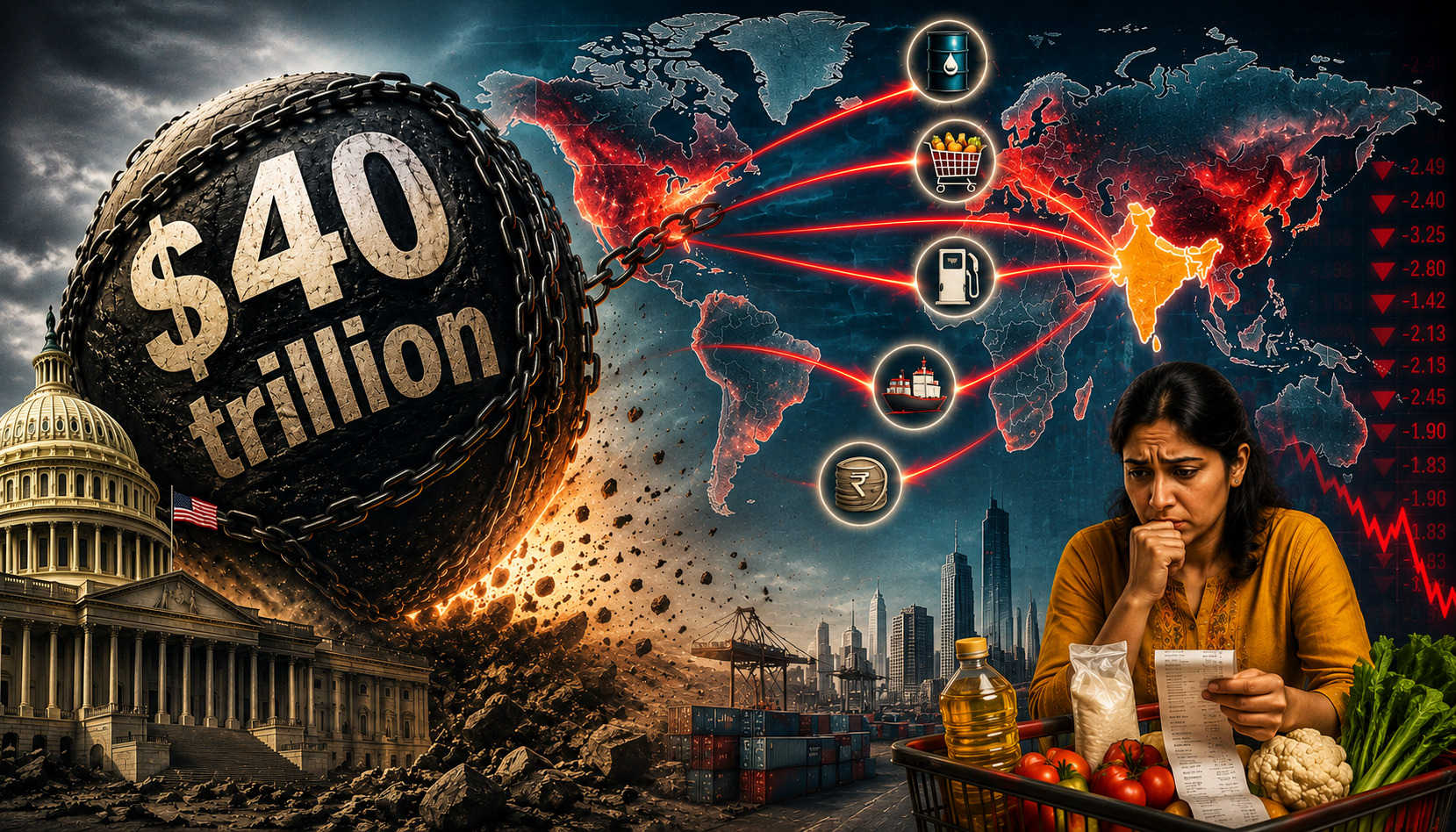
US $40 Trillion Debt Sends Economic Ripples Toward India

Nepal Plans New Landslide Warning System Along China Border

RBI Governor Meets US Fed Chief Kevin Warsh at G20

Tencent-Backed Enflame IPO Draws Massive Investor Demand

Falling Urea Prices Offer India Relief From Subsidy Pressure
Pentagon Turmoil Deepens as Hegseth Tightens Grip on Military