

2 days ago
Bessent Presses G20 on China Trade and Iran Sanctions
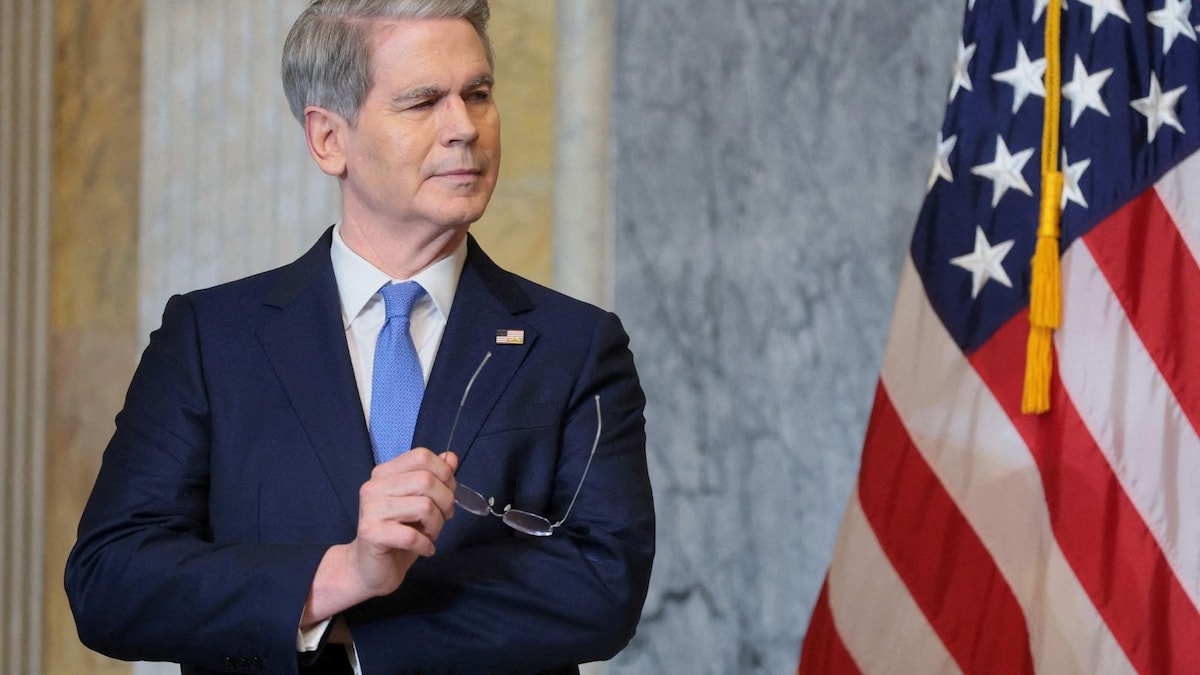
Scott Bessent is the US Treasury secretary.
He says China is making and exporting much more than it buys, partly because people in China are not spending enough.
He wants other countries to discuss how they trade with China.
The United States also wants G20 countries to reduce economic imbalances.
Bessent does not think changing currency values alone would fix the problem.
He says China should rely more on spending by its own households and less on exports and factories.
Bessent also warned that the US will impose more penalties on banks and other groups that help Iran use the international financial system.
These penalties can target organizations outside Iran.
The discussions come before an expected meeting between Donald Trump and Xi Jinping.

US Treasury Secretary Scott Bessent urged G20 members to rethink trade ties with China and address its $1.2 trillion trade surplus.
Bessent said Chinese exports are increasingly moving to Europe and Latin America as weak domestic demand pressures Beijing.
The United States is seeking a G20 statement calling for reduced trade and current-account imbalances.
Bessent rejected a currency-focused solution, arguing that industrial subsidies and weak Chinese household spending are the deeper problems.
He warned that the United States may announce new secondary sanctions on institutions helping Iran access global financial markets, potentially every week.
- Who
- US Treasury Secretary Scott Bessent, G20 finance leaders, Chinese officials, and institutions linked to Iran’s financial access.
- What
- Bessent is urging a tougher international response to China’s trade surplus and warning of recurring US secondary sanctions against Iran-linked financial institutions.
- Where
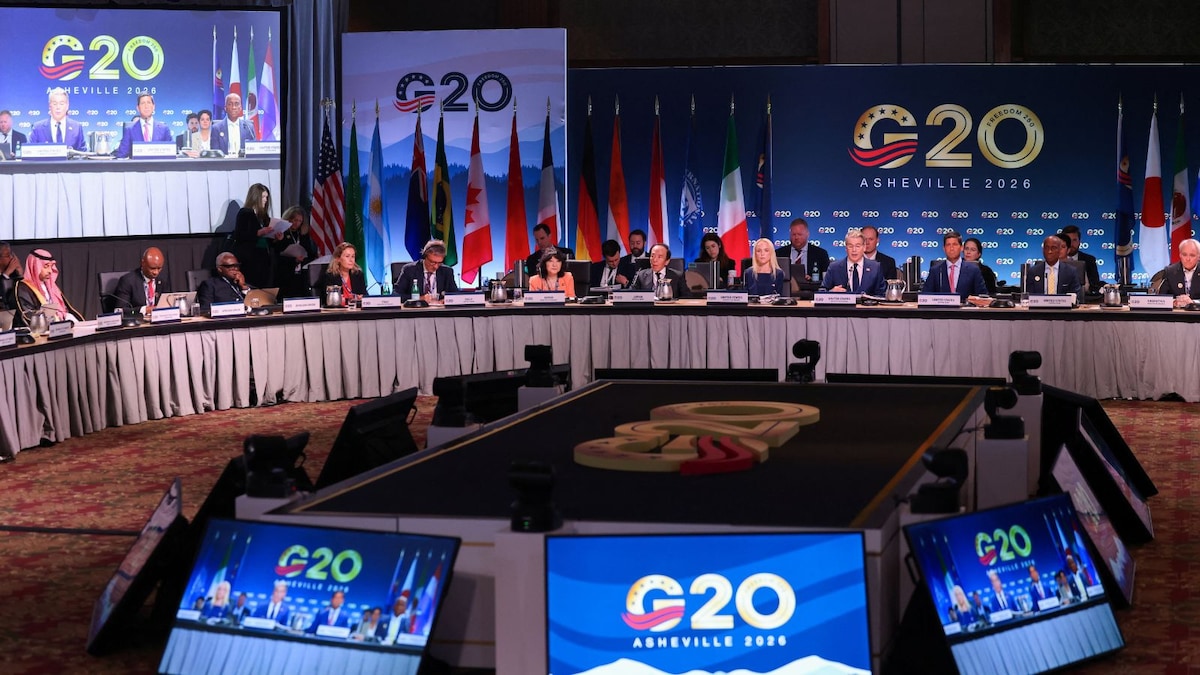
- The G20 meeting is scheduled for Asheville, North Carolina; the trade and sanctions issues concern China, Iran, and other international markets.
- When
- Ahead of the G20 finance leaders’ meeting in Asheville, North Carolina, and before an expected Trump-Xi meeting in late September; the article says new Iran sanctions may begin weekly.
- Why
- Bessent argues that China is relying excessively on exports amid weak domestic demand and that institutions helping Iran access global finance should be penalized.
United States’ position
Alternative approaches and affected parties
How to address China’s trade surplus
United States’ position
Bessent says countries should reconsider their trade relationships with China and press Beijing to reduce industrial subsidies, strengthen household consumption, and rebalance its economy.
Alternative approaches and affected parties
Some economists and European policymakers have proposed an international currency arrangement similar to the 1985 Plaza Accord, with a stronger yuan helping address the imbalance.
Effect of US tariffs
United States’ position
The United States says its tariffs and import restrictions have reduced its trade deficit with China and limited Chinese goods entering the US market.
Alternative approaches and affected parties
Bessent acknowledged that Chinese goods may instead be moving into other markets, particularly Europe and Latin America, leaving other economies to decide how to respond.
Pressure on Iran-linked institutions
United States’ position
Bessent says banks and other institutions must sever economic links with Tehran or risk US secondary sanctions and exclusion from the dollar-based financial system.
Alternative approaches and affected parties
The policy places third-country companies and banks at risk of penalties for continuing business with sanctioned Iranian entities; Bessent rejected the view that Chinese companies buying Iranian oil must also be targeted for the campaign to succeed.
Key facts
- Chinese trade surplus
- Bessent cited a Chinese trade surplus of $1.2 trillion.
- US-China goods deficit
- The US goods trade deficit with China fell by one-third year over year in the first six months of 2026 to $73.9 billion.
- Proposed G20 action
- The United States is seeking a joint statement calling for reductions in trade and current-account imbalances.
- Potential tariff discussions
- Bessent said the US and China could potentially remove tariffs on about $30 billion of non-strategic, non-critical goods on each side.
- Iran sanctions campaign
- The Treasury Department’s campaign, called Operation Economic Outcast, could produce new secondary sanctions potentially every week.
- Recent Iran-related penalties
- The US recently imposed penalties on the United Arab Emirates branches of Egypt’s Banque Misr over alleged financial links to Iran.
- Currency estimate
- The International Monetary Fund has estimated that China’s yuan could be undervalued by as much as 21%.
Quotes

Scott Bessent
US Treasury Secretary discussing China’s trade surplus and economic imbalances
“You're going to see a lot more of these every week. We're starting with the banks, and we're telling the banks it's not okay to have Iranian money and to aid the regime.”
 CNBC TV 18
“There can be no leakage. You're either with us or you're with the Iranians.”
CNBC TV 18
Sources
Related news
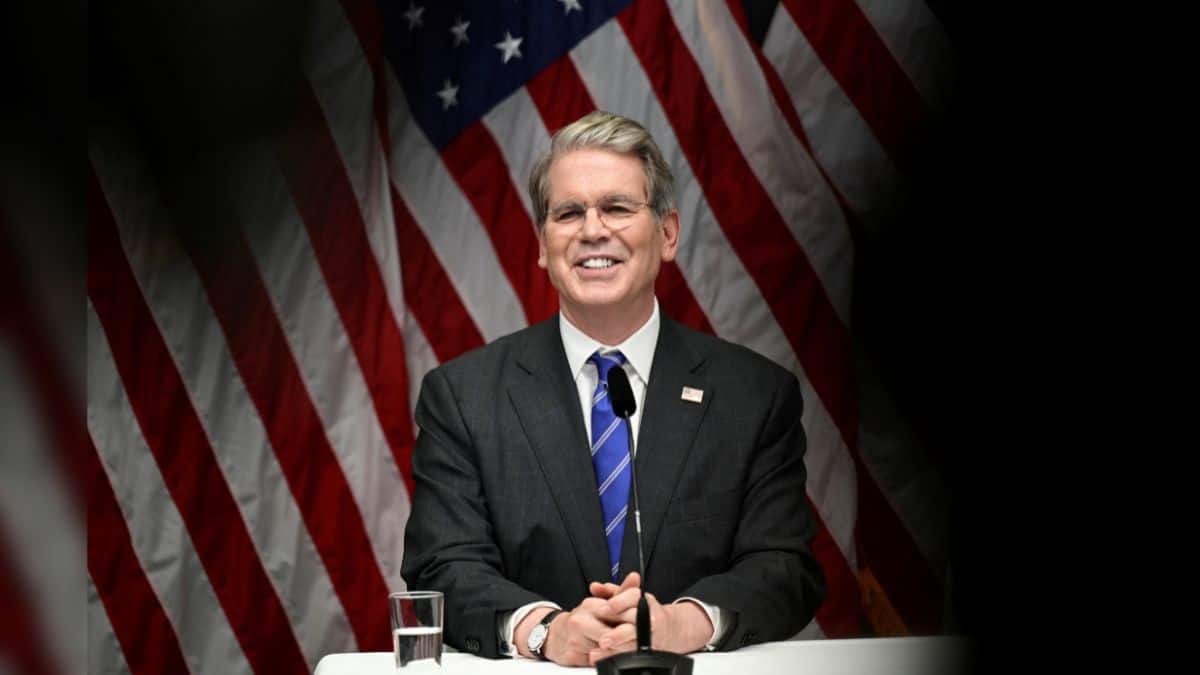
Bessent Urges G20 to Consider More Trade Barriers on China

Bessent Faces G20 Test Over Tariffs, Iran War, Debt
G20 Finance Meeting to Address Growth, Imbalances and Iran Sanctions
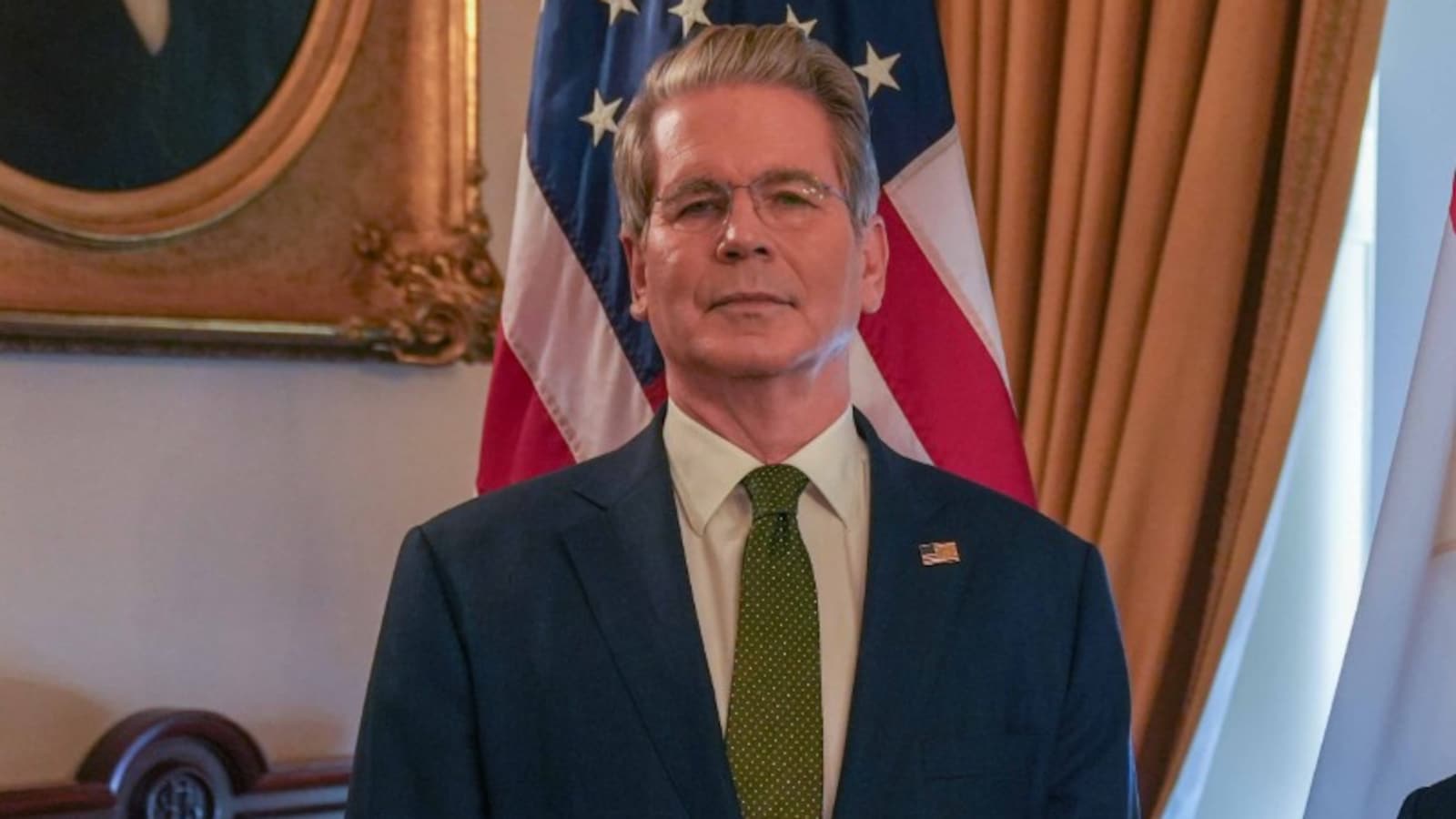
US Seeks G20 Support for Economic Pressure on Iran
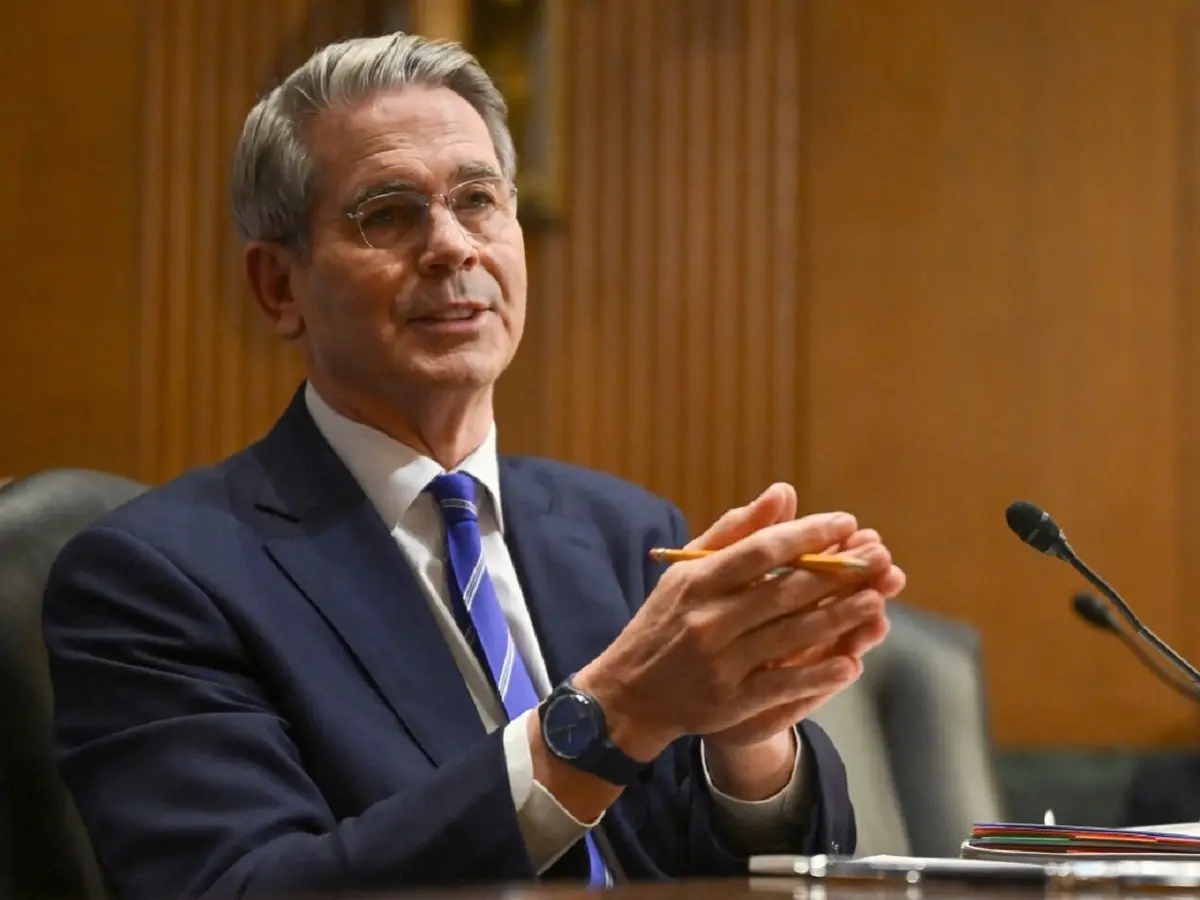
Bessent Says Iran Sanctions Can Work Without China
G20 Finance Chiefs Back Action on Trade Distortions, Except China
Ikea cuts European prices as cost pressures weaken demand

Europe's Bond Selloff Deepens as Middle East Tensions Lift Oil

China’s Rapid Car Development Faces Growing Safety Scrutiny
CNG Prices Rise Rs 2 per Kilogram in Pune
China Challenges US Leadership in Escalating Global AI Contest