14 hrs ago
China Blocks G20 Consensus Over Trade Imbalance Proposals
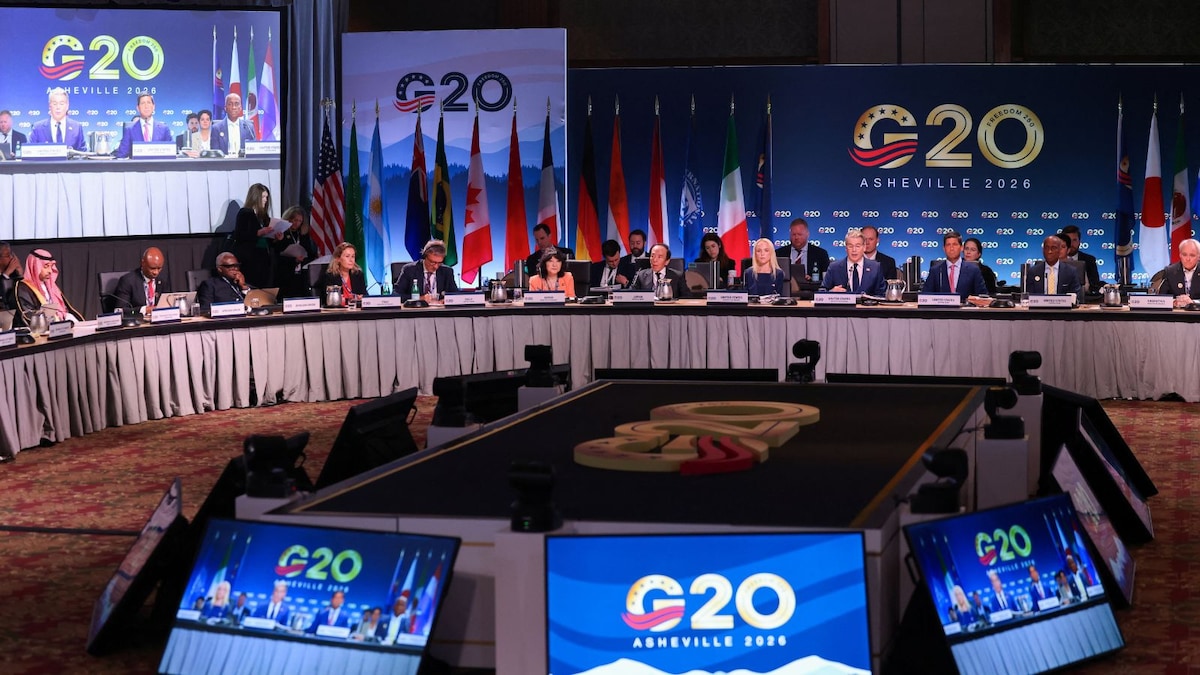
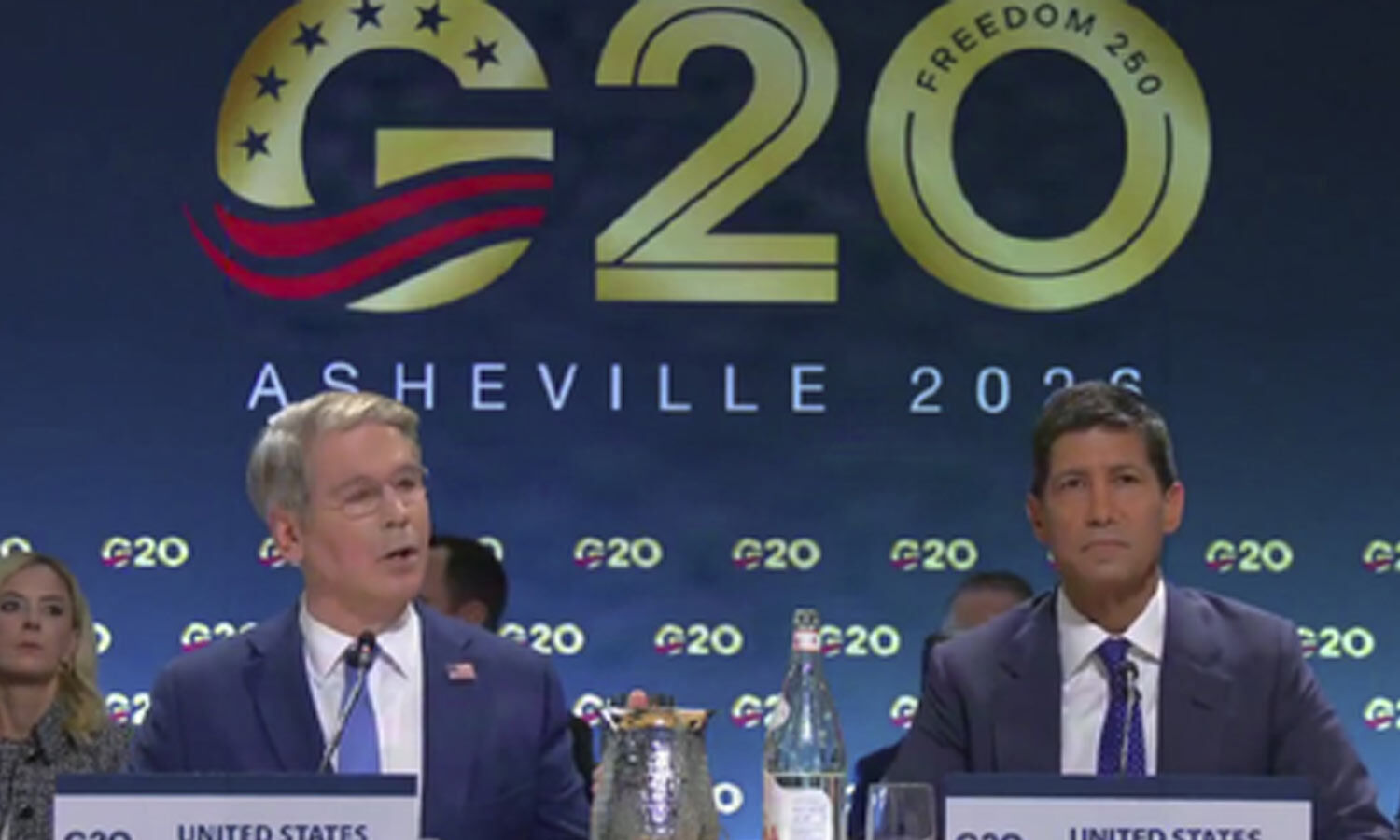
Finance leaders from the G20 met in Asheville to discuss problems in the world economy.
China disagreed with some proposals about countries that sell much more abroad than they buy.
The other 19 members supported a statement about reducing these trade imbalances.
They said countries with large surpluses should help people buy more at home instead of relying so heavily on exports.
Countries with large deficits were asked to save more and control government finances.
China also objected to parts about energy trade, the Strait of Hormuz, IMF checks, and debt restructuring.
The statement is not legally binding, so it does not force countries to change their policies.
The meeting also included business leaders, artificial intelligence, financial regulation, and sovereign debt.

China blocked consensus at a G20 finance ministers’ meeting over proposals addressing trade imbalances and non-market economic practices.
The other 19 members supported a chair’s statement urging countries with excessive surpluses to boost domestic consumption and reduce export dependence.
The statement also called on deficit countries to increase domestic savings and pursue fiscal consolidation.
China objected to sections concerning energy trade and the Strait of Hormuz, global imbalances, International Monetary Fund surveillance, and sovereign debt restructuring.
The meeting in Asheville also covered sovereign debt, artificial intelligence, financial regulation, and private-sector-led growth, with business leaders participating for the first time in the G20 Finance track.
- Who
- China, the other 19 G20 members, finance ministers, central bank governors, and United States Treasury Secretary Scott Bessent.
- What
- China blocked consensus over proposals addressing trade imbalances, non-market practices, IMF surveillance, and related issues.
- Where
- Asheville, North Carolina, United States.
- When
- After a two-day meeting, with the disagreement reported on Tuesday local time.
- Why
- China objected to several sections of the proposed statement, while the other members sought action on persistent surpluses, deficits, and policies they said distort markets and supply chains.
China’s objections
Other G20 members’ position
Trade imbalances
China’s objections
China blocked consensus and objected to proposals targeting global imbalances and non-market economic practices.
Other G20 members’ position
The other 19 members supported addressing excessive and persistent surpluses, export dependence, and policies that distort markets.
Chair’s statement
China’s objections
China objected to four sections covering energy trade and the Strait of Hormuz, global imbalances, International Monetary Fund surveillance, and sovereign debt restructuring.
Other G20 members’ position
The remaining members backed the statement and asked the International Monetary Fund to strengthen its analysis of the causes and spillover effects of global imbalances.
Possible trade responses
China’s objections
China’s position prevented a unanimous G20 outcome, and the articles do not state that it accepted possible trade protections.
Other G20 members’ position
Scott Bessent said there was broad alignment but stopped short of predicting whether individual members would impose tariffs or other protections.
Key facts
- Meeting
- G20 finance ministers and central bank governors’ meeting
- Location
- Asheville, North Carolina
- Consensus
- The other 19 members backed the chair’s statement; China did not
- Main concern
- Persistent global trade and current-account imbalances
- Surplus-country request
- Remove policies restricting domestic consumption and over-relying on exports
- Deficit-country request
- Support domestic savings and pursue fiscal consolidation
- Additional participants
- Business leaders joined the G20 Finance track for the first time, according to Scott Bessent
Quotes

Scott Bessent
US Treasury Secretary who described China's position at the G20 meeting
“It is clear that the country with the world's largest and unsustainable current account surplus, the People's Republic of China, was the dissenter.”
 thehansindia.com
“Around the globe, we believe that non-market-based economies pushing out a never-ending stream of cheap exports is not sustainable.”
thehansindia.com
Sources
Related news
G20 Finance Chiefs Back Action on Trade Distortions, Except China

RBI Governor Meets US Fed Chief Kevin Warsh at G20
Bessent Urges G20 to Consider More Trade Barriers on China
Bessent Presses G20 on China Trade and Iran Sanctions
Bessent Warns G20 Subsidies and Export Dependence Fuel Tensions

Bessent Faces G20 Test Over Tariffs, Iran War, Debt

Trump Floats Renaming Strait of Hormuz as ‘Trump Strait’

Chevron Plans $7 Billion Venezuela Expansion Amid U.S. Oil Push
Saudi Arabia Says Iranian Tanker Attack Killed Two Sailors
U.S.-Iran Exchange Escalates Across Middle East, Markets Slide
Trump Aides Seek Quiet Iran War Before Midterm Elections