

2 hrs ago
Tiruppur Adapts as New US Tariff Threat Revives
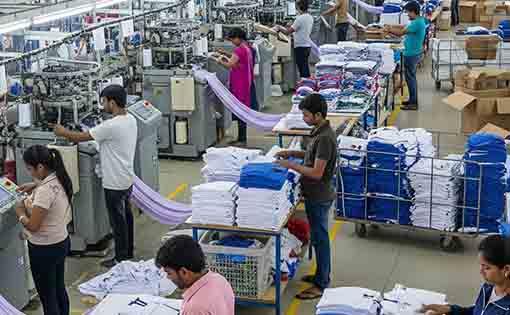
Tiruppur is a major city in India that makes clothes for customers around the world.
Many of its factories sell a large share of their clothes to the United States.
Earlier US tariff threats caused some orders to be cancelled and some workers to lose their jobs.
A new US law has created another possible tariff threat, although no final tariff rate has been announced.
Factory owners are trying to prepare by finding customers in Europe and the United Kingdom.
They are also making more clothes from man-made fibres instead of relying only on cotton.
Some businesses are sending orders earlier and using machines to lower costs.
Workers, including migrants from northern India, continue to come to Tiruppur, but some face insecure employment.
The city is calmer now because businesses have learned to expect sudden changes, but smaller firms and workers may still struggle.

Tiruppur accounts for nearly 60% of India’s knitwear exports and sends about 35% of its exports to the US.
US tariff shocks from August to December 2025 caused cancelled orders, layoffs and factory shutdowns in the textile hub.
A 2026 US law could enable tariffs of up to 100% on countries importing Russian oil and gas, but the rate and targets remain undecided.
Exporters are seeking buyers in the UK and Europe, diversifying into man-made fibres, accelerating shipments and adopting automation.
Migrant workers continue arriving in Tiruppur, while labour shortages and schooling needs for migrant children remain concerns.
- Who
- Tiruppur garment exporters, factory workers, migrant labourers and US policymakers are central to the situation.
- What
- Tiruppur’s export industry is responding to a renewed threat of US tariffs linked to countries importing Russian oil and gas.
- Where
- The effects are being felt in Tiruppur, Tamil Nadu, India, which depends significantly on the US export market.
- When
- The earlier crisis lasted from August to December 2025; the new legal threat emerged after September 18, 2026.
- Why
- The potential tariffs could make Indian exports to the US more difficult or expensive, prompting businesses to diversify markets, products and production methods.
Tariff-concerned exporters
Adaptation-focused exporters
Impact of the renewed threat
Tariff-concerned exporters
Exporters heavily dependent on the US fear slower business, cancelled orders and another disruption, especially because the new threat is backed by law.
Adaptation-focused exporters
Some exporters believe they can absorb shocks after the 2025 crisis and are preparing by shifting markets, products and production schedules.
Long-term outlook
Tariff-concerned exporters
Breaking into UK and European markets and switching from cotton to man-made fibres will require time, investment and new capabilities.
Adaptation-focused exporters
Diversification, automation and earlier shipments could reduce dependence on the US and improve productivity and resilience.
Effect on workers
Tariff-concerned exporters
Workers with the least security and smaller enterprises have limited ability to withstand another downturn, while migrant families face schooling challenges.
Adaptation-focused exporters
Migrant workers continue arriving, suggesting that Tiruppur remains an important source of employment despite the uncertainty.
Key facts
- Tiruppur’s export share
- The city accounts for nearly 60% of India’s knitwear exports.
- US market share
- About 35% of Tiruppur’s exports went to the US last year.
- Earlier tariff crisis
- The main disruption ran from August through December 2025.
- Potential tariff authority
- The 2026 US law opens the way to tariffs of up to 100% on countries importing Russian oil and gas.
- Industry workforce
- Tiruppur’s garment industry employs about one million workers, approximately half of them migrants.
- Business response
- Exporters are pursuing UK and European markets, man-made fibre products, earlier shipments and automation.
- Worker concerns
- Some units face labour shortages, while migrant children need access to schooling.
Quotes
Dinesh Babu Ravikrishnan
Executive secretary of the Tiruppur Exporters’ Association
“We were happy when the Supreme Court (of the US) struck down the tariff. Now the threat is back, and it is in the form of a law, not an executive order. No one knows what will happen”
 deccanchronicle.com
“The last one year has been a roller-coaster ride — tariff threats, geopolitical turmoil, orders being put on hold and cancelled. But I am optimistic.”
deccanchronicle.com
Sources
Related news
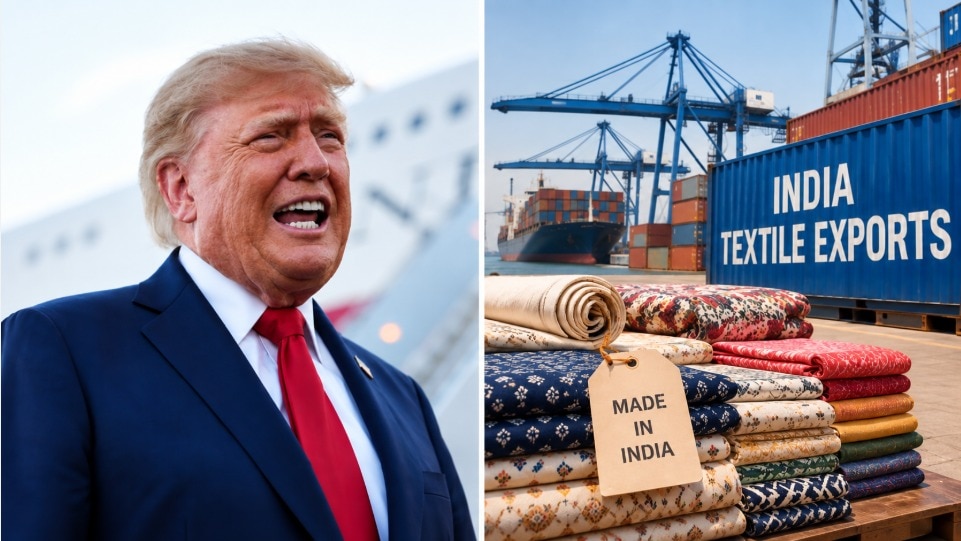
US sanctions bill threatens India's textile exports, CITI urges talks
Indian Exporters Warn US Tariffs Could Halt Shipments

Pearl Global Reports Resilient Western Demand Amid Tariffs
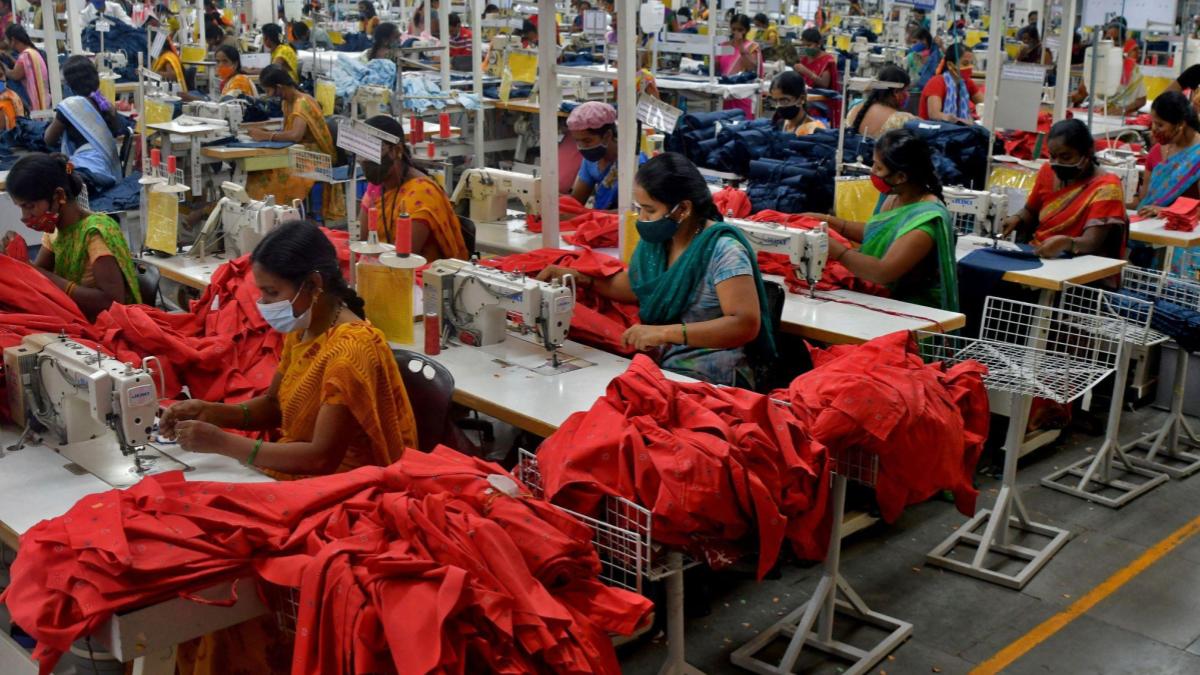
Jefferies Sees Three Shifts Unlocking India’s Textile Export Growth
New US Law Raises India’s Tariff Risk to 100%

India Prepares as US Russia Sanctions Bill Threatens Tariffs
Final candidate lists for Madurantakam, Dharapuram bypolls due today

15,000 Saplings Planted Across 100 Acres Near Tiruppur Dam

TVK Government to Launch Expanded Kamaraj Breakfast Scheme September 22

DMK Candidate Files Nomination for Dharapuram Assembly Bypoll
