1 hr ago
US sanctions bill threatens India's textile exports, CITI urges talks
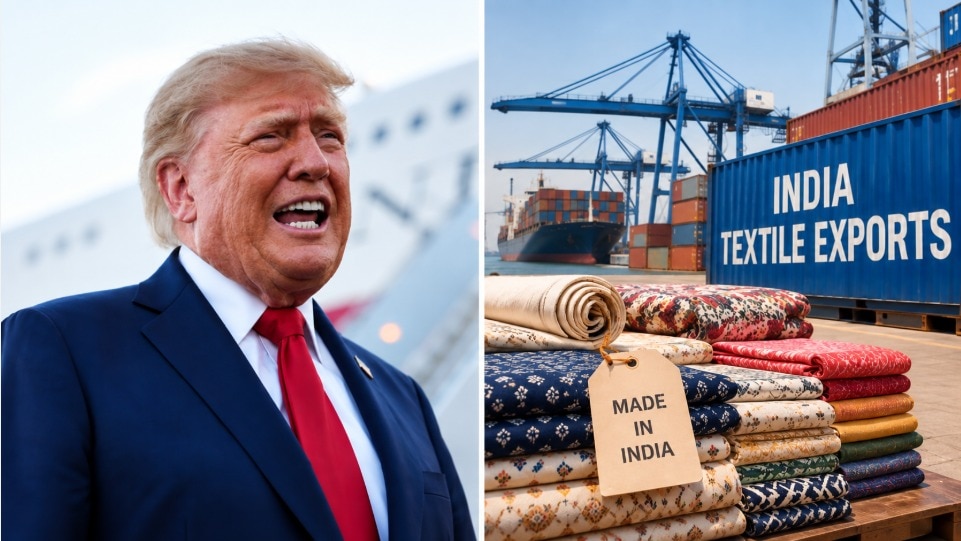
A proposed United States law could place extra taxes on goods from countries that buy large amounts of Russian energy.
India buys Russian oil, so Indian products such as clothing could face higher taxes when sold in the United States.
India’s textile industry says these taxes would be difficult for many small businesses to absorb.
The United States is the biggest overseas market for India’s textile and clothing exporters.
An industry group called CITI wants the Indian and US governments to discuss the issue quickly.
India has other trade agreements, but CITI says they will take time to create new sales.
India’s textile exports increased in August 2026, while clothing exports decreased.
The final effect on India is still uncertain because the US administration has not decided how the law would be applied.

CITI warned that possible US tariffs under a sanctions bill could severely affect India’s textile and apparel exporters.
The bill would require tariffs of up to 100% on goods from countries meeting specified Russian oil or gas purchasing criteria.
India and China are among the biggest buyers of Russian oil, potentially exposing Indian exports to higher US tariffs.
India’s textile and apparel exports rose 6.39% year-on-year in August 2026, although apparel shipments fell 2.74%.
CITI urged India and the United States to negotiate a fair trade agreement and prevent Indian exporters from being disadvantaged.
- Who
- The Confederation of Indian Textile Industry, Indian textile and apparel exporters, and the governments of India and the United States.
- What
- CITI warned that possible tariffs under a US sanctions bill could damage India’s textile and apparel exports.
- Where
- The potential measures concern goods entering the United States and their effects on India’s textile industry.
- When
- CITI issued its statement on September 19; the cited export figures cover August 2026 and April-August 2026.
- Why
- The bill targets countries connected to Russian oil or gas purchases, while the United States is India’s largest textile and apparel export market.
Indian Textile Industry Concerns
US Sanctions Policy
Effect of possible tariffs
Indian Textile Industry Concerns
CITI says additional tariffs would be difficult for India’s small and medium-sized, stressed textile sector to absorb and could weaken exporters’ competitiveness.
US Sanctions Policy
The legislation would impose tariffs of up to 100% on goods from countries that meet specified conditions related to Russian oil or gas purchases.
Trade priorities
Indian Textile Industry Concerns
CITI wants India and the United States to negotiate a predictable bilateral trade framework and prevent Indian exporters from being disadvantaged.
US Sanctions Policy
The bill is designed to target Russia’s energy and defence sectors, Vladimir Putin and other senior Russian officials, with the US administration retaining discretion over which countries could face tariffs.
Market alternatives
Indian Textile Industry Concerns
CITI says India’s free trade agreements with other partners could help but will take time and cannot replace the importance of the US market.
US Sanctions Policy
The immediate impact remains uncertain, and analysts said Washington may hesitate to impose measures that could raise US consumer and energy prices before the November midterm elections.
Key facts
- Potential tariff
- Up to 100% on goods imported from countries covered by the bill’s Russian energy purchasing criteria.
- US market importance
- The United States is India’s largest market for textile and apparel exports.
- August 2026 exports
- Overall textile and apparel exports increased 6.39% year-on-year in US dollar terms.
- August textile exports
- Textile exports rose 13.03% year-on-year.
- August apparel exports
- Apparel exports declined 2.74% year-on-year.
- April-August 2026 performance
- Textile exports grew 6.94%, apparel exports fell 9.10%, and combined exports declined 0.24% year-on-year.
- CITI request
- Greater India-US engagement and a fair, balanced and equitable bilateral trade agreement.
Quotes
Ashwin Chandran
Chairman of the Confederation of Indian Textile Industry
“Any additional tariffs under this Act will be very difficult to absorb for the MSME-dominated Indian textile and apparel sector already under stress due to several factors, including the continuing turmoil in West Asia.”
 businesstoday.in
“The FTAs offer a lot of potential, but the gains from those are not automatic for exporters and will take time to materialise.”
businesstoday.in
Sources
Related news
Indian Exporters Warn US Tariffs Could Halt Shipments
US Russia Sanctions Bill Raises India Tariff Risk
Jefferies Sees Three Shifts Unlocking India’s Textile Export Growth
US Russia Sanctions Bill Puts India Under Tariff Pressure

India-US Trade Pact Awaits Preferential Tariff Terms from Washington
India-US Trade Pact Talks Intensify Amid Exporter Tariff Concerns

Iran Executes Man Accused of Sharing Missile Site Information
US, China Rush to Finalize Tariff Talks Before Trump-Xi Summit

Baazex Launches Campaign to Expand Access Across Global Markets
Trump’s Greenland Security Deal Expands U.S. Arctic Military Reach