

2 hrs ago
New US Law Raises India’s Tariff Risk to 100%
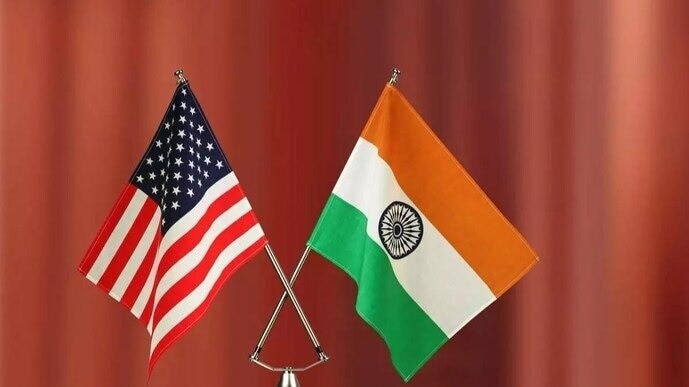
The United States passed a new law about countries that buy energy from Russia.
The law could allow tariffs, which are extra charges on imported goods, of up to 100 percent.
India buys a large amount of Russian energy, so its exports to the United States might be affected.
However, India has not yet been given a 100 percent tariff.
US officials must first decide which countries, products and tariff rates will be covered.
Countries would normally have 180 days to reduce their Russian energy purchases or negotiate with the United States.
President Trump can shorten that period.
India says it needs different energy sources to protect its people and economy.
Indian textile businesses worry that new tariffs would make selling goods in the United States much harder.

President Donald Trump signed a Congress-backed law allowing tariffs of up to 100% on major buyers of Russian energy.
India, described as the second-largest buyer of Russian energy after China, could be targeted under the law.
The law takes effect within 30 days, after which the United States Trade Representative will recommend countries, rates and covered products.
A 100% tariff is only the maximum legal possibility; no such tariff has yet been imposed on Indian goods.
Indian officials and textile representatives warn that tariffs could threaten energy security and severely hurt export-dependent businesses.
- Who
- President Donald Trump, the United States government, India, and other major buyers of Russian energy.
- What
- A new law gives the United States authority to impose tariffs of up to 100% on imports from major buyers of Russian energy.
- Where
- The measure concerns trade between the United States and countries including India, China and other major buyers of Russian energy.
- When
- The law was signed late Friday and is scheduled to take effect within 30 days; India responded on September 17.
- Why
- The law is intended to pressure major buyers to reduce Russian energy purchases and negotiate with the United States.
US Pressure on Russian Energy Buyers
India’s Energy and Trade Interests
Purpose of the tariffs
US Pressure on Russian Energy Buyers
The United States could use tariffs of up to 100% to pressure India and other major buyers to reduce purchases of Russian oil and gas.
India’s Energy and Trade Interests
India says diversified energy sourcing based on market conditions is necessary to protect energy security for its 1.4 billion people.
Negotiating leverage
US Pressure on Russian Energy Buyers
The tariff threat could be used to seek reduced Russian oil purchases and concessions in a bilateral trade agreement.
India’s Energy and Trade Interests
The Global Trade Research Initiative argues that India should not exchange long-term energy security for temporary tariff relief.
Impact on Indian exporters
US Pressure on Russian Energy Buyers
The actual effect remains undecided because the United States has not announced the final tariff rate, product coverage or implementation schedule.
India’s Energy and Trade Interests
Indian textile representatives say additional tariffs would be difficult to absorb and could severely damage sales in the United States.
Key facts
- Maximum possible tariff
- Up to 100%, although no 100% tariff has yet been imposed on Indian goods.
- India’s position
- India is described as the second-largest buyer of Russian energy after China.
- Implementation
- The law is scheduled to take effect within 30 days.
- Normal adjustment period
- Affected countries would normally have 180 days to reduce Russian energy purchases or negotiate with the United States.
- US decision-makers
- The United States Trade Representative will identify potential targets and recommend tariff rates.
- Waiver provision
- A national-interest waiver gives the US administration discretion over enforcement.
- Most exposed Indian sector
- The textile and apparel sector, which is dominated by micro, small and medium-sized businesses.
Quotes
Ajay Srivastava
Analyst at the Global Trade Research Initiative
“Any additional tariffs under this Act will be very difficult to absorb for the MSME-dominated Indian textile and apparel sector already under stress due to several factors, including the continuing turmoil in West Asia. It will severely impact our ability to sell in the US, our most significant market by a distance.”
 financialexpress.com
“The likely impact on Indian exports can be assessed only after Washington announces the tariff rate, product coverage and implementation schedule.”
financialexpress.com
Sources
Related news
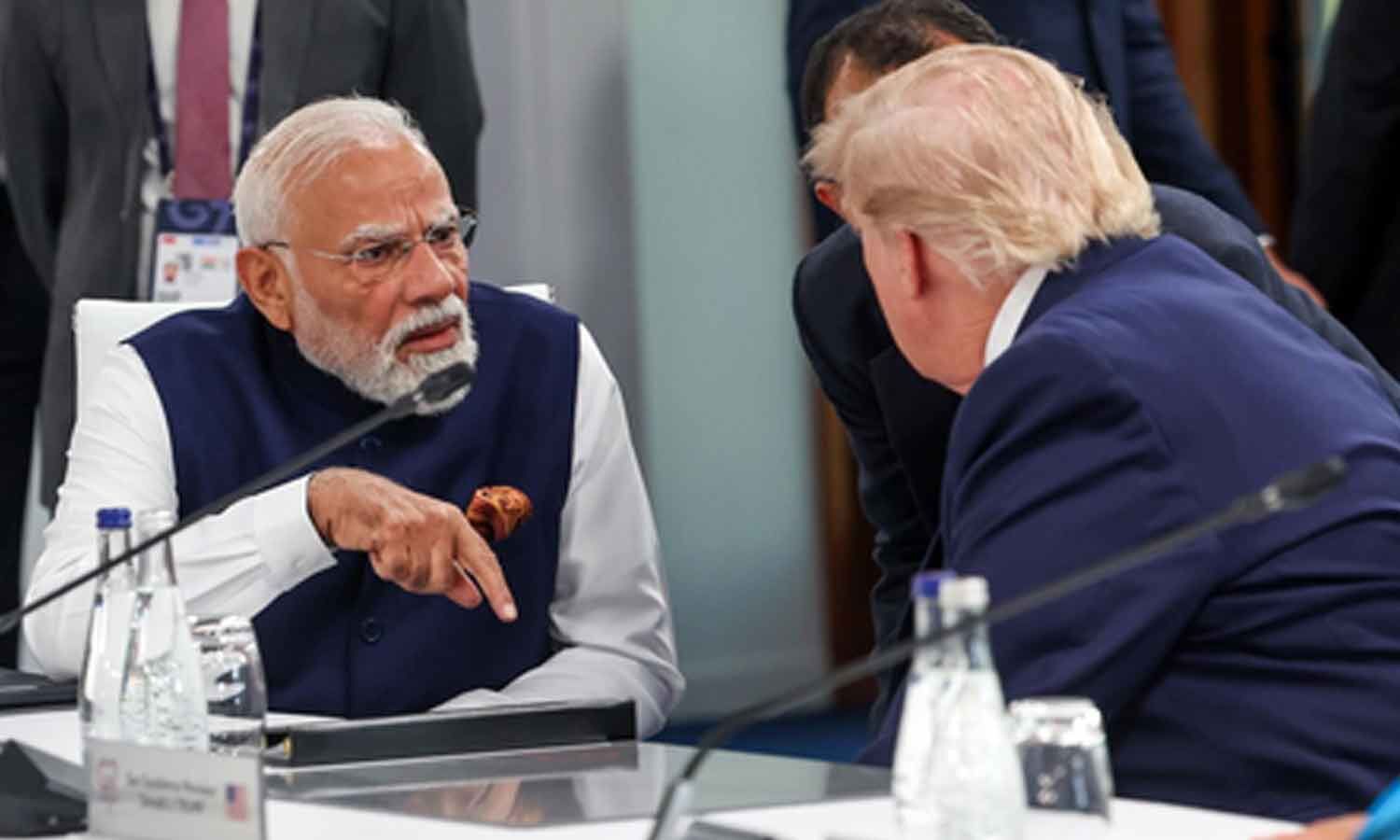
US Russia Sanctions Bill Raises India Tariff Risk
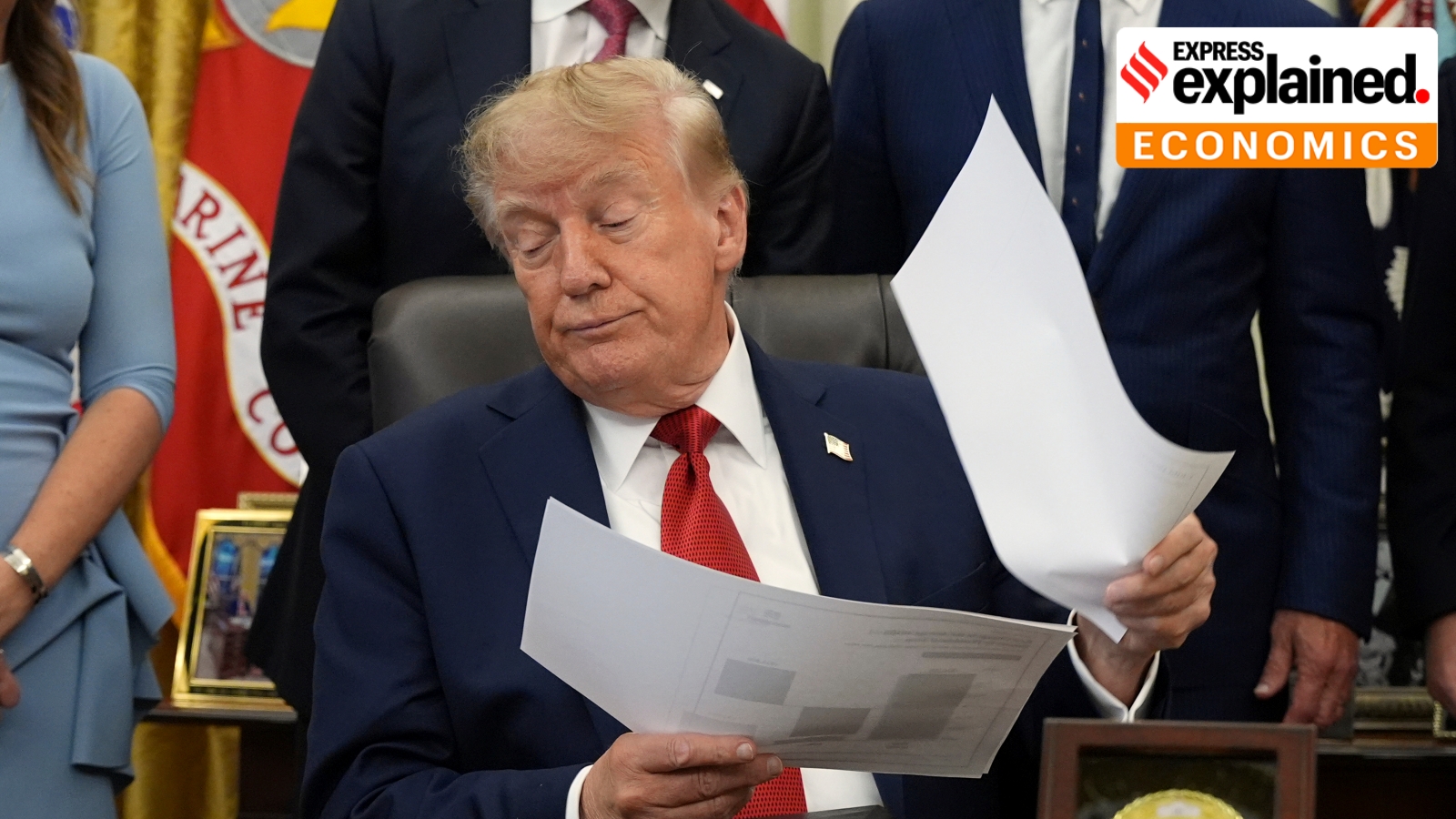
Trump’s Russia Sanctions Law Creates Fresh Tariff Pressure on India
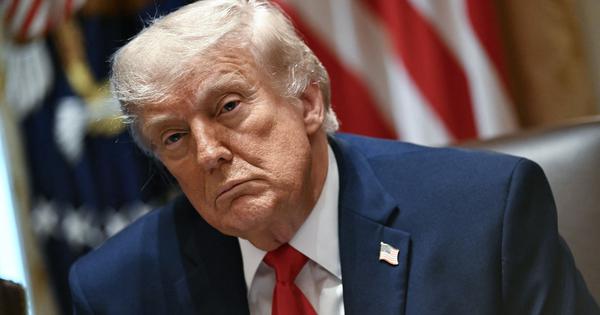
US House Passes Bill Allowing 100% Tariffs Over Russian Oil
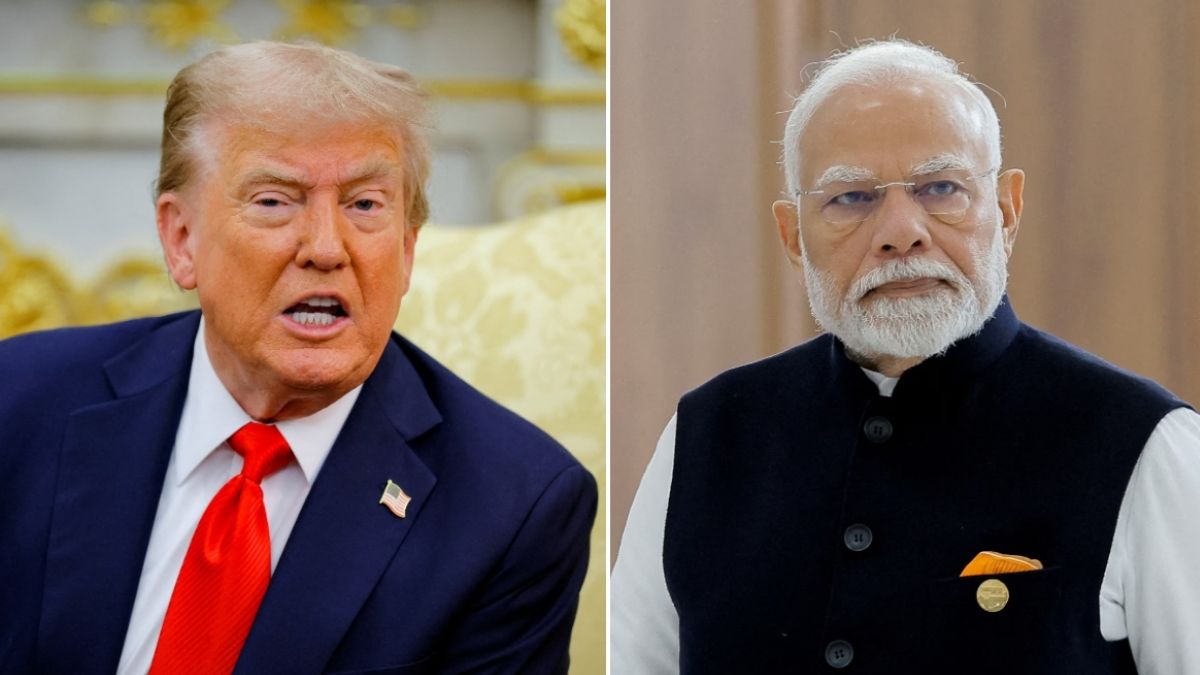
Trump Signs Russia Sanctions Law, Putting India Ties Under Pressure
India Warns US Russian Oil Tariffs Could Harm Ties
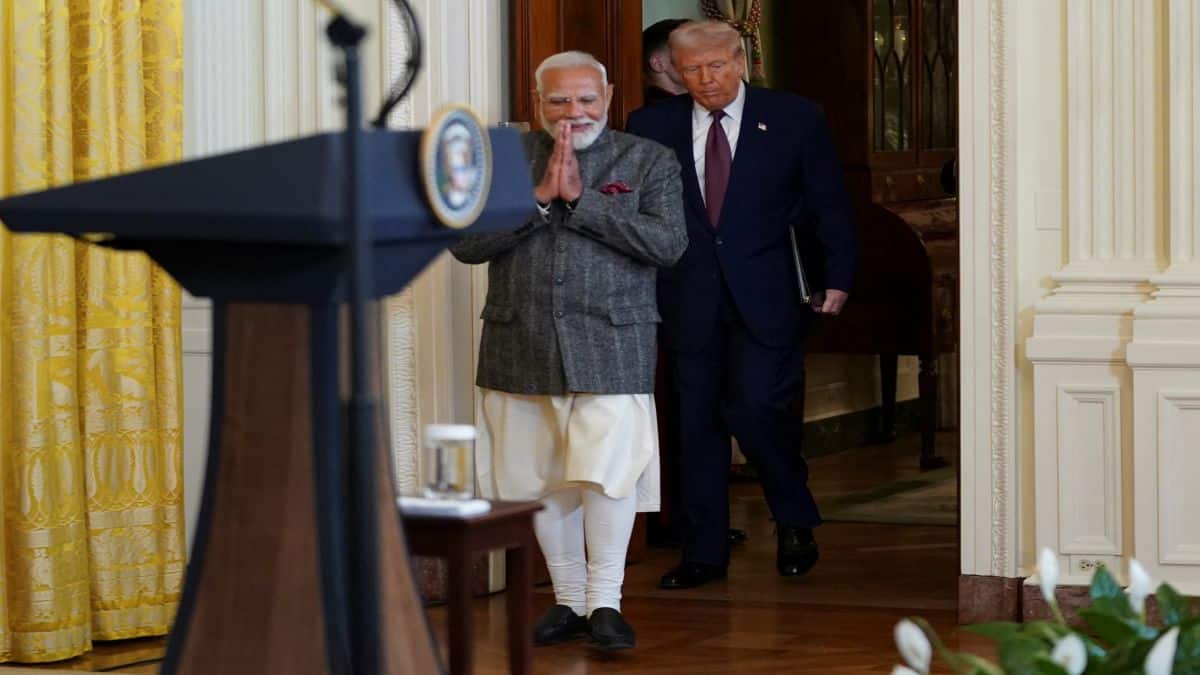
US Russia Sanctions Bill Puts India Under Tariff Pressure

Trump and Xi Prepare for High-Stakes White House Talks

Samsung Galaxy S27 Ultra Leak: 5,700mAh Battery, 60W Charging Rumors
Trump Announces AI Force and Plans to Name Czar

Trump Plans New AI Adviser Amid U.S.-China Technology Rivalry
