3 hrs ago
Jefferies Sees Three Shifts Unlocking India’s Textile Export Growth
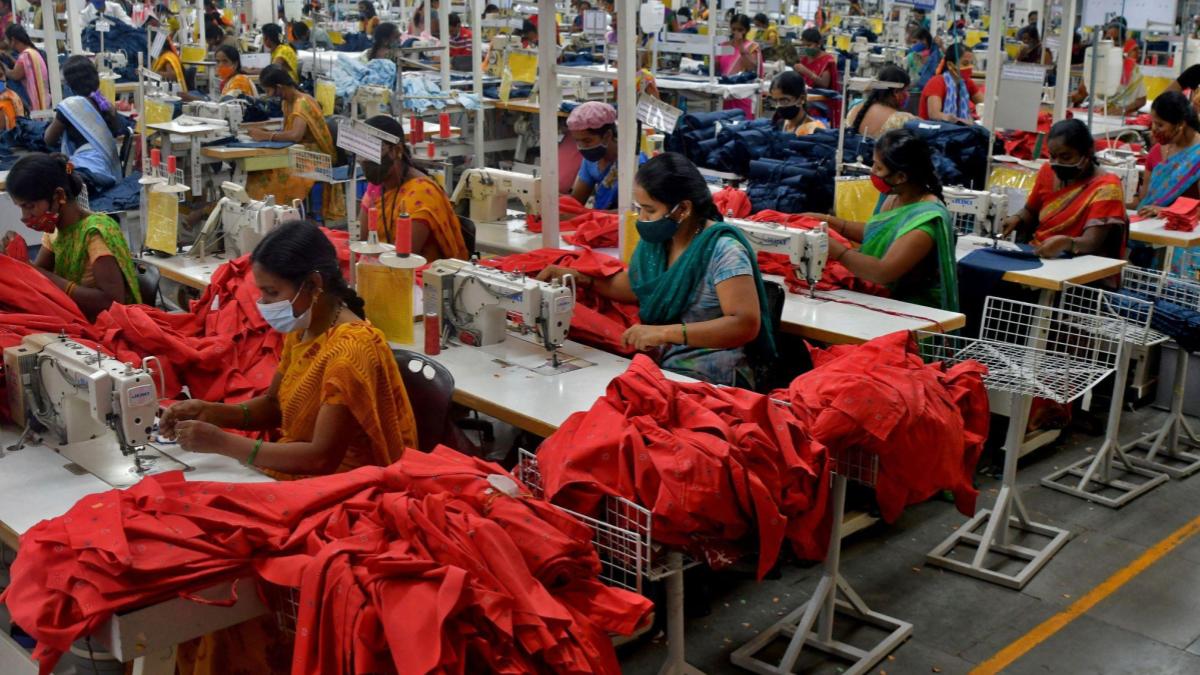
India sells about $37 billion worth of textiles and clothing to other countries each year.
That amount has barely changed for nearly six years.
Jefferies believes three changes could help India sell much more.
New trade agreements may reduce the taxes Indian exporters pay in the United Kingdom and European Union.
Clothing brands are also trying to buy less from China and use suppliers in other countries.
Big retailers are choosing larger and more reliable manufacturers, which could help Indian companies.
India also has many parts of textile production at home, from growing cotton to making finished clothing.
India is already strong in products such as towels and bed linen, especially in the United States.
Jefferies expects these changes to increase textile companies’ sales, profits, and margins.

India’s textile and apparel exports remained near $37 billion in the last financial year, despite global trade reaching $904 billion.
Jefferies expects UK and potential European Union trade agreements to improve India’s tariff access to a market worth about $220 billion.
The brokerage sees supply-chain diversification away from China and retailer consolidation benefiting large Indian manufacturers.
India’s integrated textile chain, cotton production, and government support programs provide structural advantages, especially in home textiles.
Jefferies rated Welspun Living and Raymond Lifestyle Buy, with targets of Rs 260 and Rs 900, respectively.
- Who
- Indian textile and apparel exporters, along with companies including Welspun Living and Raymond Lifestyle, are the focus of Jefferies’ analysis.
- What
- Jefferies expects three shifts—trade agreements, supply-chain diversification away from China, and India’s manufacturing strengths—to improve textile exports.
- Where
- The opportunity concerns India’s exports to global markets, particularly the United Kingdom, European Union, and United States.
- When
- India’s exports were $37 billion in the last financial year; the UK trade agreement took effect in July, and a similar European Union agreement could follow from 2027.
- Why
- Lower tariffs, changing supply chains, retailer consolidation, and India’s cotton and manufacturing base could make Indian exporters more competitive.
Key facts
- India’s textile exports
- $37 billion in the last financial year
- Global textile and apparel trade
- $904 billion
- Potential preferential-access market
- About $220 billion through UK and potential European Union agreements
- UK tariff change
- Textile tariffs fell from 4–12% to near zero after the agreement took effect
- India’s United States home-textile share
- 45–60% of bed linen and towels
- Welspun Living rating
- Buy; price target of Rs 260
- Raymond Lifestyle rating
- Buy; price target of Rs 900
Sources
Related news
India’s Apparel Industry Faces Scale Challenge in Export Push

India’s Textile Industry Prepares for Expected EU FTA Gains

Textile Firms Mount Smart Comeback as FY27 Outlook Strengthens
Apparel Exporters Seek Cotton Yarn Export Controls Amid Surge

Uniqlo and Japanese Textile Firms Plan More India Sourcing

Lower tariffs may revive India's missing middle exports
Why Bangladesh’s Tarique Rahman Skipped BRICS for UNGA

Bangladesh and Pakistan Rebuild Ties Through Flights, Trade and Dialogue

Bangladesh Tribunal Sentences Seven Awami League Leaders to Death

Police Probe Google Over 500,000 Fake Gmail IDs Bomb Hoax