5 days ago
Scientists Link Nepal Floods to Possible Ice-Rock Avalanche

Scientists are trying to understand what caused the sudden floods in Nepal.
They think a large mass of ice and rocks may have fallen into the Lhende River.
The debris may have blocked the river and created a temporary lake.
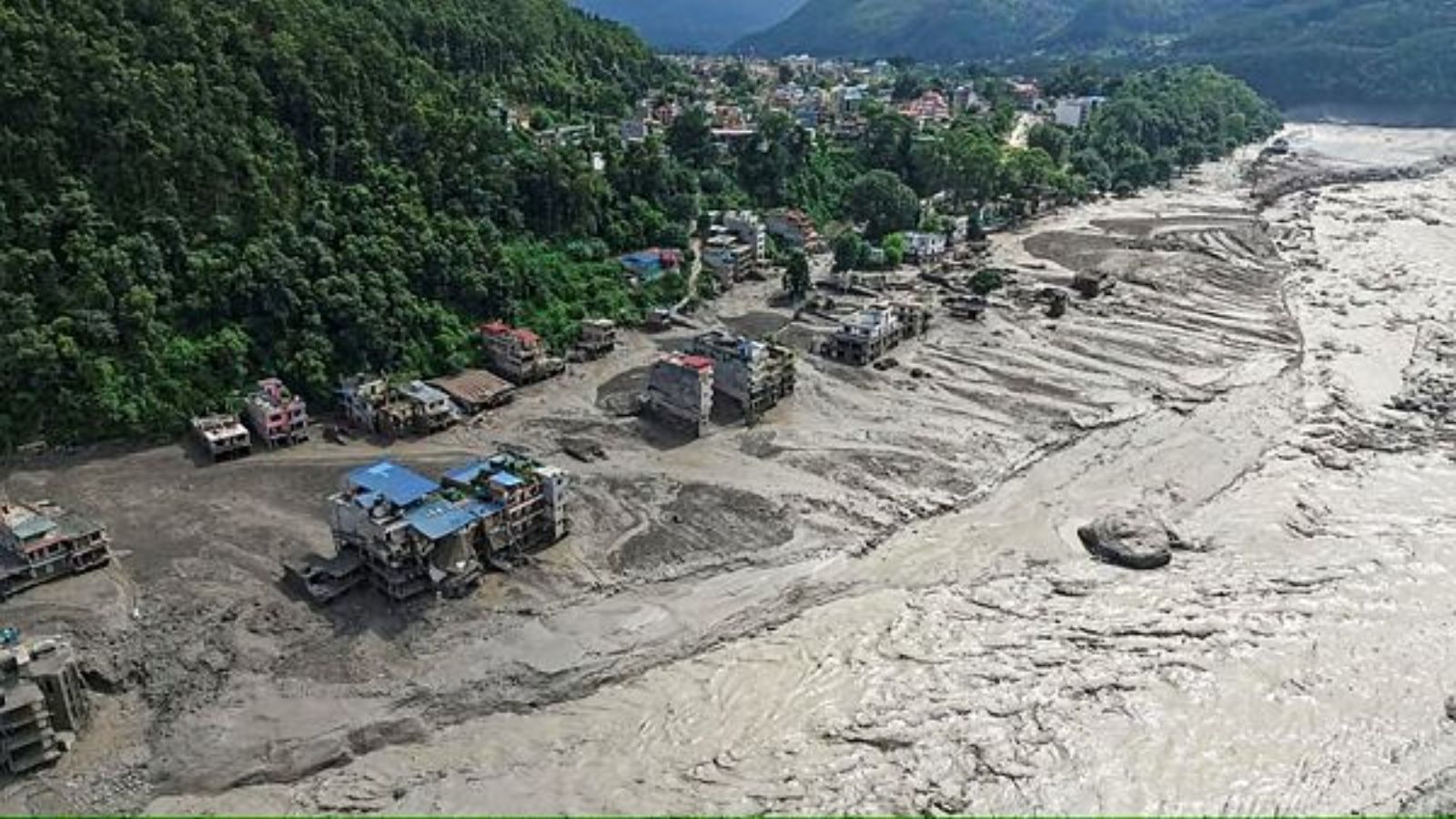
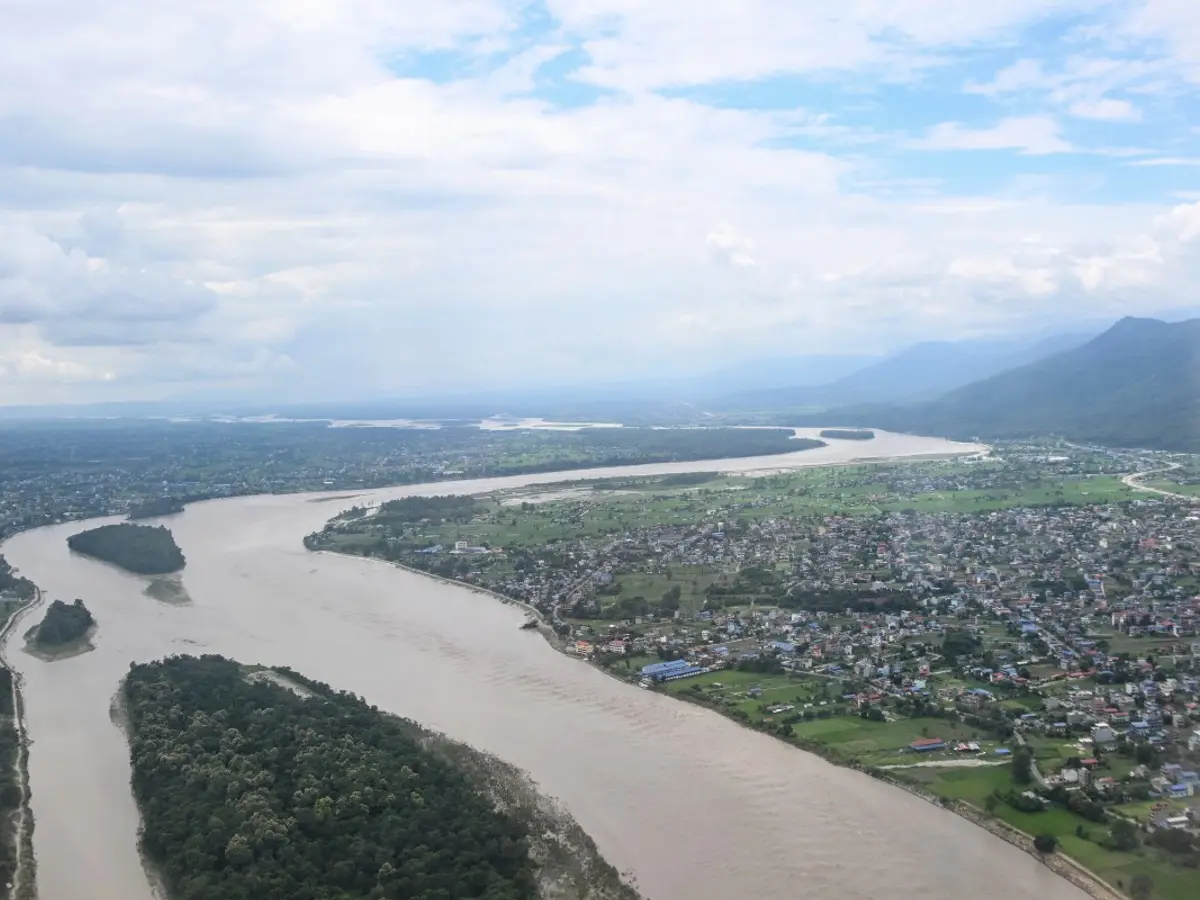
When the blockage broke, mud, rocks and water rushed into the Bhote Koshi River.
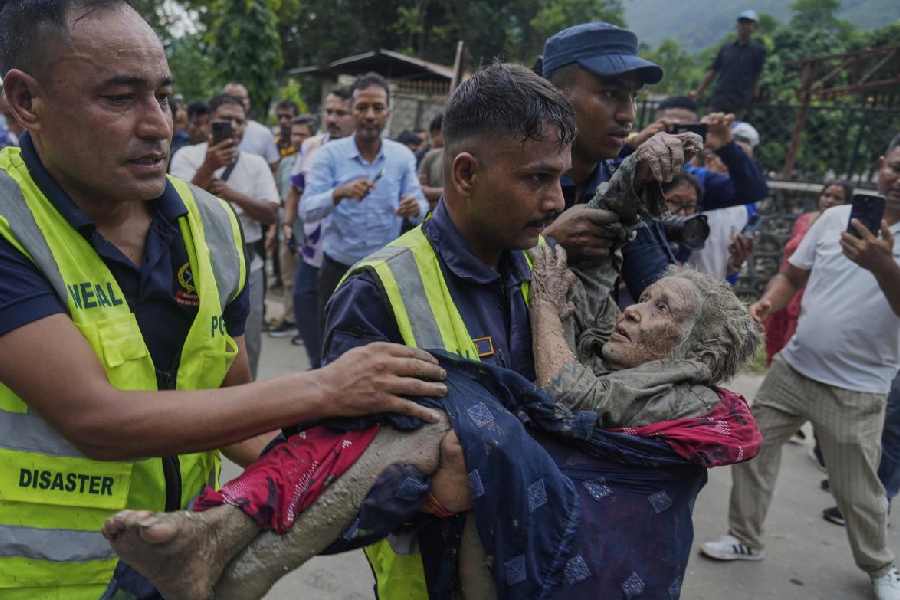
The flood destroyed bridges and other infrastructure and killed hundreds of people, according to the report.
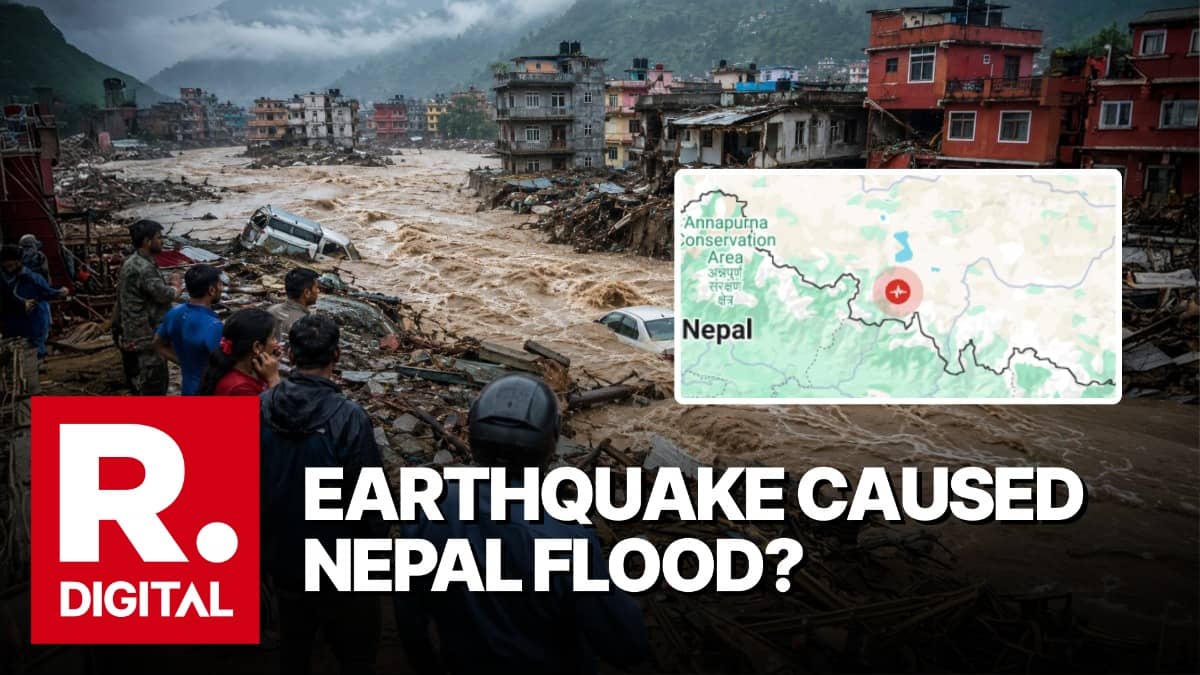
An earthquake was first suspected, but scientists later said the seismic signal was probably caused by the collapse and debris flow.
Another possible lake has formed downstream, which could create more flooding if its natural dam breaks.
Experts are still studying satellite images and monitoring the area.

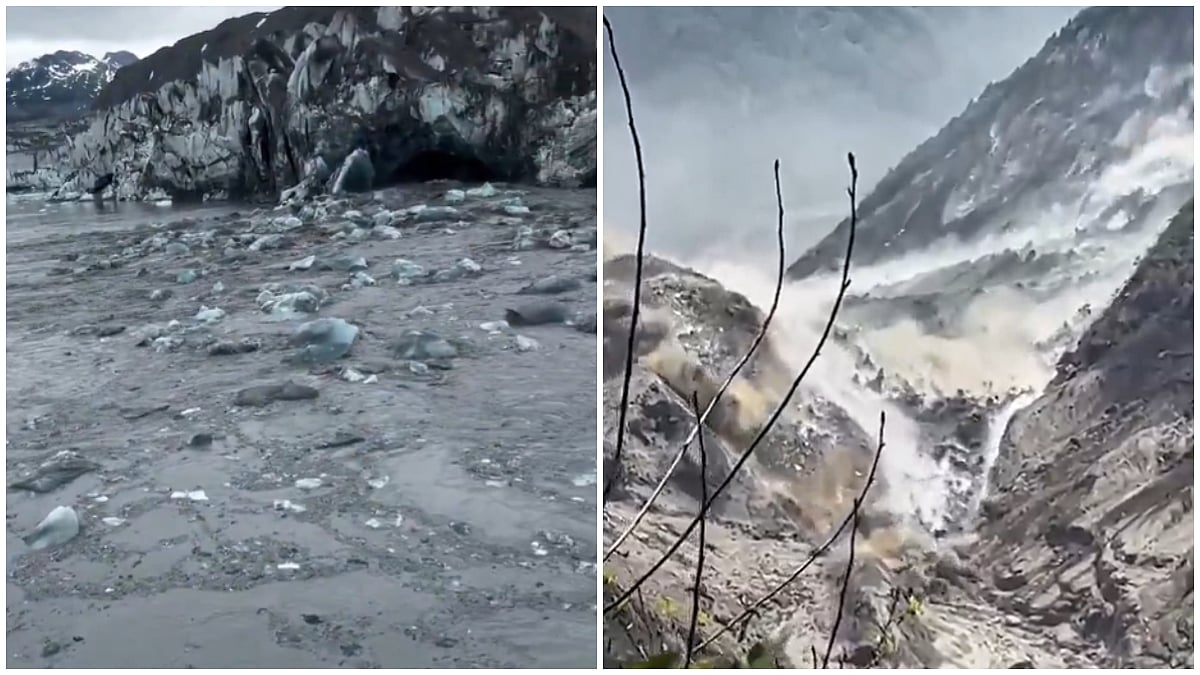
Preliminary assessments indicate an ice-and-rock avalanche may have blocked Nepal’s Lhende River.
The temporary blockage may have formed a landslide dam that later burst into the Bhote Koshi River.
Satellite imagery shows a large avalanche about 20 kilometers northeast of the Rasuwagadhi border crossing.
The US Geological Survey reclassified a seismic event as a glacial collapse and debris flow rather than an earthquake.
Chinese authorities reported a new barrier lake holding about two million cubic metres of water, with further flooding possible.
- Who
- Scientists, Nepalese disaster authorities, the US Geological Survey, the International Centre for Integrated Mountain Development and Chinese authorities are investigating the event.
- What
- A devastating flash flood may have been caused by an ice-rock avalanche that temporarily blocked the Lhende River before the blockage failed.
- Where
- The flooding occurred along Nepal’s Bhote Koshi River in Rasuwa district, near the Nepal-Tibet border and Rasuwagadhi crossing.
- When
- The main flood occurred on Wednesday; Chinese authorities reported the new barrier lake and its two million cubic metres of water by Thursday morning.
- Why
- Preliminary evidence suggests an avalanche created a temporary landslide dam whose failure released water, mud and boulders downstream.
Ice-Rock Avalanche Explanation
Alternative Glacial-Lake Explanation
Most likely flood trigger
Ice-Rock Avalanche Explanation
Satellite imagery, field reports and preliminary assessments by Nepalese authorities and mountain researchers point to an ice-and-rock avalanche blocking the Lhende River and creating a landslide dam.
Alternative Glacial-Lake Explanation
A glacial lake outburst flood was initially considered because the region has glacial lakes and experienced a similar surge attributed to a glacial lake outburst the previous year.
Role of seismic activity
Ice-Rock Avalanche Explanation
The US Geological Survey later said the seismic energy was generated by a glacial collapse and debris flow, supporting the collapse-related explanation rather than a conventional earthquake trigger.
Alternative Glacial-Lake Explanation
Researchers said an earthquake occurred around the same time, but they have not established whether it helped trigger the avalanche.
Certainty of conclusion
Ice-Rock Avalanche Explanation
Researchers describe the avalanche hypothesis as the leading explanation based on current evidence.
Alternative Glacial-Lake Explanation
Scientists caution that cloud cover and limited observations mean the full sequence has not yet been confirmed and may take another week or two to establish.
Key facts
- Suspected trigger
- A large ice-and-rock avalanche entering the Lhende River
- Affected river
- The Bhote Koshi River in Nepal
- Avalanche location
- About 20 kilometers northeast of the Rasuwagadhi border crossing
- USGS reassessment
- A magnitude 5.2 seismic event attributed to glacial collapse and debris flow, rather than an earthquake
- Water-level rise
- The Trishuli River rose up to nine metres at Galchhi in 30 minutes; Malekhu rose about seven metres
- New barrier lake
- About two million cubic metres of water had accumulated near the Chhochen Khola–Purepu Tsangpo confluence by Thursday morning
- Further risk
- Up to three million additional cubic metres could enter the new lake over the following three days
Quotes
Rijan Bhakta Kayastha
Climate researcher and Kathmandu University professor
“So far, the evidence indicates that an avalanche above Syaphrubesi blocked the river and the flood followed”
 rediff.com
“We suspect an avalanche on the Nepal side blocked the Lhende”
rediff.com
Sources
Related news

Nepal Flood May Have Begun With Border Ice Avalanche
Scientists Suspect Ice-Rock Avalanche Triggered Deadly Nepal Floods
Scientists Link Nepal's Deadly Floods to 5,200-Metre Ice-Rock Avalanche
Nepal Flash Floods: Possible Avalanche, Earthquake or GLOF Triggers

USGS Confirms Glacial Collapse Caused Deadly Nepal Flash Floods
Nepal Avalanche Floods Echo Chamoli With Greater Downstream Impact

Nepal Thanks India as Glacial Disaster Rescue Efforts Continue
Nepal Warns of Heavy Rain After Deadly Floods
Nepal Flood Exposes Delayed Alerts and Cross-Border Warning Gaps

Bhotekoshi Flood Crisis: Nepal PM Shah Calls for Courage

Nepal PM Thanks India, China Amid Climate Compensation Demand