1 week ago
Nepal Flash Floods: Possible Avalanche, Earthquake or GLOF Triggers
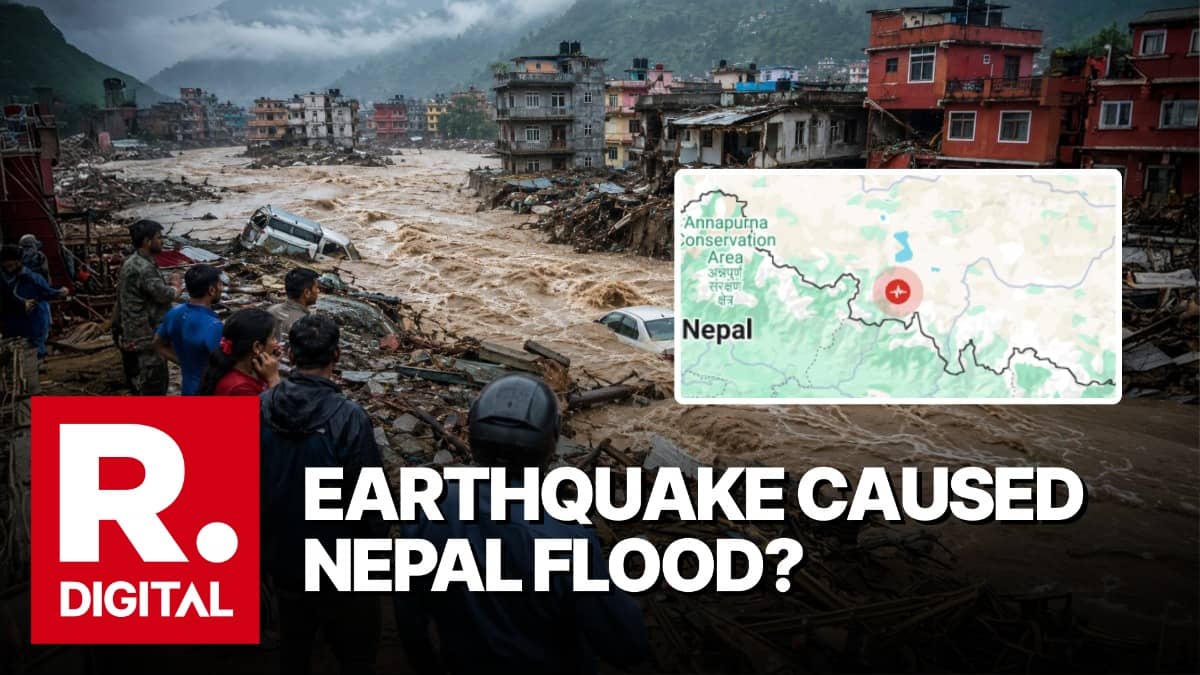
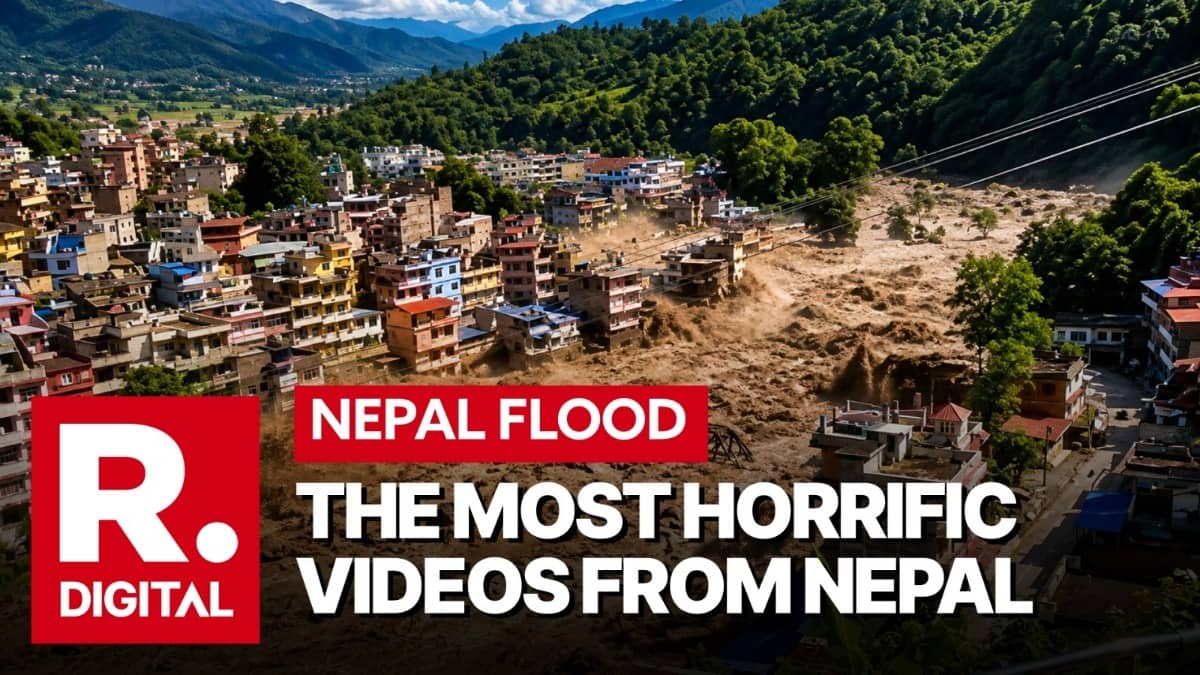
A huge wall of muddy water suddenly rushed from the Tibetan side into Nepal.
It traveled through the Bhote Koshi River and nearby mountain valleys very quickly.
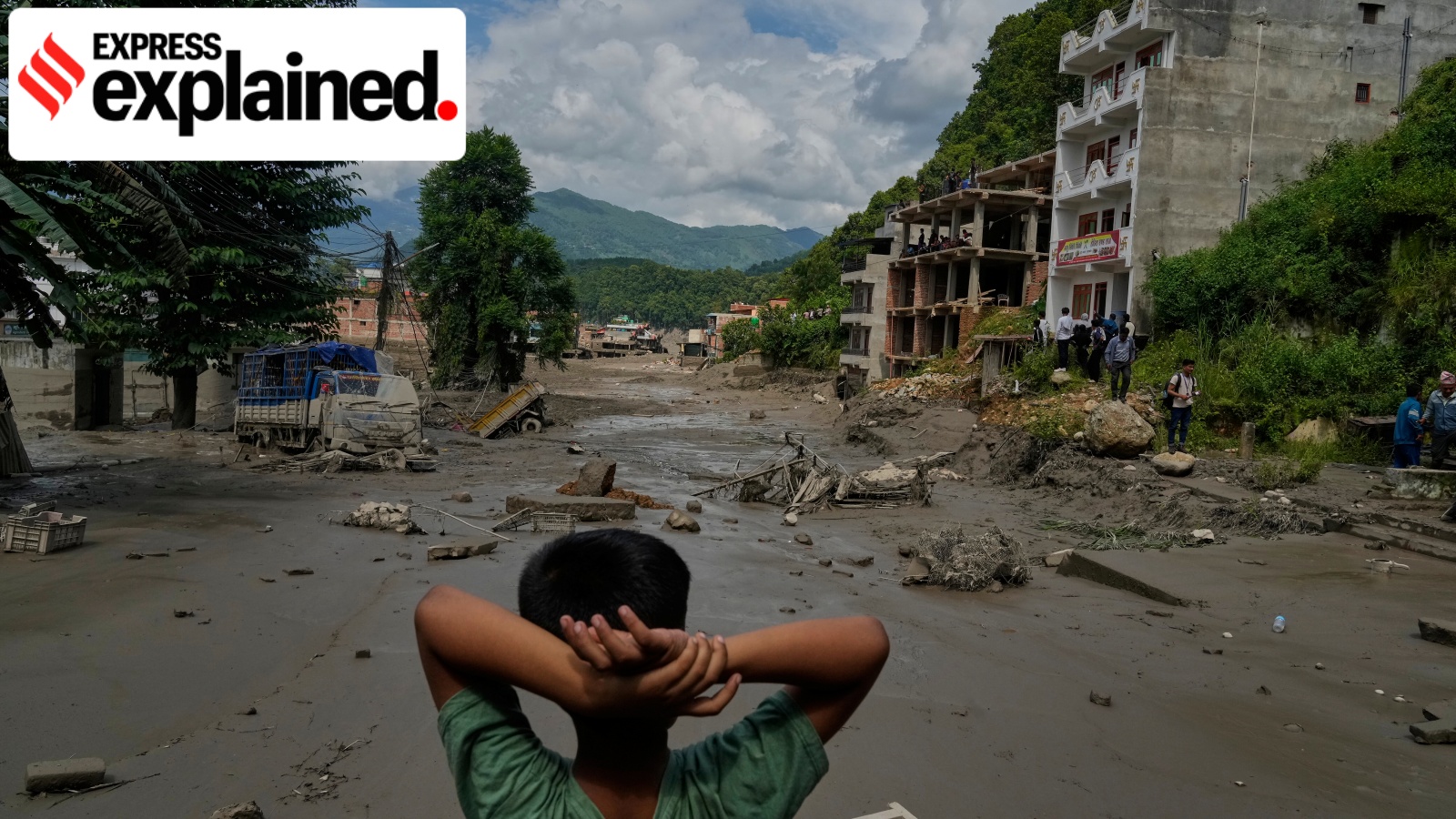
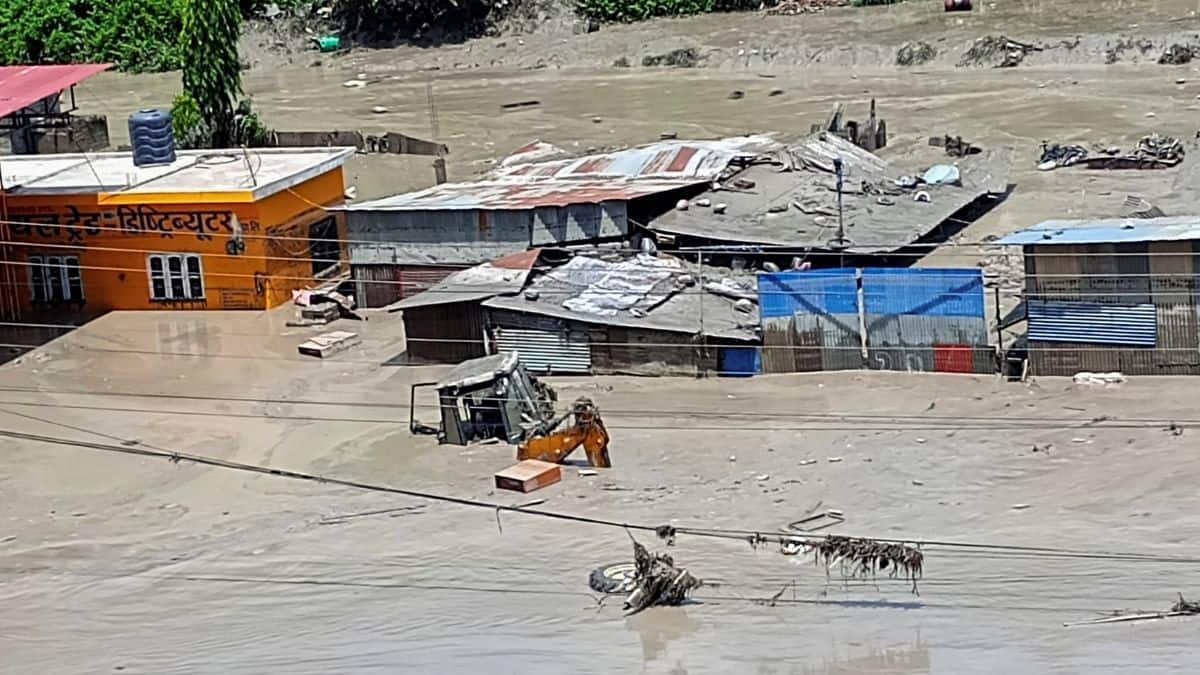
The flood carried rocks, mud and debris, destroying bridges, roads, buildings and power projects.
At least 22 people have died, and 384 travelers are missing.
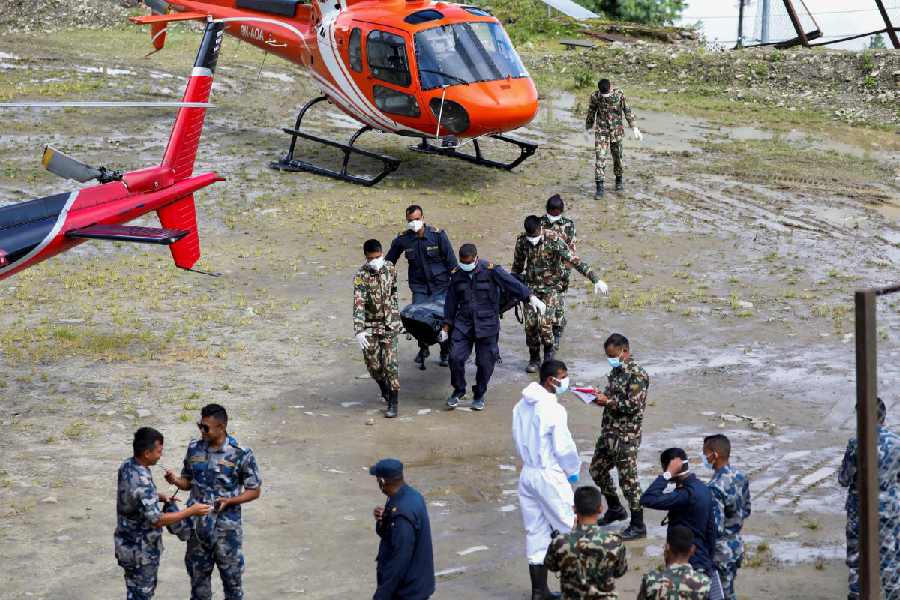
Rescue teams are using helicopters and working to reach people in isolated areas.
Bad weather and broken roads are making the rescue harder.
Officials do not yet know exactly what started the flood.
They are studying whether an earthquake caused an avalanche or landslide, whether a glacial lake burst, or whether another upstream blockage released water.
Authorities are also watching for another possible flood and telling downstream residents to move to safer ground.

A sudden surge from the Tibetan side entered the Bhote Koshi River around 9 a.m. Wednesday and swept through Nepal’s Rasuwa district.
The flood destroyed or damaged bridges, roads, buildings, police facilities and hydropower projects affecting about 354 megawatts of capacity.
Nepal reported 22 confirmed deaths and 384 missing travelers, including 105 Indian nationals.
The Nepal Army, Nepal Police and Armed Police Force are conducting rescues, but debris, damaged infrastructure and bad weather are hindering operations.
Authorities are investigating an earthquake-triggered avalanche or landslide, a glacial lake outburst flood and other possible upstream releases while warning of another surge.
- Who
- Residents, travelers and rescuers in Nepal’s Rasuwa district were affected; 384 travelers were reported missing, including 105 Indians.
- What
- A sudden flash flood swept through the Nepal-Tibet border region, causing deaths, disappearances and extensive infrastructure damage.
- Where
- The disaster struck around Rasuwagadhi, Timure and Syapru Besi in Rasuwa, then affected Dhading, Nuwakot and downstream areas; damage was also reported near Gyirong on the Tibetan side.
- When
- The surge entered the Bhote Koshi River at about 9 a.m. local time on Wednesday; a reported earthquake occurred at about 8:37 a.m.
- Why
- The precise cause remains under investigation. Authorities are examining an earthquake-triggered avalanche or landslide, a glacial lake outburst flood, rainfall on the Tibetan side and other possible upstream releases.
Earthquake-Triggered Avalanche or Landslide
Glacial, Rainfall or Other Upstream Release
Primary flood trigger
Earthquake-Triggered Avalanche or Landslide
Nepal’s Foreign Minister Shisir Khanal said an initial assessment suggested that an earthquake may have triggered an avalanche. Another possibility is that an ice-and-rock avalanche or landslide blocked the Lhende Khola, forming a natural dam that later failed.
Glacial, Rainfall or Other Upstream Release
Authorities are also examining whether a glacial lake outburst flood or significant rainfall on the Tibetan side contributed to the surge. The available reports do not establish any one of these explanations as definitive.
Role of rainfall
Earthquake-Triggered Avalanche or Landslide
Nepal’s flood authorities indicated that rainfall within Rasuwa was unlikely by itself to explain the flood’s sudden scale, suggesting a geological or upstream release was more important.
Glacial, Rainfall or Other Upstream Release
Satellite imagery detected significant rainfall on the Tibetan side, so rainfall remains part of the investigation even though its precise role has not been established.
Risk of another flood
Earthquake-Triggered Avalanche or Landslide
If an upstream landslide or avalanche blockage remains unstable, its sudden collapse could release more trapped water and debris.
Glacial, Rainfall or Other Upstream Release
Authorities are monitoring the wider river system for another possible surge and have warned downstream communities, including areas in northern India, to move toward safer ground.
Key facts
- Confirmed deaths
- 22, according to the latest reports cited from The Kathmandu Post.
- Missing travelers
- 384, including 291 foreign nationals and 93 Nepali citizens.
- Missing Indians
- 105 Indian nationals were among the missing foreign travelers.
- Flood timing
- The surge entered the Bhote Koshi River around 9 a.m. local time on Wednesday.
- Reported earthquake
- The United States Geological Survey recorded a magnitude-4.4 earthquake around the time of the reported geological disturbance.
- Affected power capacity
- About 354 megawatts of hydropower-generating capacity was reportedly affected.
- Rescue agencies
- The Nepal Army, Nepal Police and Armed Police Force were deployed, with helicopters assisting evacuations and searches.
Sources
Related news

Nepal Flash Floods Kill 16, Other Report Says Over 50

Bhote Koshi Flood Kills Eight, Nine Missing in Nepal

Nepal Flood May Have Begun With Border Ice Avalanche

Nepal Flash Flood Kills 162 as Missing Counts Diverge
Nepal Flash Floods Expose the Himalayas’ Disaster Vulnerabilities
Nepal Flash Flood Kills Eight, Damages Roads and Power Projects
Nepal Plans New Landslide Warning System Along China Border

Nepal Thanks India as Glacial Disaster Rescue Efforts Continue
Nepal Warns of Heavy Rain After Deadly Floods
Nepal Flood Exposes Delayed Alerts and Cross-Border Warning Gaps

Bhotekoshi Flood Crisis: Nepal PM Shah Calls for Courage