6 days ago
Nepal Flood May Have Begun With Border Ice Avalanche

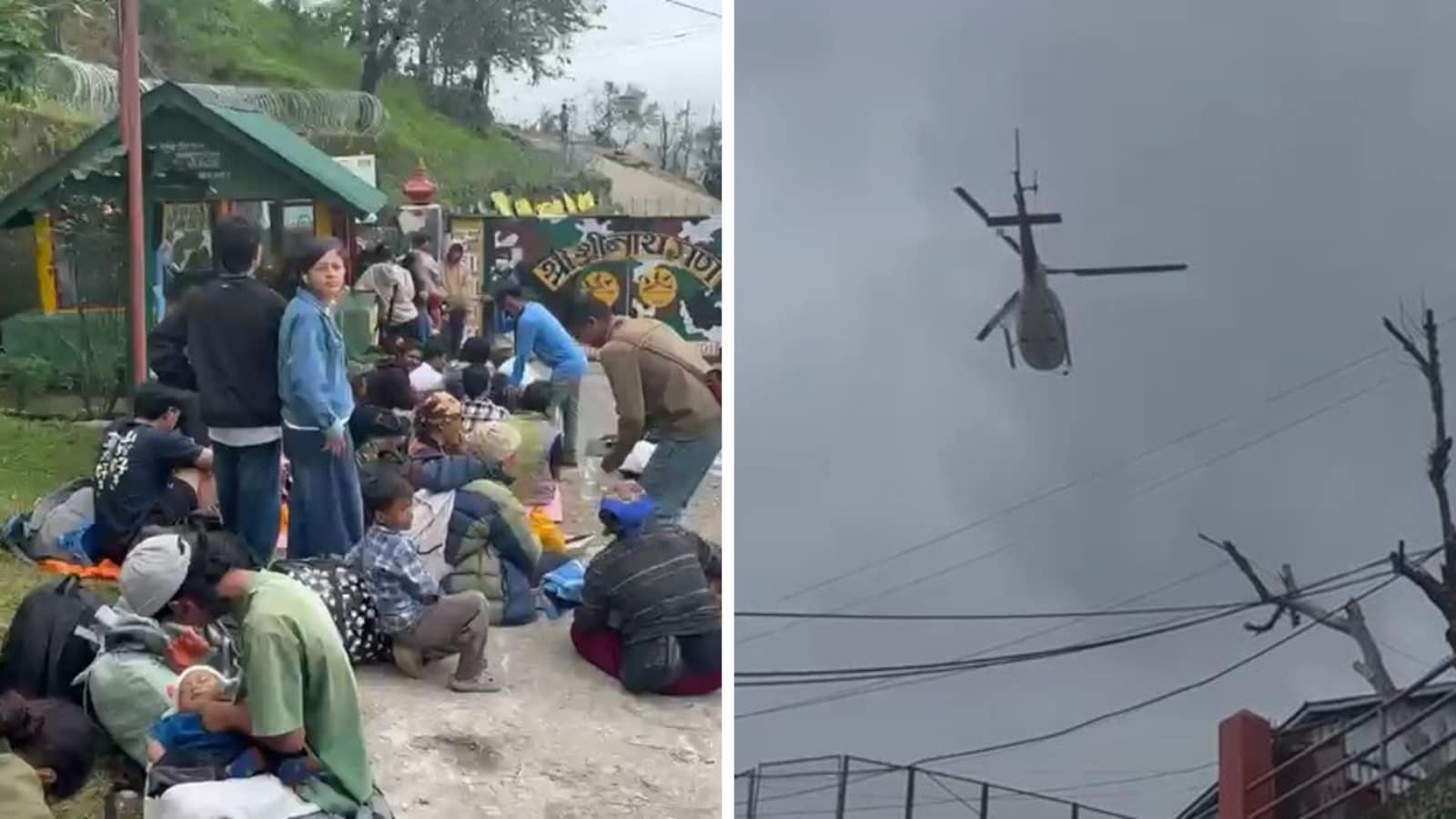
A powerful flash flood struck Nepal near its border with China and Tibet.
At least 98 people died, and 579 tourists are reported missing.
Officials think falling ice, snow, and rocks may have blocked the Lhende River.
Water collected behind the blockage and formed a temporary lake.
The blockage then broke, sending water and lots of debris downstream.
The debris made the flood deeper and more destructive than water alone.
Scientists are checking whether a glacial lake also burst.
They are also considering whether a nearby earthquake played a role.
Officials say it may take several days to know the exact cause.

At least 98 people have died and 579 tourists are reported missing after the flash flood.
Officials say an ice avalanche or snow-rock landslide may have blocked the Lhende River near the Nepal-China border.
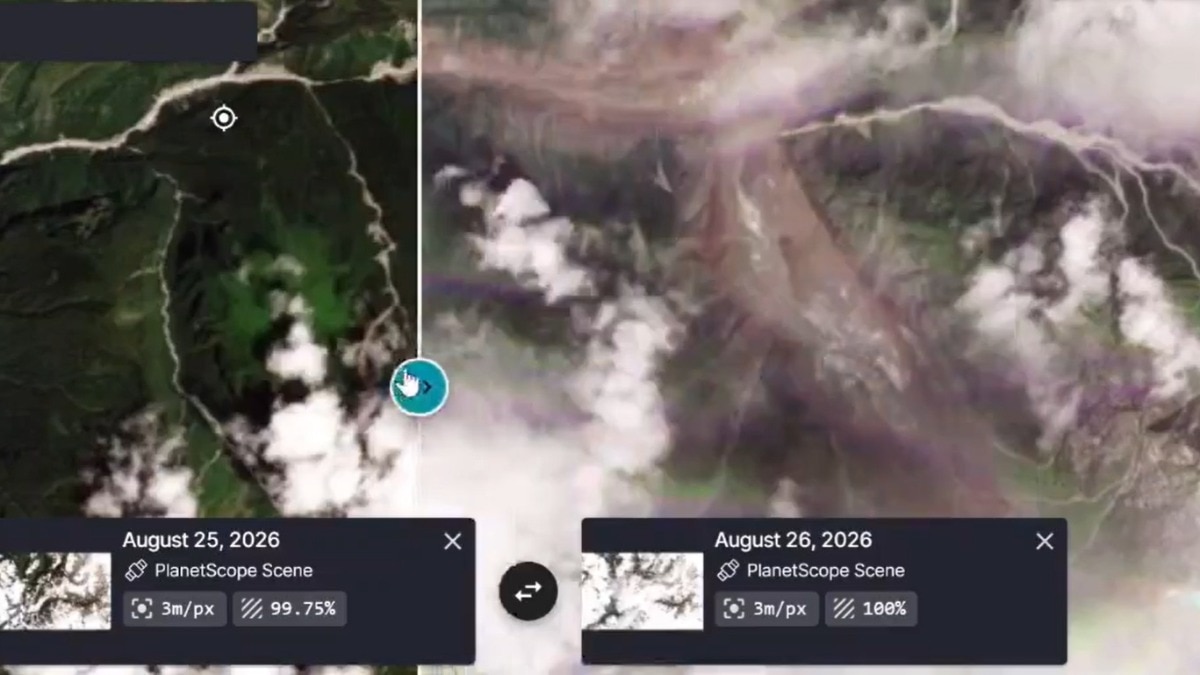
Satellite images reportedly show debris blocking the river about 20 kilometers upstream of the Miteri Bridge.
The blockage formed a temporary debris lake that later burst, sending water and debris into the Bhote Koshi River.
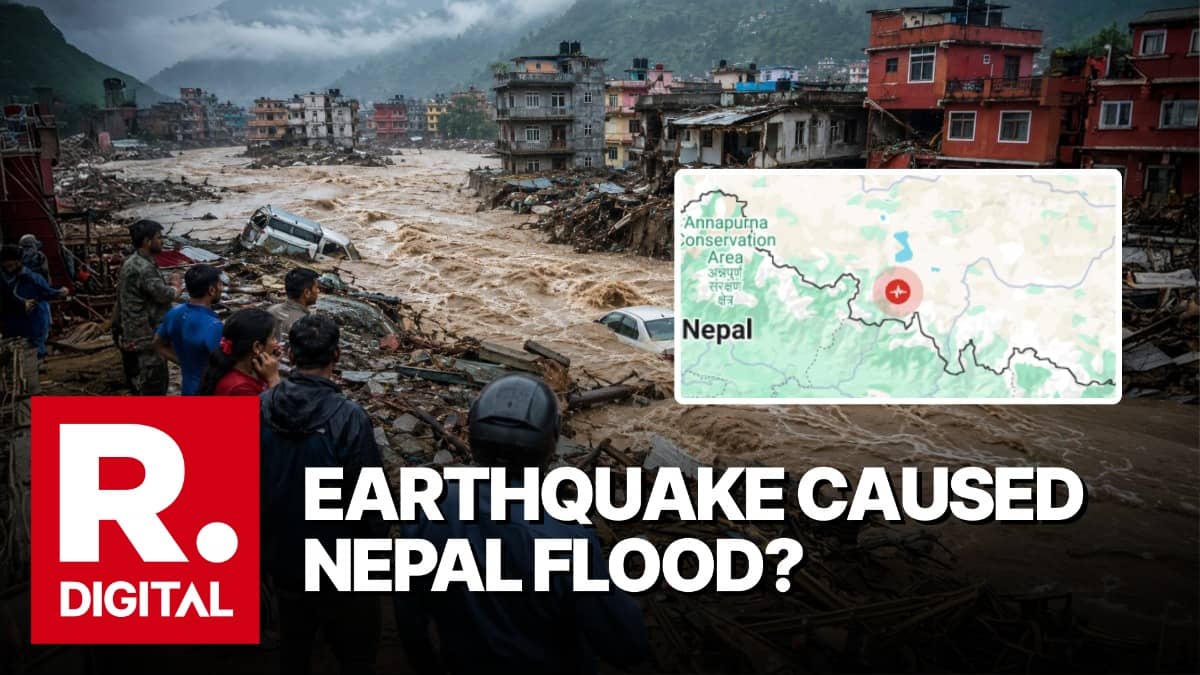
Researchers are still assessing whether a glacial lake outburst or a magnitude 4.4 earthquake also contributed.
- Who
- At least 98 people died, 579 tourists are missing, and Nepalese officials and researchers are investigating the disaster.
- What
- A flash flood sent water and debris from the Lhende River into the Bhote Koshi River after a possible ice avalanche or landslide blockage burst.
- Where
- The suspected blockage occurred near the Nepal-China border, about 20 kilometers northeast of the Rasuwagadhi crossing and roughly 20 kilometers upstream of the Miteri Bridge in Rasuwa.
- When
- The exact flood date is not stated; a magnitude 4.4 earthquake occurred at 8:37 am around the same period, and officials reported no heavy rain on Tuesday or Wednesday.
- Why
- Officials suspect an ice avalanche or snow-rock landslide formed a temporary debris lake that burst; a glacial lake outburst and earthquake remain possible contributing factors.
Ice Avalanche and Landslide Explanation
Other Possible Contributing Causes
Immediate trigger
Ice Avalanche and Landslide Explanation
Preliminary satellite images and officials' assessments indicate that an ice avalanche or landslide blocked the Lhende River, forming a temporary debris lake that later burst.
Other Possible Contributing Causes
Officials have not conclusively established whether the event also involved a glacial lake outburst.
Role of earthquake
Ice Avalanche and Landslide Explanation
The reported debris blockage and the subsequent release of water and debris are presented as the immediate flood mechanism.
Other Possible Contributing Causes
Researchers are considering whether the magnitude 4.4 earthquake recorded in Tibetan territory around the same time contributed to the disaster.
Level of certainty
Ice Avalanche and Landslide Explanation
Officials say satellite imagery shows an icefall, landslide, and river blockage consistent with this explanation.
Other Possible Contributing Causes
Nepal's disaster-management authority says the information is only an initial assessment and that the cause will become clearer after further investigation.
Key facts
- Deaths
- At least 98 people have died.
- Missing
- The number of missing tourists is reported as 579.
- Suspected origin
- The flood began near the Nepal-China border in the Lhende River area of Rasuwa.
- Satellite evidence
- Preliminary images reportedly show debris blocking the river about 20 kilometers upstream of the Miteri Bridge.
- Suspected mechanism
- An ice avalanche or snow-rock landslide may have formed and then burst a temporary ice-and-debris lake.
- Earthquake
- The United States Geological Survey recorded a magnitude 4.4 earthquake in Tibetan territory at 8:37 am, about 47 kilometers north of Gosainkunda.
- Rainfall assessment
- Nepal's Department of Hydrology and Meteorology said there had been no heavy rainfall in Rasuwa on Tuesday or Wednesday.
- Earlier comparable flood
- A July 8, 2025, Bhote Koshi flood was attributed by Nepal's hydrology department to a glacial lake outburst.
Quotes
Rijan Bhakta Kayastha
Climate researcher and Kathmandu University professor
“We have not received any official information yet. But ICIMOD has shared the information it received from the other side with us. This is only an initial assessment. We are focused on rescue and relief efforts for now. The cause will become clearer gradually.”
 freepressjournal.in
“If it had been only clear water, it would not have caused this level of destruction. But once the debris mixed with the water, the depth increased significantly.”
freepressjournal.in
 businesstoday.in
Sources
Related news

Scientists Link Nepal Floods to Possible Ice-Rock Avalanche
Nepal Flash Floods: Possible Avalanche, Earthquake or GLOF Triggers
Nepal Deluge Traced to Glacier Collapse Near Tibet
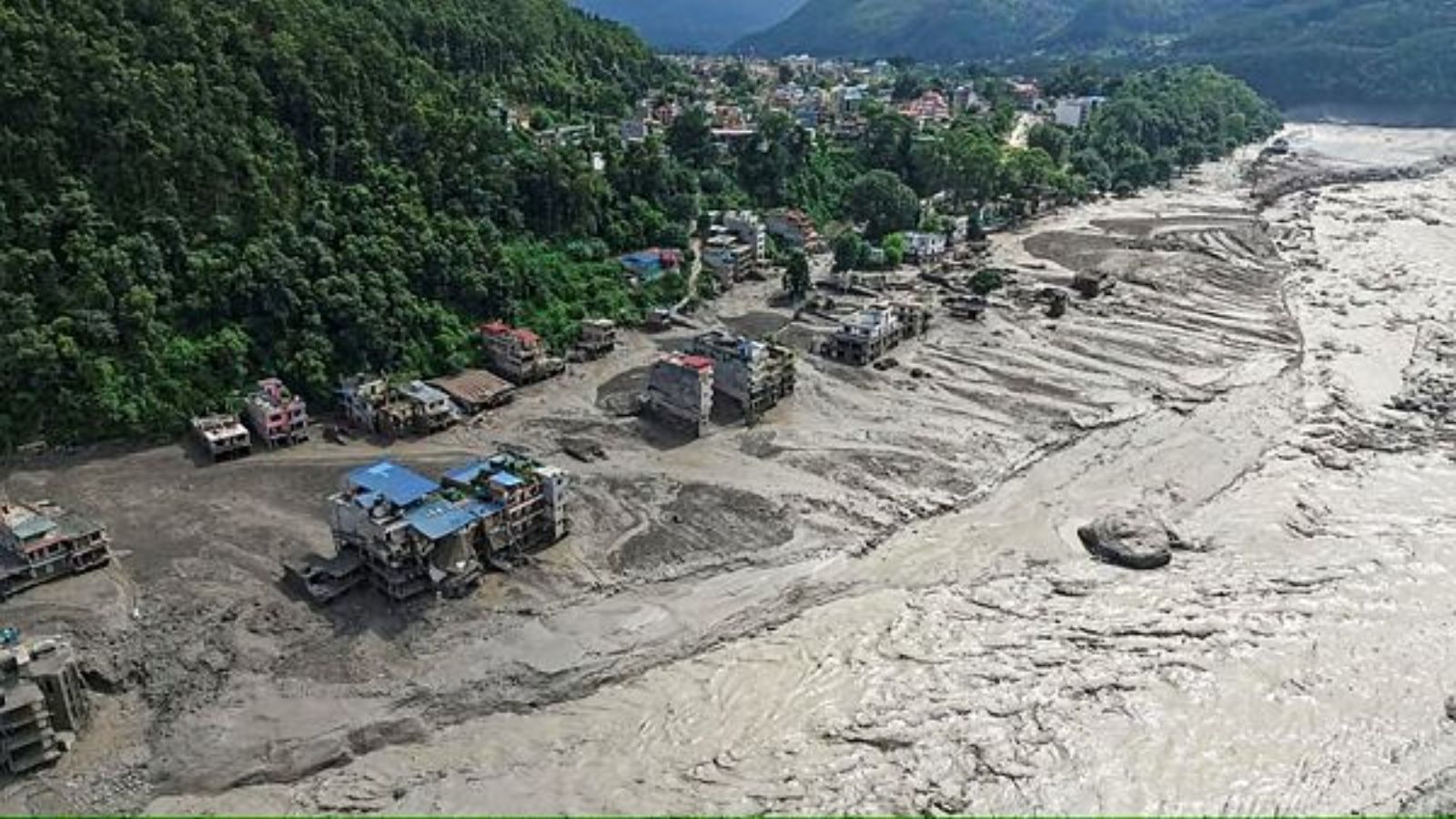
Scientists Suspect Ice-Rock Avalanche Triggered Deadly Nepal Floods
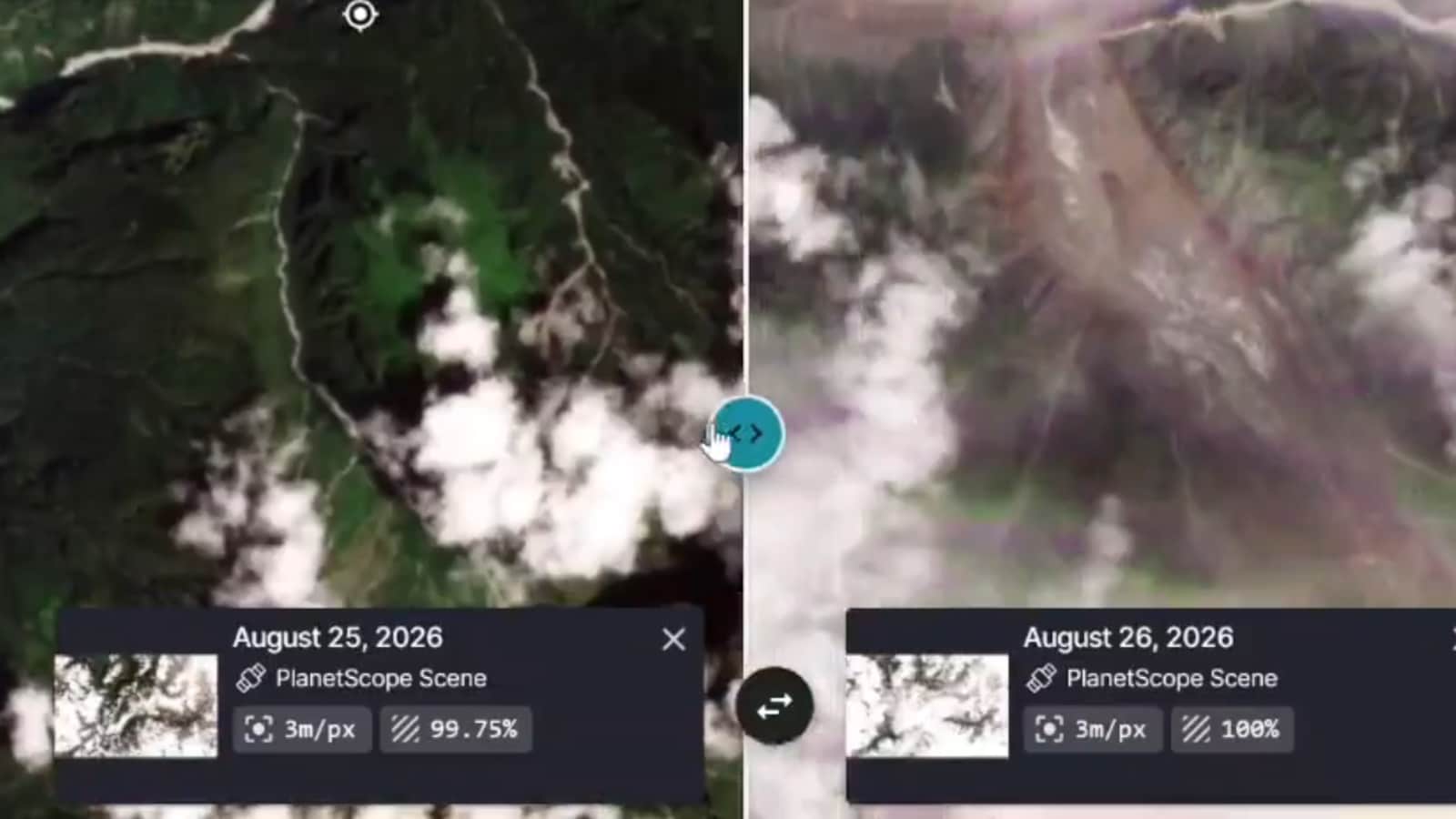
Satellite Images Reveal Possible Cause of Devastating Nepal Floods

Nepal Flash Floods Kill 16, Other Report Says Over 50

Nepal Thanks India as Glacial Disaster Rescue Efforts Continue
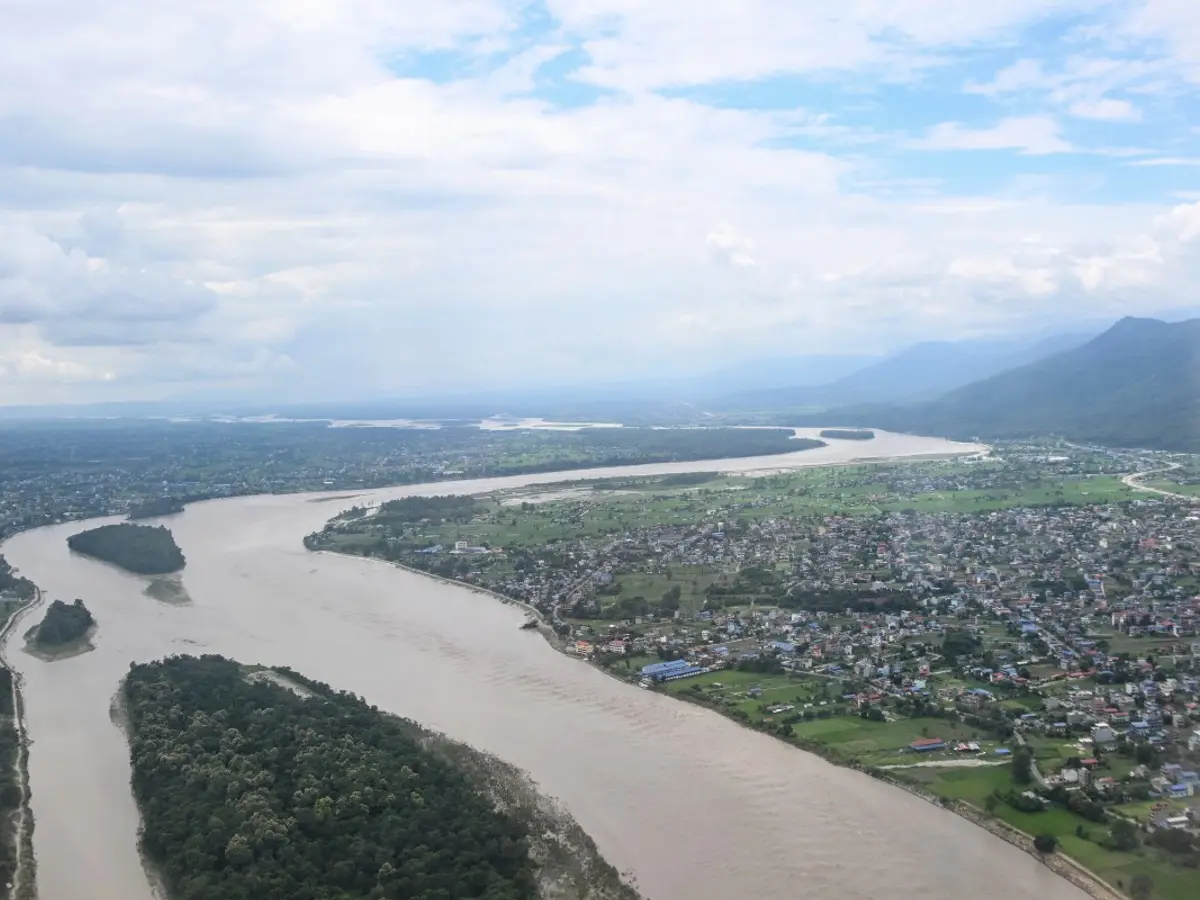
Nepal Warns of Heavy Rain After Deadly Floods
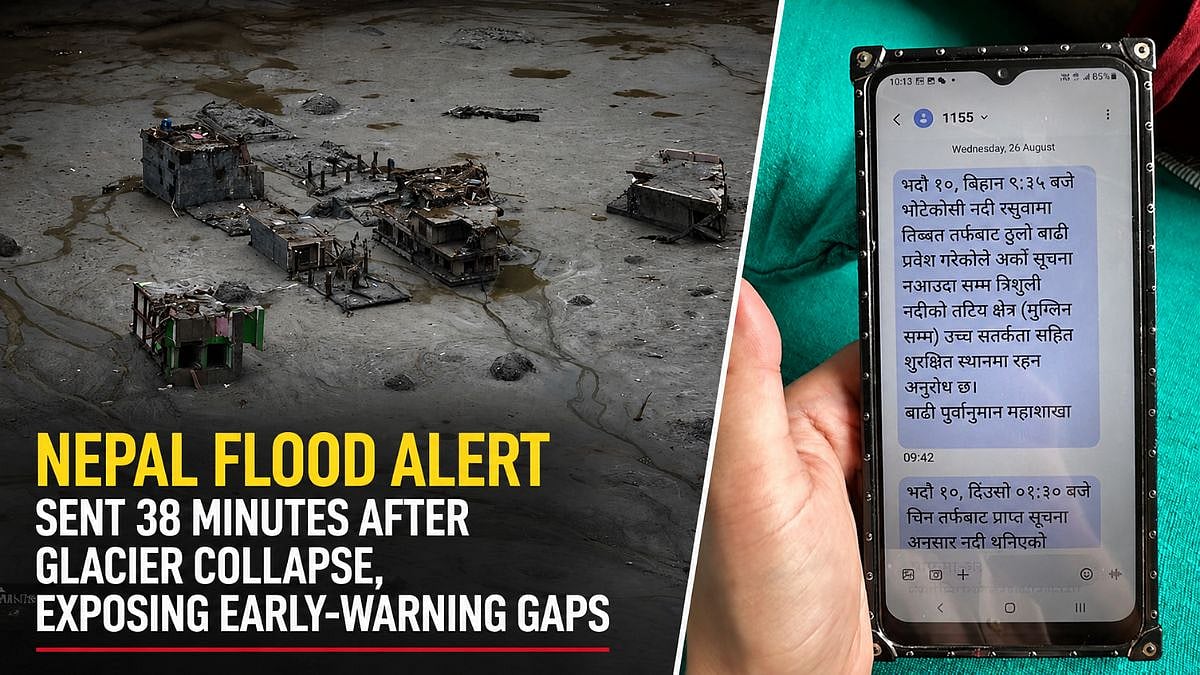
Nepal Flood Exposes Delayed Alerts and Cross-Border Warning Gaps

Bhotekoshi Flood Crisis: Nepal PM Shah Calls for Courage

Nepal PM Thanks India, China Amid Climate Compensation Demand