6 days ago
Scientists Suspect Ice-Rock Avalanche Triggered Deadly Nepal Floods
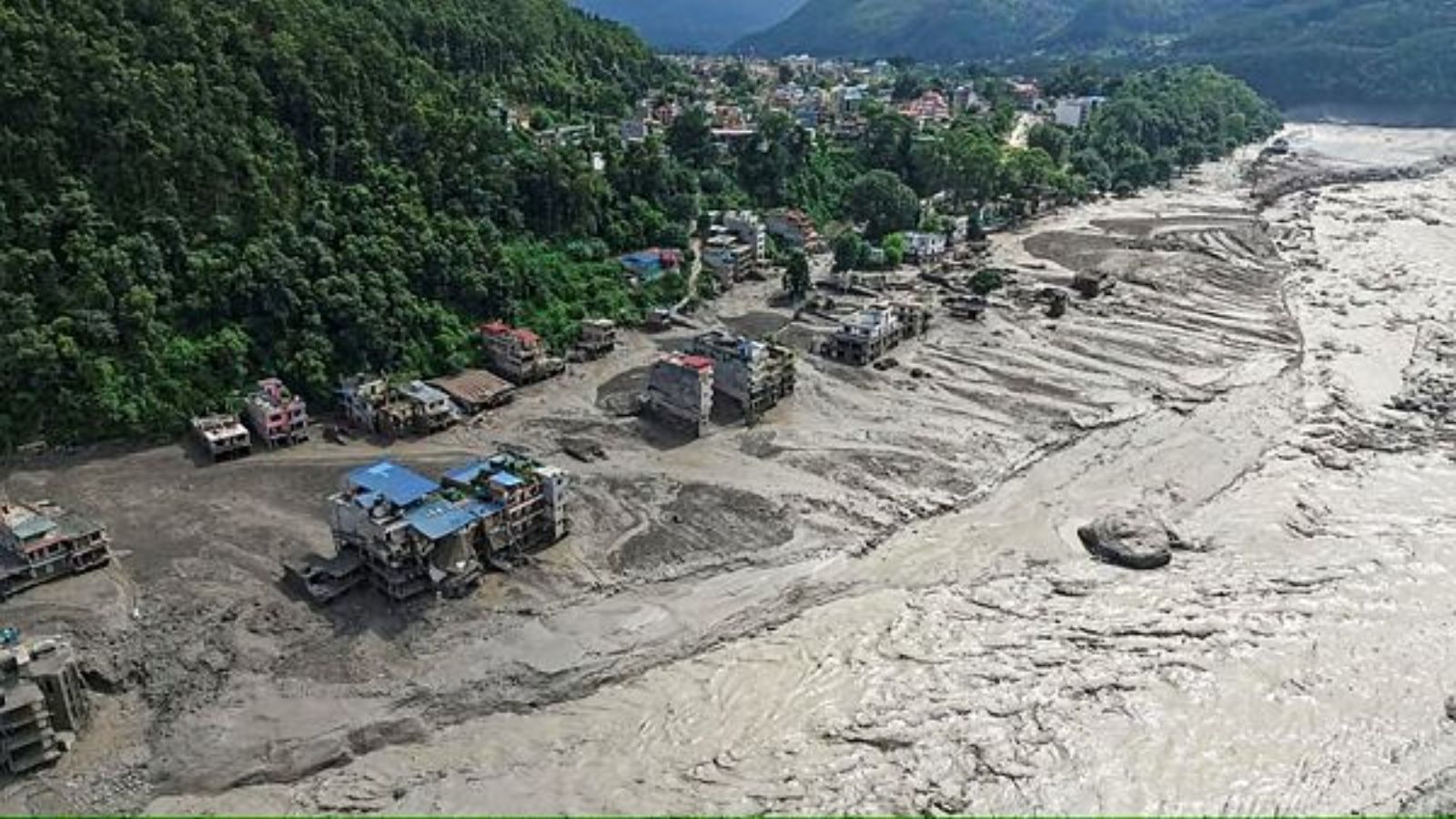
A huge flash flood swept through parts of Nepal after water, mud and rocks rushed down mountain rivers.
At least 95 people died, although one report gave a death toll of 100.
Nearly 500 people were reported missing, including 133 Indians.
Scientists think falling ice and rocks may have entered a small river and caused a sudden wave of water.
They are still checking this explanation and have not confirmed it.
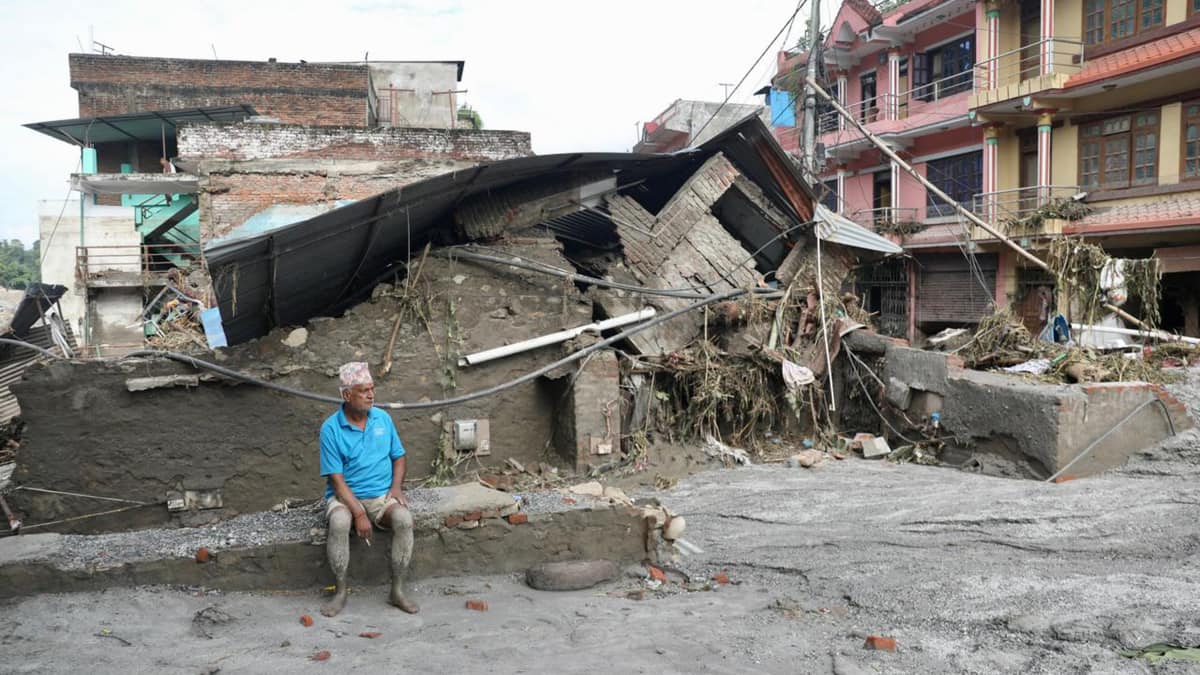
The flood damaged bridges, hydropower projects and water-monitoring stations.
Scientists also found unusual signals on some earthquake-monitoring instruments, but they have not proven that these signals caused the flood.
Experts say nearby countries should share warnings and cooperate because floods and other mountain dangers can cross borders.

At least 95 people died, while nearly 500 were reported missing, including 133 Indians; one report put the death toll at 100.
Scientists are investigating whether an ice-rock avalanche entered the Lende Khola and triggered a sudden flood surge.
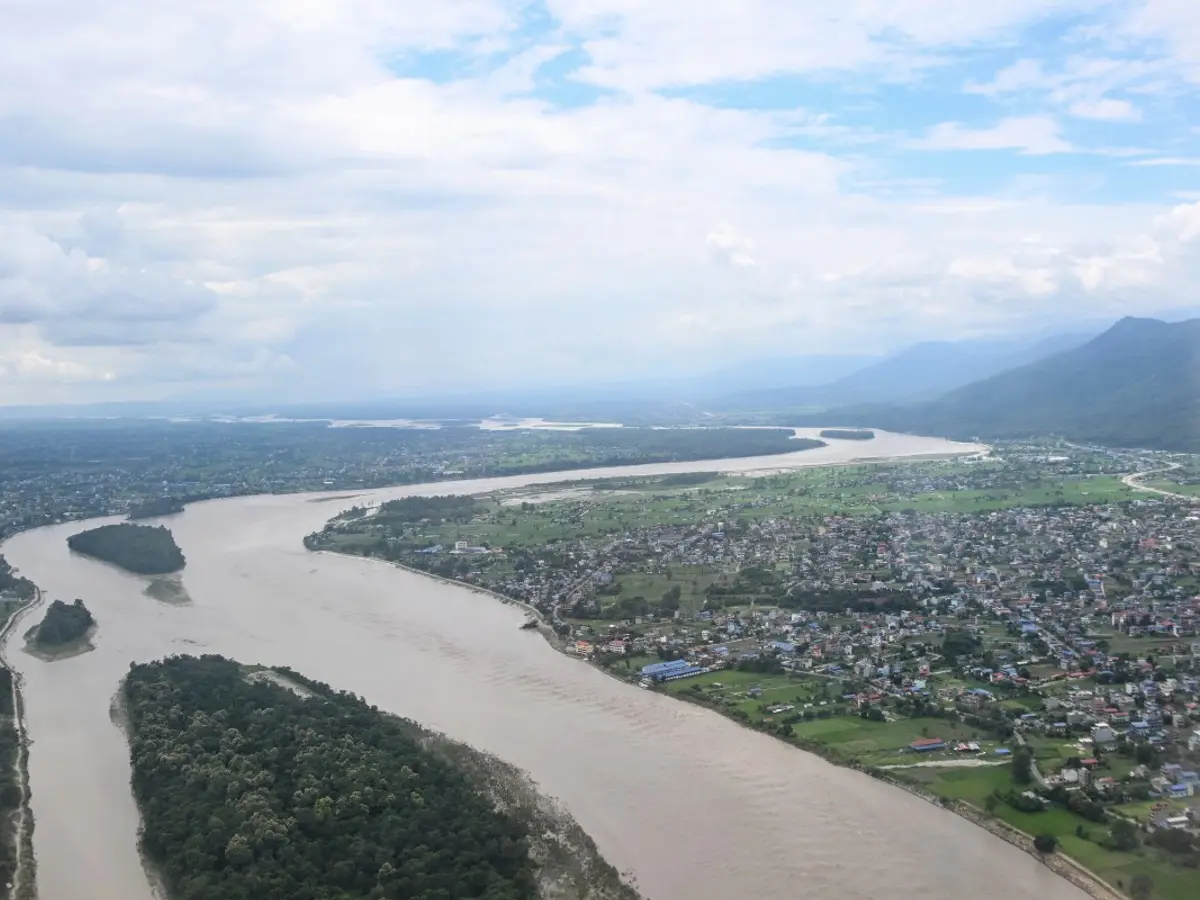
Water, sediment and boulders swept through the Bhote Koshi and Trishuli river systems across multiple Nepalese districts.
The Trishuli River rose by up to nine metres at Galchchi and seven metres at Malekhu within about 30 minutes.
ICIMOD urged stronger regional cooperation and improved early-warning systems as authorities assessed possible blockages and further flood risks.
- Who
- At least 95 people died and nearly 500 people, including 133 Indians, were reported missing; ICIMOD and partner institutions in Nepal and China are investigating the cause.
- What
- A major flash flood carried water, sediment and boulders through the Bhote Koshi and Trishuli river systems, causing deaths and extensive damage.
- Where
- The flooding affected Nepal’s Rasuwa district and other central Nepalese districts downstream from Tibet, including areas along the Bhote Koshi and Trishuli rivers.
- When
- The flood began at about 9 a.m. local time on Wednesday; reports were dated August 26.
- Why
- Scientists suspect an ice-rock avalanche may have entered the Lende Khola, possibly blocking the river and releasing a sudden surge, but the cause remains unconfirmed.
Avalanche Hypothesis
Scientific Caution
Cause of the flood
Avalanche Hypothesis
Preliminary video, field reports and hydrological observations suggest that a large volume of ice and rock debris entered the Lende Khola, possibly blocking the river and causing a sudden downstream surge.
Scientific Caution
ICIMOD said the avalanche is suspected but not confirmed, and researchers are continuing to analyze hydrological, seismic, remote-sensing and field data.
Possible river blockage
Avalanche Hypothesis
Debris may have temporarily blocked a narrow section of the river, creating a landslide dam and releasing a powerful flood wave.
Scientific Caution
Authorities and scientists are still evaluating the size, location and stability of any blockage, so the risk of another flood has not been definitively established in the reports.
Seismic activity and climate change
Avalanche Hypothesis
Unusual signals at seismometers near Jilong and Zhangmu could be examined as possible evidence related to the event, while changing glaciers, snow, permafrost and mountain slopes may be increasing cryosphere hazards.
Scientific Caution
Scientists have established no causal link between the seismic signals and the flood, and they caution that it is too early to determine climate change’s role in this specific disaster.
Key facts
- Reported deaths
- At least 95 people died; one report stated that at least 100 people had died.
- Missing people
- Nearly 500 people were reported missing, including 133 Indians.
- Suspected trigger
- An ice-rock avalanche from a high-altitude area may have entered the Lende Khola, a tributary of the Bhote Koshi River.
- River surge
- The Trishuli River rose by up to nine metres at Galchchi and seven metres at Malekhu within roughly 30 minutes.
- Infrastructure damage
- Bridges were washed away and at least a dozen hydropower projects were damaged.
- Monitoring stations
- Several water-monitoring stations along the Trishuli River were damaged or washed away; the Galchchi station remained operational.
- Ongoing danger
- Scientists were assessing whether debris had formed a river blockage that could release additional water suddenly.
Quotes
Mohd Farooq Azam
Senior Cryosphere Specialist at ICIMOD
“The Lhende Khola has flooded twice in 14 months, this time most probably triggered by an ice avalanche that blocked the river and released a sudden surge downstream. This still needs to be confirmed, as we receive further information. These are cascading hazards: a cryosphere event becomes a flood in a settlement within hours.”
 rediff.com
 theprint.in
“An ice avalanche in the Lhende Khola is the suspected trigger, but the cause remains unconfirmed. With a blockage still lodged upstream on the Nepal-China border, authorities warn a second flood is imminent and evacuation orders are now in place for Jilong port.”
rediff.com
theprint.in

International Centre for Integrated Mountain Development (ICIMOD)
Nepal-based intergovernmental institution investigating the possible cause of the flood
“Preliminary assessment based on video footage and information from affected areas suggests that a large volume of ice and rock debris may have entered the Lende Khola, a tributary of the Bhote Koshi river.”
 indianexpress.com
Sources

Related news
Nepal Flood Triggers Warning Of Potential Second Surge

Scientists Link Nepal Floods to Possible Ice-Rock Avalanche

Nepal Flood May Have Begun With Border Ice Avalanche
Nepal Avalanche Floods Echo Chamoli With Greater Downstream Impact
Nepal Flood Exposes Himalayan Cascading Hazard Risks

Nepal Thanks India as Glacial Disaster Rescue Efforts Continue
Nepal Warns of Heavy Rain After Deadly Floods
Nepal Flood Exposes Delayed Alerts and Cross-Border Warning Gaps

Bhotekoshi Flood Crisis: Nepal PM Shah Calls for Courage

Nepal PM Thanks India, China Amid Climate Compensation Demand