

2 days ago
Scientists Link Nepal's Deadly Floods to 5,200-Metre Ice-Rock Avalanche
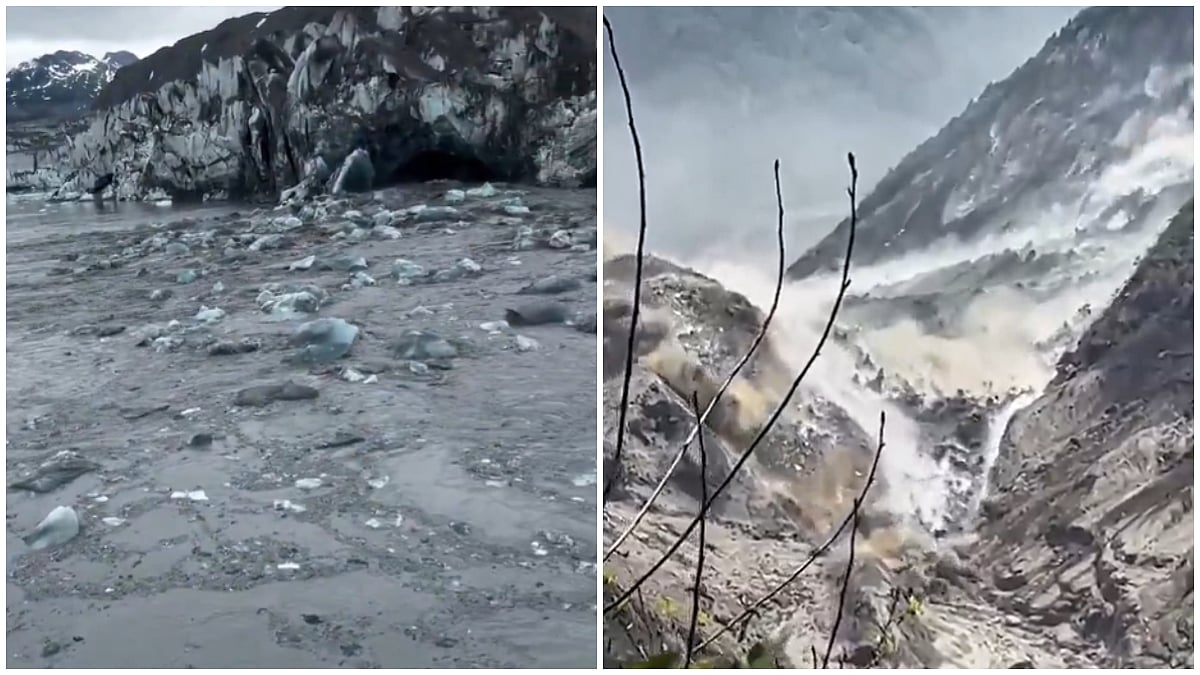
Nepal experienced deadly floods on August 26.
Scientists say the floods began when a huge mixture of ice, rocks and debris fell from a mountain.
The avalanche started about 5,200 metres above sea level in the Langtang-Lirung area.
It reached the Lhende River and pushed a fast-moving surge downstream.
The surge travelled about 22 kilometres in a little more than seven minutes.
Researchers found no evidence that a glacial lake burst or that exceptionally heavy rain alone caused the disaster.
Experts still need more fieldwork to understand exactly how the avalanche formed and whether melting ice or a temporary river blockage contributed.
The floods devastated communities and killed 903 people, according to authorities.
They also damaged energy projects and caused estimated losses of about Rs 3 trillion.

A preliminary study says Nepal’s August 26 floods were triggered by an ice-rock avalanche, not conventional rainfall.
The avalanche fell from about 5,200 metres in the Langtang-Lirung area and entered the Lhende River.
The debris surge travelled roughly 22 kilometres to Rasuwagadhi in just over seven minutes, reaching an estimated 167 kilometres per hour.
Authorities said the death toll rose to 903 as bodies continued to be recovered.
Thirteen hydropower projects and one solar project lost about 431 megawatts of generating capacity, while losses were estimated at Rs 3 trillion.
- Who
- Nepalese scientists, authorities and communities affected by the floods.
- What
- An ice-rock avalanche generated a debris-filled flood through the Lhende, Bhotekoshi and Trishuli river system.
- Where
- The avalanche began in the Langtang-Lirung area of Rasuwa and the flooding swept through Nepal’s Bhotekoshi-Trishuli corridor and other northern and central areas.
- When
- The disaster occurred on August 26; the preliminary report was released on August 30, and authorities reported 903 deaths on August 31.
- Why
- The preliminary study linked the flooding to falling ice, rock and debris, while finding no evidence of a glacial lake outburst flood or exceptionally heavy upper-watershed rainfall.
Avalanche as Primary Trigger
Geological Mechanism Still Unresolved
Cause of the flooding
Avalanche as Primary Trigger
The preliminary study says a massive ice-rock avalanche entered the Lhende River and generated the destructive debris-laden flood.
Geological Mechanism Still Unresolved
Experts said further field investigation is needed to determine exactly how the avalanche formed and how much melting ice or a temporary upstream blockage contributed.
Rainfall and GLOF explanations
Avalanche as Primary Trigger
Researchers found no evidence of a glacial lake outburst flood or exceptionally heavy upper-watershed rainfall, weakening explanations based solely on a GLOF, cloudburst or extreme rain.
Geological Mechanism Still Unresolved
The report does not fully resolve all contributing processes, so the precise transformation of the avalanche into the flood remains under investigation.
Key facts
- Reported death toll
- 903 people, according to authorities, with bodies still being recovered.
- Avalanche origin
- The northern Langtang-Lirung area of Rasuwa, at about 5,200 metres.
- River route
- The avalanche entered the Lhende River before moving through the Bhotekoshi and Trishuli rivers.
- Travel speed
- The surge covered about 22 kilometres to Rasuwagadhi in just over seven minutes, averaging 46.3 metres per second, or 167 kilometres per hour.
- Geographical changes
- Satellite imagery showed major changes across about 10 square kilometres, including the breakaway of approximately 0.56 square kilometres of glacier.
- Power infrastructure
- Thirteen hydropower projects and one solar project were affected, removing about 431 megawatts of generation capacity.
- Estimated economic losses
- A preliminary government assessment put losses at around Rs 3 trillion, while detailed sector-by-sector assessments continued.
Sources
Related news
Scientists Suspect Ice-Rock Avalanche Triggered Deadly Nepal Floods
Nepal Avalanche Floods Echo Chamoli With Greater Downstream Impact

Scientists Link Nepal Floods to Possible Ice-Rock Avalanche

Nepal Flood May Have Begun With Border Ice Avalanche
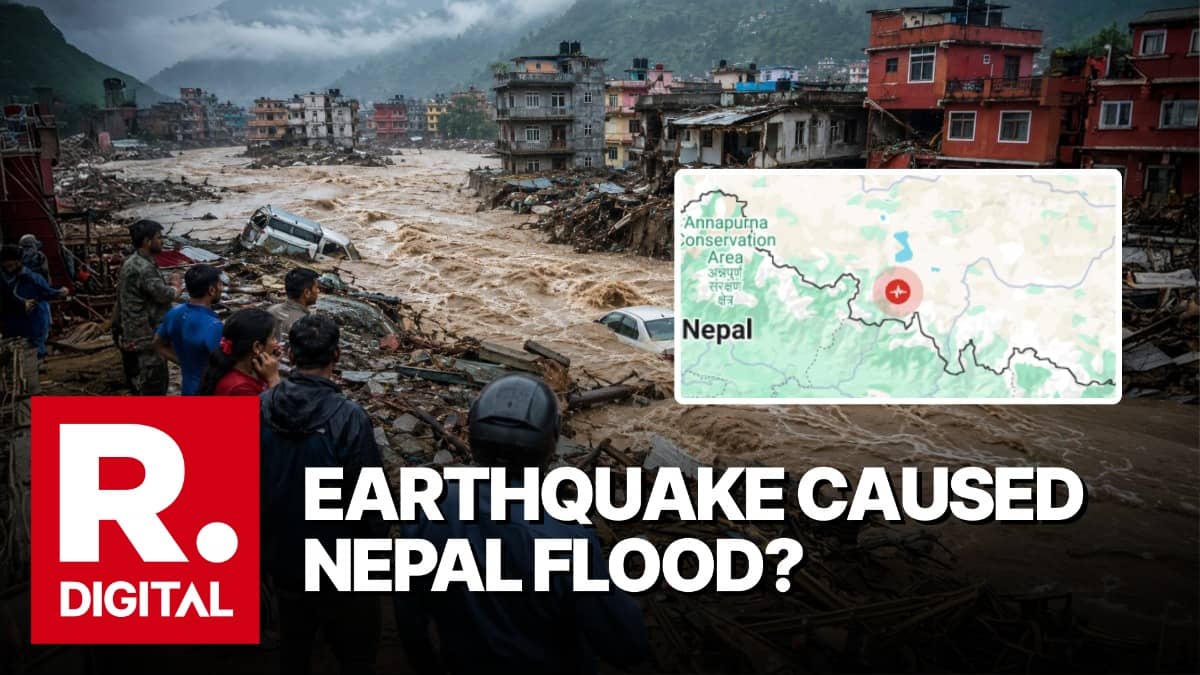
Nepal Flash Floods: Possible Avalanche, Earthquake or GLOF Triggers
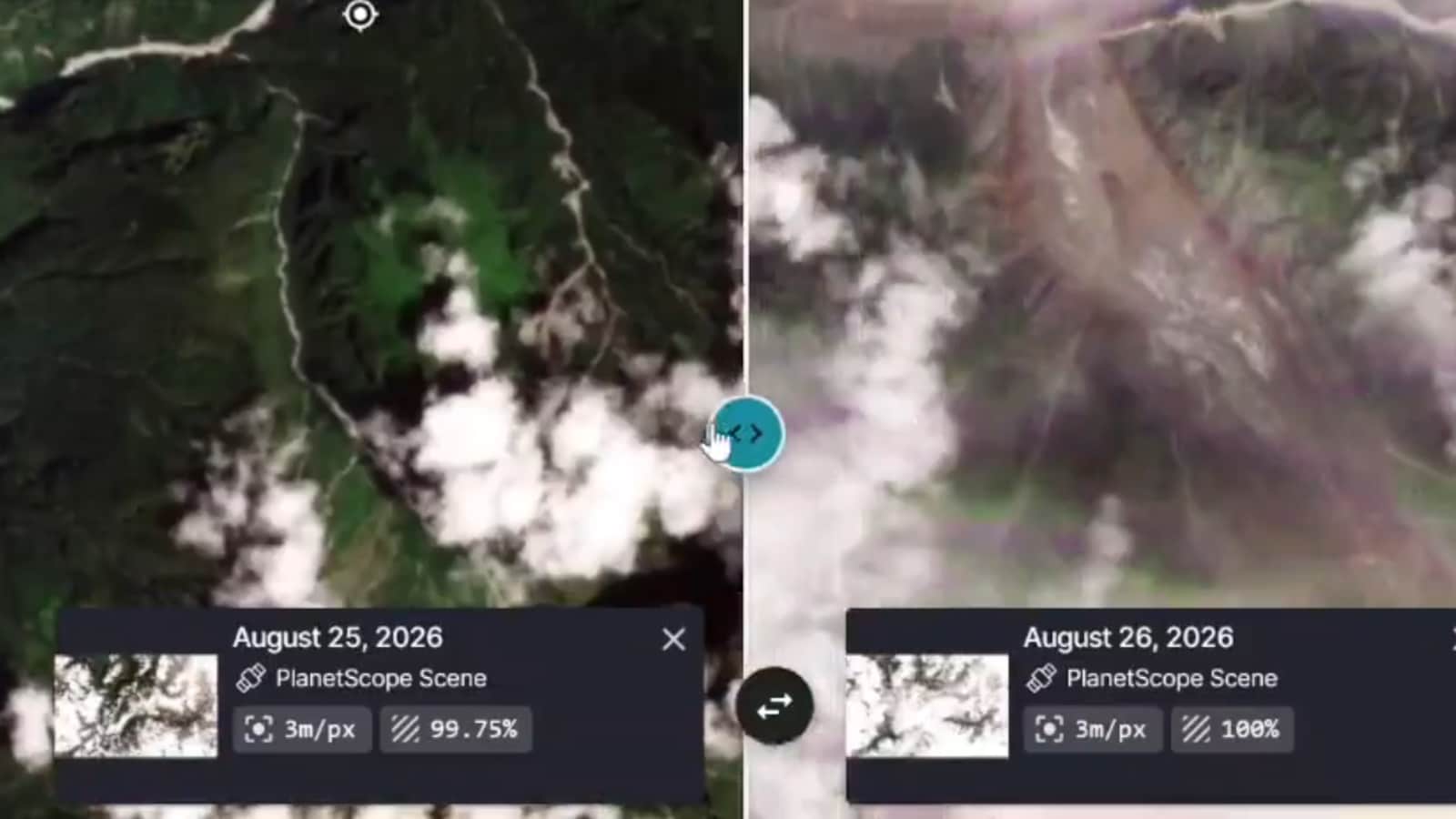
Satellite Images Reveal Possible Cause of Devastating Nepal Floods

Nepal Thanks India as Glacial Disaster Rescue Efforts Continue
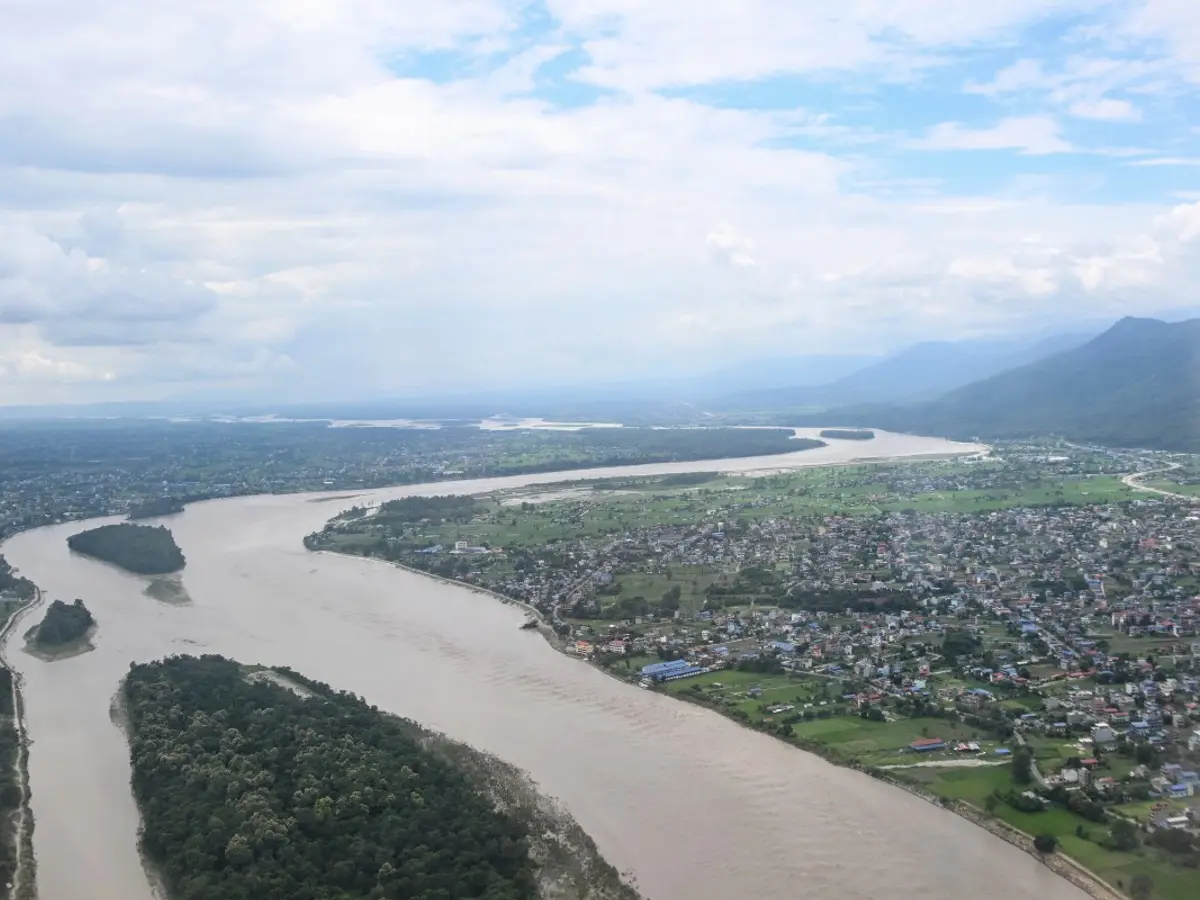
Nepal Warns of Heavy Rain After Deadly Floods
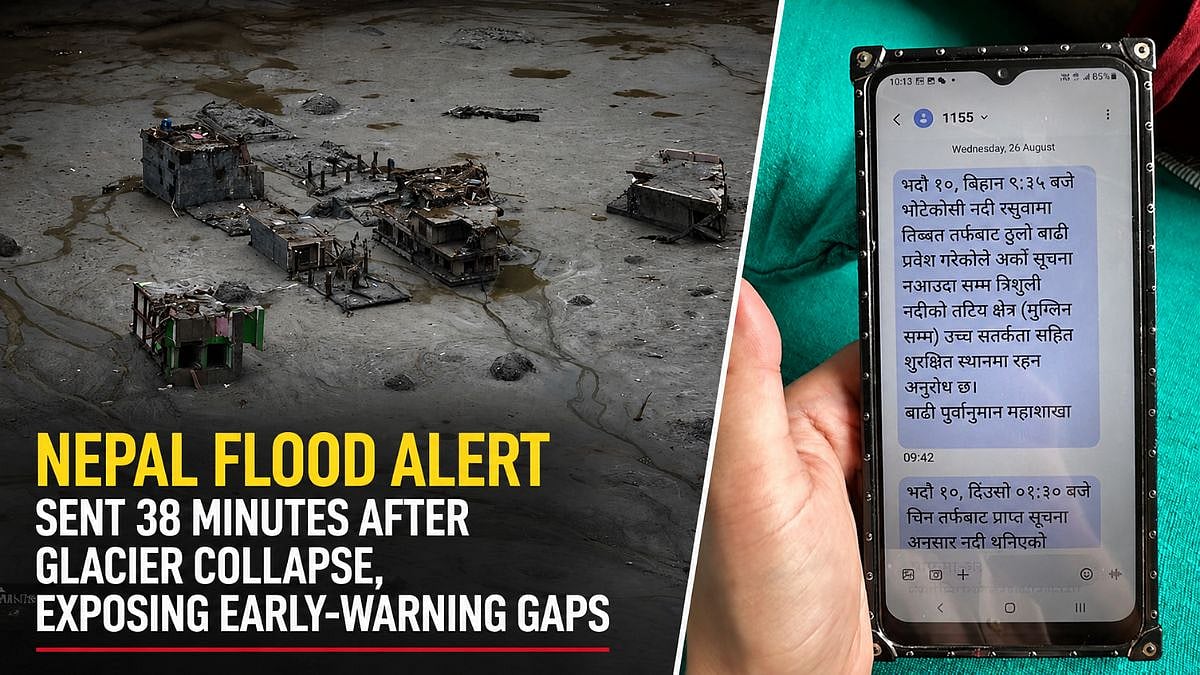
Nepal Flood Exposes Delayed Alerts and Cross-Border Warning Gaps
India to Rebuild Nepal School After Principal Saves 1,600
Maharashtra Mountaineers Join Search for Missing Nepal Trekkers
