4 days ago
After 2024 Bleaching, El Niño Threatens Coral Reefs Further
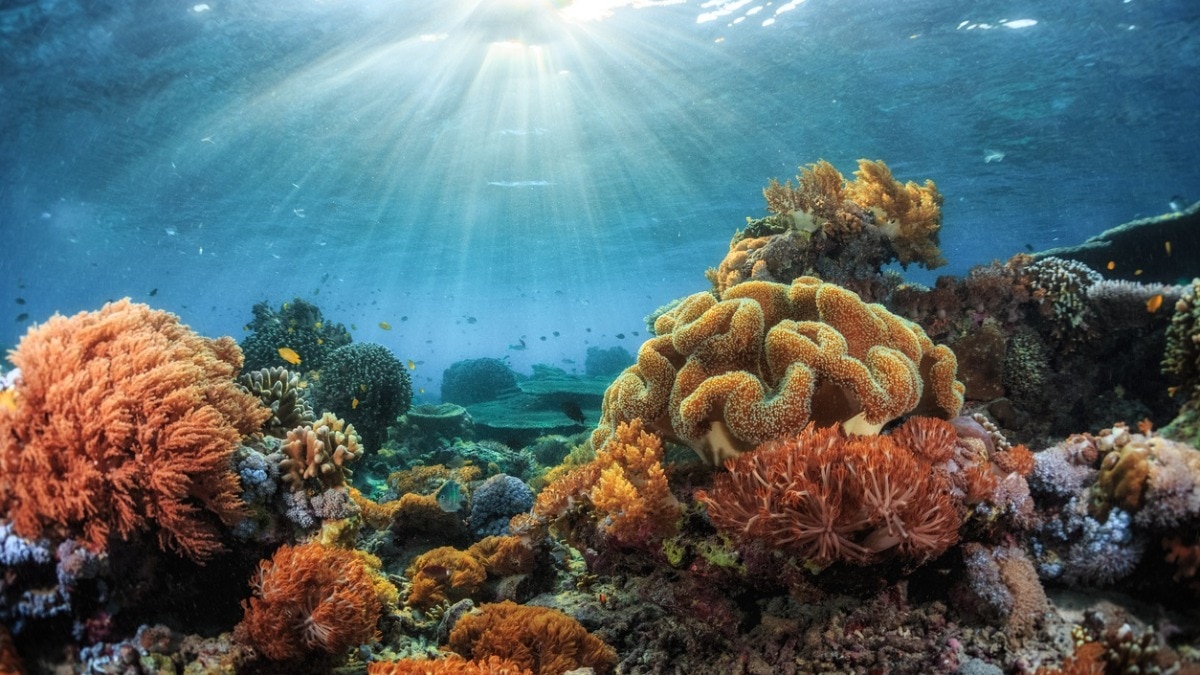
El Niño is a natural event that can make parts of the ocean unusually warm.
Very warm water can make corals lose the tiny algae that help feed them.
This makes the corals look white, which is called bleaching.
Bleached corals can recover, but too much heat for too long can kill them.
A large bleaching event already happened around the world from 2023 into 2024.
Scientists worry that another strong El Niño could hurt reefs that have not recovered.
Reefs are important because they help sea animals, fisheries, tourism and coastal communities.
People are growing corals and studying stronger varieties, but reducing greenhouse-gas emissions is needed to address the main problem.

An unprecedented global coral-bleaching event began in 2023 and intensified through 2024.
A potential strong El Niño could bring additional prolonged ocean heat to already stressed reefs.
Warm water causes corals to expel energy-producing algae, turning them white in a process called bleaching.
Coral reefs support fisheries, tourism, coastal communities and marine species, while reducing wave and storm impacts.
Nurseries, resilient coral research and habitat protections may help, but reducing greenhouse-gas emissions remains critical.
- Who
- Coral reefs, marine scientists and conservation groups are central to the issue.
- What
- A potential strong El Niño could expose coral reefs to further heat stress after the 2023–2024 global bleaching event.
- Where
- Across tropical oceans, particularly in connection with unusually warm waters in the central and eastern tropical Pacific.
- When
- The previous global bleaching event began in 2023 and intensified through 2024; the possible El Niño would occur afterward.
- Why
- Climate change has raised baseline ocean temperatures, making additional El Niño-related heat more dangerous for already stressed reefs.
Key facts
- Previous bleaching event
- A global bleaching episode began in 2023 and intensified through 2024.
- Main threat
- Prolonged ocean heat can cause bleaching and eventually kill corals.
- El Niño effect
- El Niño involves unusually warm waters across the central and eastern tropical Pacific and can alter global weather and temperatures.
- Bleaching process
- Corals expel microscopic algae that provide energy, causing them to turn white.
- Reef benefits
- Reefs support fisheries, tourism, coastal communities and thousands of marine species.
- Restoration methods
- Researchers are growing corals in underwater nurseries and studying corals that survived earlier bleaching.
- Key limitation
- Restoration cannot solve the underlying problem if ocean temperatures continue rising.
Sources
Related news

World’s Oceans Reach Record Heat as El Niño Intensifies

Tricolour coral assemblage in Lakshadweep offers climate adaptation insights

Powerful El Niño Could Make 2027 Hottest Year

Global Sea Surface Temperature Sets Record Amid El Niño Warming
Earth’s Oceans Reach 125,000-Year Heat Record Amid El Niño

Record-Strength El Niño Could Bring Extreme Global Weather

Super El Niño May Bring India Drier, More Dangerous Monsoons
Dry Spell Threatens Cotton Yields Across Karimnagar District

El Nino Raises Drought Risk in Andhra Pradesh, Minister Warns

Indonesian Fires Trigger Regional Haze Alerts, School Closures
Grand Canyon Flash Flood Kills Two, Leaves More Missing