

2 weeks ago
Tricolour coral assemblage in Lakshadweep offers climate adaptation insights

Under the sea near a small island called Minicoy in Lakshadweep, India, scientists found something amazing — corals that look like a flag, with orange, white, and green colours.
A scientist named Alvin Anto took a photo of them while searching for marine mammals.
The corals are called Lobophyllia corymbosa and Lobophyllia radians.
Scientists noticed something very interesting: two corals of the same kind were growing right next to each other.
One of them had turned white because it lost the tiny plants living inside it that give corals food and colour.
The other one stayed healthy and green.
This happens because warm ocean water stresses corals, and some corals can handle it better than others.
Scientists want to learn from these corals so they can help protect and repair reefs.
The institute that studies fish, called CMFRI, is also building artificial reefs and breeding sea animals to help the ocean stay healthy.
This colourful discovery reminds us to protect fragile coral ecosystems in a warming world.

A natural tricolour coral assemblage in orange, white, and green was discovered at Minicoy in Lakshadweep.
The corals were identified as Lobophyllia corymbosa (vibrant orange) and Lobophyllia radians (white and green).
The photo was captured by CMFRI research scholar Alvin Anto during a marine mammal survey.
One Lobophyllia radians colony bleached after losing its symbiotic algae while its direct neighbour remained healthy and green.
CMFRI is scaling up artificial reef deployment and marine fish breeding programmes to build climate-resilient marine ecosystems.
- Who
- Scientists at ICAR-Central Marine Fisheries Research Institute (CMFRI), led by Director Dr Grinson George; the photograph was taken by research scholar Alvin Anto.
- What
- Discovery of a rare tricolour coral assemblage in which neighbouring colonies of the same species responded differently to environmental stress, one bleaching and one staying healthy.
- Where
- Minicoy in Lakshadweep, India.
- When
- Reported on Friday, August 14, from Kochi.
- Why
- Rising sea temperatures stress corals; the contrasting responses of the two colonies offer insights for coral reef restoration and climate adaptation research.
Key facts
- Location
- Minicoy, Lakshadweep
- Species found
- Lobophyllia corymbosa and Lobophyllia radians
- Colours observed
- Orange, white, and green
- Photographer
- Alvin Anto, CMFRI research scholar
- Announcement date
- August 14 (Friday)
- Institute
- ICAR-Central Marine Fisheries Research Institute (CMFRI), Kochi
- Key observation
- One L. radians colony bleached after losing symbiotic algae while its neighbour stayed healthy
- CMFRI initiative
- Scaling up artificial reef deployment along coastal waters
Quotes
Dr Grinson George
CMFRI Director involved in coral research
“"Though this assemblage is a symbol of India’s rich marine biodiversity, it also carries an urgent message about ocean health. It tells the stark story of resilience and vulnerability to climate stress."”
 theprint.in
 thehansindia.com
Sources

Related news
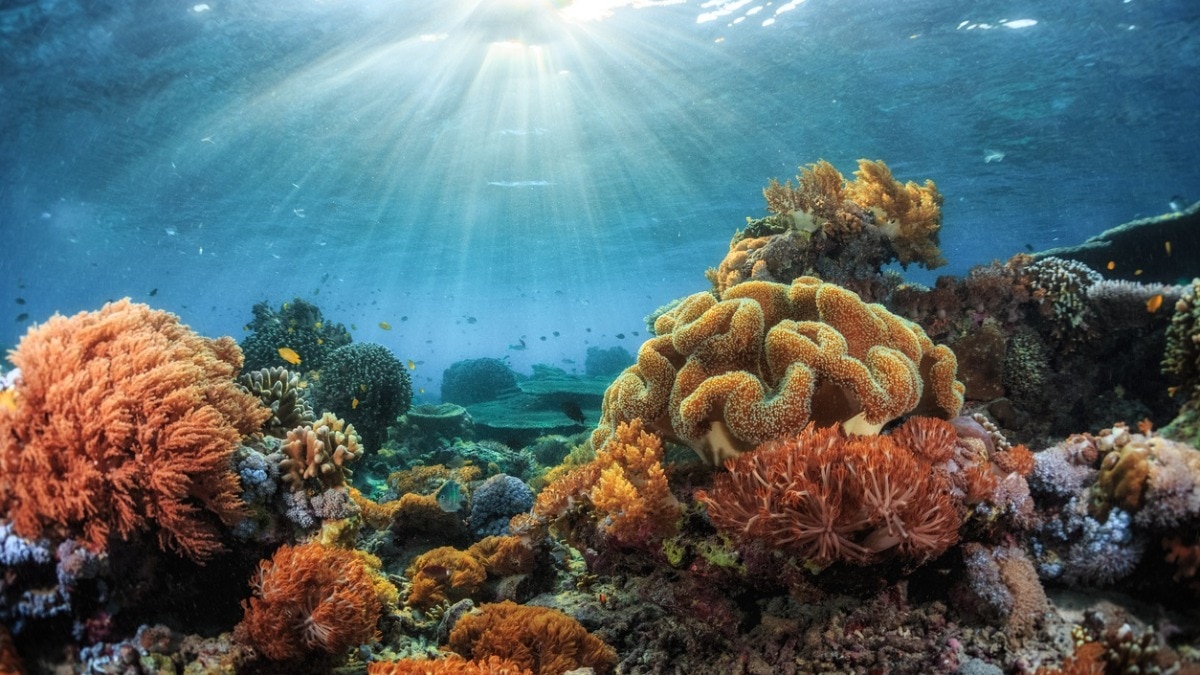
After 2024 Bleaching, El Niño Threatens Coral Reefs Further
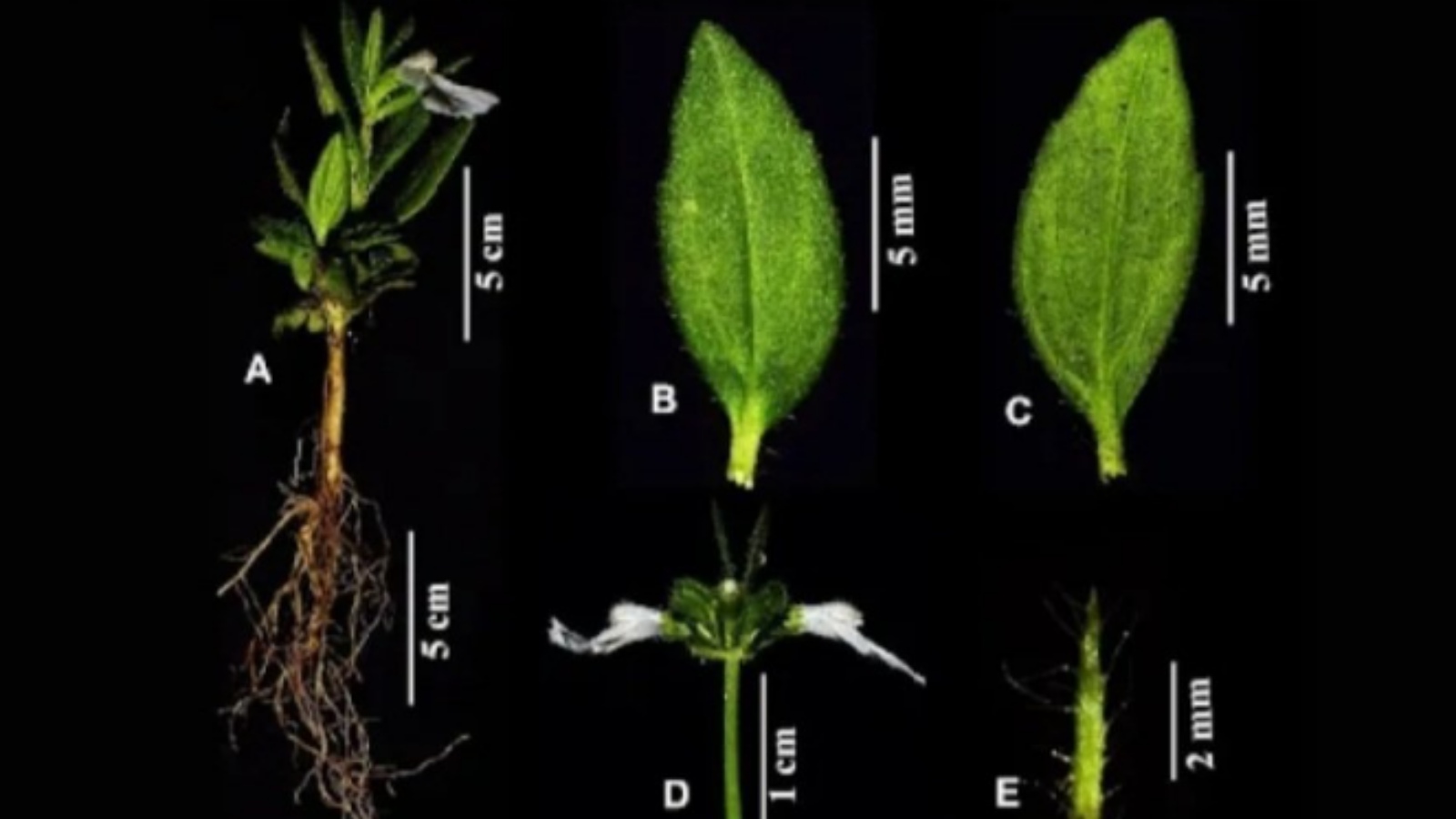
New Tamil Nadu Herb Highlights Coastal Dune Biodiversity
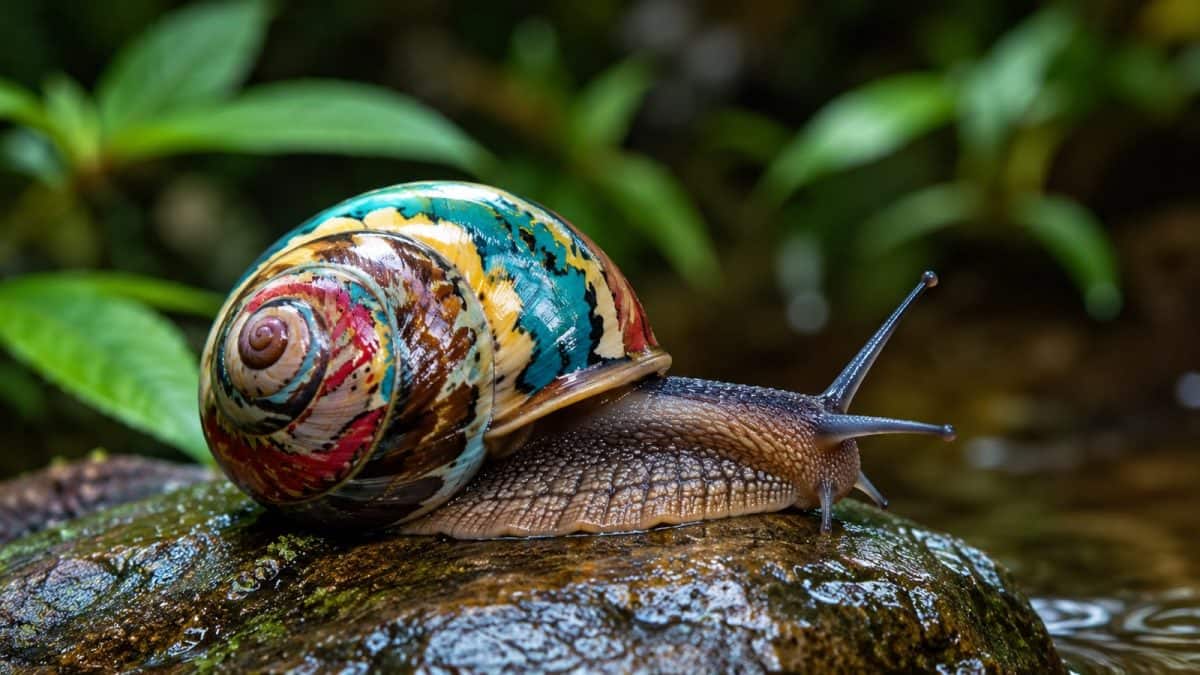
Beautiful Snails Face Threats From Collectors and Mining
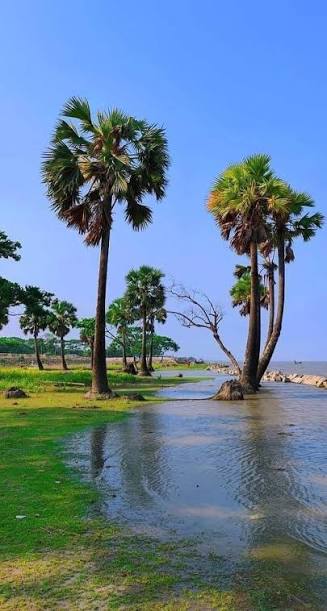
Palmyra Groves Planned as Natural Shield Along Andhra Coast
Kerala scientists discover new seahorse species in Indian Ocean
Rare Marine Bacteria Found Crucial to Ocean Stability
Island territories expand tourism with villas and astro parks

Lakshadweep's TB Elimination Success Offers Lessons for India
Navy Provides 5-Day Medical Care to Lakshadweep Islands
