

22 hrs ago
Dry Spell Threatens Cotton Yields Across Karimnagar District
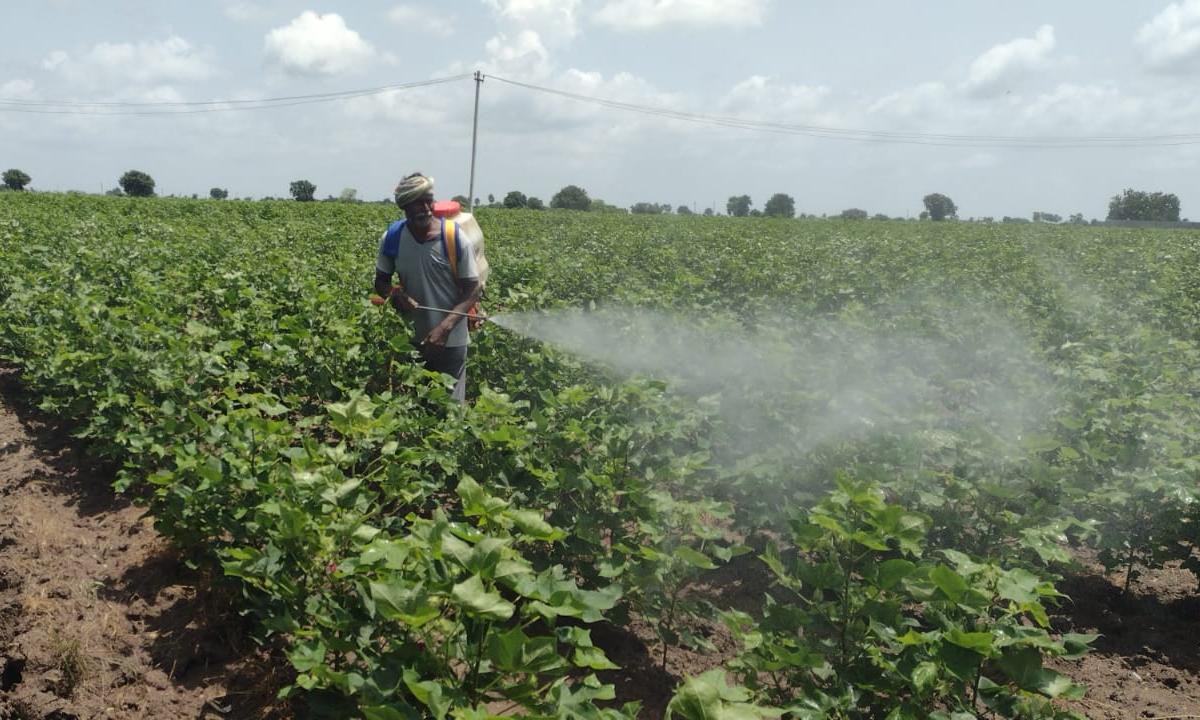
Farmers in Karimnagar are growing cotton during a period with very little rain.
The dry weather has made the plants grow slowly.
Some seeds planted in June did not germinate until July.
The plants are now shorter than they usually are.
Shorter plants may produce fewer flowers and less cotton.
A disease called leafhopper disease is also affecting some fields.
Farmers say the crop could produce much less if it does not rain soon.
An agriculture scientist says dry plants cannot absorb enough nutrients and are easier for insects to attack.

Cotton growth in Karimnagar is being hindered by deficient rainfall and a continuing dry spell.
Farmers warn yields could fall by 50 percent without rain during the next ten days.
Cotton was planted across about 46,000 acres in the district this season.
Delayed germination, short plant growth, and leafhopper disease are affecting the crop.
Scientists say dry soil prevents seedlings from absorbing nutrients and makes them more vulnerable to insects.
- Who
- Cotton farmers in Karimnagar, agriculture officials, and scientists from Krishi Vigyan Kendra, Jammikunta.
- What
- A continuing dry spell is delaying cotton growth and threatening yields.
- Where
- Karimnagar district, including farms in Ramadugu mandal and Goliramaiahpalli.
- When
- During the current Kharif season; farmers identified the next ten days as crucial.
- Why
- Deficient rainfall, hot weather, low soil moisture, delayed germination, and leafhopper disease are harming the crop.
Key facts
- Cotton area
- About 46,000 acres were planted with cotton in Karimnagar district.
- Potential yield decline
- Farmers estimate yields could fall by 50 percent if there is no rain in the next ten days.
- Typical yield
- Normal yields are up to 14 quintals per acre in ordinary soil and up to 20 quintals in black soil.
- Delayed germination
- One farmer said cotton planted in the second week of June germinated only by the end of July.
- Crop disease
- Leafhopper disease has been reported as an additional threat to the crop.
- Government advice
- The state government and agriculture department advised farmers to avoid paddy and grow irrigated dry crops because of expected rainfall deficits.
Sources
Related news
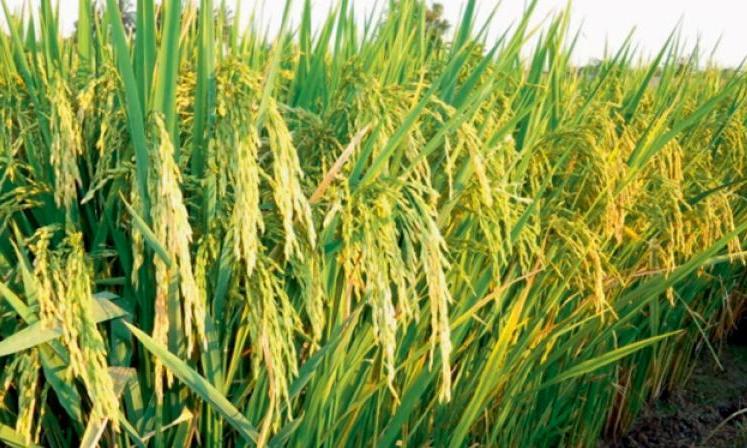
Paddy Cultivation Surges in Karimnagar Despite Government Advice
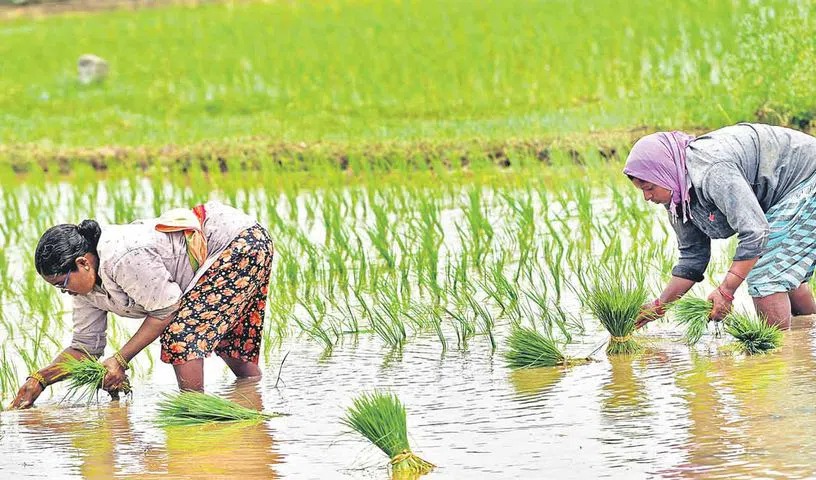
Telangana Farmers Increase Planting Despite Eight Percent Rain Deficit

Don't plant paddy in haste, Wanaparthy DC warns farmers

Telangana Officials Unite to Protect Farmers Amid El Niño Threat

Komatireddy Asks Farmers to Shun Paddy Amid Water Shortage

Bus Crashes Into Open Well Wall, Minor Injuries Reported
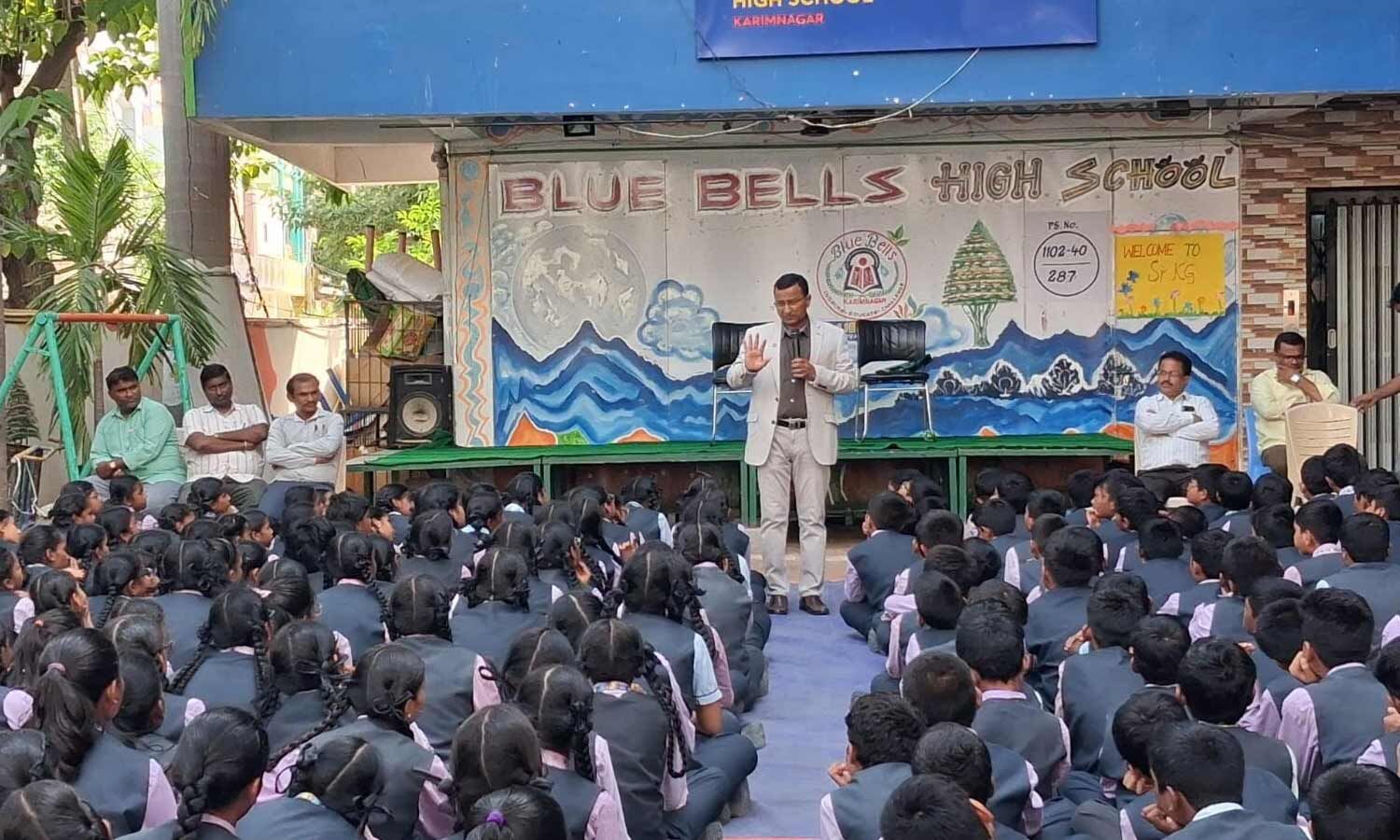
Discipline and Structured Routines Highlighted as Keys to Student Success

Huzurabad Women Attend IndianOil LPG Safety Awareness Programme

Bandi Sanjay Kumar Unveils Major Development Plans for Karimnagar
