1 week ago
Earth’s Oceans Reach 125,000-Year Heat Record Amid El Niño
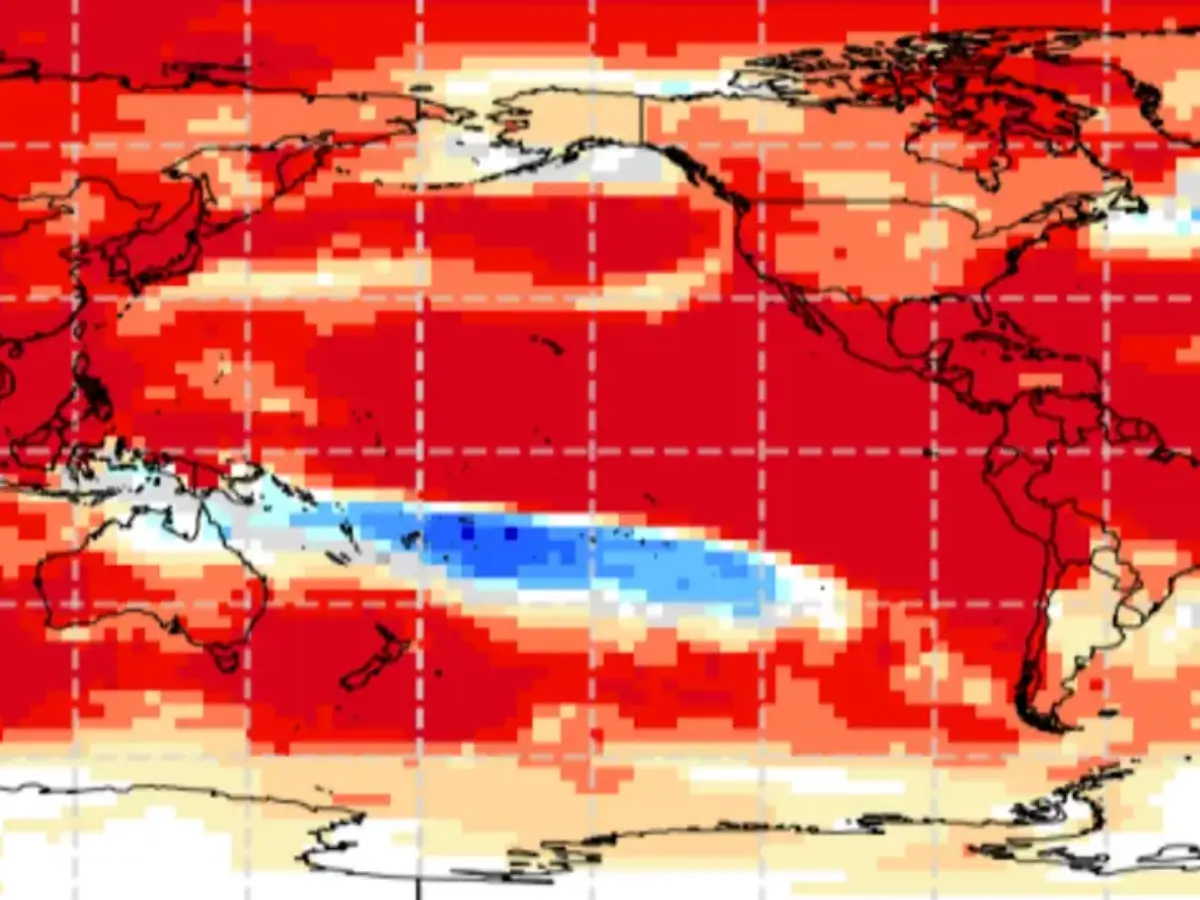
Earth’s oceans are much warmer than usual in 2026.
Scientists say the water may be hotter than at any time in the past 125,000 years.
A strong El Niño weather pattern is helping heat the oceans.
Warmer oceans can add energy to storms.
This may bring heavier rain, flooding and other dangerous weather.
Several countries have already experienced heatwaves and wildfires.
The oceans also absorb carbon dioxide, but hotter water may be less able to take in more of it.
Researchers say the warming is happening alongside long-term human-caused changes to the climate.

Ocean surface temperatures reportedly reached about 21°C in 2026, potentially the highest in 125,000 years.
A powerful El Niño has contributed to heatwaves, wildfires, extreme rainfall and flooding risks worldwide.
Unlike the usual March-April peak, ocean heat reportedly remained unusually high through August.
Ryan Katz-Rosene said the temperatures may be the highest of the Holocene period and possibly the last interglacial period.
Copernicus researchers said global marine heatwave days have more than tripled since the early 1990s.
- Who
- Environmental studies professor Ryan Katz-Rosene and researchers from the European Union’s Copernicus Climate Change Service discussed the record ocean heat.
- What
- Ocean surface temperatures reportedly reached about 21°C, potentially making 2026 the hottest ocean year in roughly 125,000 years.
- Where
- The warming is global, affecting the world’s oceans, while heatwaves and other impacts were reported in Europe and the United States.
- When
- The report concerns 2026; August 21 was identified as a likely peak date, with unusually high heat continuing into August.
- Why
- A strong El Niño has contributed to the ocean heating, alongside the effects of human activity on the climate.
Key facts
- Reported ocean temperature
- About 21°C at the surface in 2026
- Possible historical record
- Potentially the highest ocean temperature in 125,000 years
- Usual seasonal peak
- Ocean heat normally peaks around March and April
- 2026 anomaly
- Ocean heat reportedly remained high through August
- Weather risks
- Stronger storms, intense rainfall and flooding
- Marine heatwaves
- Global marine heatwave days have more than tripled since the early 1990s
Quotes
Ryan Katz-Rosene
University of Ottawa environmental studies professor
“August 21st likely marked the warmest Sea Surface Temperatures have been for the entire Holocene period, and possibly even as far back as the last Interglacial 125,000 years ago. Should be major news!”
 wionews.com
Samantha Burgess
Researcher with the Copernicus Climate Change Service
“The consequences are already visible: the number of marine heatwave days globally has more than tripled since the early 1990s”
wionews.com
Sources
Related news

World’s Oceans Reach Record Heat as El Niño Intensifies

Global Sea Surface Temperature Sets Record Amid El Niño Warming

Record Ocean Warmth Signals Climate Change Entering Unfamiliar Territory

Powerful El Niño Could Make 2027 Hottest Year

France Braces for Fifth Heatwave as Europe Sets Temperature Records

Super El Niño May Bring India Drier, More Dangerous Monsoons

Dry Spell Threatens Cotton Yields Across Karimnagar District

El Nino Raises Drought Risk in Andhra Pradesh, Minister Warns

Indonesian Fires Trigger Regional Haze Alerts, School Closures

Grand Canyon Flash Flood Kills Two, Leaves More Missing