

3 days ago
Iran War Enters Sixth Month as Sanctions Reshape Economy
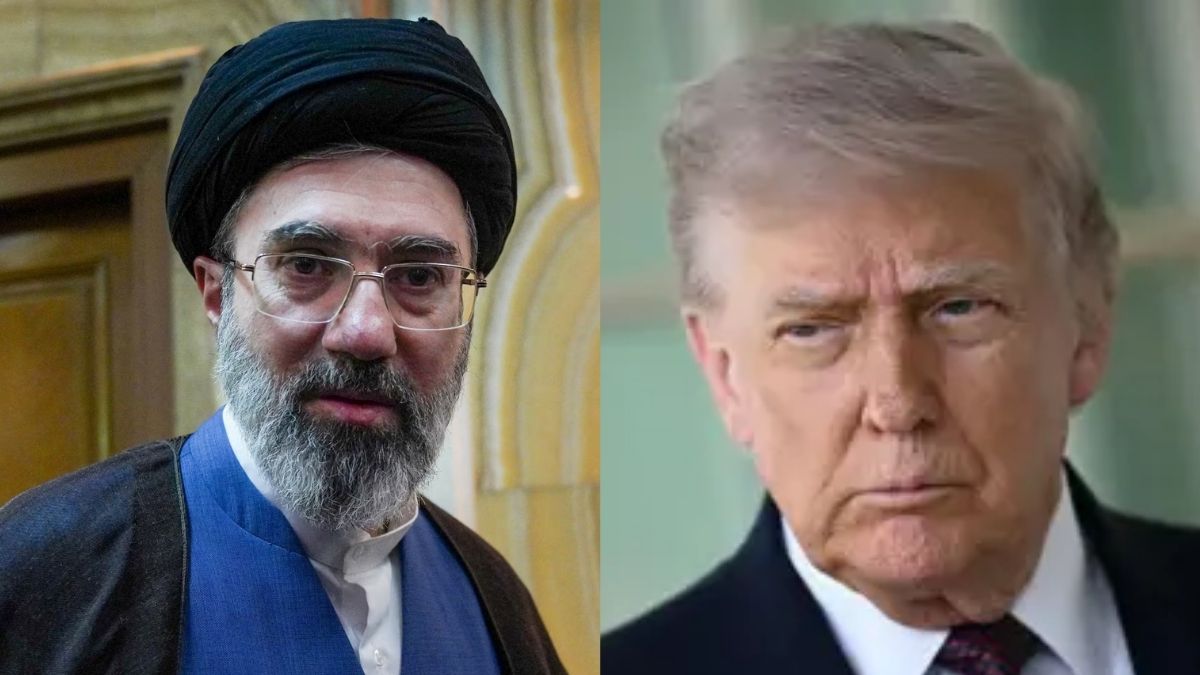
Iran and the United States have been in a war for six months.
The war and sanctions have made it harder for Iran to trade with other countries.
Iran says its foreign trade has fallen by about 35 percent.
Prices inside Iran have also risen sharply, with inflation reaching 66 percent.
Iran sold a large amount of oil during a short agreement, but that agreement ended.
New sanctions and fighting have made oil sales and shipping more difficult.
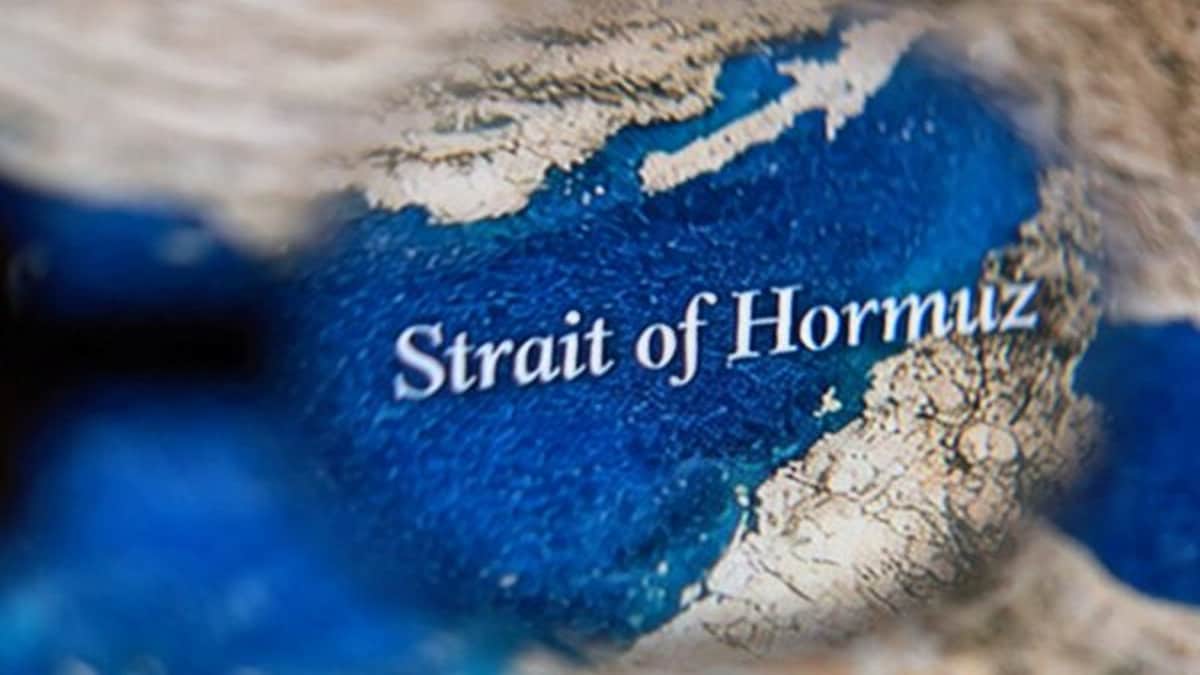
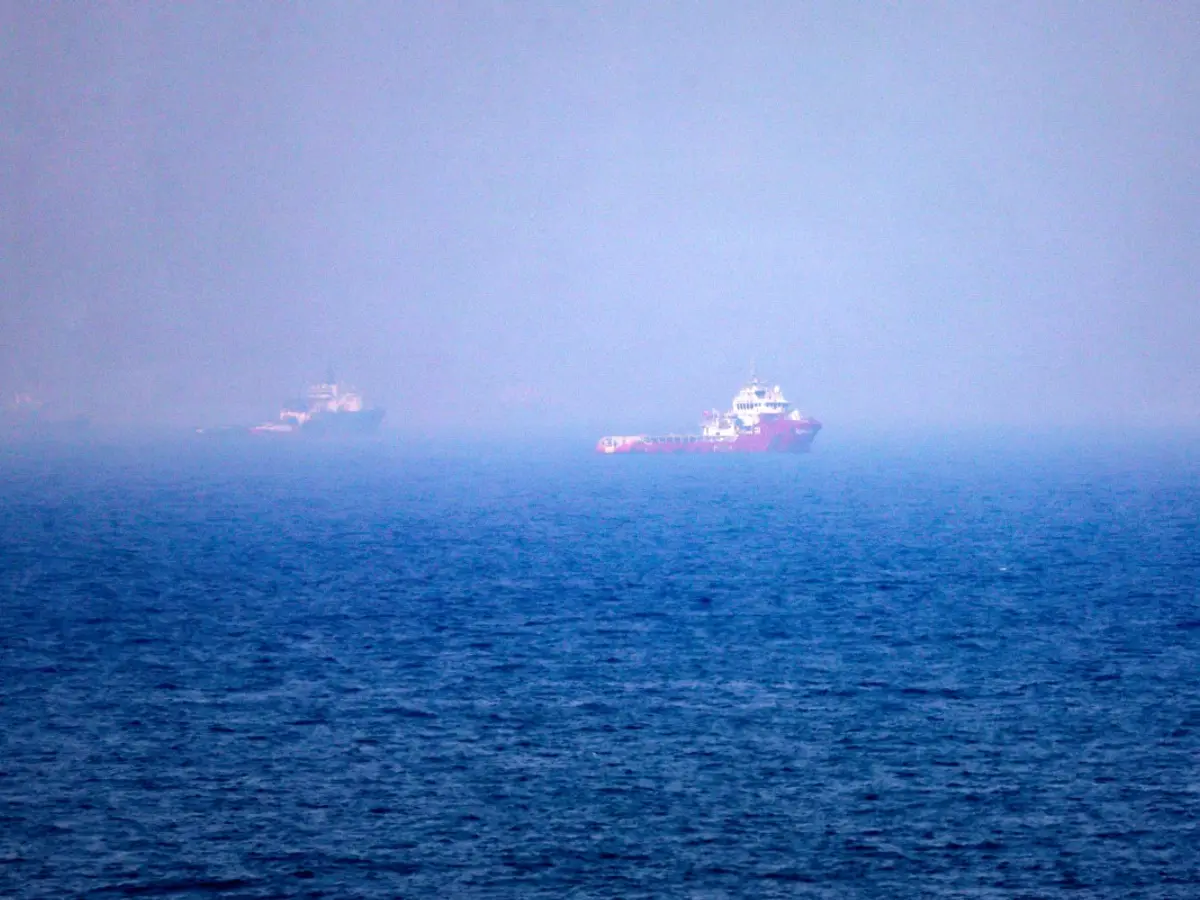
Fewer ships are crossing the Strait of Hormuz, an important route for energy shipments.
Iran is trying to make more goods at home and use diplomacy and defense to manage the crisis.
Some Iranian leaders want a tougher response, while President Pezeshkian has said ending the war would be preferable.

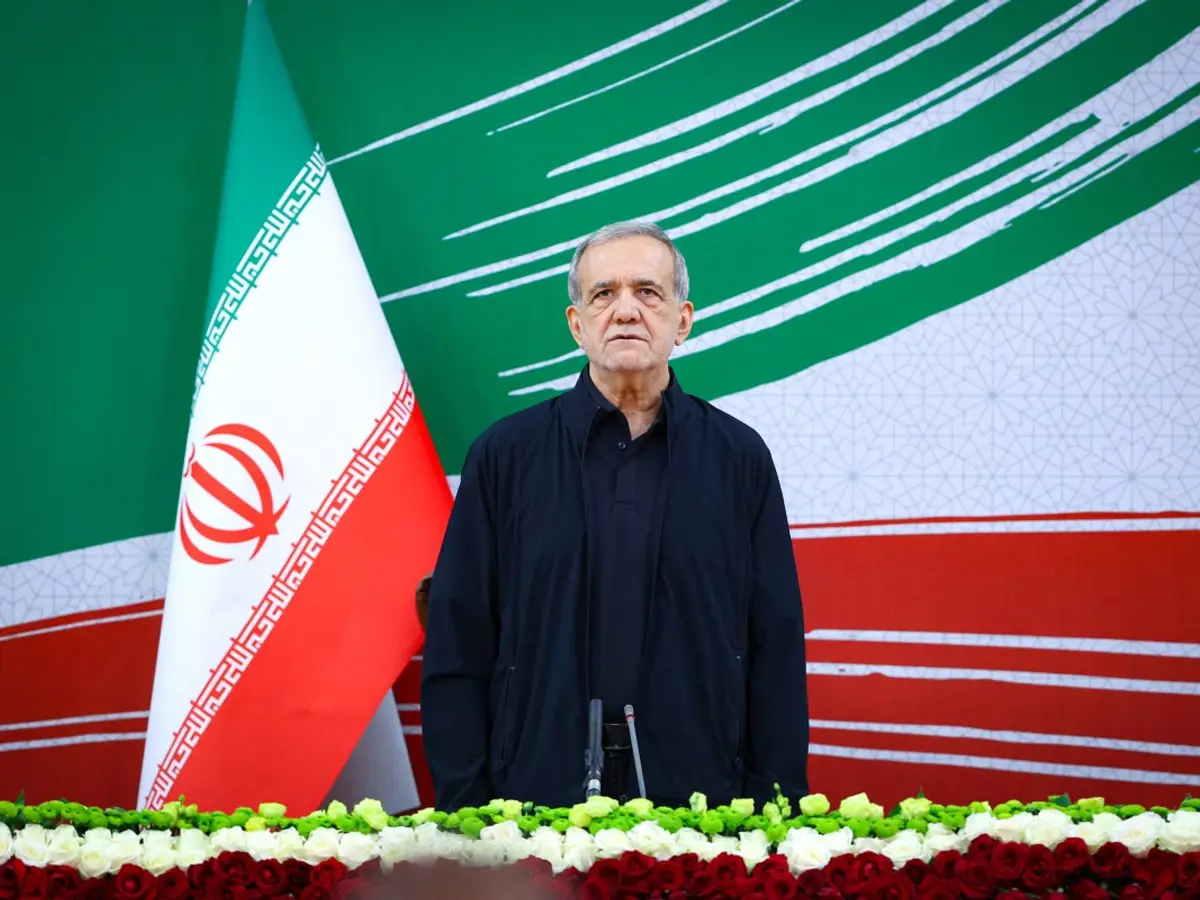
Iranian President Masoud Pezeshkian said foreign trade had fallen nearly 35% because of United States sanctions and a naval blockade.
Inflation has reached 66%, while shipping disruptions around the Strait of Hormuz have limited trade and energy flows.
Iran temporarily sold about 90 million barrels of oil under a June memorandum with Washington before renewed fighting and sanctions ended the arrangement.
The United States has expanded sanctions against companies, financial institutions and individuals linked to Iran, restricting access to financial channels.
Iran is emphasizing diplomacy, defense, domestic production, jobs and reduced reliance on the dollar as the conflict continues.
- Who
- Iranian President Masoud Pezeshkian, Iran’s government and military leadership, and the United States are central to the report.
- What
- The war has entered its sixth month while sanctions and shipping restrictions reduce Iran’s trade and pressure its oil exports.
- Where
- Iran, its ports and oil trade routes, particularly the Strait of Hormuz and the Persian Gulf.
- When
- The report describes developments at the six-month mark, including leadership appointments announced on August 11 and 12 and an oil arrangement in June.
- Why
- United States sanctions, a naval blockade, renewed fighting and restrictions on financial and shipping routes have reduced Iran’s access to markets and revenue.
De-escalation and Economic Stabilization
Hard-Line Resistance and Escalation
How to end the conflict
De-escalation and Economic Stabilization
President Masoud Pezeshkian said ending the war would be preferable, arguing that Iran had already gained power and dignity.
Hard-Line Resistance and Escalation
Some Iranian hard-liners oppose normalizing relations with the United States and favor continued resistance and hostility.
Response to further United States action
De-escalation and Economic Stabilization
Iran’s government says diplomacy should be used alongside defense while it works to contain inflation and protect jobs.
Hard-Line Resistance and Escalation
Mohsen Rezaei has threatened a seismic retaliation if Donald Trump takes further action and warned that no oil might be exported from the Persian Gulf if the economic war continues.
Economic strategy
De-escalation and Economic Stabilization
Domestic production, diplomacy and reduced dependence on the dollar are presented as ways to lessen the impact of sanctions.
Hard-Line Resistance and Escalation
Officials associated with a tougher position may use Iran’s strategic position around the Strait of Hormuz to pressure the United States and global energy markets, though this could also damage Iran’s own exports.
Key facts
- Foreign-trade decline
- Iranian President Masoud Pezeshkian said foreign trade had shrunk by nearly 35%.
- Inflation
- Inflation in Iran was reported at 66%.
- Oil sold during June arrangement
- Iran sold about 90 million barrels of oil during a short-lived memorandum of understanding with Washington.
- Hormuz shipping
- Seven vessels crossed the Strait of Hormuz, compared with a usual daily average of about 15.
- United States sanctions
- The latest campaign includes secondary sanctions on companies, financial institutions and individuals linked to Iran.
- Oil-price range
- Brent crude reached $118 per barrel on April 29 before falling to $72 per barrel on June 26.
- Domestic response
- Iran says it will focus on inflation, jobs, domestic production and reducing dependence on the dollar.
Quotes

Mohsen Rezaei
Iranian official appointed secretary of the Supreme National Security Council
“not a single drop of oil will be exported”
 financialexpress.com
Sources
Related news
Iran Economy Strained as US Sanctions Intensify During War
Economic front dominates US-Iran war as sanctions squeeze Tehran

US Escalates Iran Economic Pressure as Hormuz Crisis Deepens

Iran Threatens Persian Gulf Oil Halt Amid US Economic Pressure
Iran War Reaches Costly Stalemate as Trump Bets on Sanctions
Pezeshkian Acknowledges US Sanctions Are Pressuring Iran’s Economy
Iran Seizes Fuel-Smuggling Vessel in Gulf, Arrests 11 Crew
Trump Floats Renaming Strait of Hormuz as “Trump Strait”

Chevron Plans $7 Billion Venezuela Expansion Amid U.S. Oil Push
Saudi Tanker Hit in Hormuz, Killing Two Filipino Sailors
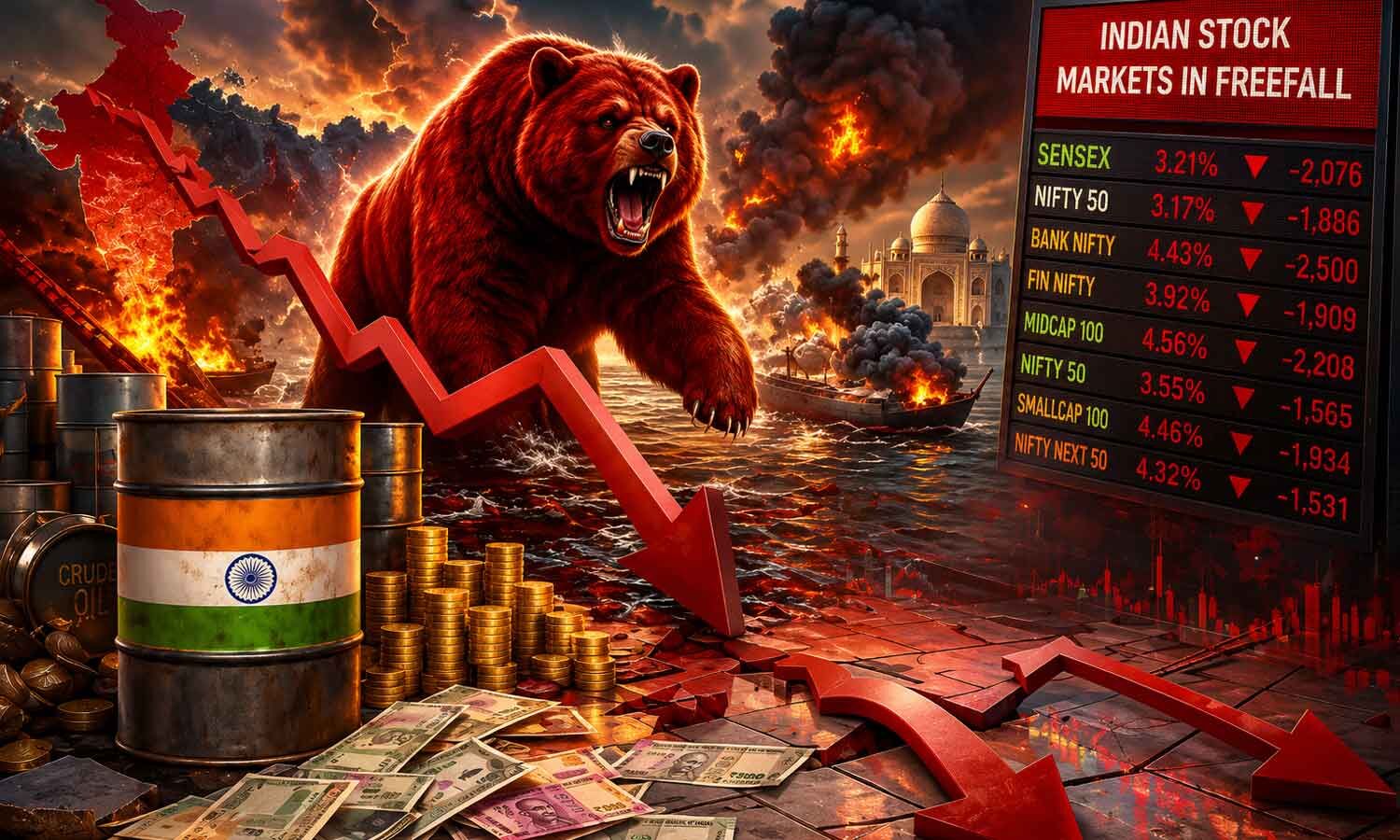
Indian Stocks Extend Three-Day Losing Streak as Oil Rises
