4 days ago
Iran Economy Strained as US Sanctions Intensify During War
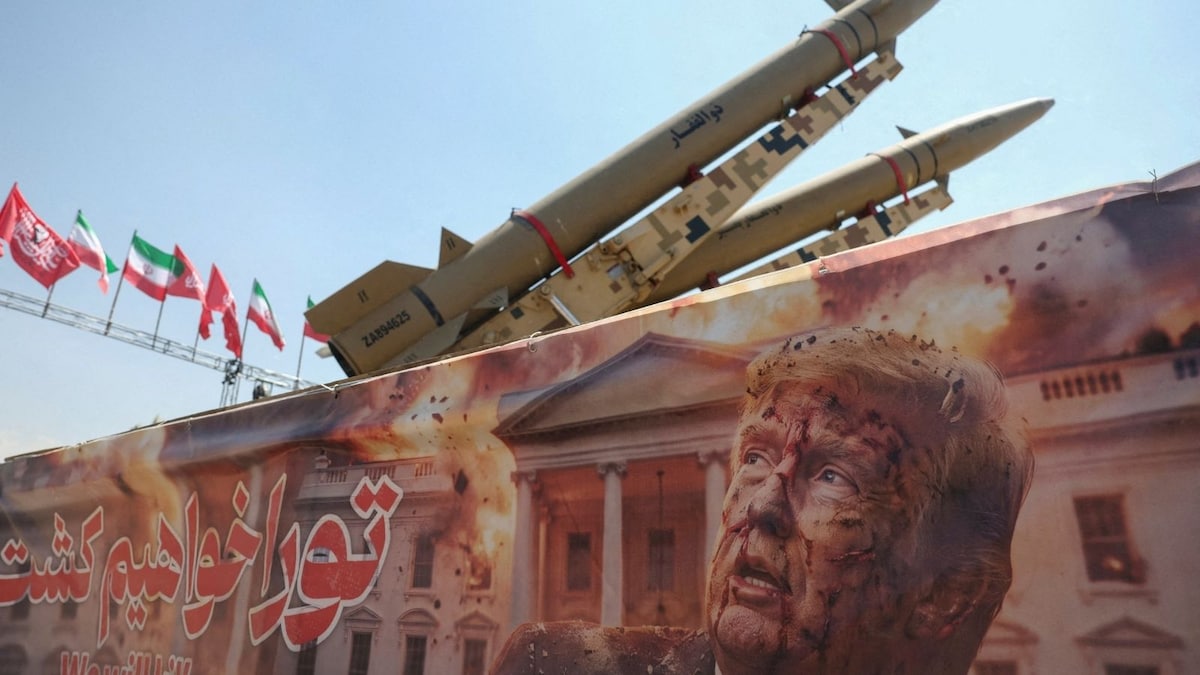
Iran’s economy is under pressure from war and US sanctions.
Iran says its foreign trade has fallen by about 35 percent.
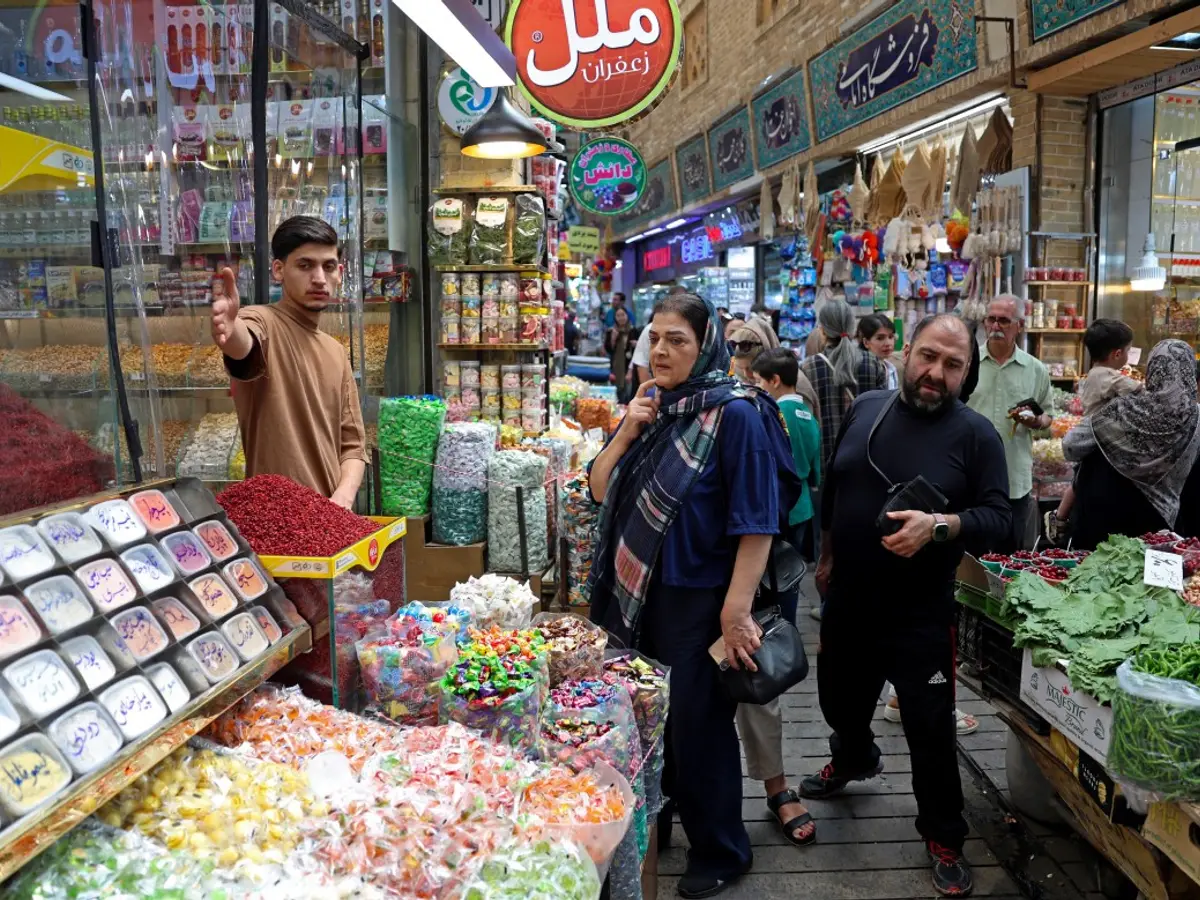
Prices are also rising quickly, with inflation reaching 66 percent last month.
Iran’s supreme leader asked the government to address inflation, unemployment, and other economic problems.
The United States sanctioned some banks and organizations connected to Iran.
Washington also warned other countries that they could face penalties for trading with Iran.
Qatar is trying to help restart talks and restore open shipping through the Strait of Hormuz.
The United States says the waterway is open, while Iran’s Revolutionary Guard says ships need Iranian permission.
Only seven commodity ships crossed the strait on Thursday, compared with 17 the previous day and a 10-day average of 15.

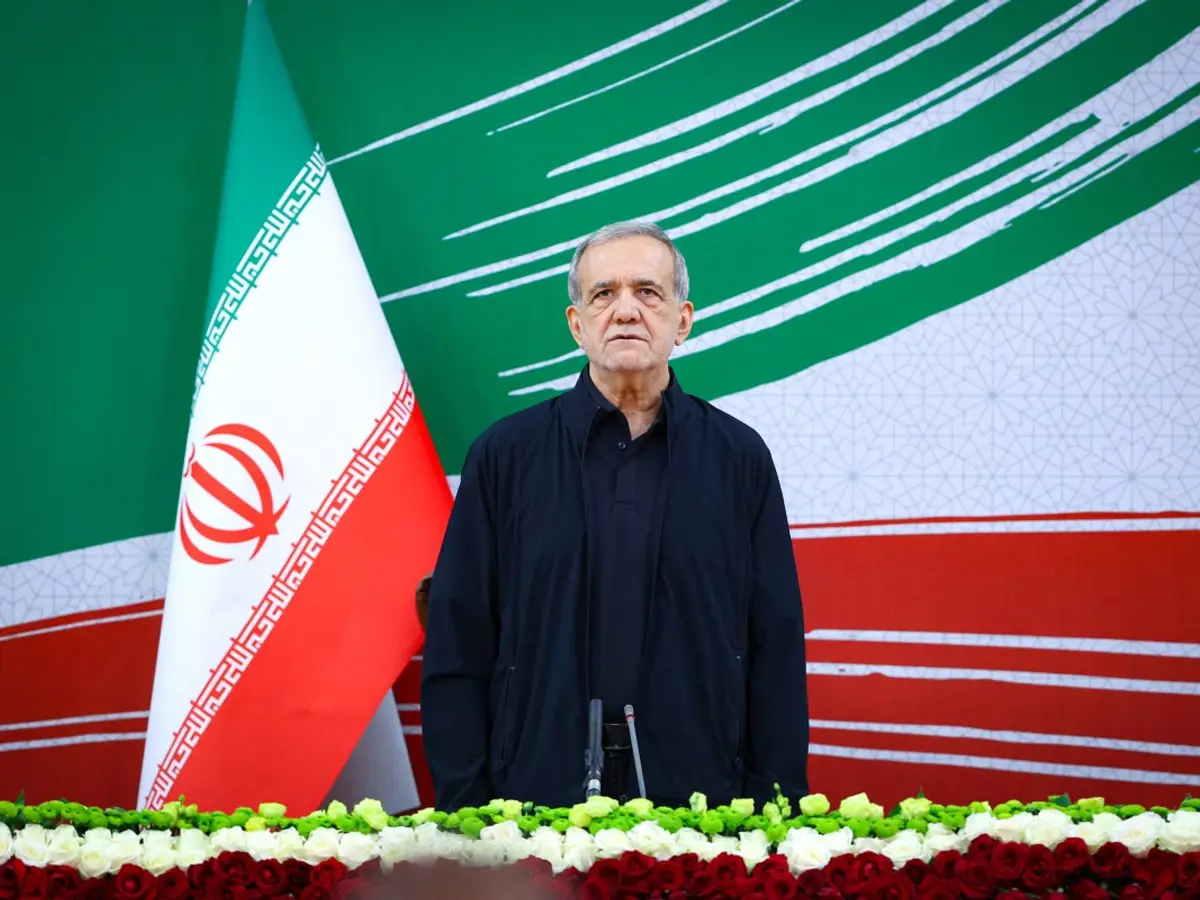
Iranian President Masoud Pezeshkian said exports and imports had fallen nearly 35% because of US sanctions and a naval blockade.
Iran’s annual inflation reached 66% last month, prompting Supreme Leader Ayatollah Mojtaba Khamenei to demand action on economic hardships.
The United States sanctioned Egypt’s Banque Misr and separately targeted a Hong Kong entity and a person linked to Bank Melli Iran.
Washington warned countries to reduce business ties with Iran but did not penalize major trade partners China and India.
Qatar pursued renewed diplomacy over the Strait of Hormuz, where shipping remained below recent average levels amid competing US and Iranian claims.
- Who
- Iranian leaders, the United States administration, Qatar, and financial institutions trading with Iran.
- What
- The United States intensified financial sanctions against Iran while Iran emphasized economic measures, diplomacy, and control of the Strait of Hormuz.
- Where
- The economic measures affected Iran and foreign financial institutions, while diplomatic discussions took place in Tehran and concerned the Strait of Hormuz.
- When
- The reports were published on August 29, 2026, six months into the war; relevant meetings occurred Thursday and Friday, followed by an Iranian statement on Saturday.
- Why
- Washington sought to increase economic pressure on Iran, while Iran cited economic hardship and Qatar pursued diplomacy and the restoration of open shipping.
Iranian and diplomatic position
US position
Strait of Hormuz
Iranian and diplomatic position
The Islamic Revolutionary Guard Corps’ navy said the waterway remained closed to ships without Iranian permission and called claims that it was open an obvious lie.
US position
Donald Trump has repeatedly said the strait is open, while US military commanders said American forces cleared sea mines from it.
Economic pressure
Iranian and diplomatic position
Iranian leaders said sanctions and the naval blockade were worsening inflation, trade, employment, and broader livelihood problems, while promising to pursue diplomacy and defence.
US position
The United States intensified sanctions and warned countries to reduce business ties with Iran as part of its economic pressure campaign.
Diplomatic path
Iranian and diplomatic position
Iran described Qatar-mediated discussions as creative and supported returning to pre-war open shipping through the strait.
US position
Negotiations remained at an impasse, and disagreements over the strait contributed to the collapse of the brief June ceasefire arrangement.
Key facts
- Foreign trade
- Masoud Pezeshkian said Iranian exports and imports had declined nearly 35%.
- Inflation
- Iran’s annual inflation reached 66% last month.
- US sanctions
- The United States sanctioned Banque Misr and separately targeted a Hong Kong entity and a person linked to Bank Melli Iran.
- Oil sales
- Iran said it sold about 90 million barrels of oil during a short-lived June memorandum of understanding.
- Strait traffic
- Seven commodity vessels crossed the Strait of Hormuz on Thursday, compared with 17 the previous day and a 10-day average of 15.
- Diplomatic meeting
- Qatari Prime Minister Sheikh Mohammed bin Abdulrahman Al Thani met Iranian leaders in Tehran on Thursday.
- Pre-war shipping
- The Strait of Hormuz carried 20% of the world’s oil and liquefied natural gas before the war, according to the report.
Quotes
Ayatollah Mojtaba Khamenei
Iran’s supreme leader
“There is the need to seriously address the chain of economic and livelihood challenges, such as inflation, unemployment, management of prices and the market for goods and services.”
 CNBC TV 18
 theprint.in
 thehindubusinessline.com
“creative”
CNBC TV 18

Islamic Revolutionary Guard Corps navy
The naval branch of Iran’s Islamic Revolutionary Guard Corps
“are an obvious lie”
CNBC TV 18
Sources

Related news
Iran War Enters Sixth Month as Sanctions Reshape Economy

Iranian Rial Hits Record Low as US Prepares New Sanctions
Economic front dominates US-Iran war as sanctions squeeze Tehran
Iran Vows to Defy Sanctions as U.S. Escalates Pressure
Pezeshkian Acknowledges US Sanctions Are Pressuring Iran’s Economy
Iran Faces Fresh US Sanctions as Tehran Vows Resistance
Iran Seizes Fuel-Smuggling Vessel in Gulf, Arrests 11 Crew
Trump Floats Renaming Strait of Hormuz as “Trump Strait”

Chevron Plans $7 Billion Venezuela Expansion Amid U.S. Oil Push
Saudi Tanker Hit in Hormuz, Killing Two Filipino Sailors

U.S.-Iran Exchange Escalates Across Middle East, Markets Slide