3 weeks ago
BNHS sterilises over 2,950 dogs to save black-necked cranes

In a high, cold part of India called Ladakh lives a special bird called the black-necked crane.
People think of it as a sacred bird and a symbol of peace and good luck.
There are very few of these cranes left in India.
Wild dogs that live near villages were eating crane eggs and baby cranes, so the birds could not raise their young safely.
To help, a nature group called BNHS worked with the Indian Army and other departments.
They caught more than 2,950 wild dogs and sterilised them, which means the dogs cannot have puppies anymore.
They also started a project to manage food waste so fewer dogs would gather around the cranes' homes.
Nearly 1,000 soldiers learned how to protect nature and wildlife.
In June 2026, scientists counted 19 pairs of cranes, and they think there may be even more.

The Bombay Natural History Society (BNHS) sterilised more than 2,950 free-ranging dogs in Ladakh's black-necked crane breeding areas.
The initiative, started in 2022, is a joint effort with the Indian Army, the Animal Husbandry Department, and the Department of Forest, Ecology & Environment.
Free-ranging dogs kill crane chicks, prey on eggs, and disturb nesting, which reduces the reproductive success of the vulnerable species.
Fewer than 100 black-necked cranes survive in India; the world population is estimated at 11,000-12,000, mostly on the Tibetan Plateau.
A pilot waste-management project at Indian Army outposts and conservation training for nearly 1,000 personnel aim to reduce threats to the birds.
- Who
- The Bombay Natural History Society (BNHS), jointly with the Indian Army, the Animal Husbandry Department, and the Department of Forest, Ecology & Environment.
- What
- Sterilised more than 2,950 free-ranging dogs to protect black-necked cranes and other wildlife from predation and nesting disturbance.
- Where
- Ladakh, India, particularly crane breeding wetlands in the Changthang Cold Desert Wildlife Sanctuary (Hanle, Tso Kar, Nyoma) and the Suru Valley.
- When
- The initiative began in 2022; the latest results were announced on Wednesday, August 12, 2026.
- Why
- Free-ranging dogs kill crane chicks and disturb nesting, reducing breeding success of the vulnerable, sacred black-necked crane.
Key facts
- Dogs sterilised
- Over 2,950 free-ranging dogs
- Target species
- Black-necked crane (listed as vulnerable)
- World population
- 11,000-12,000, mostly on the Tibetan Plateau
- Population in India
- Fewer than 100
- Cranes recorded in June 2026
- 19 pairs across Ladakh wetlands (conservative estimate)
- Initiative start
- 2022
- Security forces trained
- Nearly 1,000 personnel in biodiversity conservation
- Partners
- Indian Army, Animal Husbandry Department, Department of Forest, Ecology & Environment
Quotes
Dr Muhammad Raza
BNHS scientist working in Ladakh
“"Therefore, the actual number of pairs is expected to be slightly higher, making the current estimate a conservative figure," he said.”
 theprint.in
Sources
Related news
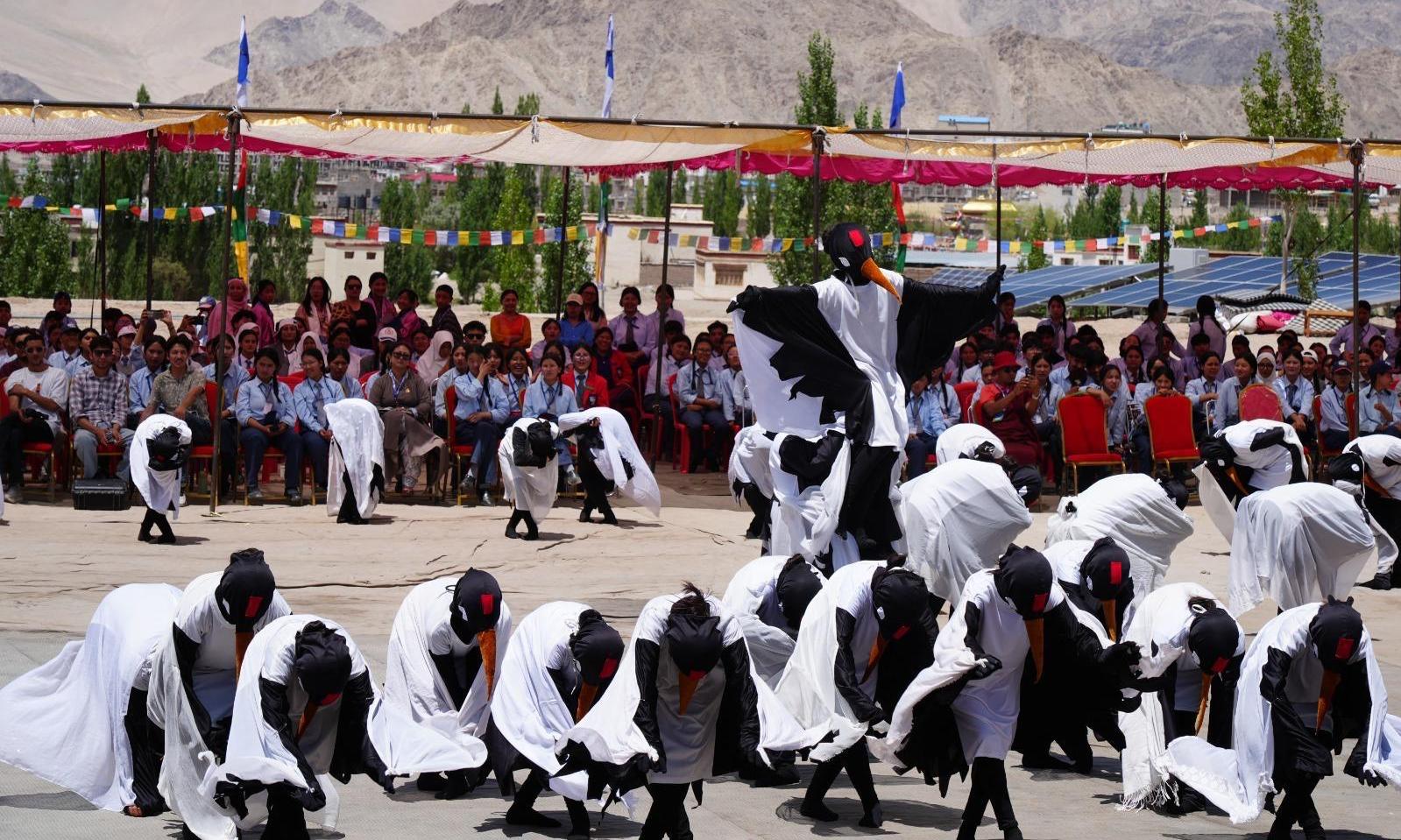
Ladakh Hosts India's First Black-Necked Crane Festival
UNDP, Ladakh Renew Biodiversity Partnership for Himalayan Conservation

Ladakh approves India's first high-altitude wildlife safari for snow leopards
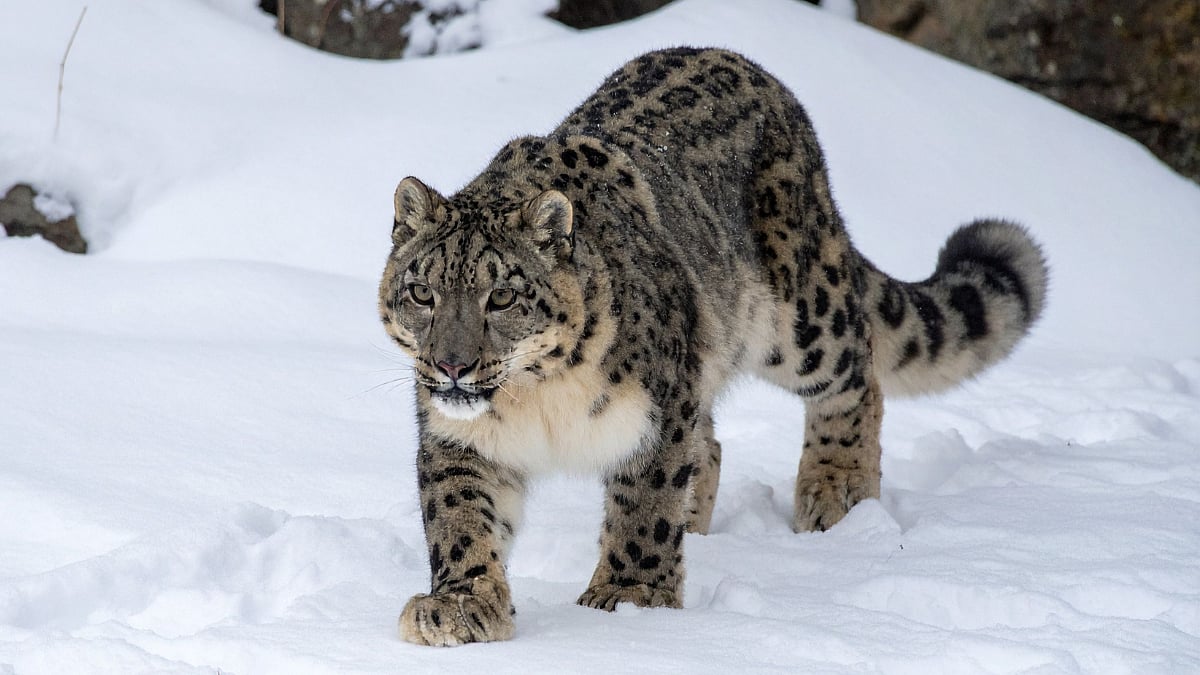
Ladakh to Get India's First Snow Leopard Safari
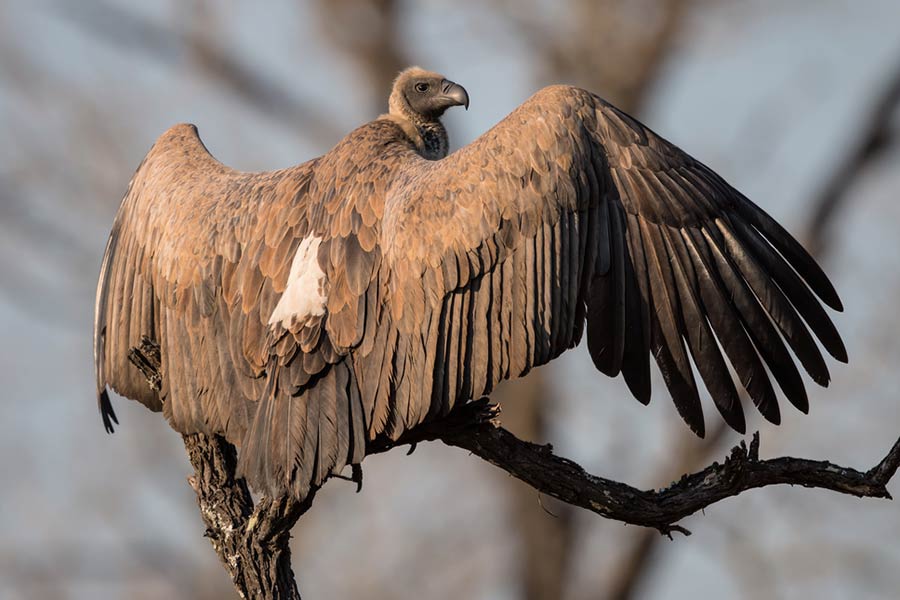
Assam releases captive-bred vultures into wild in global first
Black-Headed Ibis Decline Alarms Naxalbari Conservationists

Himalayan Disaster Highlights Need for India-Nepal-China Climate Cooperation

Nepal Floods Expose Gaps in Himalayan Data Sharing

Tibetan Plateau Water Tower Faces Growing Climate Instability

Glacier Collapse, Not Earthquake, Triggered Tibet-Nepal Border Flood

Niketu Iralu’s Life Leaves a Message of Truth and Service