1 week ago
Black-Headed Ibis Decline Alarms Naxalbari Conservationists
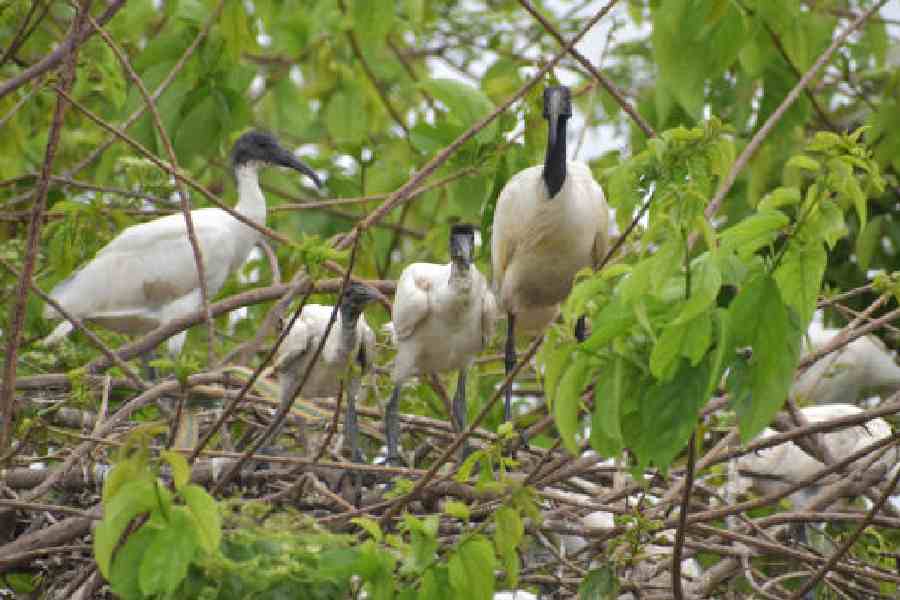
Black-headed ibises are birds that visit Naxalbari each year.
They help control pests in nearby rice fields.
Their numbers have fallen from about 350 to around 190.
Experts say the birds are losing wetlands, rice fields and plants where they find food.
Some large trees used for breeding have also been cut down or disappeared.
The birds usually come in March and leave in early October.
Volunteers and forest officials count the adult breeding birds each year.
They say protecting the remaining wetlands, fields and trees could help the birds.

Annual counts in Naxalbari found about 190 black-headed ibises this year, down from roughly 350 in previous years.
Conservationists and foresters link the decline to disappearing wetlands, paddy fields, vegetation and breeding trees.
The birds have been sighted in Naxalbari for more than 25 years, reportedly only in this north Bengal location.
Black-headed ibises usually arrive in March and remain until the first week of October.
The species is classified as Near Threatened by the International Union for Conservation of Nature.
- Who
- Black-headed ibises, conservationists, forest officials and local organisations involved in the census.
- What
- The number of black-headed ibises recorded in Naxalbari has declined sharply, from about 350 in previous years to around 190 this year.
- Where
- Naxalbari, around 25 kilometres from Siliguri in the foothills of Darjeeling district, north Bengal.
- When
- The annual census has been conducted for five years; the birds usually arrive in March and stay until the first week of October.
- Why
- Conservationists and foresters attribute the decline to urbanisation, construction and the loss of wetlands, paddy fields, vegetation, food sources and breeding trees.
Key facts
- Species
- Black-headed ibis (Threskiornis melanocephalus)
- Current count
- Around 190 adult breeding birds recorded this year
- Previous count
- About 350 birds recorded in previous years
- Status
- Near Threatened, according to the International Union for Conservation of Nature
- Season
- Birds generally arrive in March and remain until the first week of October
- Main threats
- Wetland, paddy-field, vegetation and breeding-tree loss linked to construction and urbanisation
- Census partners
- Himalayan Nature and Adventure Foundation, Kurseong forest division, Naxalbari Paschimbanga Vigyan Mancha, Naxalbari College’s NSS unit and local trade organisations
Quotes
Animesh Bose
Programme coordinator of the Himalayan Nature and Adventure Foundation
“The black-headed ibis has been sighted in Naxalbari, around 25km from Siliguri, for more than two decades. But our annual count shows that its numbers are declining rapidly, largely because of the loss of water bodies and increasing urbanisation”
 telegraphindia.com
“We have been conducting the enumeration for the past five years. In previous years, we recorded around 350 birds, but this year, the number has dropped to around 190”
telegraphindia.com
A forester
Forest official discussing habitat conservation in Naxalbari
“In Naxalbari, we need to conserve the remaining wetlands, paddy fields, vegetation and trees where these birds breed to prevent further decline of the species”
telegraphindia.com
Sources
Related news
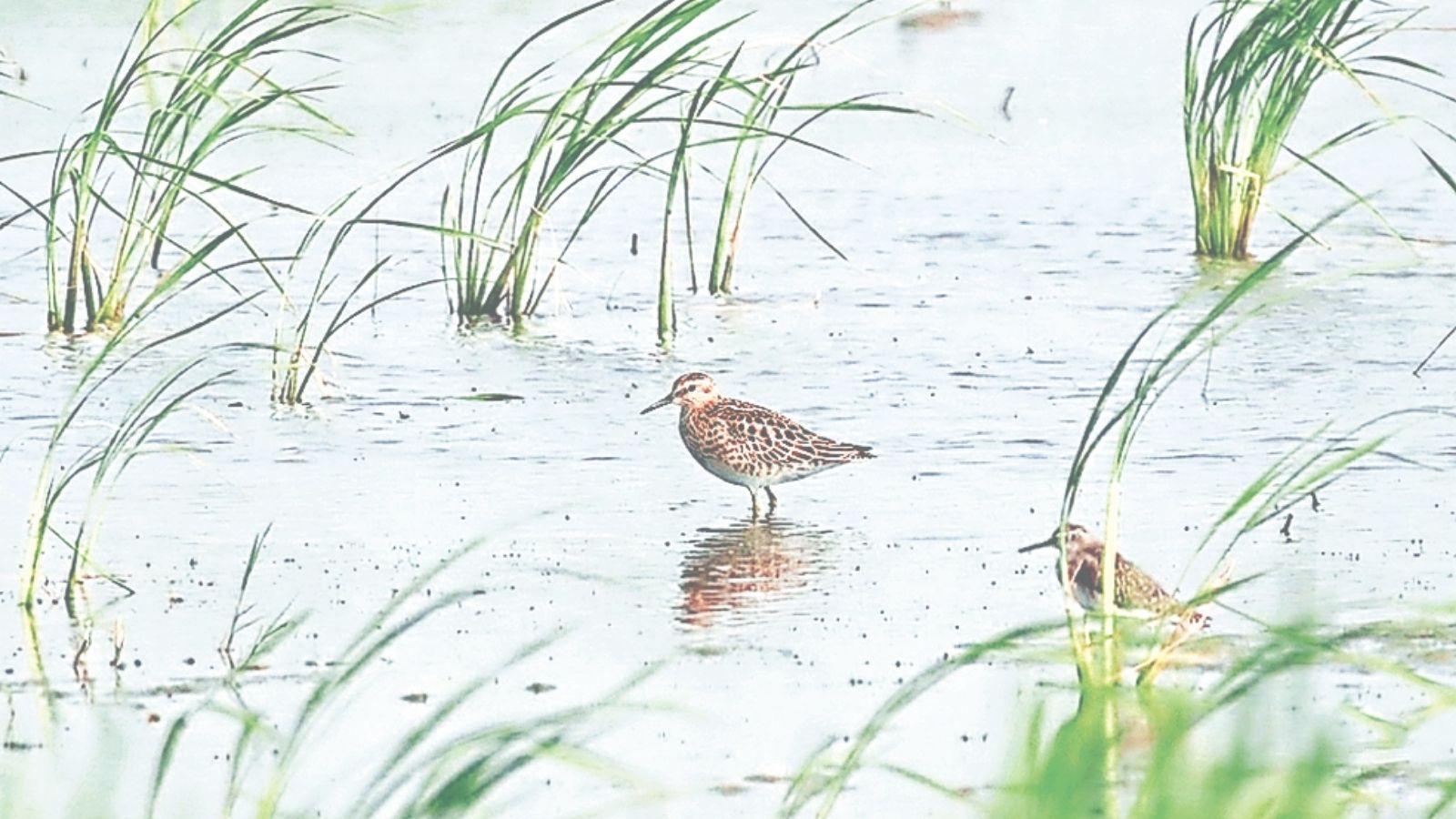
Rare Sharp-Tailed Sandpiper Spotted at Najafgarh in Fifth Indian Record

Environmentalists Seek Fast Conservation Status for Navi Mumbai’s DPS Lake

BNHS sterilises over 2,950 dogs to save black-necked cranes
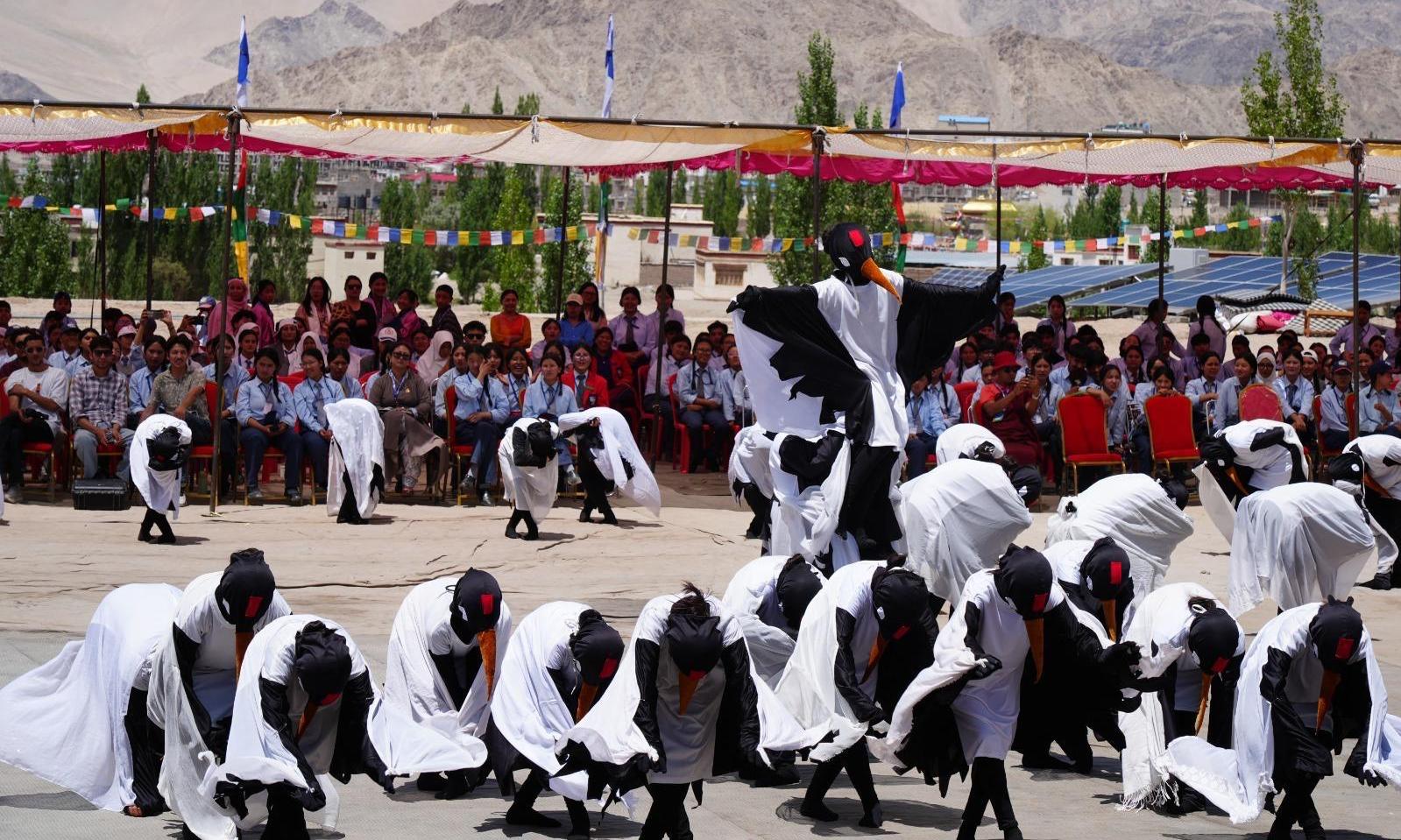
Ladakh Hosts India's First Black-Necked Crane Festival

Collector Inspects Perungulam Amid Calls For Bird Sanctuary Status
Perungulam Wetland Moves Toward Ramsar Recognition in Tamil Nadu
Bihar Warns Against Unknown Fish Carried By Nepal Floodwaters

UNCCD CoP 17 Highlights Grassland Restoration and Drought Resilience

Ecologists Seek Marine National Parks Along Andhra Pradesh Coast