3 weeks ago
Ladakh approves India's first high-altitude wildlife safari for snow leopards

Ladakh is a very cold, high mountain region in India.
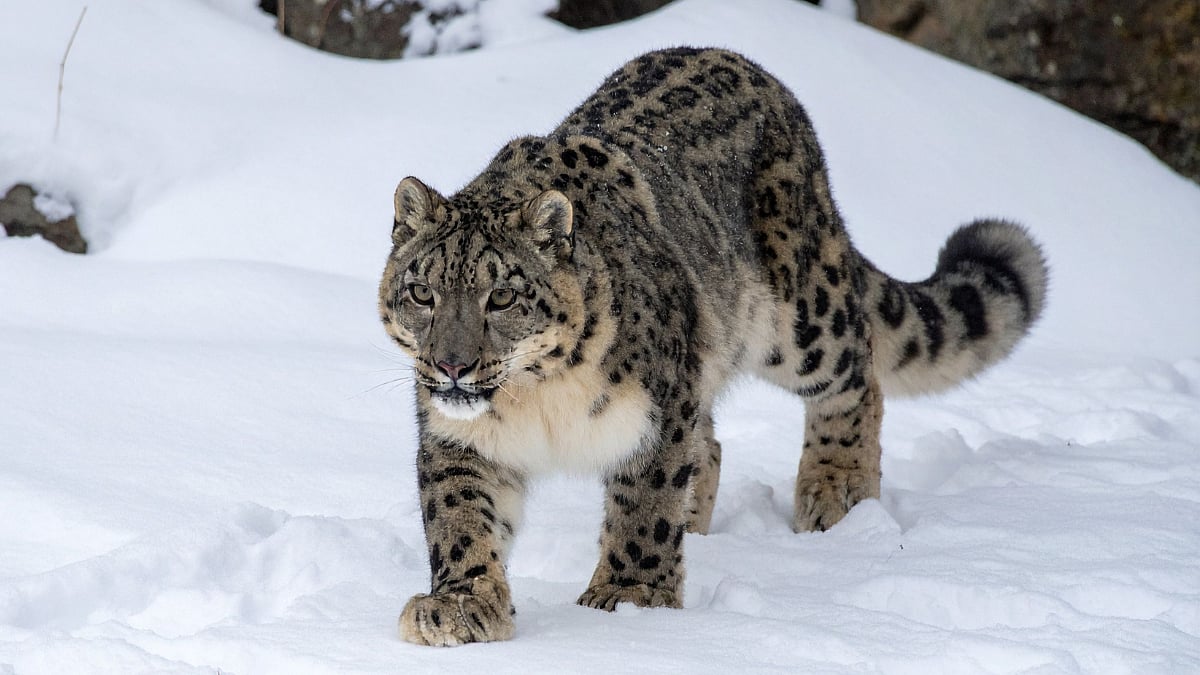
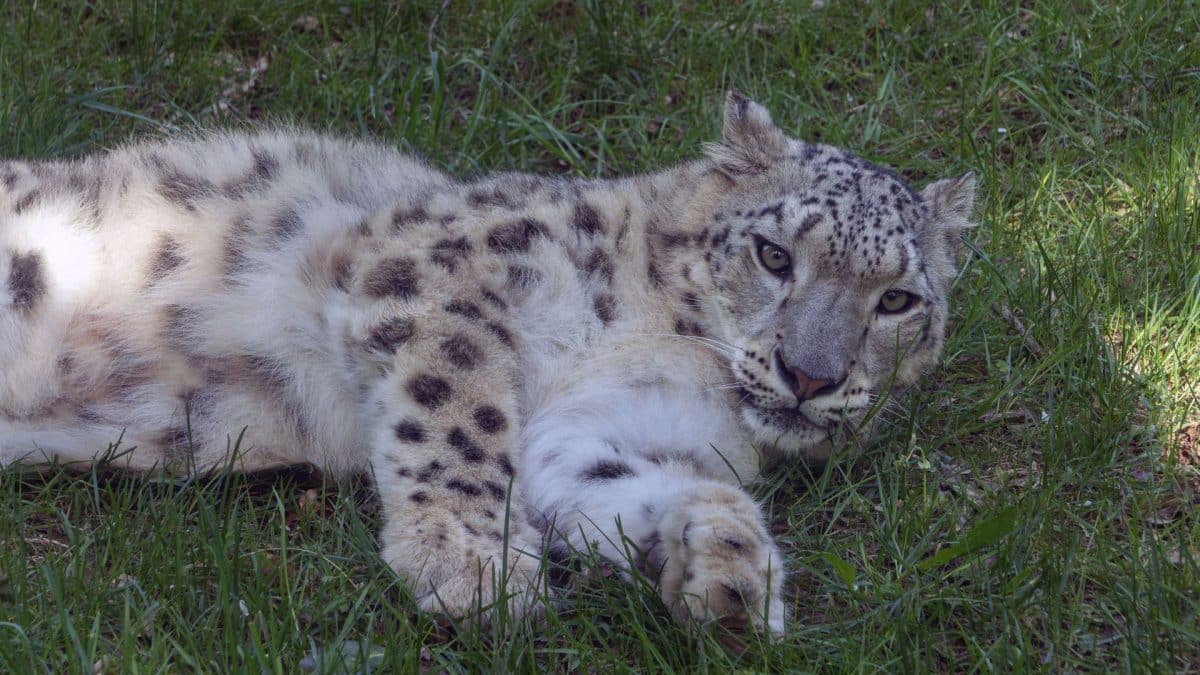
It is home to snow leopards — big wild cats that are very hard to spot — and many rare birds.
Leaders approved India's first high-altitude wildlife safari there.
People will ride in special open-back jeeps with trained local drivers and guides.
The jeeps will follow special trails where snow leopards and birds can be seen.
This should stop people from driving off-road and scaring the animals.
Twenty local young people will be trained as birdwatchers and given binoculars.
Ten bird-watching hides and wildlife clubs in 50 schools are also part of the plan.
The project will give local communities jobs and money, including women artisans.
The goal is to protect the environment while letting people enjoy nature.

Lieutenant Governor Vinai Kumar Saxena (spelled 'Vinay' in one report) approved guided jeep safaris on snow leopard and bird-watching trails in Ladakh, India's first high-altitude wildlife safari.
The approval came at the inaugural Governing Body meeting of the Snow Leopard and High-Altitude Nature (SHAN) Conservation Society, constituted on June 16 this year.
Safari routes will be identified across Hemis National Park, Changthang and Karakoram Wildlife Sanctuaries, and Nubra, Zanskar, Sham, Kargil and Drass, at elevations between about 2,750 and 5,000 metres.
Modelled on safaris at Kaziranga and Ranthambore, the initiative aims to curb illegal off-roading, minimise wildlife disturbance and create sustainable livelihoods, using specially designed open-back jeeps with trained local drivers and guides.
Ladakh is home to 477 of India's estimated 718 snow leopards; the plan also includes training 20 local youth in birdwatching, 10 bird-watching hides and SHAN Wildlife Clubs in 50 government schools.
- Who
- Lieutenant Governor Vinai Kumar Saxena and the Snow Leopard and High-Altitude Nature (SHAN) Conservation Society
- What
- Approval of India's first high-altitude wildlife safari — guided open-back jeep safaris on snow leopard and bird-watching trails, modelled on Kaziranga and Ranthambore
- Where
- Ladakh, across Hemis National Park, Changthang and Karakoram Wildlife Sanctuaries, and Nubra, Zanskar, Sham, Kargil and Drass
- When
- Thursday, at the inaugural Governing Body meeting of the SHAN Conservation Society (constituted on June 16 this year)
- Why
- To promote sustainable eco-tourism, curb illegal off-roading, minimise wildlife disturbance and create sustainable livelihoods for local communities
Conservationist caution
Official and community support
Preventing mass tourism
Conservationist caution
Conservationists caution that regulation must be strict to prevent the safari from turning into mass tourism that disturbs Ladakh's fragile high-altitude ecosystem.
Official and community support
Officials say structured, guided safaris on designated routes with trained drivers will curb illegal off-roading and reduce wildlife disturbance while expanding eco-tourism.
Wildlife protection vs. local livelihoods
Conservationist caution
Some observers worry that increased tourist access could add pressure on sensitive snow-leopard habitats and rare bird populations.
Official and community support
Local residents welcome the plan as an employment opportunity, saying that if tourists come to see wildlife, local communities should also benefit from protecting it.
Key facts
- Initiative
- India's first high-altitude wildlife safari — guided jeep safaris on snow leopard and bird-watching trails
- Location
- Ladakh, at elevations between 2,750 and 5,000 metres
- Approved by
- Lieutenant Governor Vinai Kumar Saxena (also spelled 'Vinay' in one report), at the SHAN Conservation Society's inaugural Governing Body meeting on Thursday
- Proposed safari routes
- Hemis National Park, Changthang and Karakoram Wildlife Sanctuaries; Nubra, Zanskar, Sham, Kargil and Drass
- Model
- Safaris at Kaziranga and Ranthambore national parks; one report says it may be recognised as the world's highest wildlife safari
- Snow leopards in Ladakh
- 477 of India's estimated 718
- Biodiversity in Ladakh
- 38 mammal species, 340 bird species, 1,800 vascular plant species
- Community measures
- 20 youth trained in birdwatching; 10 bird-watching hides; SHAN Wildlife Clubs in 50 government schools; 50 women artisans to be trained
Quotes
A young resident from Nubra
Local resident of Nubra district in Ladakh
“We have lived alongside snow leopards for generations. If this project helps us earn while keeping them safe, it is good for everyone.”
 republicworld.com
“If tourists come to see our wildlife, we should also benefit from protecting it.”
republicworld.com
Lieutenant Governor Vinai Kumar Saxena
Lieutenant Governor of Ladakh
“"Through SHAN, we are creating a model that integrates wildlife conservation, responsible eco‑tourism, environmental education, empowering local communities and creating sustainable livelihoods for them. These efforts aim at conserving Ladakh’s natural heritage so that future generations inherit an ecosystem that is richer, healthier and more resilient"”
 thestatesman.com
“The overarching vision is to ensure that future generations inherit an ecosystem that is richer, healthier and more resilient—and to position Ladakh as a global exemplar of community‑driven conservation and responsible mountain tourism.”
 deccanchronicle.com
Shan Conservation Society statement
Official statement by the Snow Leopard and High‑Altitude Nature Society
“Its vision is distinctive: environmental protection will not rest solely on government agencies but will actively involve local communities as custodians of Ladakh’s fragile ecosystem.”
deccanchronicle.com
Sources


Related news
Ladakh to Get India's First Snow Leopard Safari

Ladakh Launches India's First Snow Leopard Safari at 10,000 Feet
Ladakh Hosts India's First Black-Necked Crane Festival

UNDP, Ladakh Renew Biodiversity Partnership for Himalayan Conservation

Saxena Flags Off Inaugural Ladakh Bike Week 2026
BNHS sterilises over 2,950 dogs to save black-necked cranes
Rare Eurasian lynx photographed for first time in Sikkim
These 7 Indian Species Get Strongest Wildlife Protection