3 weeks ago
Assam releases captive-bred vultures into wild in global first
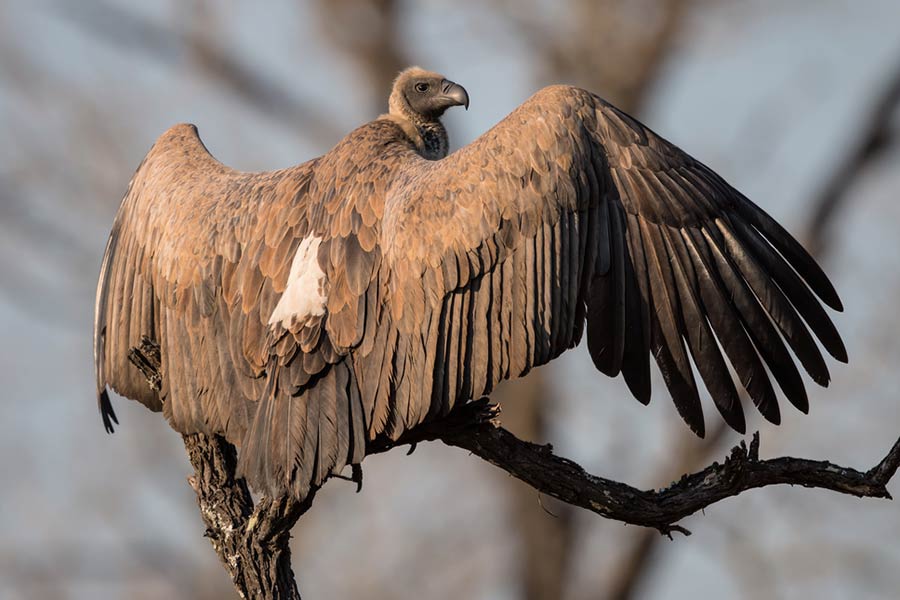
Vultures are big birds that help keep the environment clean by eating dead animals.
Many years ago, a medicine given to farm animals made vultures very sick, and nearly all of them disappeared from India.
Scientists and forest workers started a special programme to raise vulture chicks safely in captivity.
In Assam, a state in India, the birds were cared for until they were strong enough to live in the wild.
On Friday, ten vultures stepped out of a special enclosure into the forest.
It was the first time anywhere in the world that captive-bred vultures were released into the wild like this.
A rope and pulley opened the gate from far away so the birds would not be frightened by people.
Each vulture wears a blue ring on its leg and a tag on its back so officials can watch where they go.
People are being asked not to use harmful medicines on animals so vultures can safely return.

Ten captive-bred vultures — five slender-billed and five white-rumped — were soft-released into the wild at the Jatayu Soft Release Centre in Tewaripal, Biswanath district, Assam, in what officials described as a global conservation first.
The release is the culmination of a conservation breeding programme jointly run by the Assam forest department and the Bombay Natural History Society (BNHS) since 2007.
India's Gyps vulture populations declined by 99 per cent in the last 20 years due to poisoning from veterinary non-steroidal anti-inflammatory drugs, particularly diclofenac, which the government has since banned.
The birds were shifted from the Vulture Conservation Breeding Centre at Rani to the release aviary three months ago for acclimatisation before their introduction to the wild.
The aviary gate was opened from a distance using a pulley, officials monitored movements from a CCTV-equipped tower, and each bird carries a numbered blue leg ring and back tag for tracking.
- Who
- The Bombay Natural History Society (BNHS) and the Assam forest department, which jointly run the breeding programme; Assam Environment, Forest and Climate Change Minister Jayanta Malla Baruah and other officials attended the release.
- What
- Ten captive-bred vultures (five slender-billed and five white-rumped) were soft-released into the wild, described as a global conservation first.
- Where
- Jatayu Soft Release Centre in Tewaripal, Biswanath district, Assam, India.
- When
- On Friday; the birds had been moved to the release aviary three months earlier for acclimatisation.
- Why
- To restore vulture populations that declined by 99 per cent over 20 years due to poisoning from veterinary NSAIDs, particularly diclofenac.
Key facts
- Vultures released
- 10 (five slender-billed, five white-rumped)
- Release site
- Jatayu Soft Release Centre, Tewaripal, Biswanath district, Assam
- Breeding programme
- Run jointly by Assam forest department and BNHS since 2007
- Population decline
- 99 per cent of India's Gyps vultures lost in 20 years
- Main cause of decline
- Poisoning from veterinary NSAIDs, particularly diclofenac
- Banned veterinary drugs
- Diclofenac, aceclofenac, ketoprofen and nimesulide
- Acclimatisation
- Birds moved from the breeding centre at Rani to the release aviary three months prior
- Monitoring
- Numbered blue leg rings, back tags and a CCTV-equipped monitoring tower
Sources
Related news

Vulture Release Revives Calls To Restore Mumbai's Tower Of Silence

India Builds Vulture Restaurants to Aid Vanishing Scavengers
Barrukhar Village Challenges India’s Protected Vulture Conservation Model

BNHS sterilises over 2,950 dogs to save black-necked cranes

Vantara Expands Government Partnerships For Wildlife Rescue And Conservation