Science & Tech · Gadgets & EVs · 1 hr ago
Apple redesigned the iPhone Duo’s cooling system to manage heat in its thin design

Apple redesigned parts of the iPhone Duo to manage heat in its thin design.
The phone uses Apple’s A20 Pro chip, with memory placed beside the processor instead of stacked on top of it.
Apple says this packaging gives heat a more direct path away from the chip while keeping memory communications fast.
A redesigned vapor chamber spreads heat and has three times the surface area of the previous version.
The phone also uses a material between the chip and vapor chamber, plus a heat-conducting layer behind the display.
These changes are meant to help the device handle heat as it runs.
The information provided does not say what happens next.

Apple redesigned the iPhone Duo’s cooling system to manage heat in its thin design.
The A20 Pro uses wafer-level multichip module packaging, placing the DRAM next to the processor instead of stacking it vertically.
The redesigned vapor chamber has three times the surface area of the previous version and contains more de-ionized water.
A new copper-based layer on the back of the display provides mechanical strength and thermal conductivity.
Apple executives discussed the engineering changes in an interview with PCMag.
- Who
- Apple, including its silicon engineering and thermal product design teams.
- What
- Apple redesigned the iPhone Duo’s cooling system and the A20 Pro chip packaging to manage heat.
- When
- The report was published on October 12, 2026.
- Where
- In the iPhone Duo; the article does not state where the interview took place.
- Why
- The thin design creates challenges for keeping the device cool.
This story does not have two clearly opposing sides.
No direct quotes in the coverage so far.
This story does not have a timeline yet.
- Chip
- A20 Pro
- Packaging
- Wafer-level multichip module (WMCM)
- Vapor chamber
- Three times the surface area of the previous version
- Display layer
- Nanotube copper display metal plate material
- Interview outlet
- PCMag
Sources
Related news

Google unveils Fitbit Edge with a replaceable battery and advanced health tracking

Next iPad mini may cost about $799, up from $599
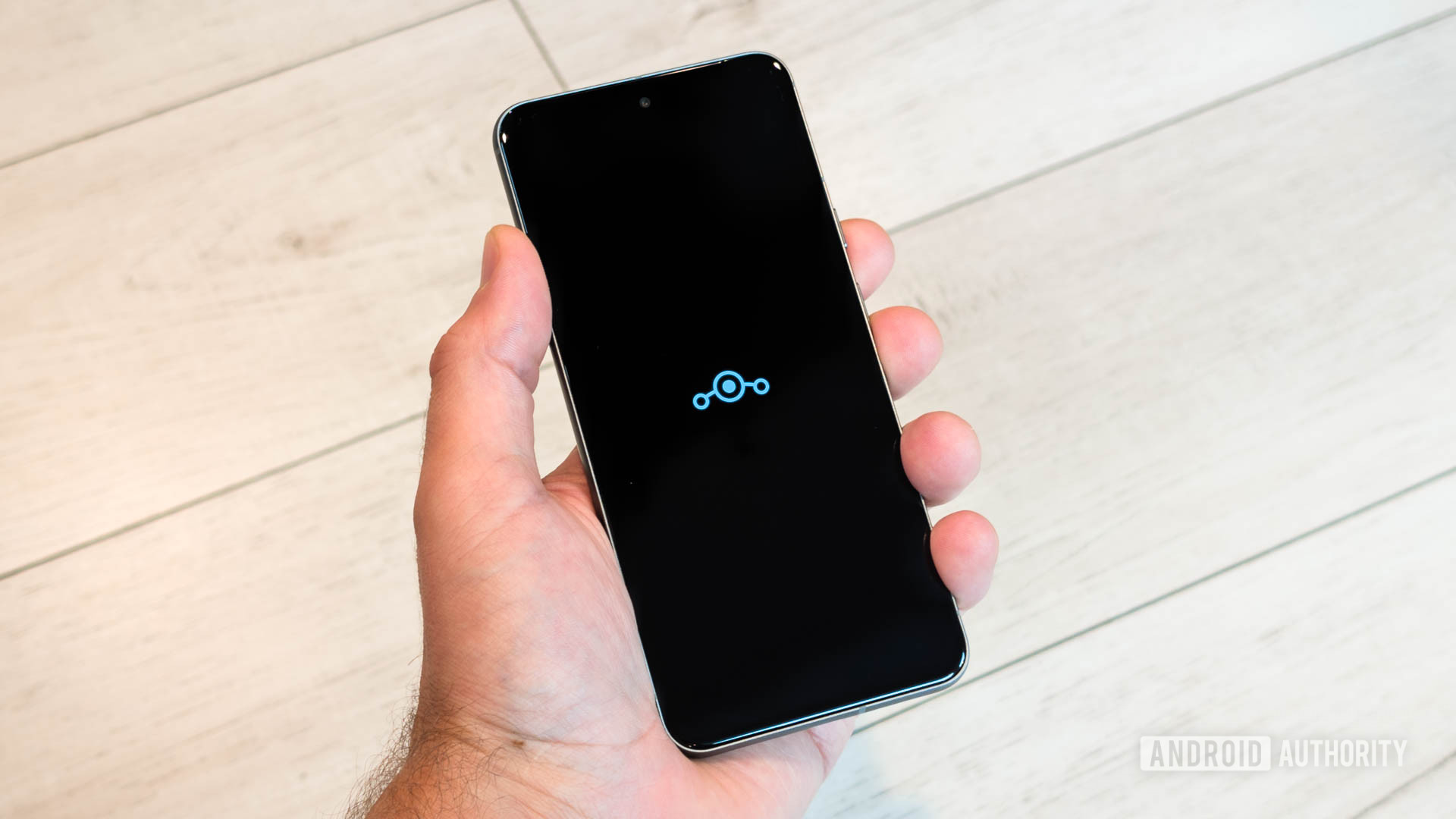
LineageOS 24 brings Android 17 and redesigned apps to supported devices
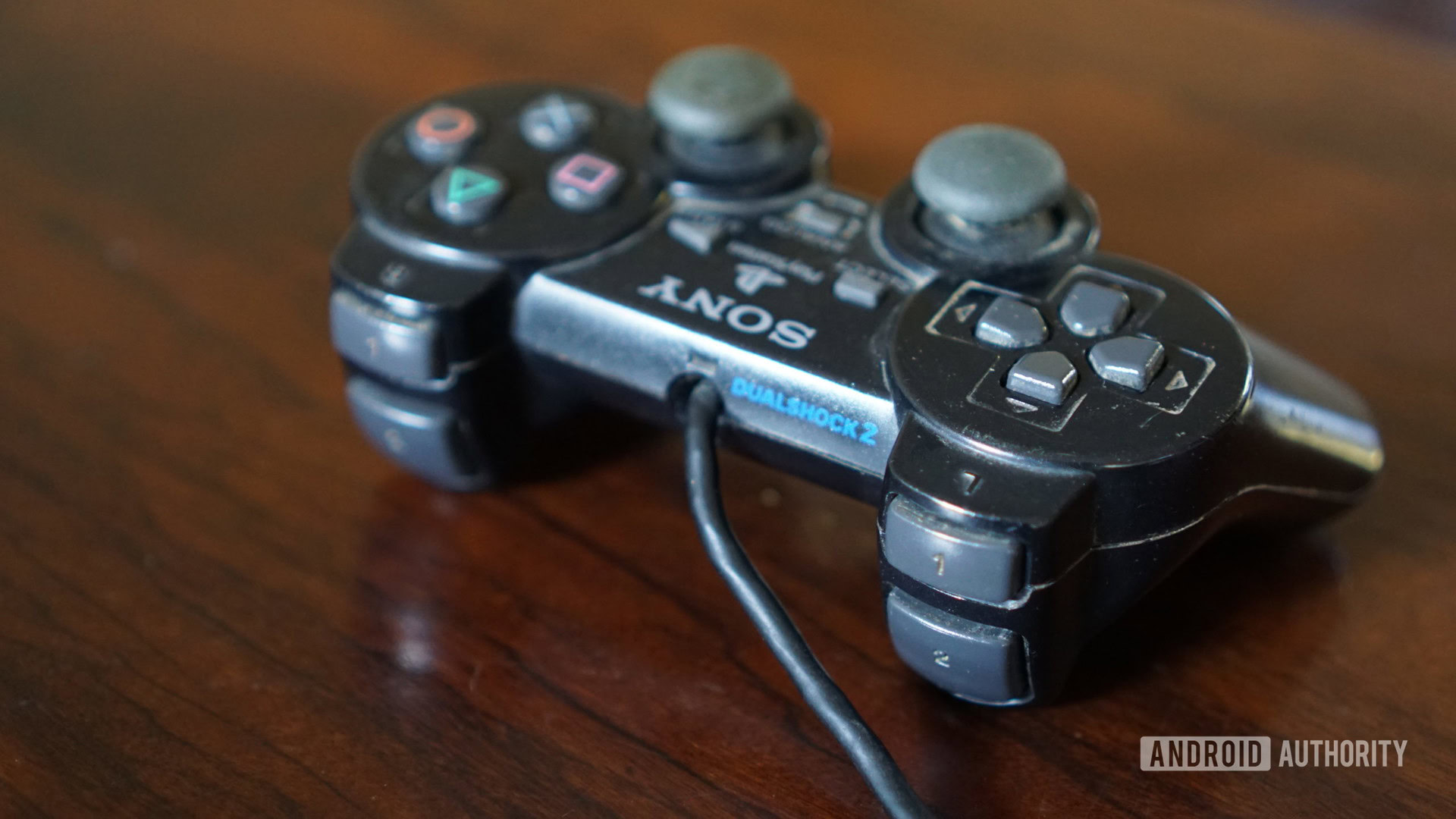
ARMSX2 update adds Mali graphics driver support for more Android devices

Google launches Fitbit Edge with health tracking and up to seven-day battery life
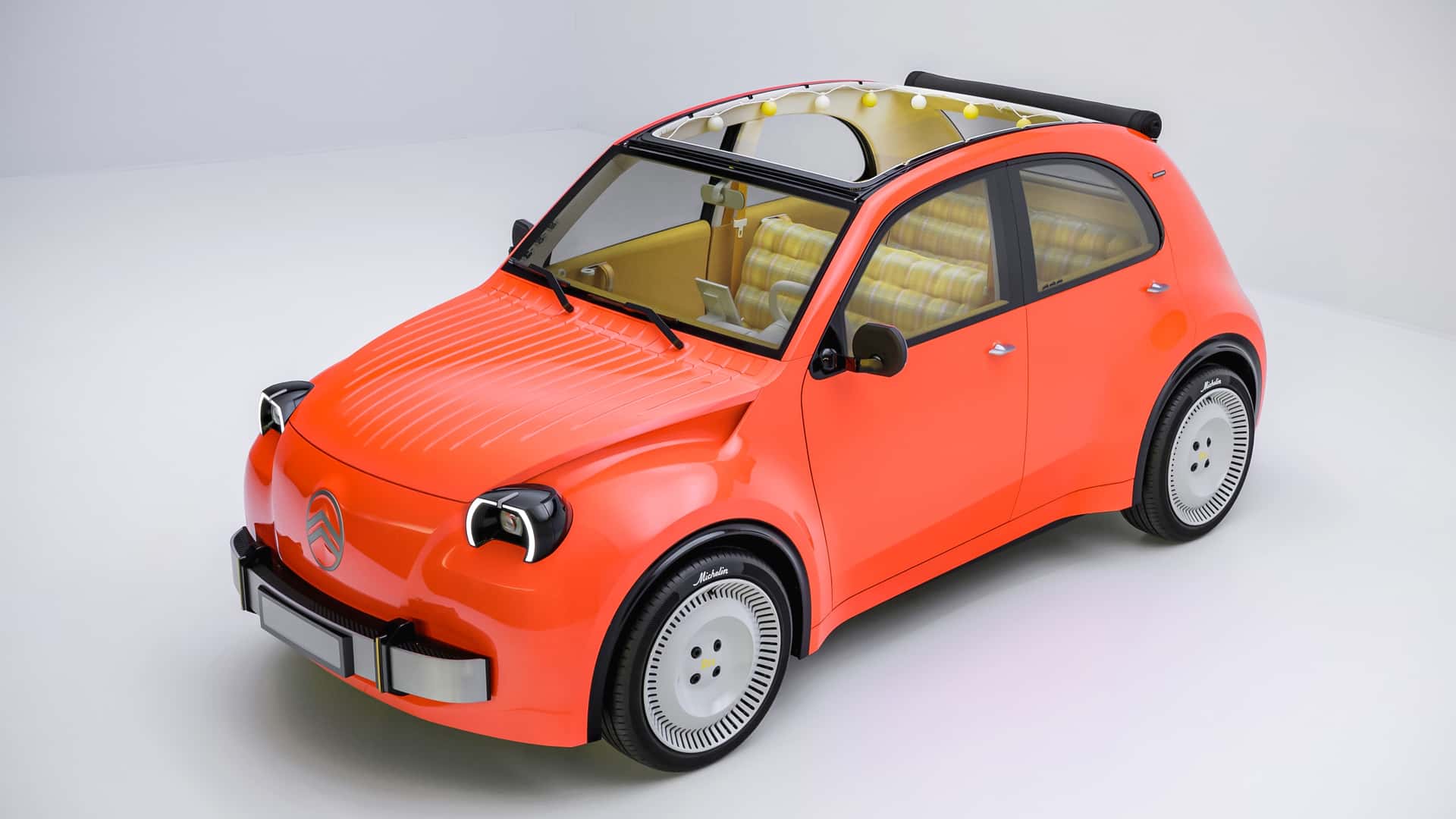
Citroën unveils electric 2CV concept, with production planned for 2028

Apple is expected to unveil an updated Apple TV 4K this week

How adaptive cruise control uses radar and cameras to manage speed
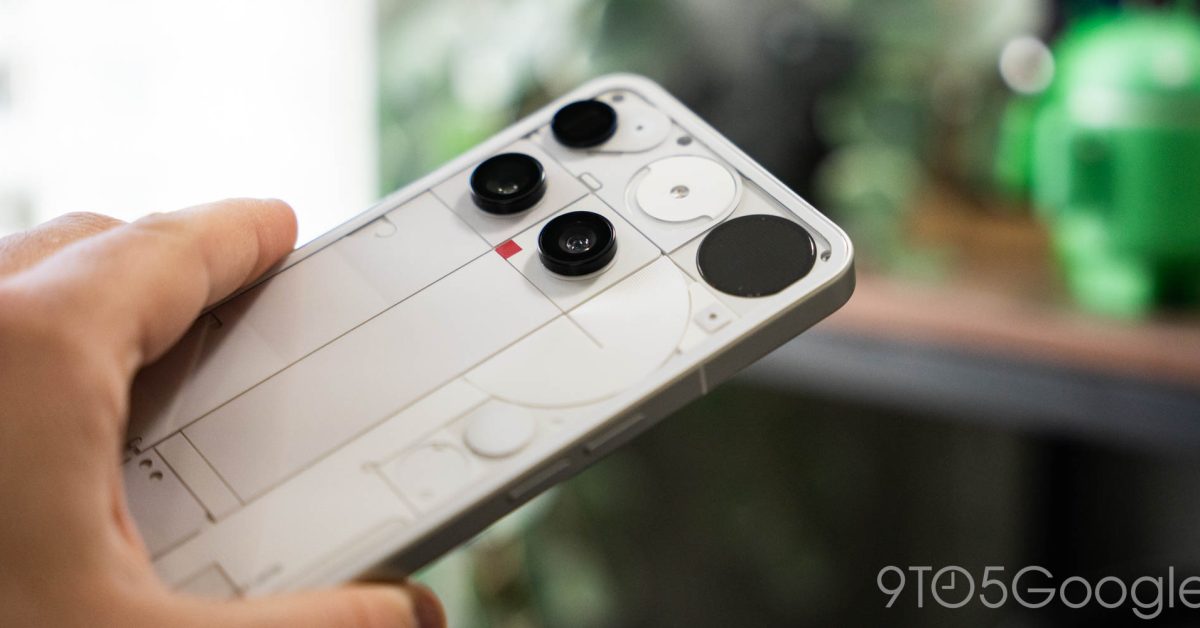
Nothing begins stable Android 17 rollout for Phone (3)

NHTSA Weighs Investigation Into Tesla Robotaxis Speeding in School Zones

Nvidia reportedly stops making RTX 5090 cards to focus on AI GPUs