Science & Tech · Gadgets & EVs · 1 hr ago
How adaptive cruise control uses radar and cameras to manage speed
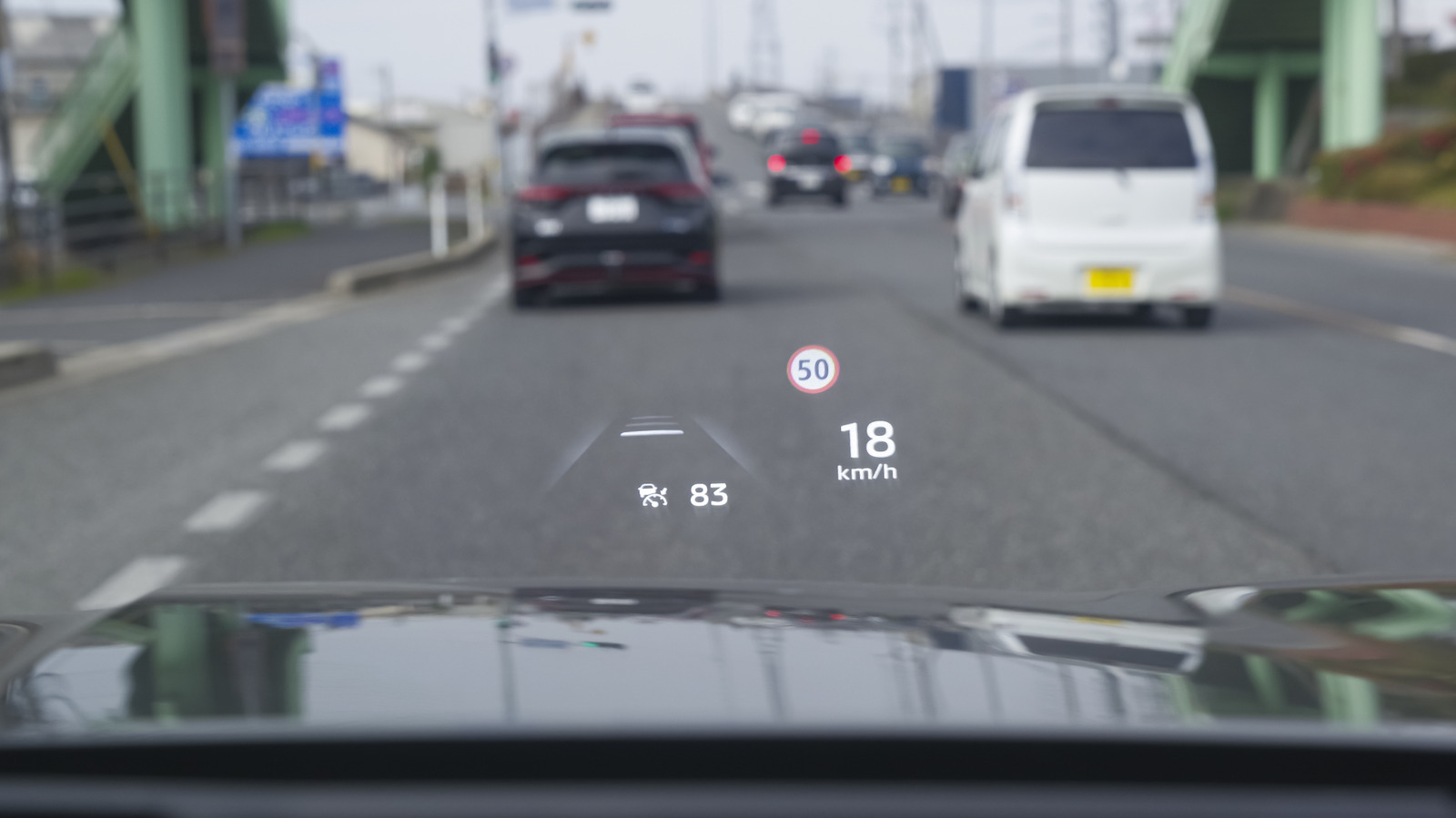
Adaptive cruise control helps a car keep a set distance from the vehicle in front by adjusting its speed.
The technology has been used since the late 1990s and commonly relies on radar at the front of the car and a camera behind the windshield.
Radar measures how far away the vehicle ahead is and how quickly the gap is closing, while the camera can track lane markings and help identify which vehicle to follow.
The car can then ease off, brake or speed up to maintain the following distance selected by the driver.
Some systems add features such as stopping and moving again in traffic, or using maps to slow down before a bend.
These systems work best in favorable conditions and may be less reliable in heavy rain, fog, snow, dense traffic or when another car cuts in close.
Automakers warn drivers not to rely on adaptive cruise control in conditions where its sensors or the car’s ability to slow safely may be affected.

Adaptive cruise control uses radar and, in many systems, a camera to measure the distance to the vehicle ahead and how quickly that distance is closing.
The car adjusts its speed using the pedals to maintain a driver-selected following distance.
Radar typically sits in the front of the car, while a camera is often mounted behind the windshield.
Some systems also use software, map data or driving-pattern information to adjust speed.
Automakers warn that the feature has limits in conditions such as heavy rain, dense traffic and sharp bends.
- Who
- Drivers and automakers using adaptive cruise control.
- What
- The system uses sensors and software to adjust a car’s speed and maintain a selected distance from the vehicle ahead.
- When
- It was introduced in the late 1990s; the article was published on 2026-10-12.
- Where
- In cars, with radar typically at the front and a camera often behind the windshield.
- Why
- To manage speed and keep a chosen distance from the vehicle ahead.
This story does not have two clearly opposing sides.
A millimeter-wave radar and a camera measure the gap to the vehicle in front, and how quickly that gap is closing.
its radar cruise control shouldn't be used in rain, fog or snow, on slippery surfaces, in heavy traffic, on sharp bends or down steep hills.
its radar's ability to detect the car in front is reduced significantly during a heavy downpour.
Adaptive cruise control was introduced.
Cameras behind rearview mirrors joined radar in many adaptive cruise control systems.
Bosch's long-range radar could detect objects about 250 meters away.
Engadget published an article about the technology behind adaptive cruise control.
- Radar location
- Low in the front of the car, usually behind the emblem or grille
- Camera location
- Behind the windshield, often behind the rearview mirror
- Honda following distances
- Four configurable distances
- Bosch radar range in 2014
- About 250 meters
- Bosch successor radar range
- 530 meters
Sources
Related news

Google unveils Fitbit Edge with a replaceable battery and advanced health tracking
Citroën unveils electric 2CV concept, with production planned for 2028
Google launches Fitbit Edge with health tracking and up to seven-day battery life

Next iPad mini may cost about $799, up from $599
LineageOS 24 brings Android 17 and redesigned apps to supported devices

Apple’s remaining 2026 hardware is expected to arrive from October to mid-November
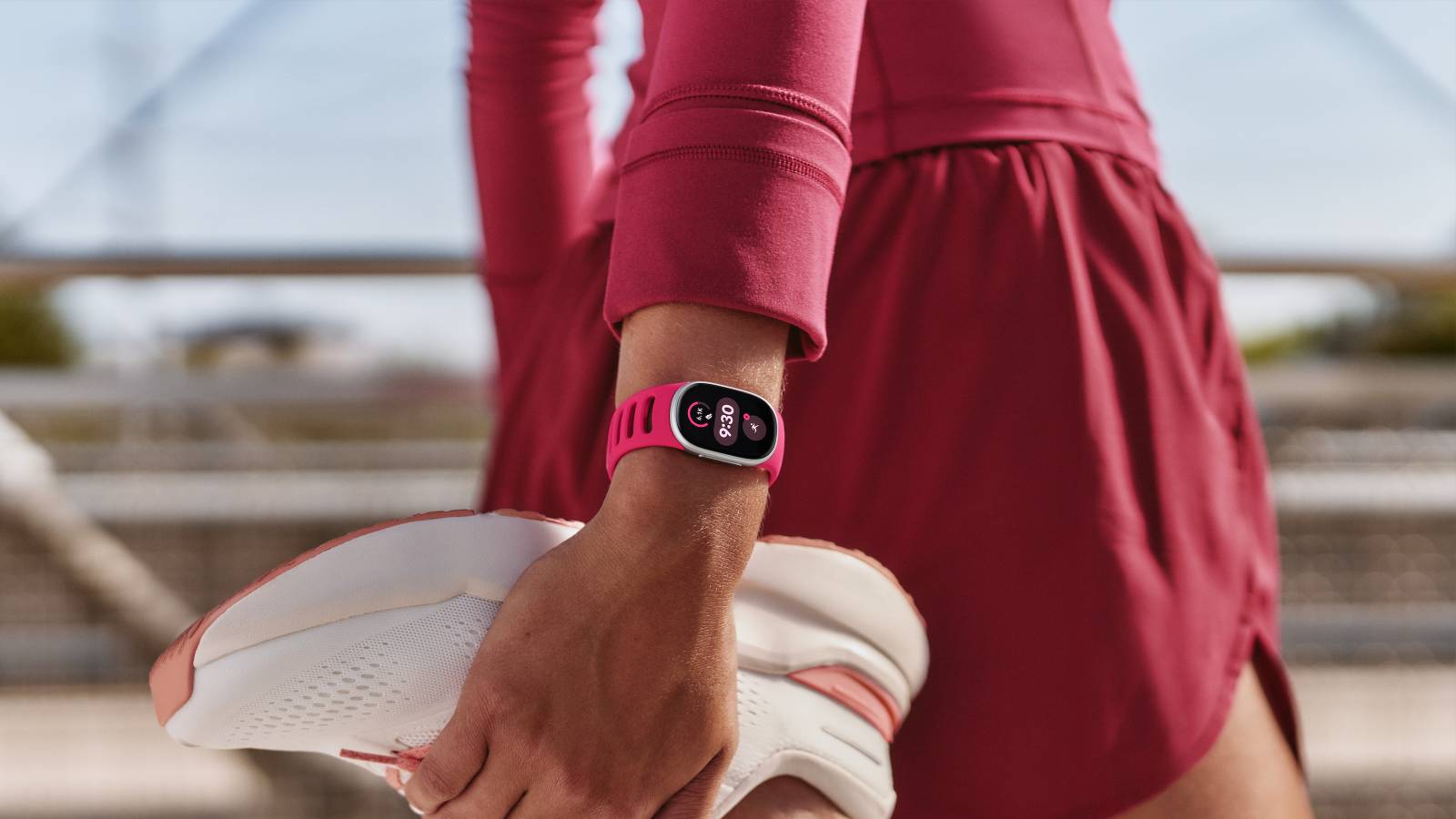
Google unveils Fitbit Edge with a screen and expanded health features
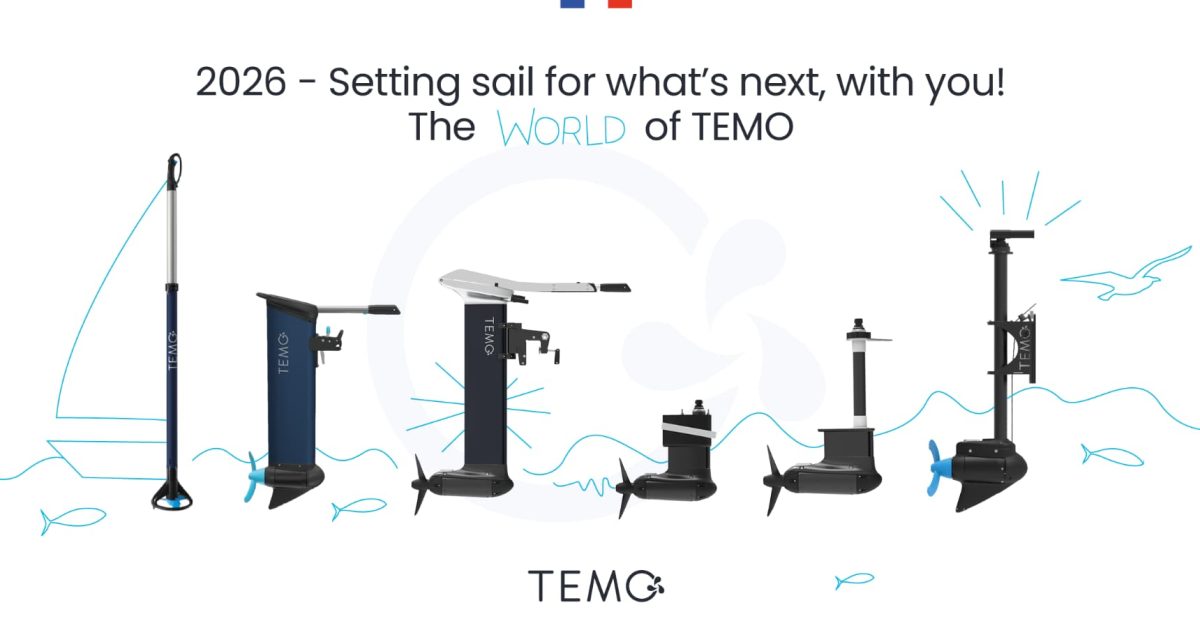
TEMO brings bolt-on electric sailboat motors to the US
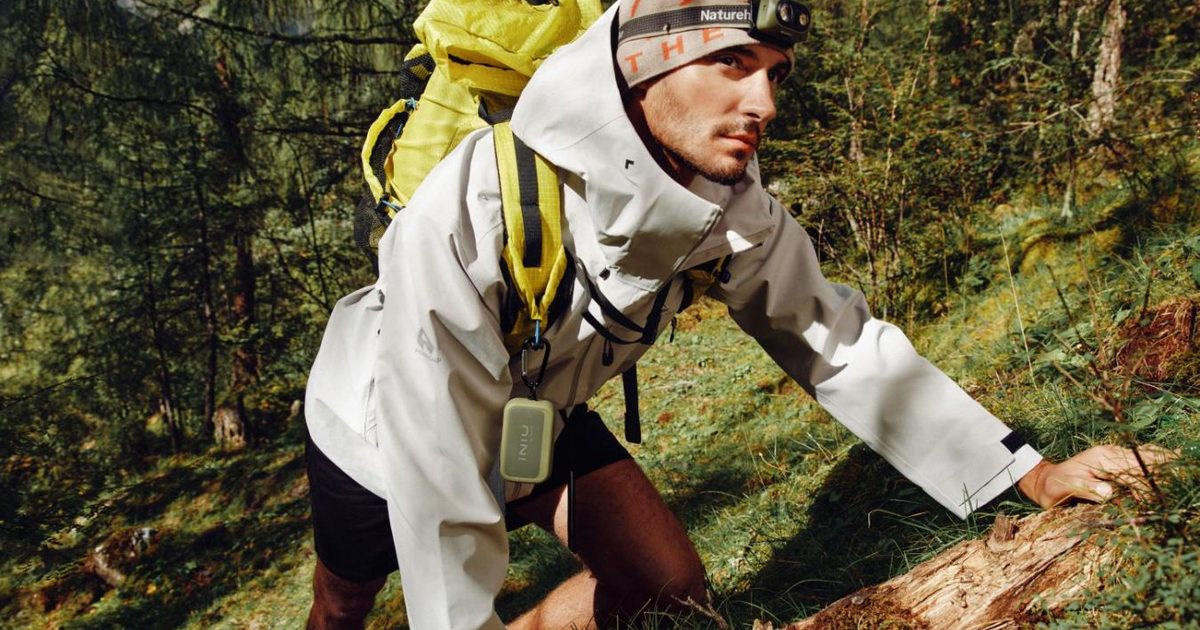
INIU launches $54.99 rugged 10,000mAh power bank for outdoor use
BYD unveils seven-seat Atto 8 electric SUV for Europe
ARMSX2 update adds Mali graphics driver support for more Android devices