1 day ago
Buddhist Activist Challenges Full Vande Mataram Singing Orders
BD Borkar has asked India's Supreme Court to review rules about singing Vande Mataram at formal state events.
He says the rules require the song's full version.
The petition says people had previously sung only its first two stanzas.
It says those first stanzas describe the land, while later stanzas refer to Hindu goddesses.
Borkar argues that requiring all six stanzas could hurt the religious feelings of minority communities.
He also says the orders are unconstitutional.
He wants the court to cancel them.
The article does not say whether the court has decided the case.

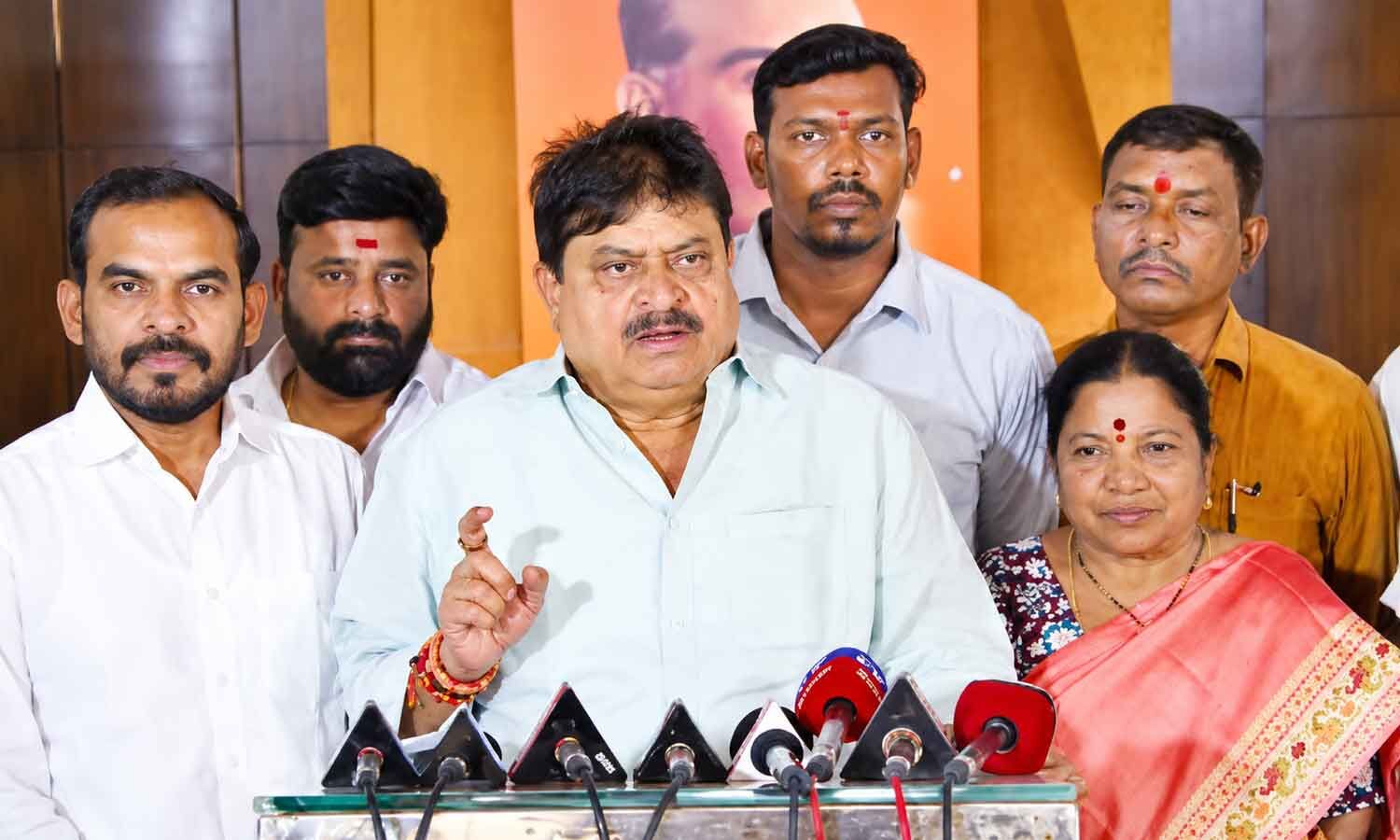
BD Borkar, a Buddhist activist based in Nagpur, has petitioned the Supreme Court of India.
He challenges Ministry of Home Affairs orders dated January 28 and July 9, 2026, concerning singing the full Vande Mataram at formal state events.
The petition says the orders replace a longstanding practice of singing the first two stanzas with the full six-stanza composition.
Borkar argues that the additional stanzas invoke Hindu goddesses and could offend the religious feelings of minority communities.
The petition asks the court to quash the orders as unconstitutional; the article does not report a court ruling.
- Who
- BD Borkar, a Nagpur-based Buddhist activist, filed the petition.
- What
- He challenged Ministry of Home Affairs orders concerning the singing of the full Vande Mataram at formal state events.
- Where
- The petition was filed before the Supreme Court of India.
- When
- The challenged orders are dated January 28, 2026, and July 9, 2026.
- Why
- Borkar argues the orders replace the two-stanza practice with a six-stanza version that could offend minority religious feelings and is unconstitutional.
Petitioner's position
Other position reported
Requiring the full version
Petitioner's position
Borkar argues that the orders replace the established two-stanza practice with the full six-stanza composition and are unconstitutional.
Other position reported
The article describes the orders as providing directions on the playing and singing of an official version, but does not report a response from the government or another opposing party.
Religious and communal impact
Petitioner's position
The petition says the later stanzas refer to Hindu goddesses and that requiring them could deepen communal division and offend minority religious feelings.
Other position reported
No counterargument about the religious or communal impact is included in the article.
Key facts
- Petitioner
- BD Borkar, described as a Buddhist activist, Ambedkarite scholar and civil rights advocate
- Court
- Supreme Court of India
- Challenged orders
- Ministry of Home Affairs orders dated January 28, 2026, and July 9, 2026
- Occasions covered
- Formal state events
- Versions at issue
- A two-stanza version and a full six-stanza version of Vande Mataram
- Relief sought
- Quashing of the challenged orders
- Petition's stated concern
- The petitioner says the additional stanzas could offend minority religious and spiritual feelings.
Quotes
BD Borkar's petition
The legal petition filed by Buddhist activist BD Borkar challenging the MHA orders.
“Under the guise of providing directions on the playing and singing of an ‘official version’... the impugned orders repealed the existing National Song... and imposed a new National Song which is the six-stanza civil war song of Anandamath with its unconstitutional, idolatrous and Islamophobic content”
 freepressjournal.in
Sources
Related news
Supreme Court Protects Conscientious Objectors in Vande Mataram Case
Supreme Court Signals No Criminal Case Over Unsing Vande Mataram
Supreme Court Questions Penalties for Refusing Vande Mataram
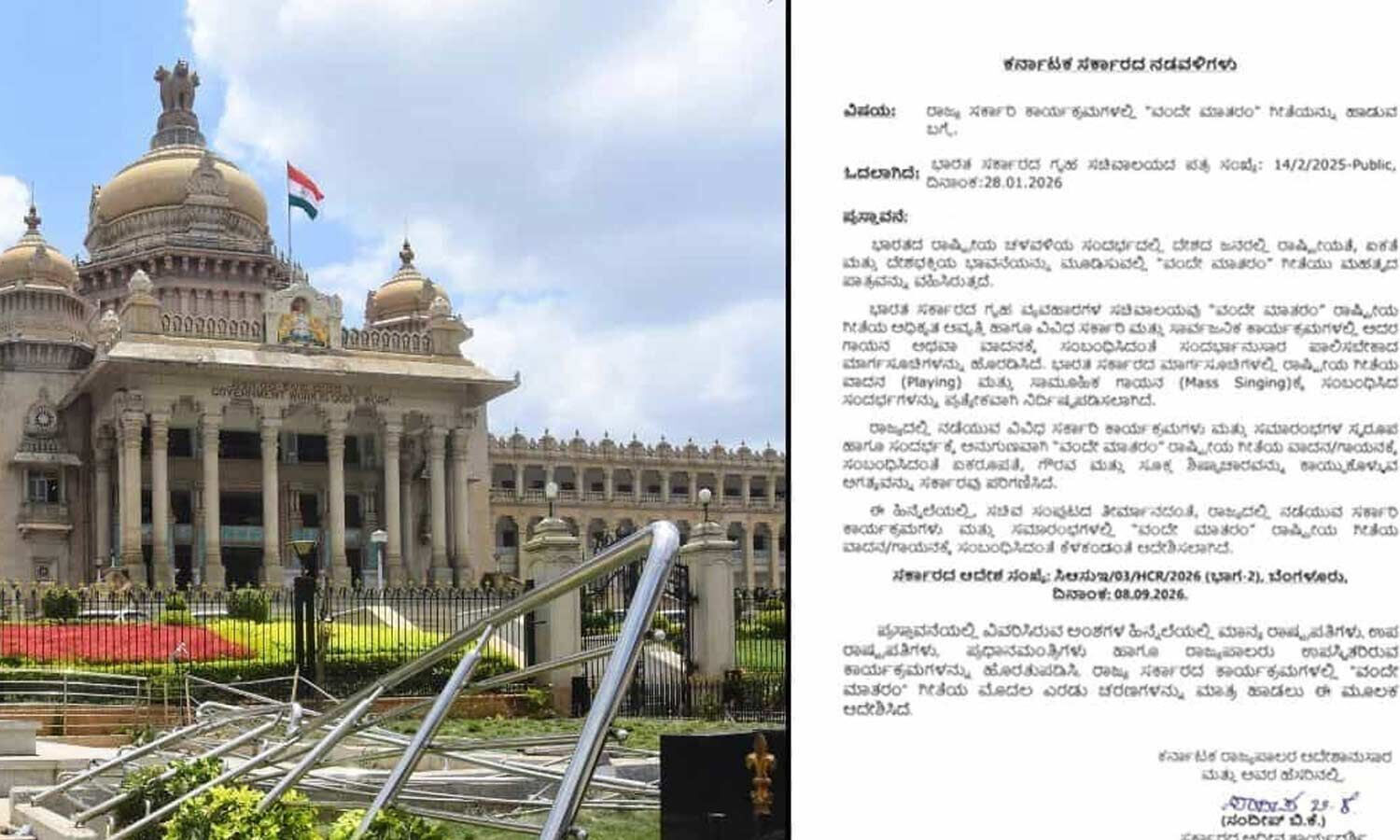
Karnataka Court Challenge Targets Two-Stanza Vande Mataram Order
Supreme Court Examines Penal Action For Refusing Vande Mataram
Supreme Court Examines Vande Mataram Law Amid Heated Exchange

Justice Bhuyan Says Voter Deletions Strike Constitution's Heart
Supreme Court to Hear Challenge to CEC's Unilateral Powers
Justice Bhuyan Says Mass Voter Disenfranchisement Strikes at Constitution
India Updates: Farmer Suicide, Floods, Politics and Court Challenges
Supreme Court to Hear Pleas Challenging CEC and Electoral Roll Revision