1 hr ago
Justice Bhuyan Says Mass Voter Disenfranchisement Strikes at Constitution
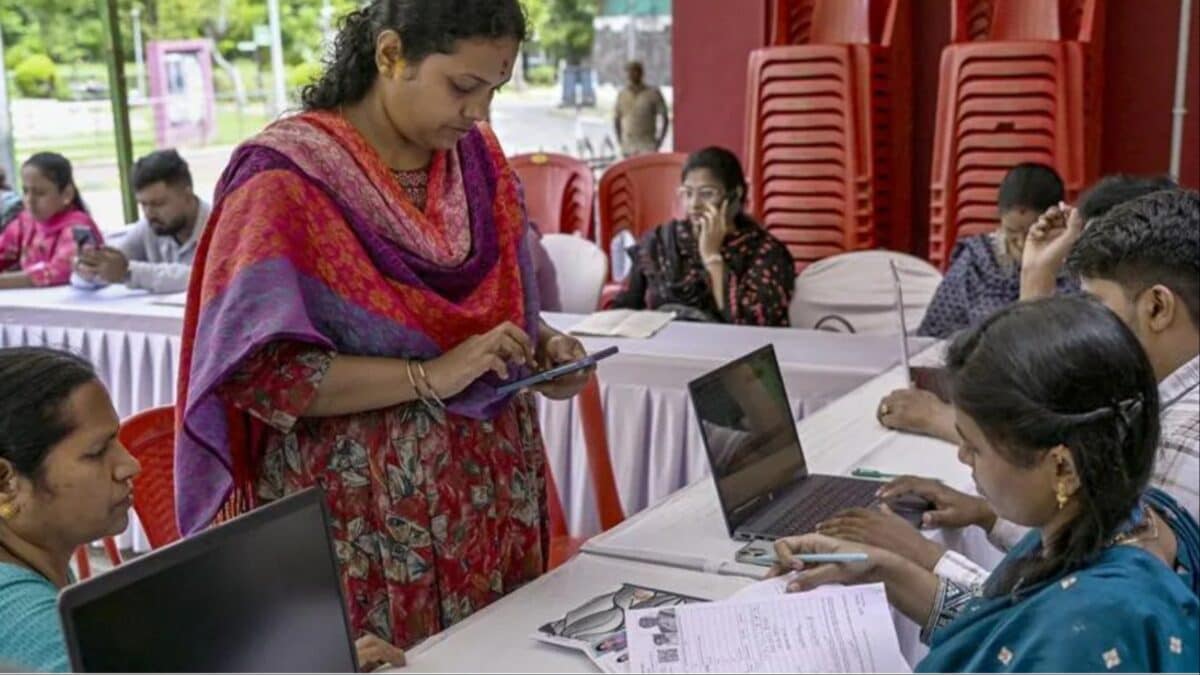
Justice Ujjal Bhuyan spoke about a process for checking voter lists called the SIR.
He said taking voting rights away from millions of people would be unfair and harm the Constitution.
He said voting is an important constitutional right.
He also said people should usually get notice and a chance to respond before their names are removed from voter lists.
The Supreme Court had earlier said the SIR exercise could go ahead.
It also said the Election Commission can check who is eligible to be on voter lists, but cannot decide who is a citizen.
Bhuyan’s comments were made during an event at NALSAR University of Law.
The debate concerns how voter lists are revised and how people’s rights are protected.

Justice Ujjal Bhuyan said a process disenfranchising millions would be intrinsically arbitrary and undermine the Constitution.
His remarks came amid controversy over the Election Commission of India’s Special Intensive Revision of electoral rolls.
Bhuyan said voting is a constitutional right linked to Article 326 and the foundation of free and fair elections.
He said voters’ names generally cannot be deleted without notice and a reasonable opportunity to be heard.
The Supreme Court had earlier upheld the SIR exercise, while clarifying that the Election Commission cannot determine citizenship.
- Who
- Supreme Court Justice Ujjal Bhuyan; the Election Commission of India is conducting the SIR exercise.
- What
- Bhuyan warned that mass disenfranchisement would be arbitrary and strike at the Constitution.
- Where
- At NALSAR University of Law in Hyderabad.
- When
- He spoke on Sunday; the article was published on October 5, 2026.
- Why
- His remarks came amid controversy over the Election Commission’s Special Intensive Revision of electoral rolls.
Concern about disenfranchisement
Court ruling on the SIR
Constitutionality and voter rights
Concern about disenfranchisement
Justice Ujjal Bhuyan said a process that disenfranchises millions would be intrinsically arbitrary and violate constitutional protections, emphasizing the right to vote and procedural safeguards before names are deleted.
Court ruling on the SIR
The Supreme Court had earlier upheld the SIR exercise as constitutional and legally tenable, saying it could not be struck down merely because it differed from routine electoral-roll revision.
Scope of the Election Commission’s role
Concern about disenfranchisement
Bhuyan warned against processes that could leave citizens without voting rights and said no authority could tinker with Article 326.
Court ruling on the SIR
The Supreme Court said the Election Commission may determine eligibility for inclusion on electoral rolls, but does not have authority to determine citizenship.
Key facts
- Speaker
- Justice Ujjal Bhuyan, a Supreme Court judge
- Event
- Valedictory ceremony of the 19th Justice Bodh Raj Sawhney Memorial Moot Court Competition
- Venue
- NALSAR University of Law, Hyderabad
- Electoral exercise
- Special Intensive Revision (SIR) of electoral rolls
- Constitutional provisions cited
- Articles 326 and 14
- Voter deletion rule cited
- Section 22 of the Representation of the People Act, 1951, provides for a reasonable opportunity to be heard before deletion
- Earlier Supreme Court ruling
- The Court upheld the SIR exercise as constitutional and legally tenable; it said the Election Commission’s role does not include determining citizenship
Quotes
Justice Ujjal Bhuyan
Supreme Court judge speaking at a NALSAR University of Law event.
“If any process results in disenfranchising millions and millions of Indian citizens, making them second-class citizens in their own country in the sense of being citizens without a voting right, such a process is intrinsically arbitrary.”
 news18.com
“It strikes at the very heart of the Constitution, and I would go to the extent of saying that it is a negation of the Constitutional order which we have adopted under the Constitution of India.”
news18.com
Sources
Related news
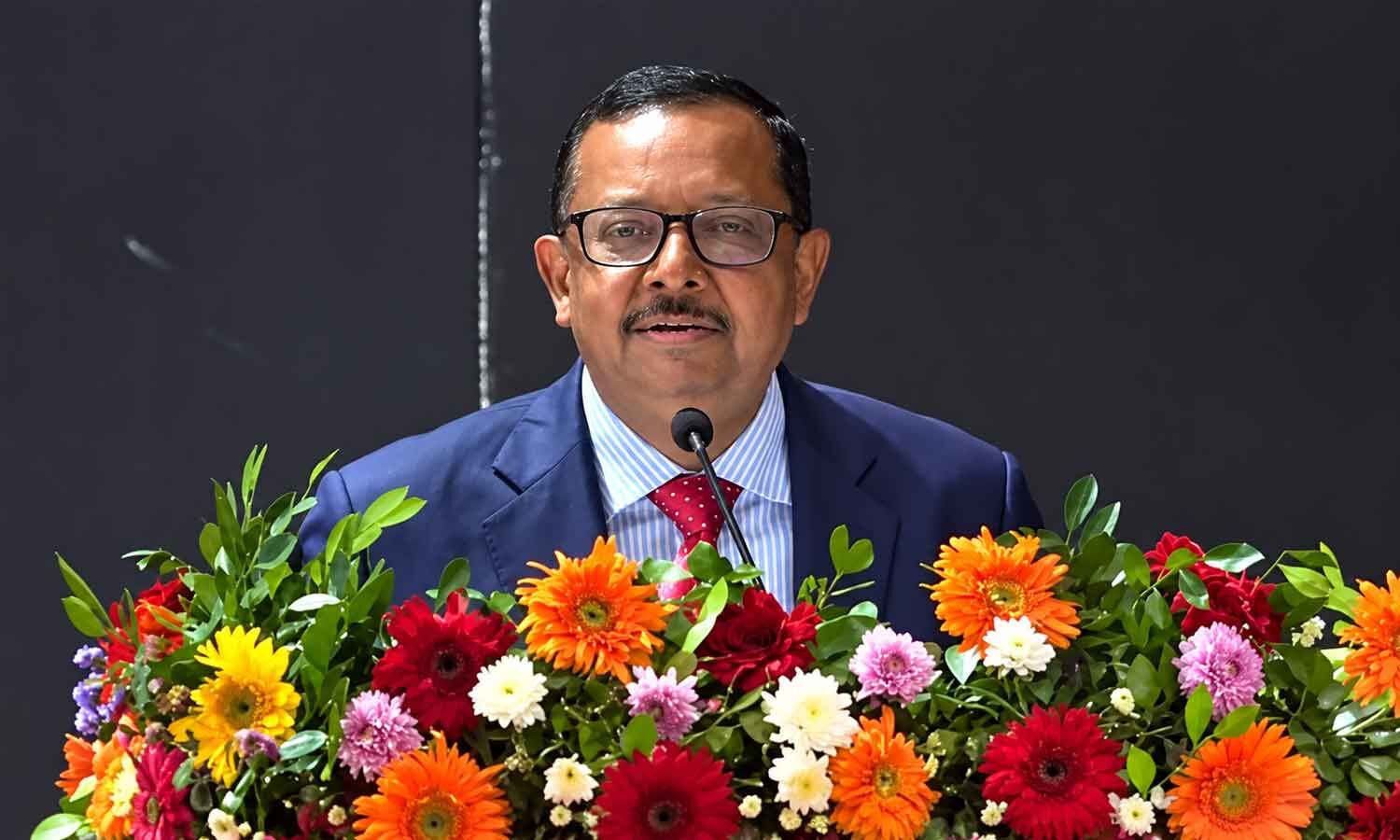
Justice Bhuyan Says Mass Disenfranchisement Negates Constitutional Order
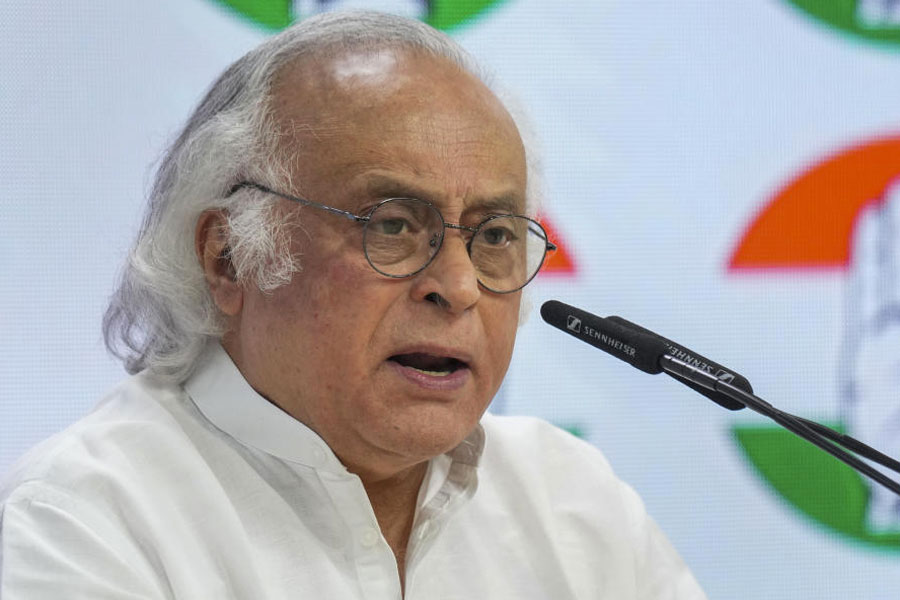
Justice Bhuyan Warns Mass Disenfranchisement Threatens Constitution

Justice Bhuyan Warns SIR Must Not Deny Citizens Voting Rights

Justice Bhuyan Says Voter Deletions Strike Constitution's Heart
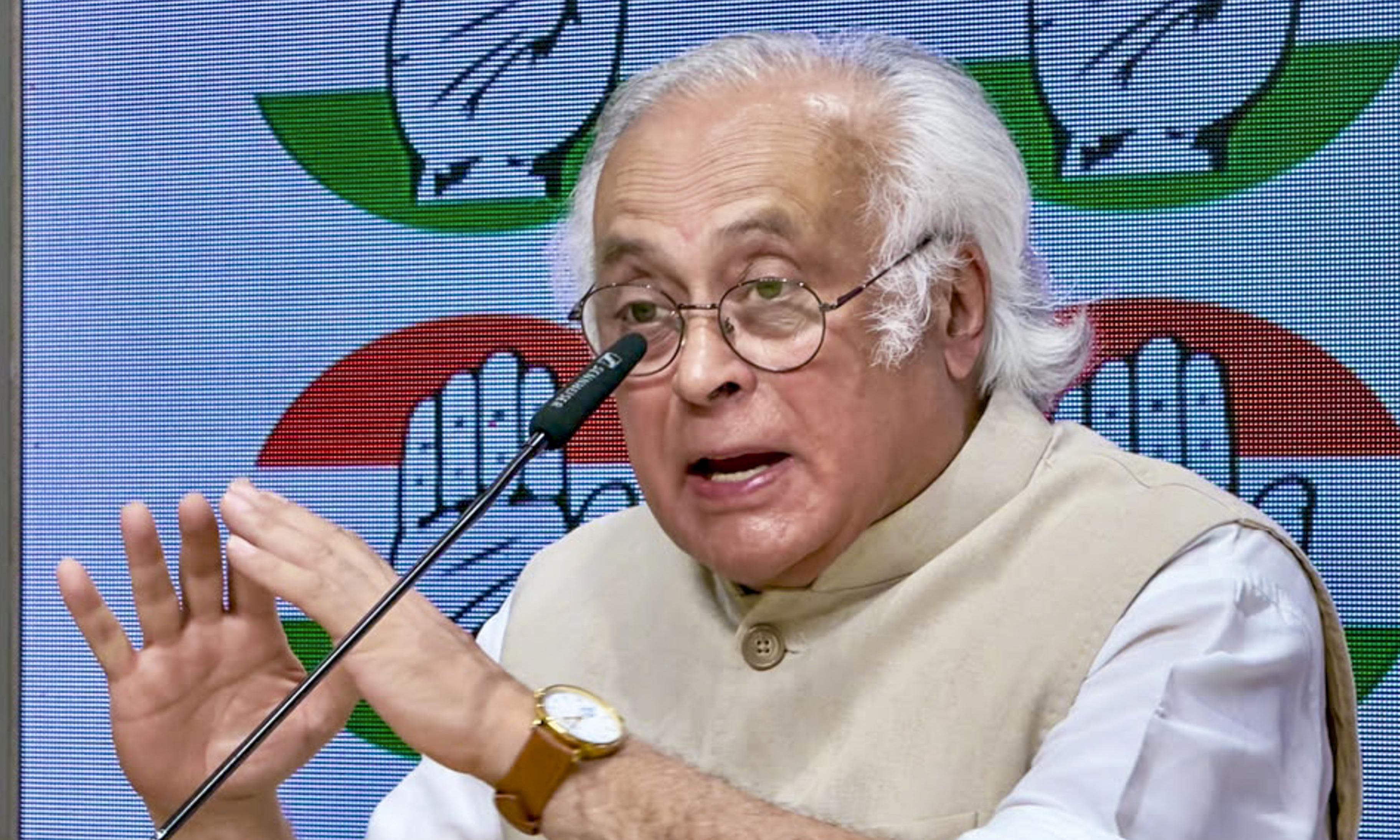
Congress Challenges Delhi SIR Over VIP Notices and Deletions
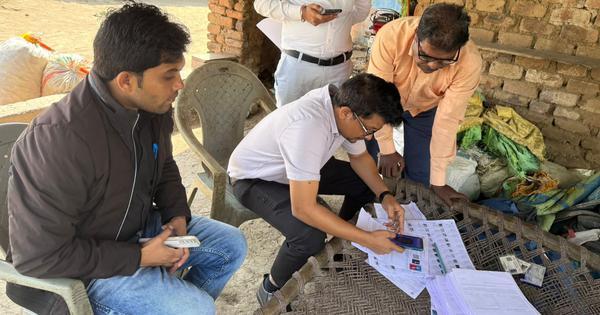
India's Controversial Electoral Roll Revision Faces Internal and Public Scrutiny
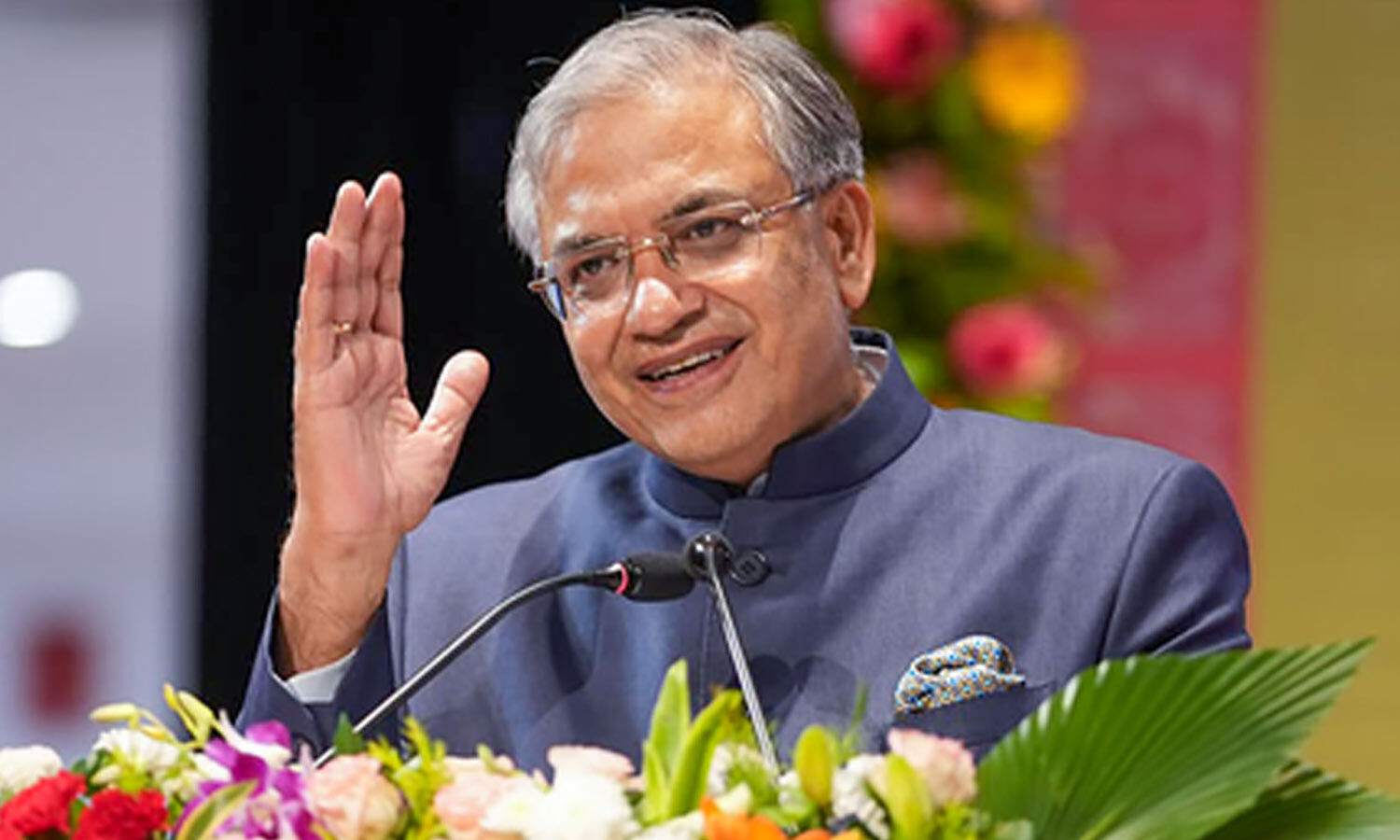
Supreme Court to Hear Challenge to CEC's Unilateral Powers
India Updates: Farmer Suicide, Floods, Politics and Court Challenges
Supreme Court to Hear Pleas Challenging CEC and Electoral Roll Revision