1 hr ago
Supreme Court Examines Penalties for Refusing Vande Mataram

The Supreme Court is considering a case about whether people must sing Vande Mataram.
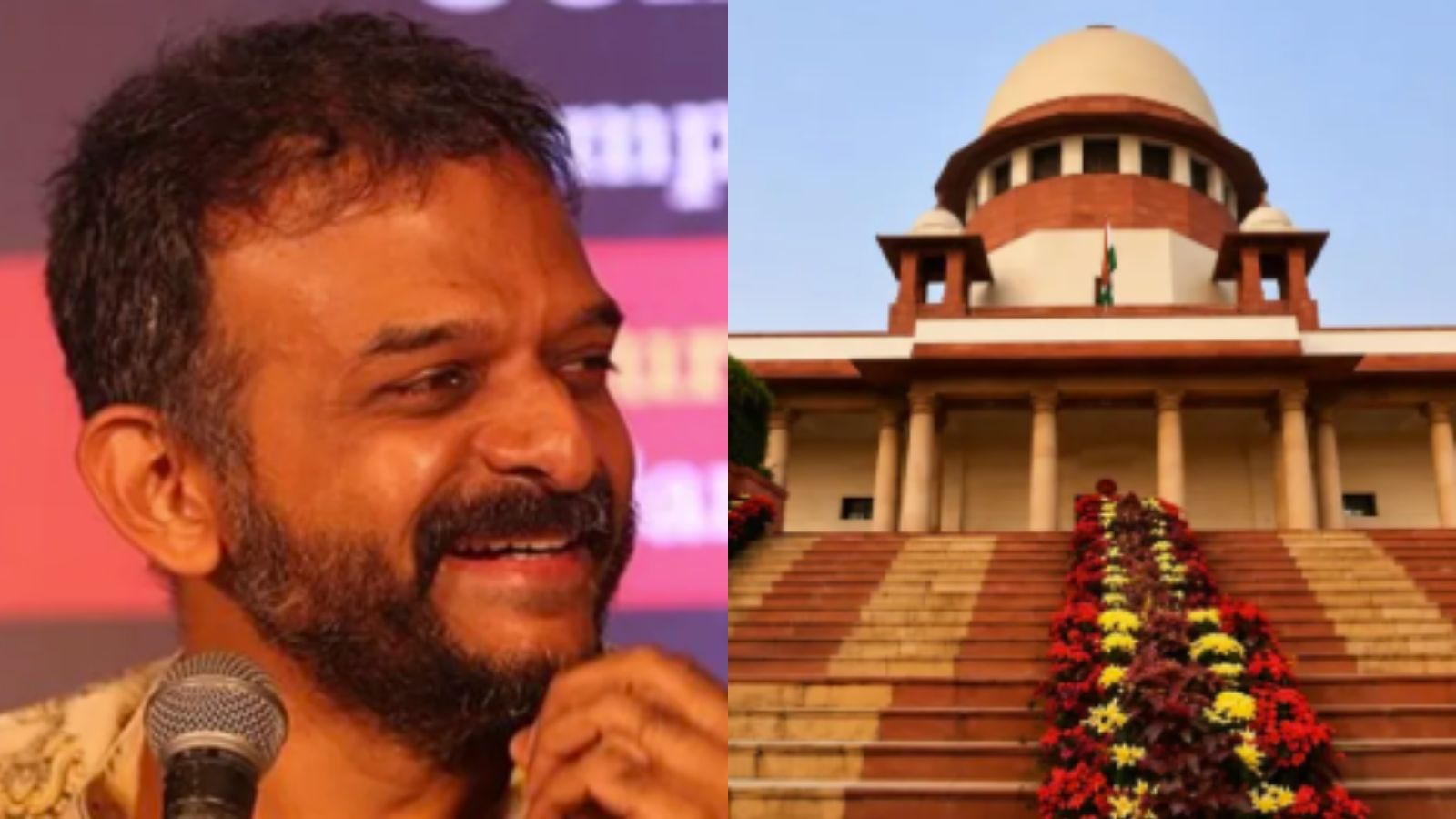
T.M. Krishna says people should not be punished if their religion or conscience prevents them from singing.
The government has extended legal protection for Vande Mataram under a national-honour law.
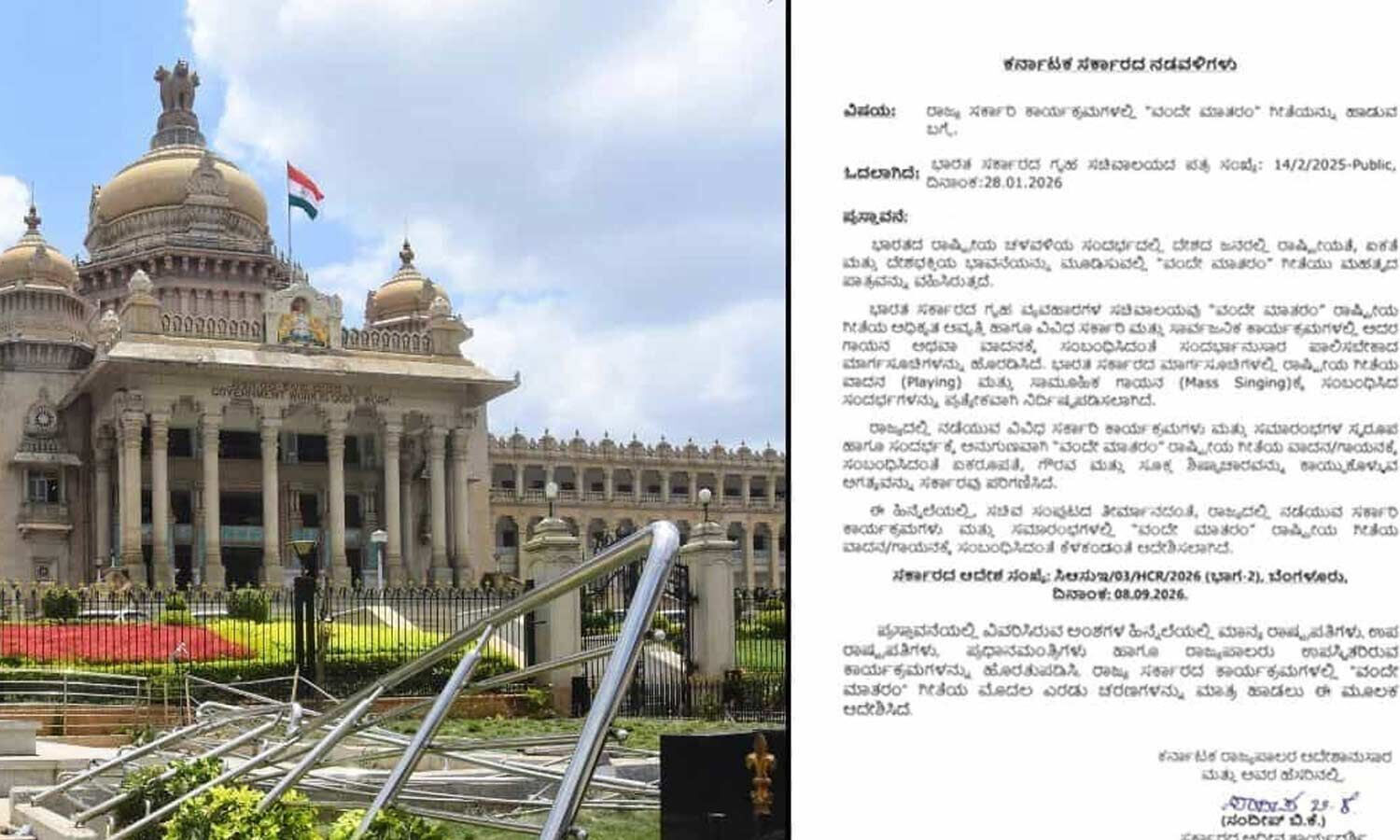
Some official directions call for all six stanzas to be sung at official events.
The court said the government can decide whether the song has two or six official stanzas.
But the judges said people who respectfully refuse for genuine religious or conscientious reasons may be protected from criminal punishment.
They referred to an older case involving children who did not sing the National Anthem for religious reasons.
Lawyers also argued sharply after the government’s lawyer used the word “Naxalites.”

The Supreme Court said it would examine whether refusing to sing Vande Mataram can lead to criminal penalties.
The bench cited the 1986 Bijoe Emmanuel ruling protecting respectful non-singing based on conscience or religious belief.
T.M. Krishna’s petition challenges directions requiring all six stanzas at official functions and the amended national-honour law.
The court said religious references in the song do not necessarily violate secularism and that the state may determine its official form.
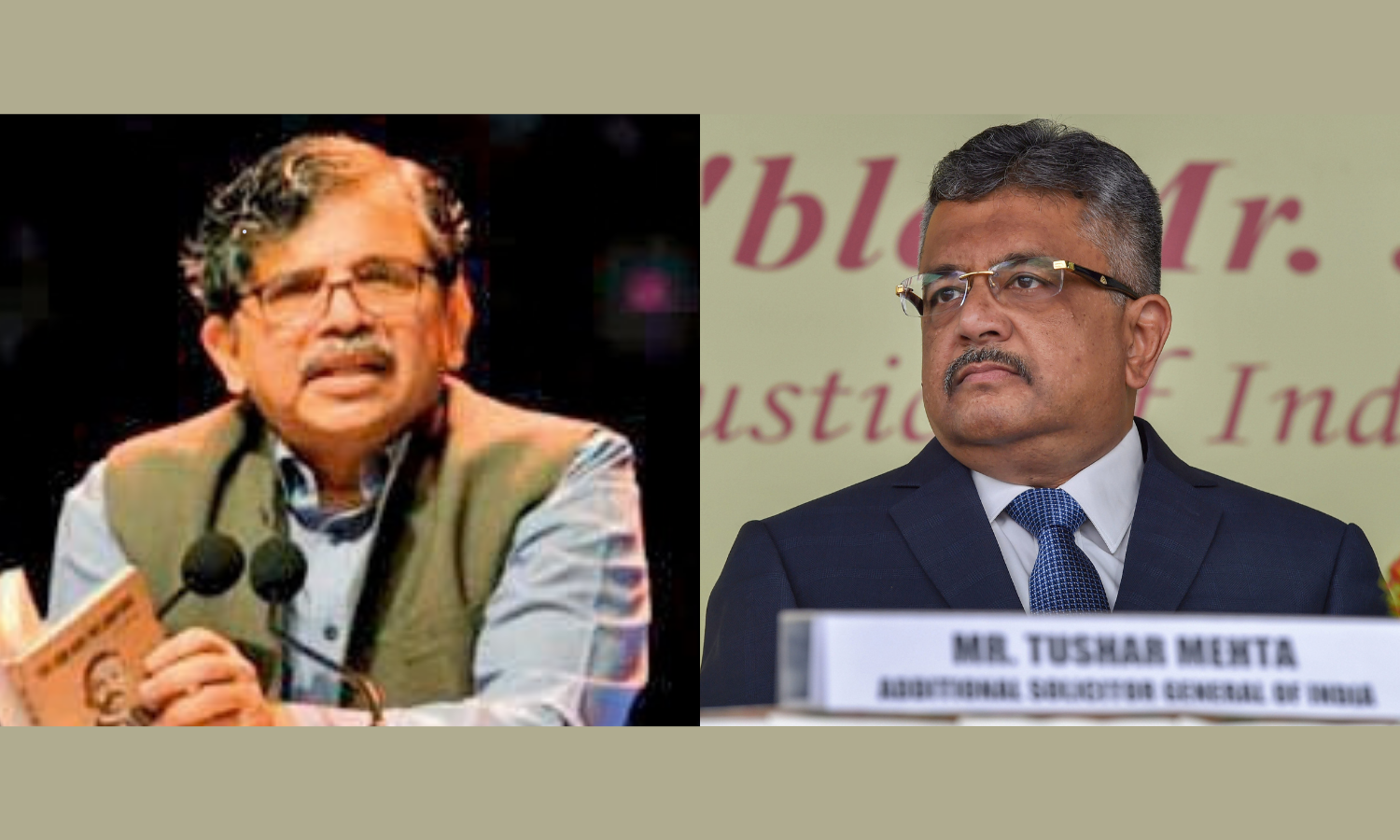
A heated exchange followed Solicitor General Tushar Mehta’s reference to “Naxalites,” which Senior Advocate S. Muralidhar demanded he withdraw.
- Who
- The Supreme Court, Carnatic singer T.M. Krishna, the Union government, Solicitor General Tushar Mehta and Senior Advocate S. Muralidhar.
- What
- The court is examining whether refusing to sing Vande Mataram for religious or conscientious reasons can result in criminal consequences.
- Where
- The Supreme Court of India.
- When
- The hearing took place on a Tuesday; one account identifies it as September 22, 2026, and says the amendment was enacted in 2026.
- Why
- Krishna challenges the amended Prevention of Insults to National Honour Act and directions requiring the complete six-stanza song, citing constitutional protections and concerns about religious references.
Constitutional and conscientious-objection concerns
State authority and national sentiment
Criminal penalties for non-singing
Constitutional and conscientious-objection concerns
T.M. Krishna and S. Muralidhar argue that people with religious or conscientious objections should not face punishment, relying on the Bijoe Emmanuel precedent.
State authority and national sentiment
The government argues that lawmaking and the definition of national symbols belong to the constitutional democratic state; the court is expected to examine the government’s position.
Religious references and secularism
Constitutional and conscientious-objection concerns
Krishna’s petition contends that the later four stanzas contain explicit Hindu references that raise concerns under the constitutional principle of secularism.
State authority and national sentiment
The bench indicated that homage to a particular form of God in a national song would not necessarily violate secularism, and the Solicitor General argued that secularism should not be interpreted so narrowly.
Two or six stanzas
Constitutional and conscientious-objection concerns
Muralidhar argued that Vande Mataram has traditionally been treated as consisting of two stanzas and that the expanded version should not be imposed without public consensus.
State authority and national sentiment
The court said determining the song’s official form and associated national aspirations is for the state, rather than for the judiciary.
Key facts
- Petitioner
- Carnatic singer T.M. Krishna
- Law involved
- Prevention of Insults to National Honour Act, 1971
- Amendment
- The 2026 amendment extends the Act’s protection to Vande Mataram.
- Potential punishment
- The amendment provides punishment of up to three years for intentionally preventing the song or disrupting an assembly singing it.
- Song requirement challenged
- Directions call for all six stanzas of Vande Mataram at official functions.
- Earlier precedent
- Bijoe Emmanuel v. State of Kerala, decided in 1986, protected respectful non-singing of the National Anthem for religious reasons.
- Court’s stated focus
- Whether criminal liability can be imposed on a conscientious or religious objector, rather than whether the song should contain two or six stanzas.
Quotes
Justice Joymalya Bagchi
Supreme Court judge on the bench hearing the petition
“The national song expressing homage to a particular God or form of God would not perhaps impact secularism, but your point whether a conscientious objector can be subjected to penal consequences… may require examination”
 indianexpress.com
“A penal statute cannot be in the realm of vagueness. You do not define what a national song is in the statute and you make it a punishable offence.”
indianexpress.com
Sources
Related news
Supreme Court Examines Challenge to Six-Stanza Vande Mataram Mandate
Supreme Court Examines Vande Mataram Law Amid Heated Exchange

Why Jana Gana Mana and Vande Mataram Can Coexist

Karnataka High Court Hears Challenge to Vande Mataram Curbs
Karnataka Court Challenge Targets Two-Stanza Vande Mataram Order
Karnataka Vande Mataram Row Escalates Over Two-Stanza Limit
Congress Slams Delay in Ram Temple Donation Theft Chargesheet

Uttar Pradesh rushes to file Ayodhya temple theft chargesheet
Supreme Court Told Ram Mandir Theft Cases Number 105