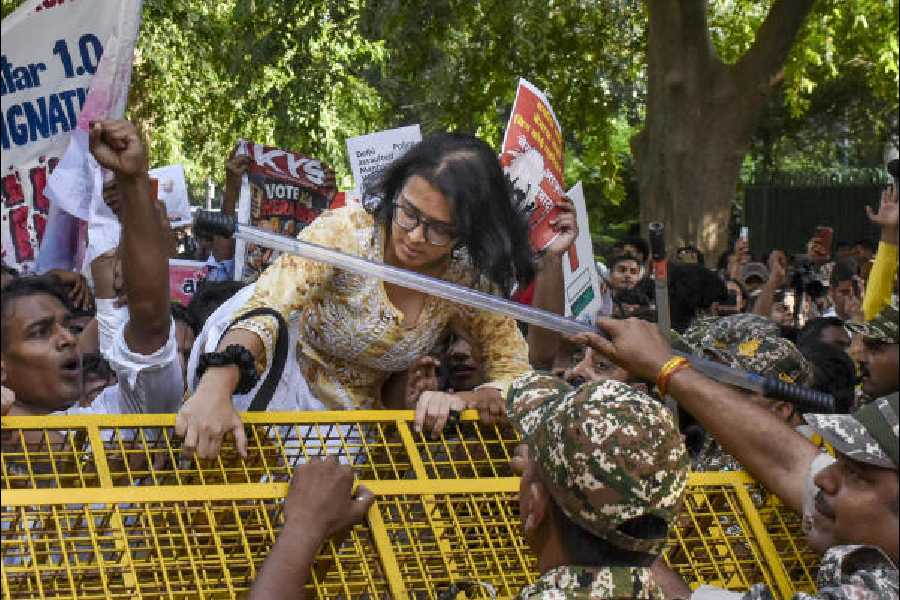
1 hr ago
Supreme Court to Hear Challenge to CEC's Unilateral Powers
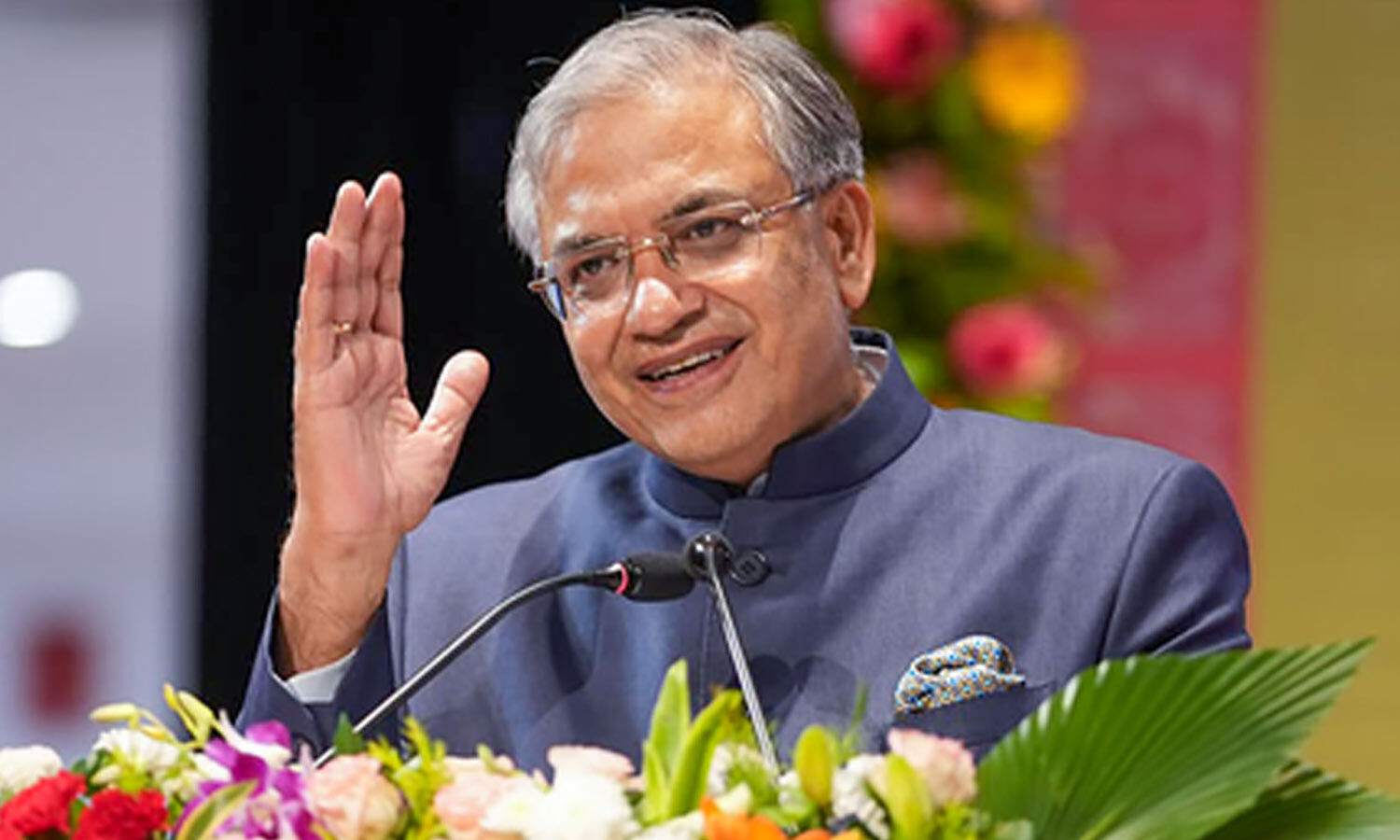
The Supreme Court is due to hear a case about how decisions at India's election body should be made.
The case asks whether the Chief Election Commissioner can act alone on matters that belong to the whole Commission.
The petition says the Constitution and a 2023 law call for decisions to be made collectively.
It points to objections reportedly recorded by two other election commissioners.
Those objections concern several decisions and procedures, including election records and changes to a form.
The petition asks the court to require the Commission to follow collective decision-making rules and preserve relevant records.
The Election Commission says disagreements and written objections are normal ways for members of a multi-person body to work through issues.
The court hearing is scheduled for Monday.

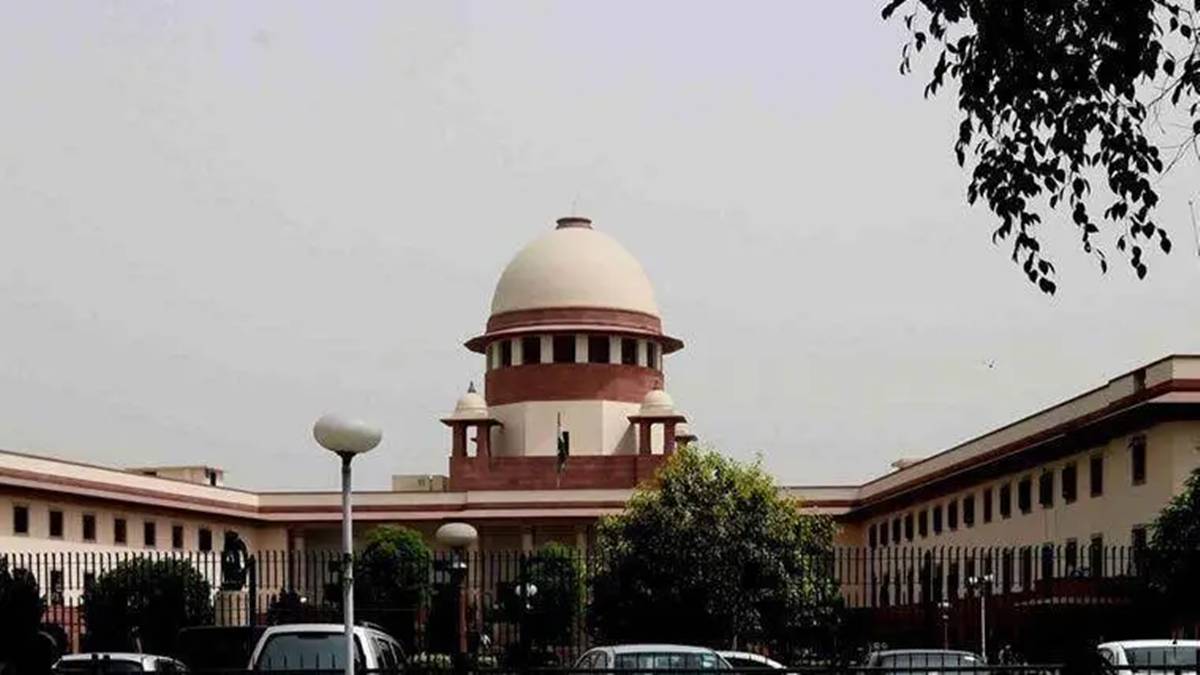
The Supreme Court is scheduled to hear petitions on Monday challenging whether Chief Election Commissioner Gyanesh Kumar can exercise powers on behalf of the Election Commission of India alone.
The petition argues that Article 324 and the 2023 election commissioners law require collective decision-making by the multi-member Commission.
It cites written communications and file notes attributed to Election Commissioners Sukhbir Singh Sandhu and Vivek Joshi, alleging at least 14 objections between October 2025 and August 2026.
The cited objections concern alleged unapproved communications and orders, meeting records, foreign travel, electoral-roll access, Form 6 changes, and appeals in West Bengal.
The Election Commission of India says internal objections are established mechanisms and that reported differences do not amount to an institutional rupture.
- Who
- The Supreme Court, Chief Election Commissioner Gyanesh Kumar, and the Election Commission of India.
- What
- The court is scheduled to hear petitions challenging whether the CEC can exercise Commission powers alone.
- Where
- The Supreme Court of India, New Delhi.
- When
- Monday; the article does not specify the date.
- Why
- The petition seeks enforcement of collective decision-making under Article 324 and the 2023 law governing election commissioners.
Petitioners
Election Commission of India
Who can exercise Commission powers
Petitioners
The petition argues that powers vested in the Commission must be exercised under the collective decision-making framework, not by the CEC alone.
Election Commission of India
The ECI says reported differences among commissioners do not amount to an institutional rupture and that internal objections are established mechanisms.
Reported objections and disputed actions
Petitioners
The petition cites written objections and alleged decisions taken in the Commission's name without the other commissioners' approval.
Election Commission of India
The ECI characterizes internal objections and written notes as established mechanisms within a multi-member constitutional body.
Key facts
- Scheduled hearing
- Monday
- Bench
- Chief Justice of India Surya Kant and Justices Joymalya Bagchi and V. Mohana
- Chief Election Commissioner
- Gyanesh Kumar
- Constitutional provision cited
- Article 324
- Statute cited
- Chief Election Commissioner and Other Election Commissioners (Appointment, Conditions of Service and Term of Office) Act, 2023
- Reported objections
- The petition cites at least 14 objections attributed to two Election Commissioners between October 2025 and August 2026.
- ECI position
- The ECI says internal objections are established mechanisms and do not amount to an institutional rupture.
Quotes
Chief Justice of India
The Chief Justice of India, who was approached about listing the matter.
“List it next week.”
 thehansindia.com
Sources
Related news
Supreme Court to Examine CEC’s Individual Powers Monday
Supreme Court to Hear Challenge to CEC’s ECI Functioning
Petition Seeks Suspension of CEC Over Election Commission Decisions
Supreme Court to Hear Pleas Challenging CEC and Electoral Roll Revision
Supreme Court to Hear Pleas Seeking CEC Kumar’s Suspension
Supreme Court to Hear Plea on ECI Decision-Making

Parakala Prabhakar Calls for Election Commission’s Dissolution
India Updates: Farmer Suicide, Floods, Politics and Court Challenges
Fadnavis Mocks Thackerays After Mumbai Protest Over Electoral Rolls