

3 hrs ago
Pakistan Urges India to Uphold Indus Waters Treaty Ruling

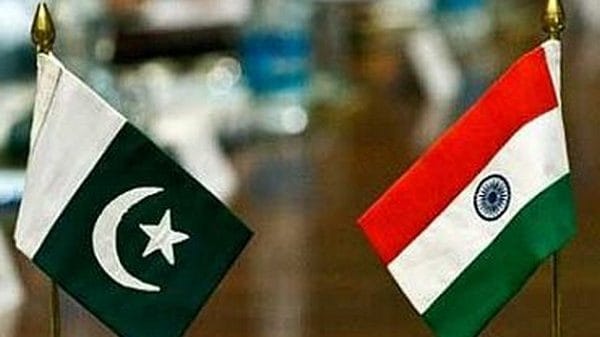
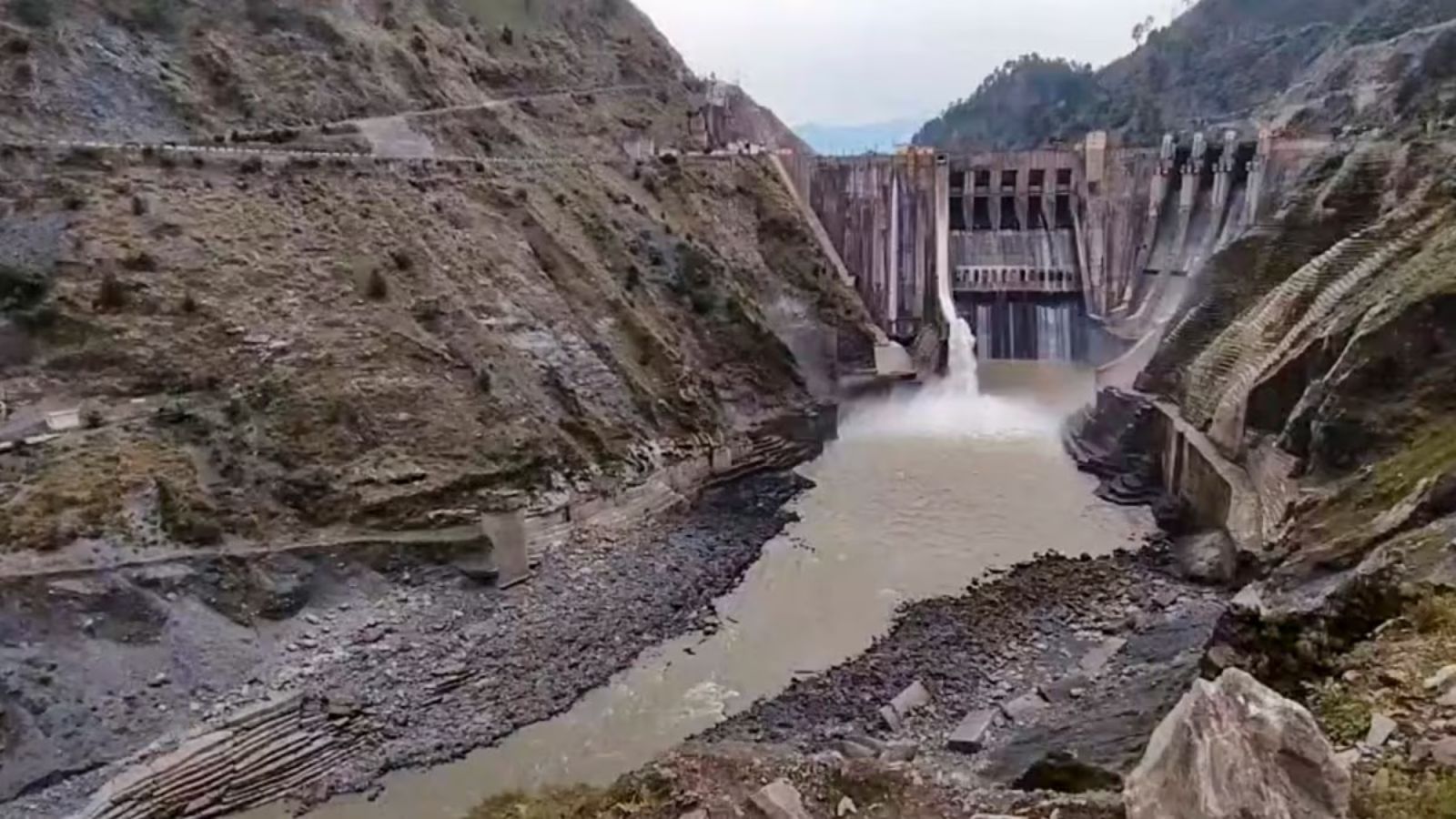
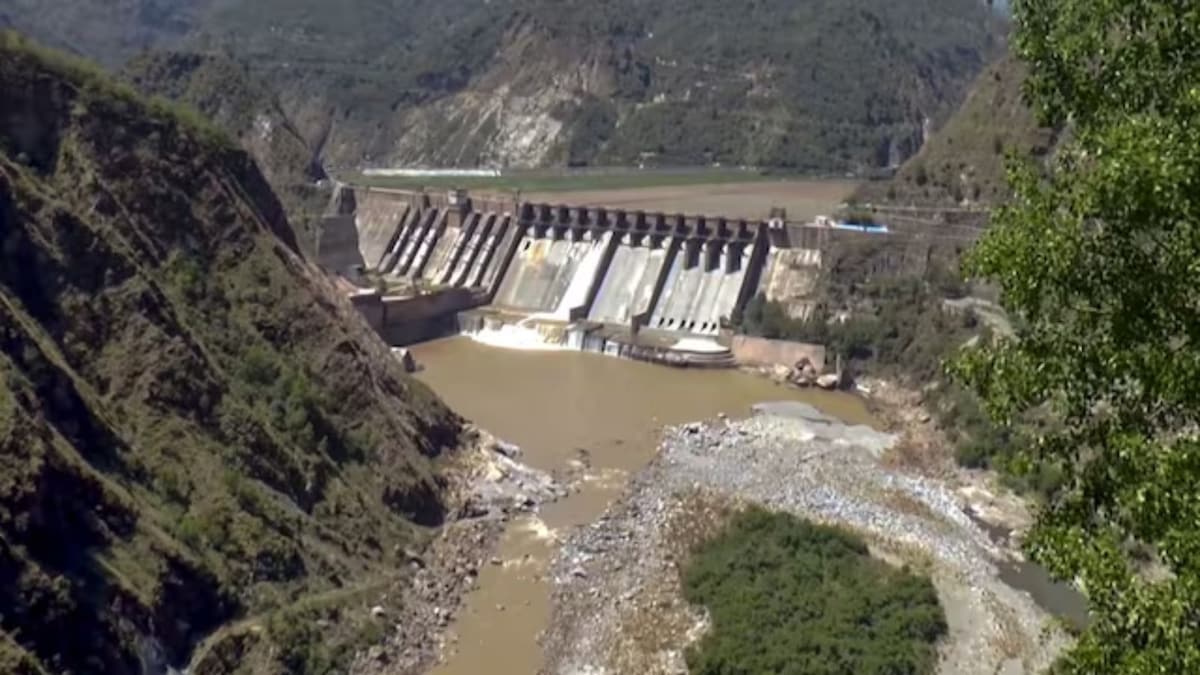
India and Pakistan have a longstanding agreement about sharing river water.
Pakistan says the Indus Waters Treaty is still valid and must be followed.
It also says an international arbitration court agreed with this position.
Pakistan is asking India to discuss the issue peacefully under the treaty’s rules.
India disagrees and says the arbitration court was created illegally.
India also rejects the court’s authority to decide the matter.
The disagreement grew after India suspended the treaty following the Pahalgam terror attack.
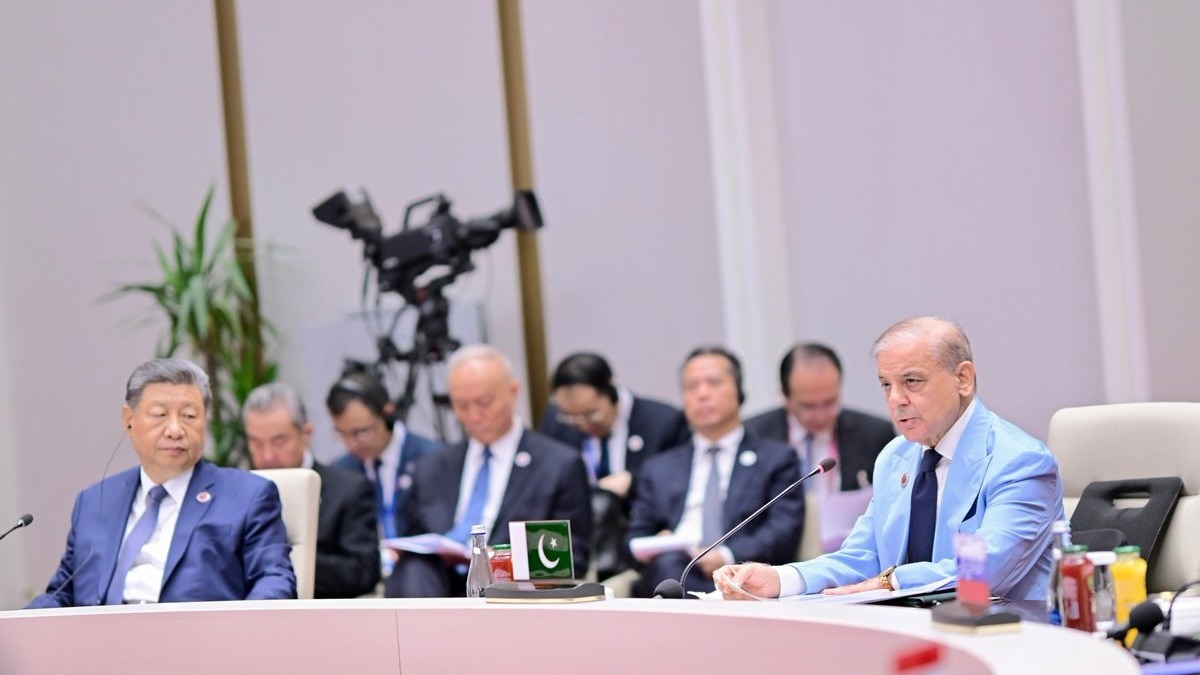
Both countries also discussed water and security concerns at a Shanghai Cooperation Organisation summit.

Pakistan urged India to engage constructively within the 1960 Indus Waters Treaty framework.
Pakistan said the Permanent Court of Arbitration reaffirmed that the treaty remains fully applicable and binding.
Islamabad said it would take all possible measures to ensure the ruling is implemented.
India rejected the tribunal’s decision and said it does not recognize the court’s legal existence or jurisdiction.
The dispute followed India’s suspension of the treaty after the April Pahalgam terror attack that killed 26 civilians.
- Who
- Pakistan, India, Pakistan Foreign Office spokesperson Tahir Andrabi, and the Permanent Court of Arbitration are involved.
- What
- Pakistan urged India to uphold the Indus Waters Treaty and accept an arbitration ruling that the agreement remains binding; India rejected the ruling and the tribunal’s legitimacy.
- Where
- The dispute concerns the Indus Waters Treaty between India and Pakistan, while the case was heard by the Permanent Court of Arbitration in The Hague and discussed at an SCO summit in Bishkek.
- When
- Pakistan made the appeal on Wednesday, days after India rejected the ruling; the treaty dispute followed India’s suspension of the agreement after an April attack.
- Why
- Pakistan says the treaty must be implemented in full and in good faith, while India says the arbitration body violates the treaty and has no valid jurisdiction.
Pakistan’s Position
India’s Position
Treaty status
Pakistan’s Position
Pakistan says the Indus Waters Treaty remains fully applicable, legally binding, and enforceable in its entirety.
India’s Position
India says its decision to suspend the treaty stands and rejects the tribunal’s authority over the matter.
Tribunal legitimacy
Pakistan’s Position
Pakistan relies on the Permanent Court of Arbitration’s ruling and says it should be implemented fully.
India’s Position
India says the court is illegally constituted, does not recognize its existence in law, and considers its establishment a violation of the treaty.
Path forward
Pakistan’s Position
Pakistan is urging India to engage constructively and uphold the treaty in letter and spirit.
India’s Position
India has rejected the ruling and has linked its suspension of the treaty to punitive measures following the Pahalgam attack.
Key facts
- Treaty
- The 1960 Indus Waters Treaty governs water-sharing arrangements between India and Pakistan.
- Pakistan’s position
- Pakistan says the treaty remains fully applicable, legally binding, and enforceable.
- India’s position
- India says it does not recognize the tribunal’s legal existence and calls it illegally constituted.
- Arbitration case
- Pakistan approached the Permanent Court of Arbitration in The Hague in March 2026 to determine the treaty’s status.
- India’s suspension
- India placed the treaty in abeyance after the Pahalgam terror attack, according to the reports.
- Pahalgam attack
- The attack in April killed 26 civilians, according to the second report.
- Pakistan’s next step
- Pakistan said it would take all possible measures to ensure the ruling is fully implemented.
Sources

Related news
India Rejects Hague Ruling Upholding Pakistan Water Treaty
India Rejects Hague Award, Keeps Indus Waters Treaty Suspended
Hague Court Says India Must Uphold Indus Waters Treaty
Pakistan Raises Indus Treaty Concerns as India Rejects Hague Ruling

India Rejects Hague Order to Restore Indus Waters Treaty
Putin Faces Western Isolation While Russia Builds Non-Western Ties
India’s Global Power Ambitions Face Economic and Democratic Setbacks
Modi’s Frugality Appeal Contrasts With Extensive Foreign Travel
Modi Sets Roadmap for Collaborative, Water-Secure India’s Future

Sonia Gandhi Memoir Sparks Debate Over Politics, Publishing And Speech
