2 days ago
Hague Court Says India Must Uphold Indus Waters Treaty
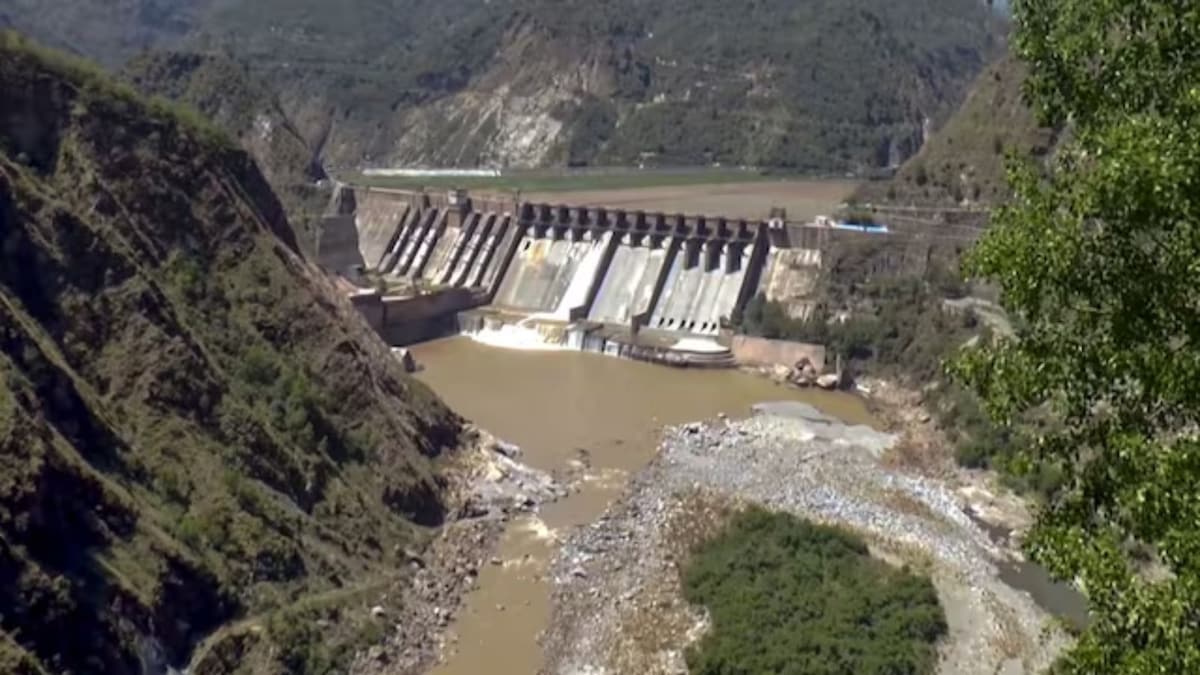
India and Pakistan share the waters of several rivers under a treaty signed in 1960.
India said in April 2025 that it was putting the treaty on hold after a terrorist attack in Jammu and Kashmir.
Pakistan challenged that decision before an arbitration court at The Hague.
The court said one country cannot put the treaty on hold by itself.
It ruled that both countries must continue following the agreement.
The court also temporarily limited some construction on India’s Ratle dam project.
This is meant to prevent difficult and expensive changes if the project’s design is later found to violate the treaty.
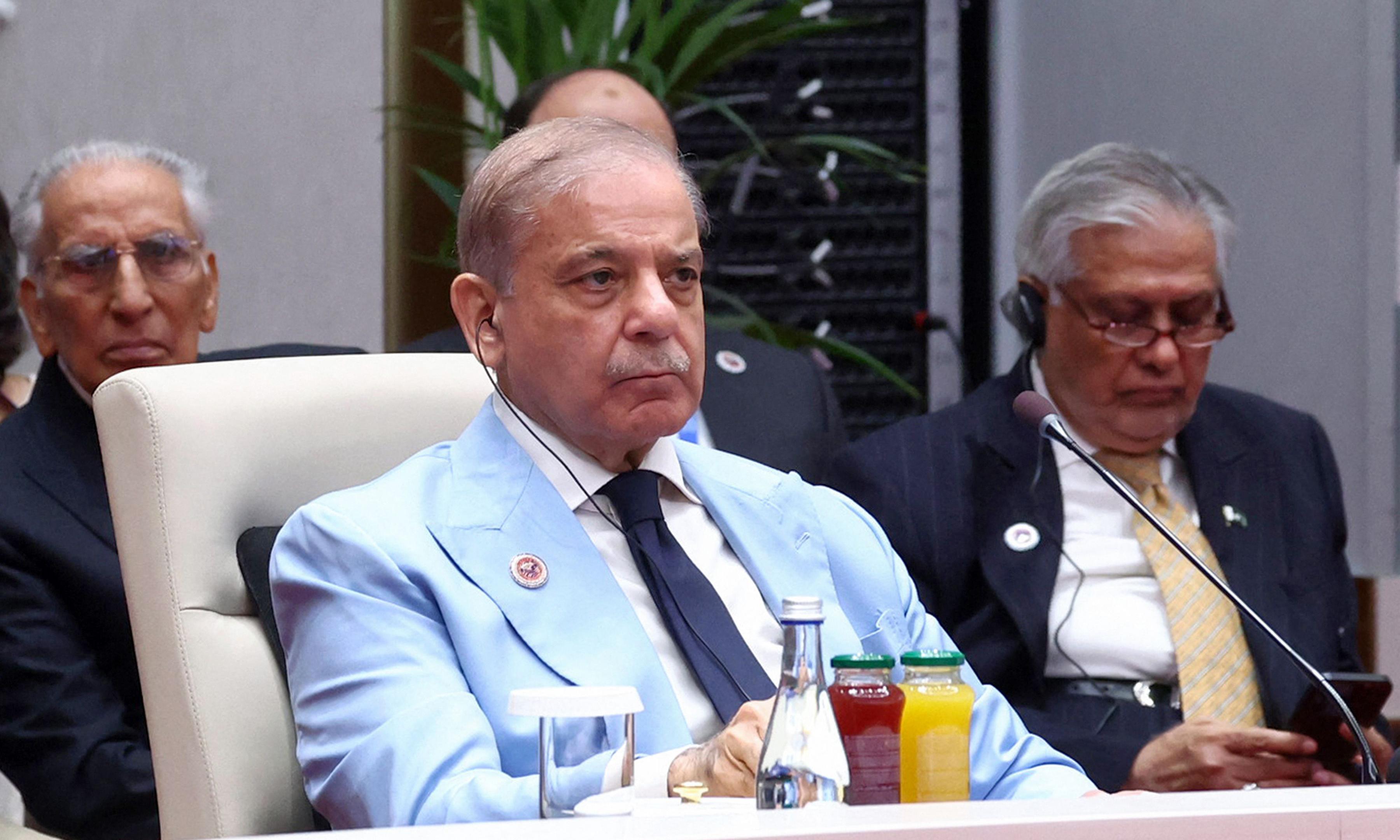
India does not accept the court’s authority, while Pakistan supports the ruling.

The Court of Arbitration at The Hague ruled that the Indus Waters Treaty remains in force.
The court said neither India nor Pakistan can unilaterally suspend or terminate the treaty.
India must temporarily limit certain concrete work on the 850-megawatt Ratle hydroelectric project.
Pakistan brought the proceedings over the treaty’s status and design disputes involving Ratle and Kishenganga projects.
India rejects the arbitration court’s authority and says its decision to place the treaty in abeyance remains valid.
- Who
- Pakistan brought the arbitration proceedings against India over the Indus Waters Treaty and related hydroelectric projects.
- What
- The Court of Arbitration ruled that the treaty remains in force and temporarily restricted certain construction work on the Ratle project.
- Where
- The ruling was issued by an arbitration court at The Hague and concerns rivers and projects in the Indus basin, including Ratle in Jammu and Kashmir.
- When
- The decisions were issued on Monday, August 31; India announced the treaty’s abeyance in April 2025.
- Why
- Pakistan challenged India’s unilateral decision to put the treaty in abeyance and raised objections to the designs of the Ratle and Kishenganga projects.
Court and Pakistan
India
Treaty status
Court and Pakistan
The court said the treaty contains no provision allowing either country to suspend or terminate it unilaterally, including by declaring it in abeyance. Pakistan sought enforcement of the agreement.
India
India says it does not recognise the Court of Arbitration’s authority and maintains that its decision to place the treaty in abeyance remains in force.
Ratle project design
Court and Pakistan
Pakistan argues that aspects of the Ratle project’s design do not comply with the treaty and sought measures to prevent construction from becoming difficult to reverse.
India
India maintains that its hydroelectric projects on the western rivers are permitted under the treaty and has rejected the arbitration court’s authority over the dispute.
Dispute-resolution process
Court and Pakistan
The court temporarily restricted specified construction at Ratle while a Neutral Expert separately examines the technical questions involving Ratle and Kishenganga.
India
India has maintained that the Neutral Expert, rather than the Court of Arbitration, is the appropriate mechanism for resolving the technical differences.
Key facts
- Treaty
- The Indus Waters Treaty was signed in 1960 and allocates use of the Indus river system between India and Pakistan.
- Court ruling
- The court said the treaty has neither been suspended nor terminated and remains binding on India and Pakistan.
- India’s position
- India says the Court of Arbitration lacks authority and maintains that its decision to place the treaty in abeyance remains valid.
- Ratle project
- Ratle is an 850-megawatt hydroelectric project under construction on the Chenab River in Jammu and Kashmir.
- Construction restriction
- India cannot pour concrete beyond specified levels on parts of the Ratle dam and power-intake structure until 90 days after the Neutral Expert issues a final decision.
- Pakistan’s claims
- Pakistan disputes aspects of the Ratle and Kishenganga project designs, arguing that they do not comply with the treaty.
- River allocation
- The treaty broadly gives India control over the Ravi, Beas and Sutlej, while Pakistan has rights over most water from the Indus, Jhelum and Chenab.
Sources
Related news

India Rejects Hague Ruling Upholding Pakistan Water Treaty
India Rejects Hague Award, Keeps Indus Waters Treaty Suspended

Pakistan Urges India to Uphold Indus Waters Treaty Ruling

India Rejects Hague Order to Restore Indus Waters Treaty

UPSC Key Covers SCO, Electoral Rolls, Economy, Defence and Climate