2 days ago
India Rejects Hague Award, Keeps Indus Waters Treaty Suspended
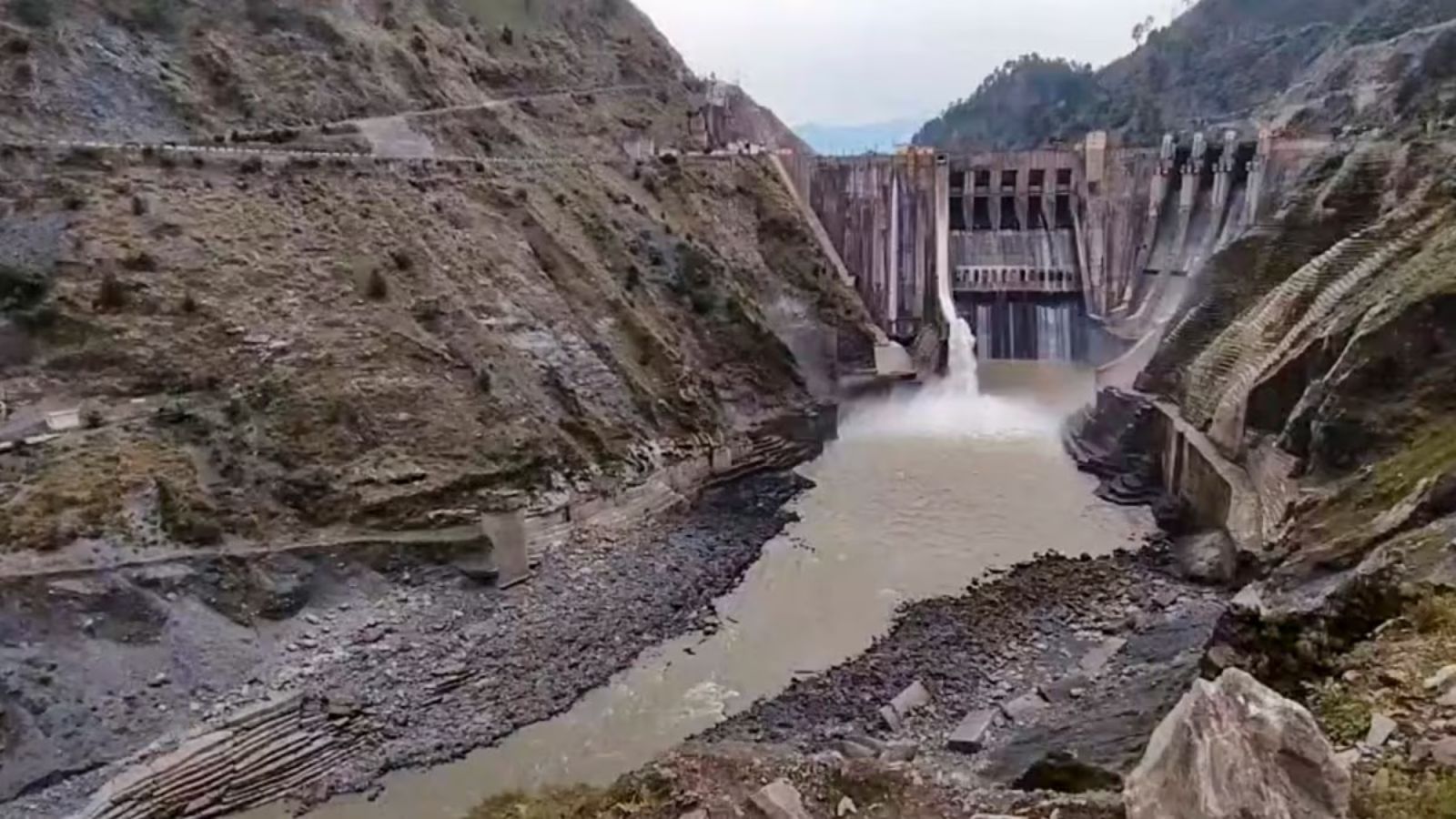
India and Pakistan share river water under a treaty signed in 1960.
India put the treaty in abeyance after a terrorist attack in Pahalgam in April 2025.
India says the Court of Arbitration was created improperly and has no authority over India.
India also says the treaty will stay suspended.
The court disagreed and said the treaty is still fully in force.
It said India must follow rules for hydroelectric projects on the Western Rivers.
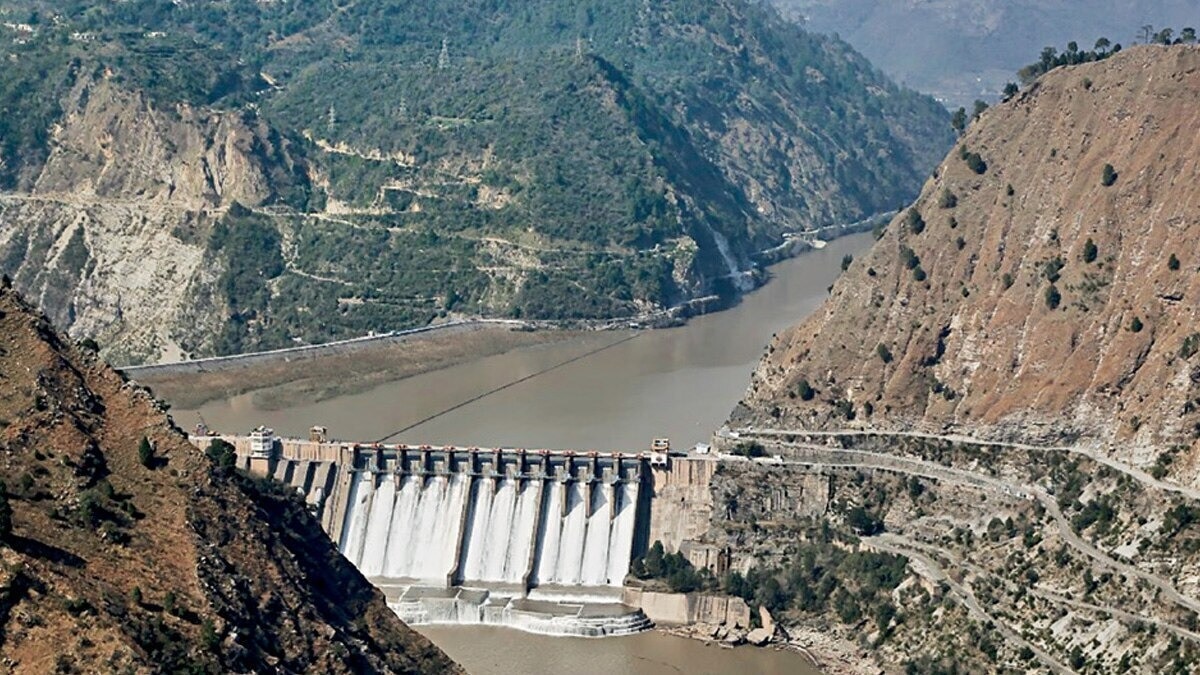
The court placed temporary limits on some work at the Ratle project.
A separate Neutral Expert process is expected to reach a final decision around July 2027.

India rejected the Court of Arbitration’s award, calling the body illegally constituted and without jurisdiction.
The Ministry of External Affairs said India never recognised or participated in the tribunal’s proceedings.
India said its decision to place the 1960 Indus Waters Treaty in abeyance remains in force.
The tribunal ruled that the treaty remains fully operational and that India must continue meeting its obligations.
The tribunal imposed limited interim restrictions and reporting requirements on the Ratle project until shortly after a Neutral Expert’s expected July 2027 decision.
- Who
- India’s Ministry of External Affairs, the Court of Arbitration, and Pakistan are involved in the dispute.
- What
- India rejected the tribunal’s award, while the tribunal said the Indus Waters Treaty remains in force and issued interim measures concerning the Ratle hydroelectric project.
- Where
- The dispute concerns the Indus river system and hydroelectric projects in Kashmir, while the arbitration was conducted in The Hague.
- When
- The award and India’s rejection were reported on August 31, 2026; the Neutral Expert’s final decision is expected around July 2027.
- Why
- India says the tribunal was constituted in breach of the treaty and cannot rule on India’s sovereign decisions. The tribunal said the cited grounds did not justify suspending or terminating the treaty.
India’s position
Tribunal and Pakistan’s position
Tribunal’s legitimacy
India’s position
India says the Court of Arbitration was illegally constituted in breach of the Indus Waters Treaty, has never been legally recognised by India, and has no jurisdiction.
Tribunal and Pakistan’s position
The tribunal proceeded with the dispute and issued determinations on the treaty’s status and interim measures; Pakistan views the ruling as confirming the treaty’s continuing force.
Treaty status
India’s position
India says its decision to place the 1960 treaty in abeyance remains in force until Pakistan credibly and irrevocably ends support for cross-border terrorism.
Tribunal and Pakistan’s position
The tribunal said none of the grounds cited justified suspending or terminating the treaty and that India must continue observing it.
Hydroelectric projects
India’s position
India says the tribunal’s pronouncements will not affect its sovereign decisions or projects on the Indus river system.
Tribunal and Pakistan’s position
The tribunal said India must comply with treaty provisions governing hydroelectric projects on the Western Rivers and imposed interim measures on the Ratle project.
Dispute-resolution process
India’s position
India has argued that technical disputes should follow the treaty’s Neutral Expert process rather than parallel arbitration proceedings.
Tribunal and Pakistan’s position
The tribunal issued interim measures while the separate Neutral Expert process continues.
Key facts
- Treaty
- The Indus Waters Treaty was signed by India and Pakistan in 1960.
- India’s position
- India rejects the Court of Arbitration’s authority and says its decision to hold the treaty in abeyance remains in force.
- Tribunal’s position
- The tribunal said the treaty remains fully in force and that India must observe its obligations.
- Tribunal’s formation
- India says the World Bank constituted the Court of Arbitration in breach of the treaty.
- Projects involved
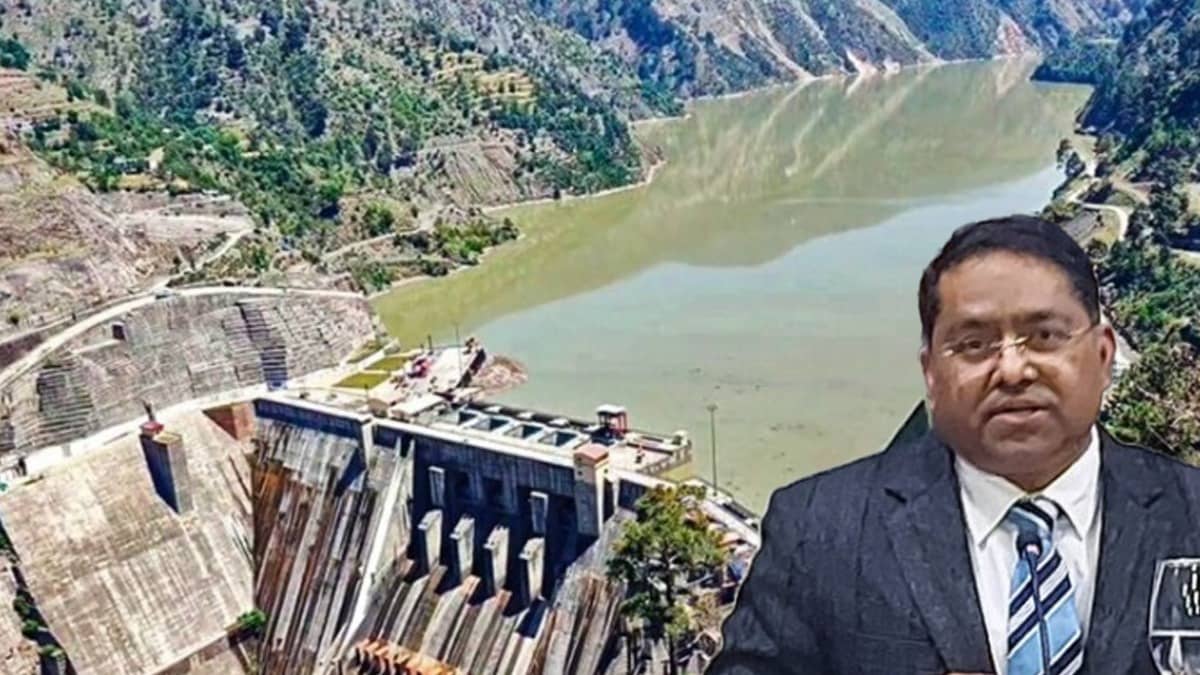
- The dispute includes the Ratle and Kishenganga hydroelectric projects.
- Ratle measures
- The tribunal restricted certain concreting work on parts of the dam wall and power intake structure and imposed construction-schedule reporting requirements.
- Expected Neutral Expert decision
- The final decision is expected around July 2027.
Quotes

India’s Ministry of External Affairs
India’s government ministry responsible for external affairs
“Today, the illegally constituted so-called Court of Arbitration (CoA) has issued what it termed as an award concerning Interim Measures and Status of the Indus Waters Treaty. This so-called Court was constituted by the World Bank in patent breach of the terms of the Treaty and India categorically rejects its so-called award, just as it has firmly rejected all prior pronouncements by this illegally constituted body.”
 deccanchronicle.com
 firstpost.com
 thestatesman.com
 freepressjournal.in
 indianexpress.com
+1 more
indianexpress.com
+1 more
“India has never recognised the existence in law of this illegally constituted and so-called Court of Arbitration, and has consistently maintained that the very establishment of this alleged arbitral body constitutes a grave violation of the Indus Waters Treaty. Accordingly, India has never appeared before this body and has refused to take any cognisance of its earlier pronouncements”
thestatesman.com
 wionews.com
freepressjournal.in
wionews.com
freepressjournal.in
Sources
India Rejects Illegally Constituted Court of Arbitration's Indus Waters Treaty Award
India rejects Hague tribunal award on Indus treaty as illegal, says 1960 pact stays in abeyance

India rejects Court of Arbitration award on Indus Water Treaty, says ‘pact’ remains in abeyance
India Rejects Indus Waters Treaty Award, Calls Hague Arbitration Court ‘Illegally Constituted’

India Rejects Hague Arbitration Award, Insists Indus Waters Treaty Remains Suspended
'No jurisdiction whatsoever': India rejects Hague court ruling on Indus Waters Treaty
India rejects Hague tribunal’s new Indus Waters award as 'illegal'
'No Jurisdiction': India Rejects 'Illegally Constituted' Court Of Arbitration's Indus Waters Treaty Award
‘No jurisdiction’: India rejects international court’s order on Indus Water Treaty
MEA Rejects World Bank-Constituted Tribunal Award On Indus Treaty, Asserts Sovereign Decisions Remain Firmly In India's Hands
Related news
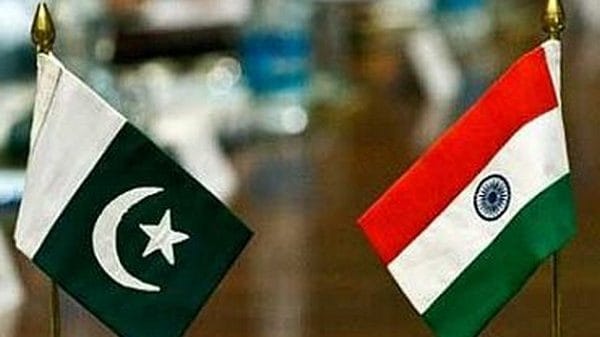
India Rejects Hague Ruling Upholding Pakistan Water Treaty
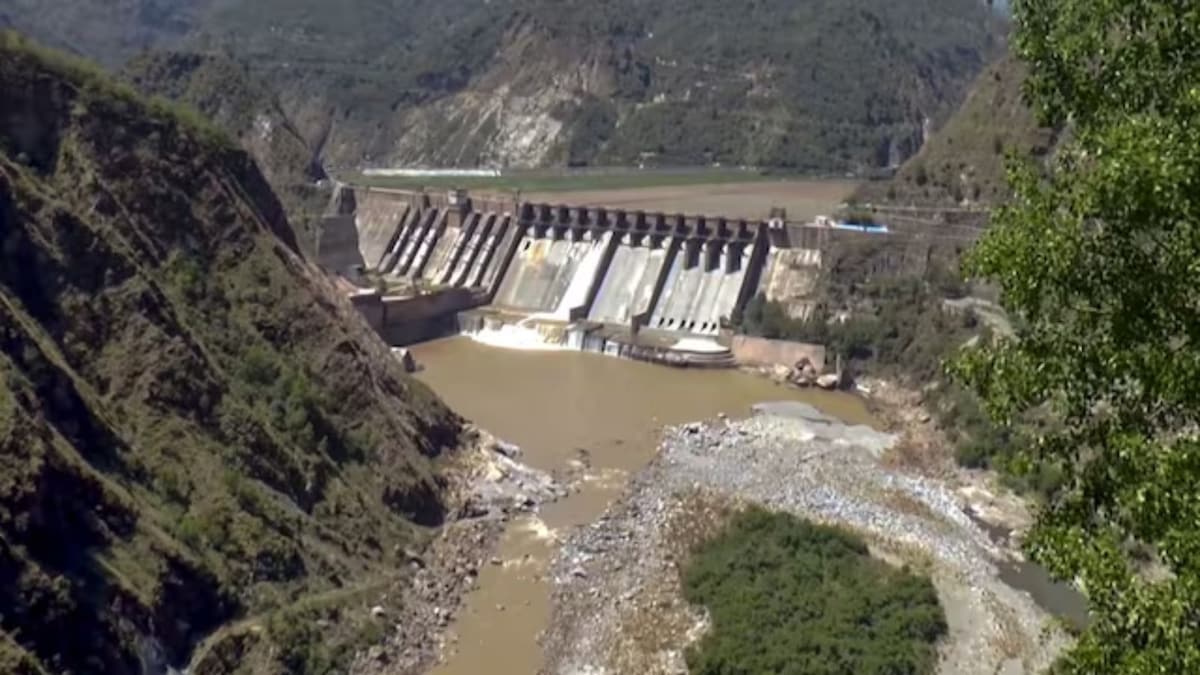
Hague Court Says India Must Uphold Indus Waters Treaty
Pakistan Urges India to Uphold Indus Waters Treaty Ruling

Pakistan Seeks Dialogue as India Rejects Indus Treaty Ruling

India Rejects Hague Order to Restore Indus Waters Treaty
UPSC Key Covers SCO, Electoral Rolls, Economy, Defence and Climate